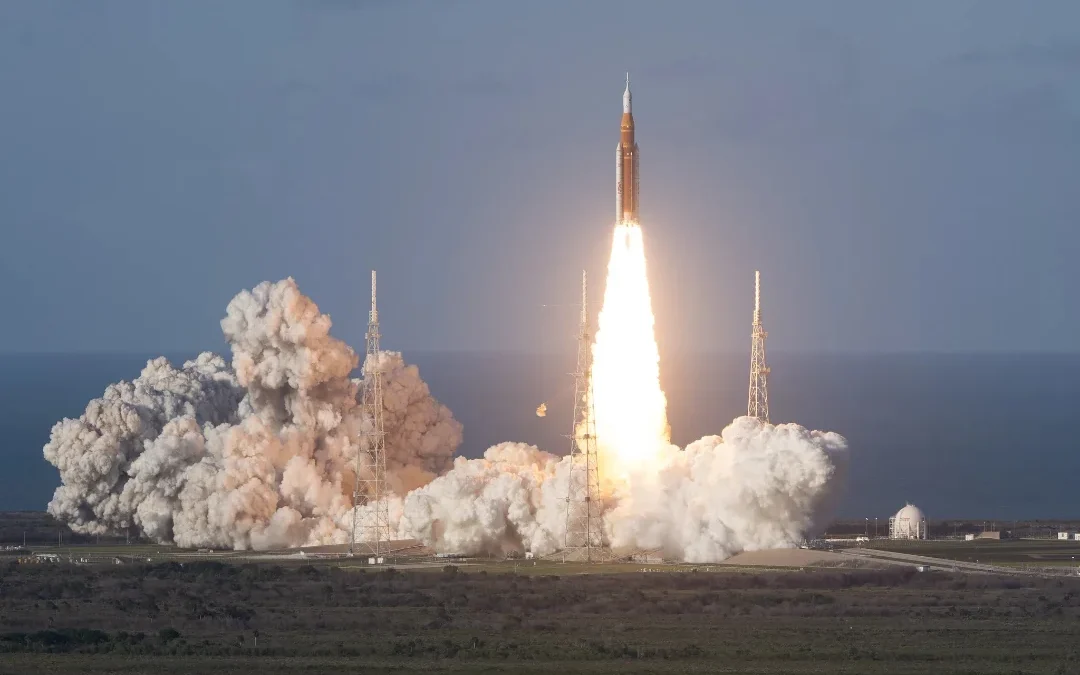
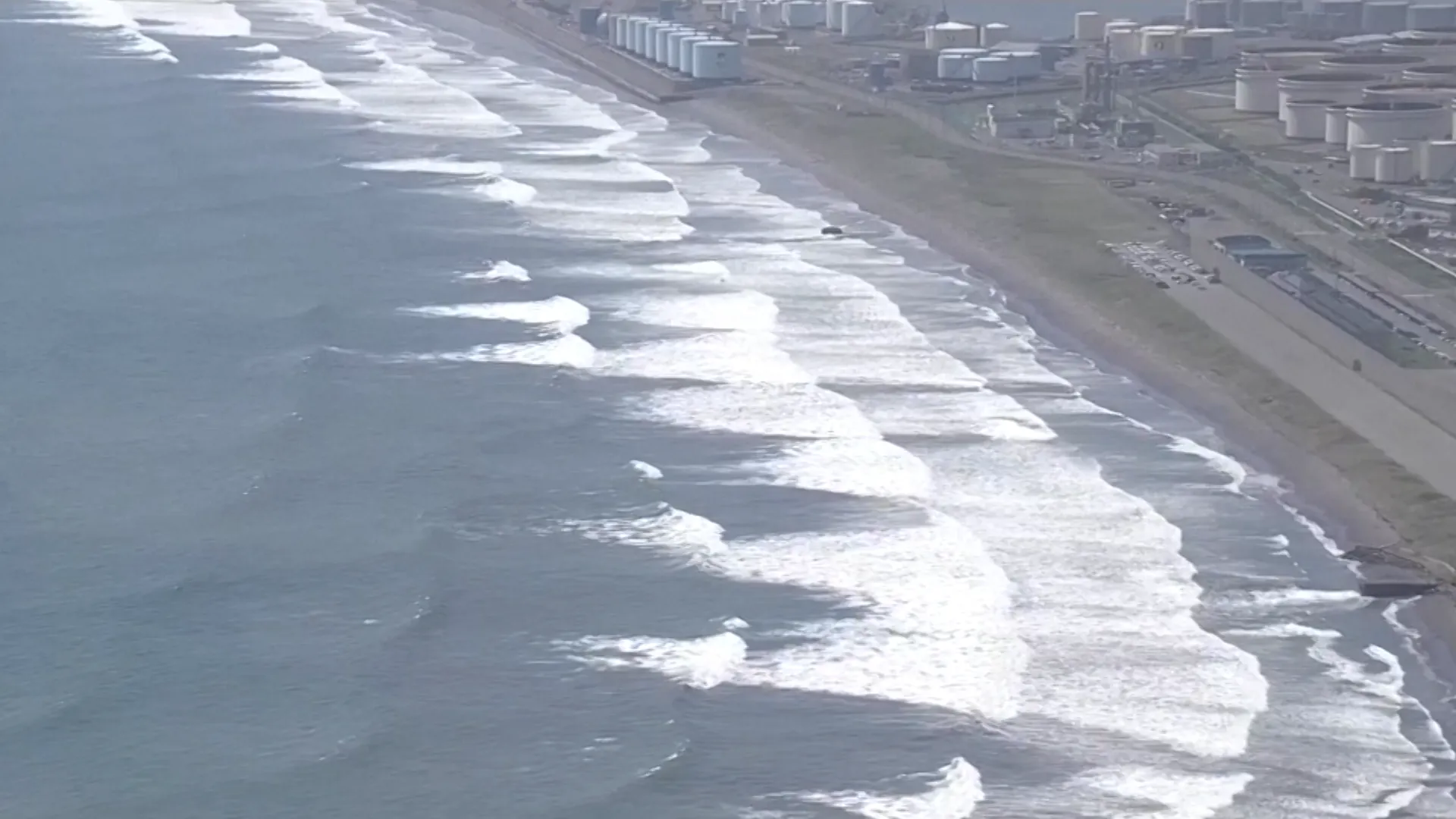
Petropavlovsk-Kamchatsky, Russia – A huge 8.8 magnitude earthquake rocked off Russia’s Kamchatka Peninsula on July 29, one of the most powerful quakes ever, sending tsunami waves hammering across the Pacific Ocean. Although widespread panic gripped people, early warnings and rapid evacuations saved lives, although coastal flooding, minor injuries, and power cuts affected communities on three continents.
The Epicenter: Kamchatka Rocked
Around 11:30 a.m. local time, a shallow earthquake (depth ~20 km) struck 119 km southeast of Petropavlovsk-Kamchatsky. The shaking persisted almost three minutes and was felt throughout far eastern Russia, and then some. The Russian government called it the largest quake in the region since 1952, although surprisingly little damage occurred to buildings because the epicentre lay offshore and local seismic precautions were in place.
In turn, authorities imposed a state of emergency on Russia’s Kuril Islands, where waves of over 5 meters hit Severo‑Kurilsk. Flooding has hit the fishing port, rural areas, and power supplies, though unfortunately, no deaths have occurred. A few individuals were slightly injured in hasty evacuations, while hospitals experienced interruptions during structural shaking and flooding.
Tsunami Waves Waving Along the Pacific
Tsunami warnings and alerts reached halfway around the world:
Russia: 5–15 m waves attacked exposed coastlines. Port districts in Severo‑Kurilsk were flooded and fishing vessels carried away; power failures ensued.
Japan: The Pacific coast from Hokkaido to Tokyo Bay was hit by 1.3 m waves. More than 900,000 residents of coastal zones were evacuated. The tsunami necessitated defensive measures at Fukishima’s nuclear power plant, without damage or radiation issues occurring.
Hawaii: Waves rose 1.7 m, leading to evacuations along Honolulu’s shores. Streets clogged as residents and visitors cleared out to elevated areas. Officials subsequently reduced the warning to an advisory but still cautioned against powerful ocean currents and unruly waves.
U.S. West Coast & Alaska: Alaska coastal communities, California, Oregon, Washington, and British Columbia issued tsunami advisories. Some areas experienced waves of almost one meter, and hazardous currents persisted throughout the evening following initial surf.
Elsewhere: Warnings also extended to French Polynesia (Marquesas), Chile, New Zealand, Ecuador, and Mexico, where coastal waves of up to 2.5–4 m spurred precautionary evacuations.
Increasing Aftershocks and Secondary Hazards
The earth sciences effects went on following the primary shock. Governments clocked magnitude 7.5–7.0 aftershocks, reminding officials to be vigilant. At the same time as the earthquake, Russia’s Klyuchevskoy volcano erupted, emitting lava flows down its flanks that visually echoed seismic intensity on the peninsula.
In Petropavlovsk-Kamchatsky, a group of surgeons continued to operate during the quake, video equipment shaking mid-procedure in mid-termination earned social media accolades for staying calm under pressure.
Historical Context and Significance
At 8.8 magnitude, the earthquake is one of the top six most powerful ever recorded. There have been comparisons:
2010 Chile earthquake (8.8) killed more than 500; widespread shaking lasted over a minute and produced a fatal tsunami in South America.
A 1952 Japan earthquake of comparable size generated 9 m waves in Hawaii but didn’t kill anyone in sparsely populated Japan.
The 2004 Indian Ocean earthquake (9.1) has become a source often cited for the trans-oceanic surface propagation of Rayleigh waves – events of a similar nature but larger scale than in this event.
The absence of fatality thus far is attributed by analysts to early warning systems, evacuation along the coastlines, and seismic-resistance structure, a reference primarily to infrastructure constructed to survive seismic activity. The event, however, heightens concerns regarding long-term readiness throughout the Pacific Rim.
Community Impact and Infrastructure Damage
Severo-Kurilsk: Local authorities have reported displacement of ~2,000 inhabitants, house damage, power interruption, and port flooding as ships were pulled off docks. Cleanup and makeshift repairs started quickly once the waters went down.
Russia overall: Petropavlovsk-Kamchatsky avoided significant infrastructure damage due to its positioning within Avacha Bay, which protected the city from the most violent waves.
Japan & U.S.: Although tsunami effect was moderate, precautionary shutdowns disrupted rail, ferry, and some airport operations, keeping risk to a minimum. No reports were received of casualties caused by flooding or infrastructure collapse.
What’s Next: Safety Lessons & Readiness
While waves recede, officials turn attention to assessment and readiness:
Emergency services remain vigilant for aftershocks and sea surges.
Seismic scientists have highlighted the possibility of worldwide free oscillations, very long-lived Earth vibrations detectable well beyond the quake epicenter – a signature of monstrous quakes.
Tsunami mitigation strategies of Pacific Basin countries might be reexamined, as waves traveled farther than predicted.
Tesla-like infrastructure and grid resilience, plus earthquake-resilient building codes, might come under renewed legislative scrutiny in traditionally impacted countries such as Oregon and Alaska.
The Kamchatka July 2025 8.8-magnitude earthquake was an earthquake of international significance, eliciting mass evacuations, inducing coastal flooding, and reminding Pacific countries of their vulnerability. However, early warnings, preparedness measures, and resilient infrastructure prevented a human tragedy comparable to previous megathrust tragedies.
While physical destruction is still limited, the broader implications are obvious: in a networked Pacific, seismic energy travels long distances – and so must our coordination and reaction. The resilience thus far achieved should be recognized, and continued vigilance in the protection of all future shores.