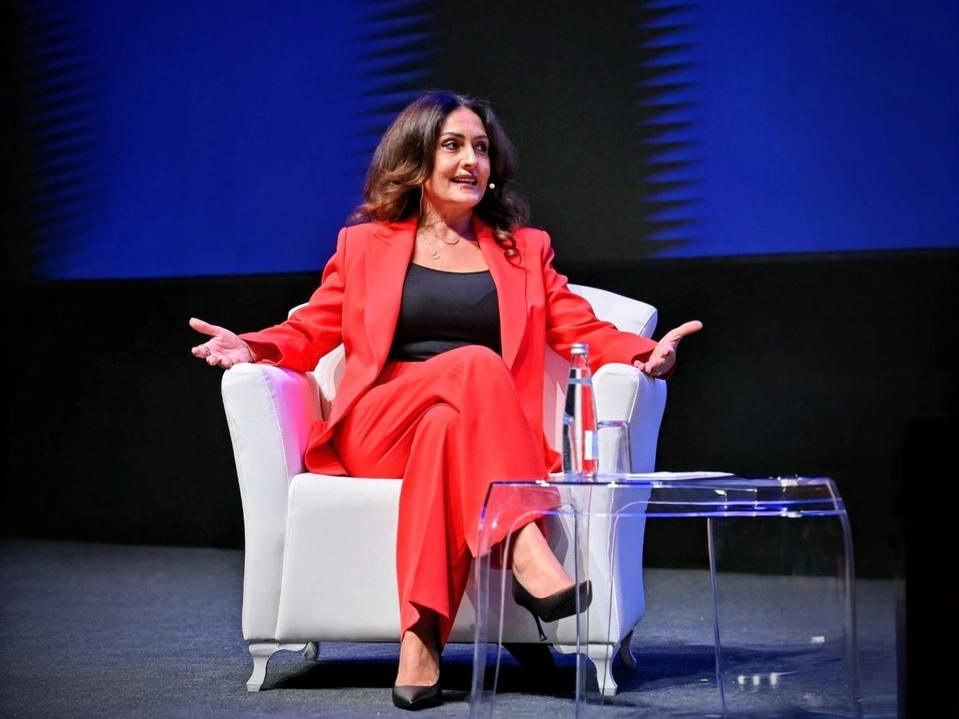
In an era defined by disruption, globalization, and the relentless pace of corporate change, the concept of leadership has undergone a quiet but profound transformation. Few figures embody that evolution as clearly as Duygu Alptekin Gürsu, a Turkish executive coach, author, and keynote speaker whose work over two decades has helped reshape how organizations cultivate leaders across continents. Through her blend of corporate experience, psychological insight, and human-centric coaching philosophy, Gürsu has emerged as one of the most recognizable voices in global leadership development.
Born and educated in Istanbul, Gürsu’s path to becoming a global leadership authority did not begin in coaching circles but in the corporate trenches of international marketing. After completing her education at Robert College and later earning a degree in Political Science and International Relations from Boğaziçi University, she launched her career at Unilever before moving to The Coca-Cola Company, where she spent more than a decade in senior marketing roles.
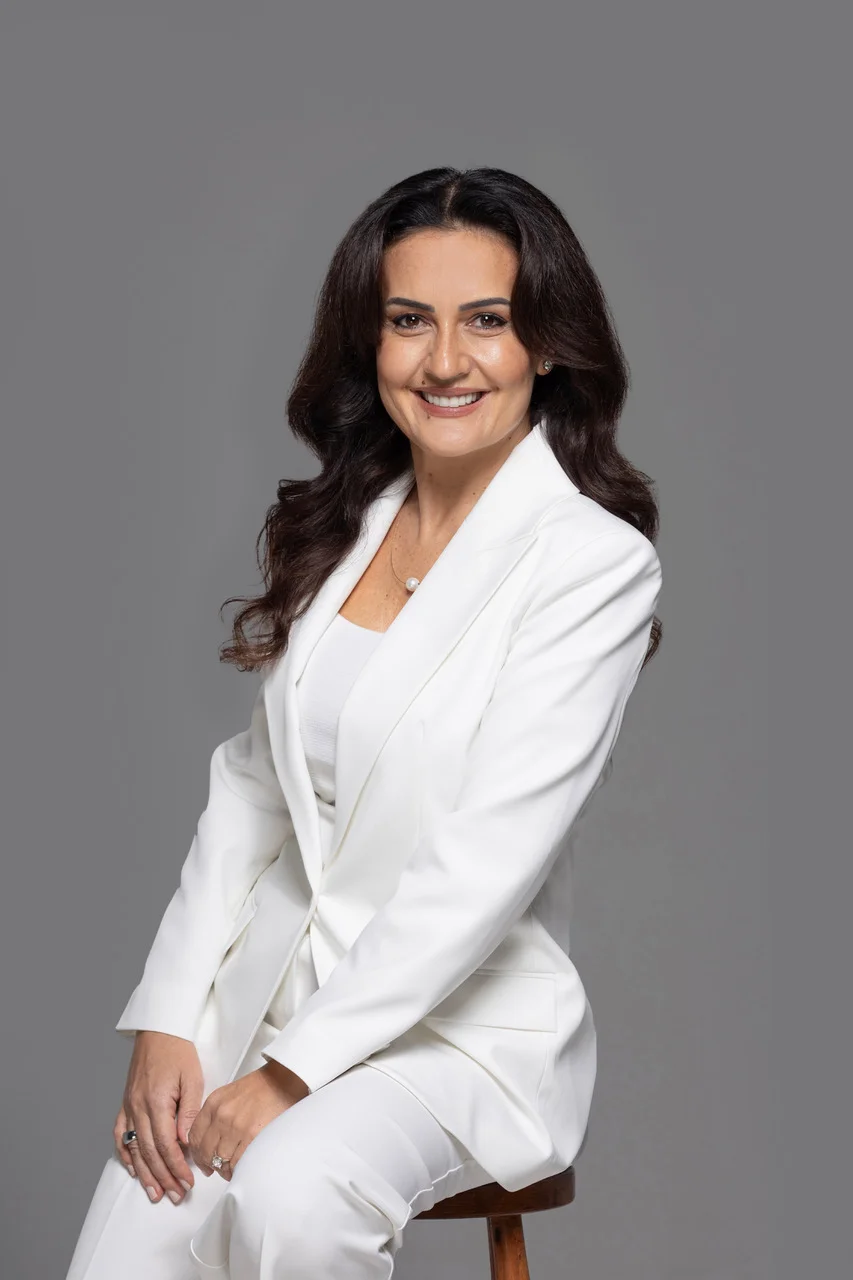
Those years placed her at the intersection of corporate strategy and multicultural markets. Working across regions from Eastern Europe to India within Coca-Cola’s Eurasia group, Gürsu gained firsthand experience navigating leadership challenges inside global organizations.
During this period, she began to recognize a recurring pattern in corporate life: success was not determined solely by expertise or technical skill, but by how effectively leaders created impact through others. That realization gradually shifted her focus from managing brands to developing people.
That experience would eventually shape the philosophy that defines her career today: leadership begins with understanding the self.
From Executive to Global Coach
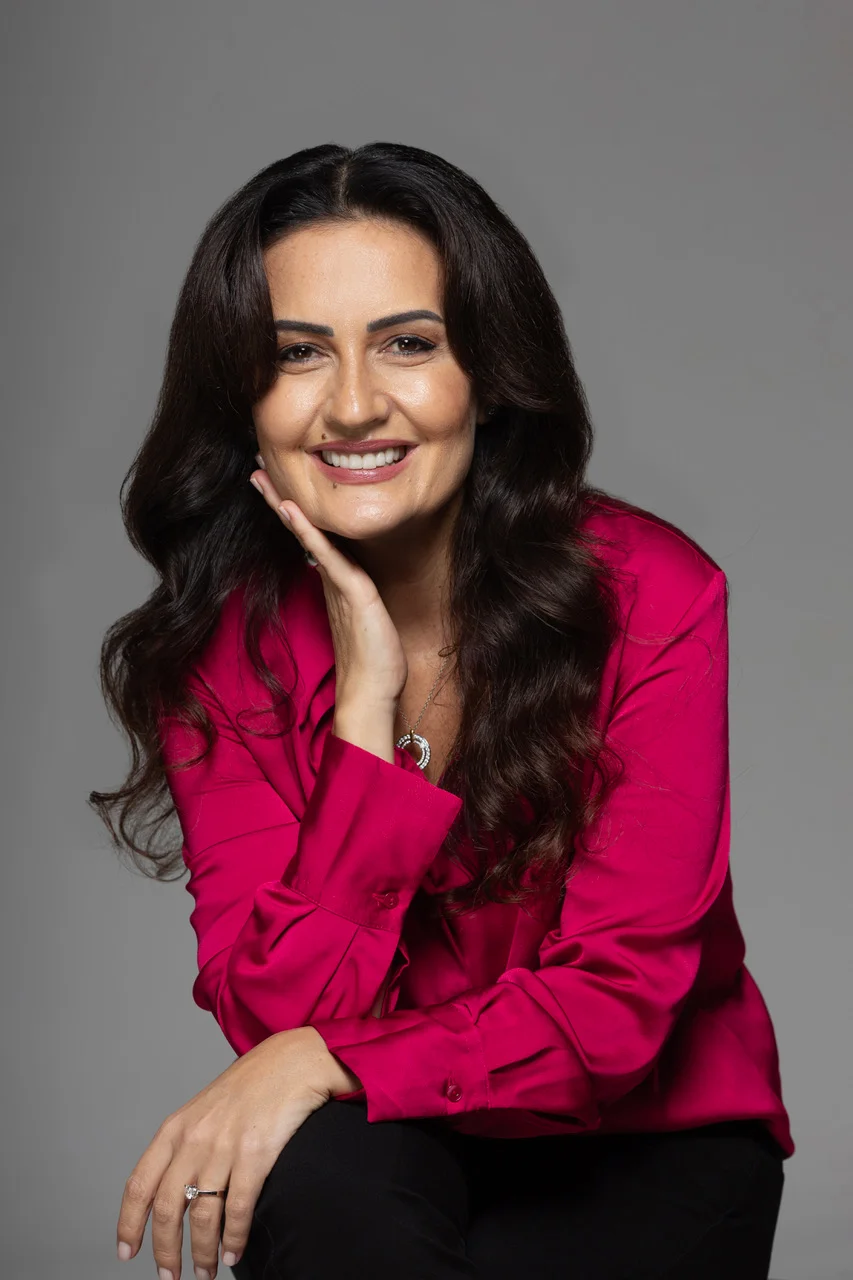
In the late 2000s, Gürsu shifted from corporate leadership to executive coaching: a transition that would propel her into an international career spanning more than 50 countries. Today, she is widely recognized as a global leadership and team coach, keynote speaker, and author who advises senior executives and leadership teams around the world.
Central to her professional credibility are two of the most respected credentials in the coaching profession. Gürsu holds the Master Certified Coach (MCC) designation and the Advanced Certified Team Coach (ACTC) credential from the International Coach Federation – an elite combination achieved by only a small number of practitioners globally.
Her coaching work spans sectors and geographies. Over the years, Gürsu has worked with executives and leadership teams at major multinational organizations, including Microsoft, Pfizer, Nestlé, Johnson & Johnson, Philips, Vodafone, Volvo, and Roche, among others.
The clients are diverse, but the challenges tend to echo across industries: how to build resilient leaders, cultivate collaboration inside complex organizations, and guide teams through constant change.
The transition from corporate leadership to coaching was also shaped by a deeply personal turning point. During her corporate career, Gürsu experienced the intense pressure many executives face and eventually suffered a physical burnout that required urgent herniated disc surgery. Forced to pause and recover, she began reflecting on what leadership truly meant to her and what kind of legacy she wanted to leave. That period of reflection reinforced her belief that leadership is not only about results, but about awareness, impact, and the ability to unlock potential in others.
A Human-Centered Leadership Philosophy
What distinguishes Gürsu’s approach is its emphasis on internal transformation rather than purely strategic performance.
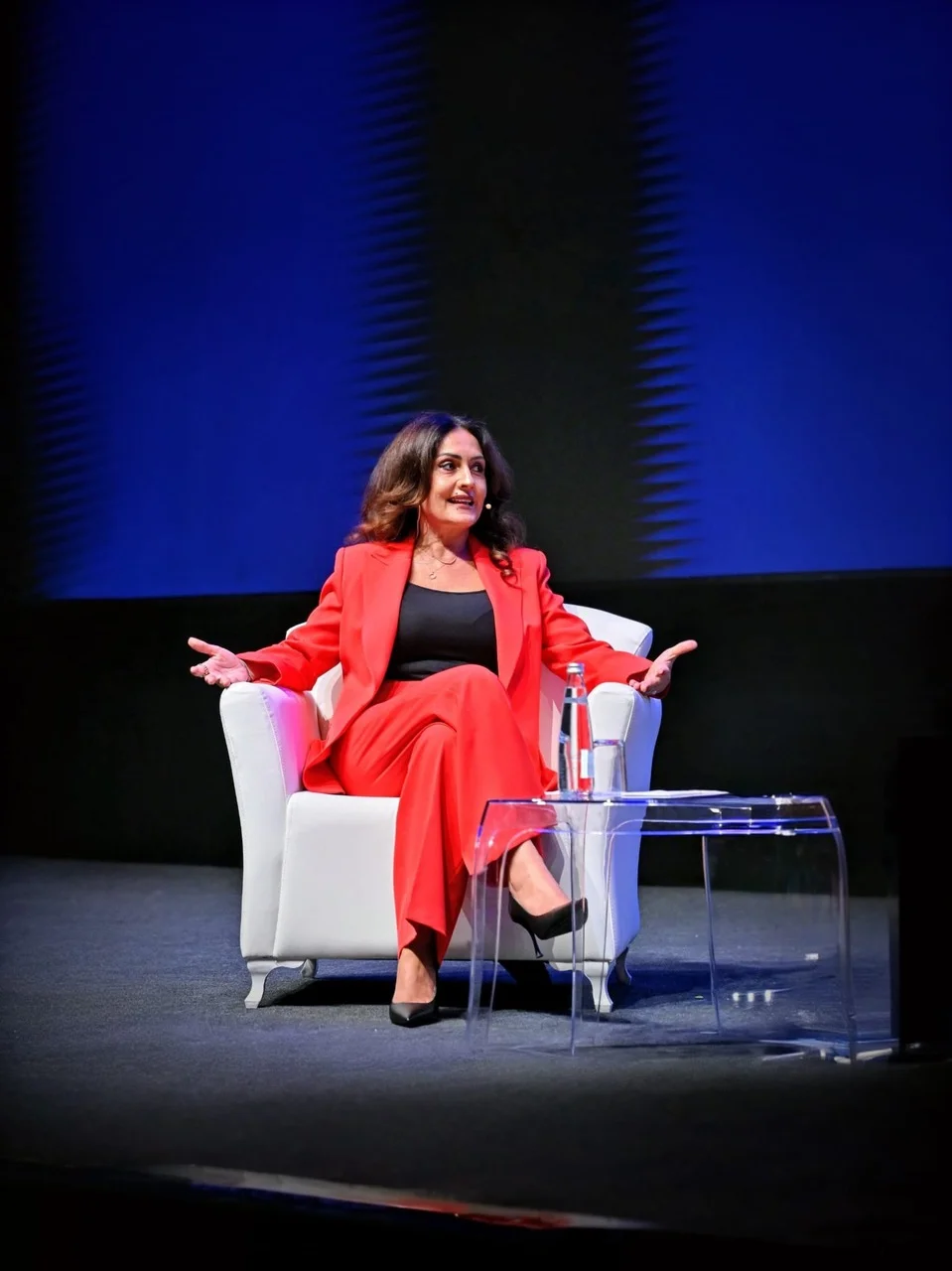
This philosophy draws from several disciplines. Gürsu combines her corporate background with studies in organizational psychology, positive psychology, systemic team coaching, and Gestalt practice.
The result is a coaching methodology that places equal importance on business outcomes and human growth. Leaders, she argues, must learn not only to manage strategy but also to cultivate authenticity, empathy, and meaningful relationships within teams.
In her view, transformational leadership today requires a shift from control to awareness. Leaders must develop emotional intelligence, the ability to grow others, and the capacity to create direction in times of uncertainty. As Gürsu often explains, leadership is no longer about managing tasks – it is about creating meaning and growth.
In practice, that often means working one-on-one with senior executives, guiding leadership teams through organizational transitions, or speaking at international conferences about the future of leadership.
A key part of her coaching work also involves helping leaders shift their identity: from being individual high performers to becoming enablers of collective success. This requires moving from doing to influencing, from controlling to trusting, and from individual achievement to team impact.
Writing the Language of Leadership
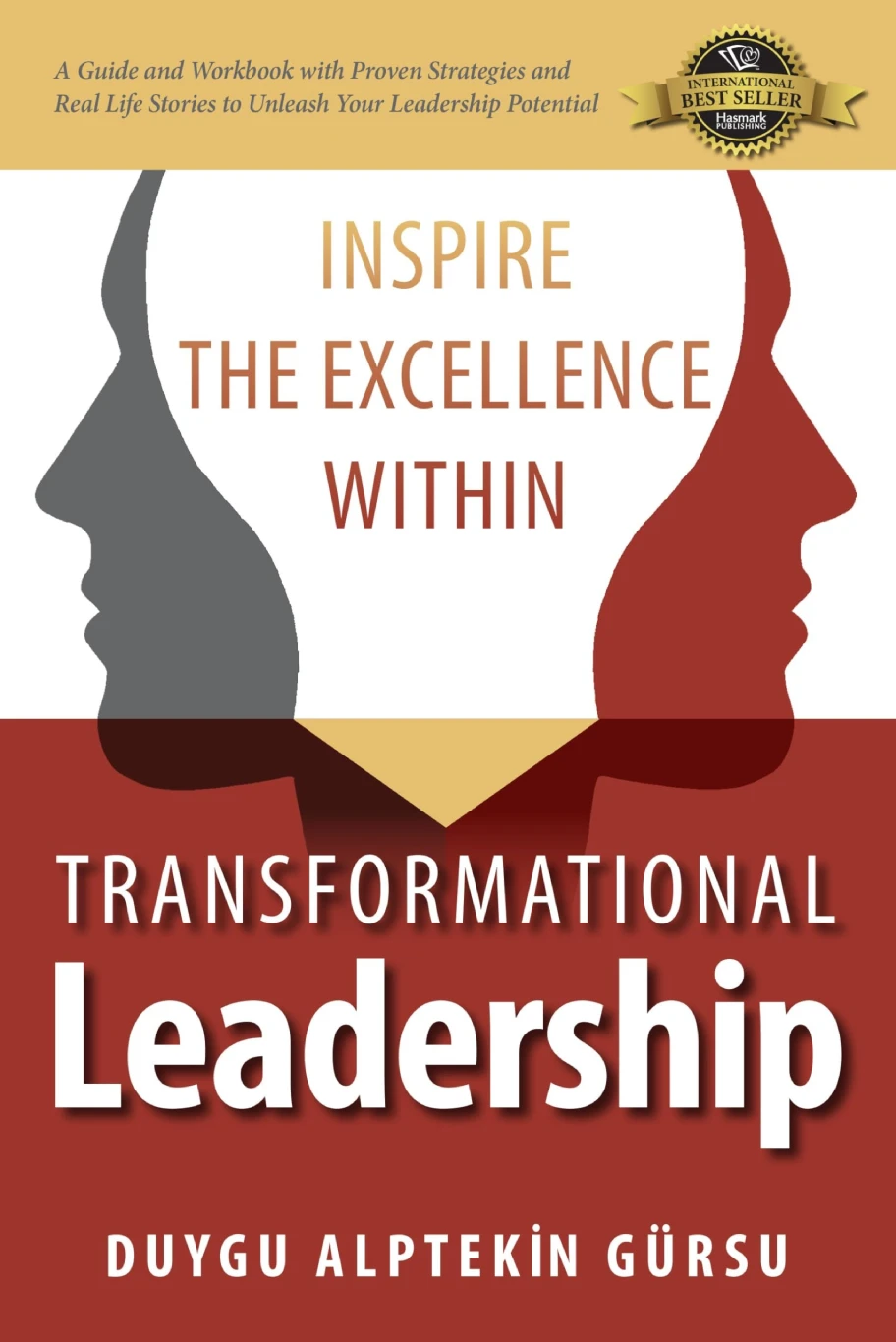
Gürsu’s ideas have also found a global audience through her books. Among them is the international bestseller “Transformational Leadership: Inspire the Excellence Within,” a work that explores how leaders can unlock potential in themselves and others.
The book was inspired by Gürsu’s own exploration of a fundamental question: what truly defines leadership. Rather than presenting leadership as a fixed model, she approaches it as a journey that begins with self-awareness, values, and mindset before expanding outward to relationships, teams, and organizations.
More recently, she has focused on a subject that has become central to global workplace discussions: gender equity in leadership.
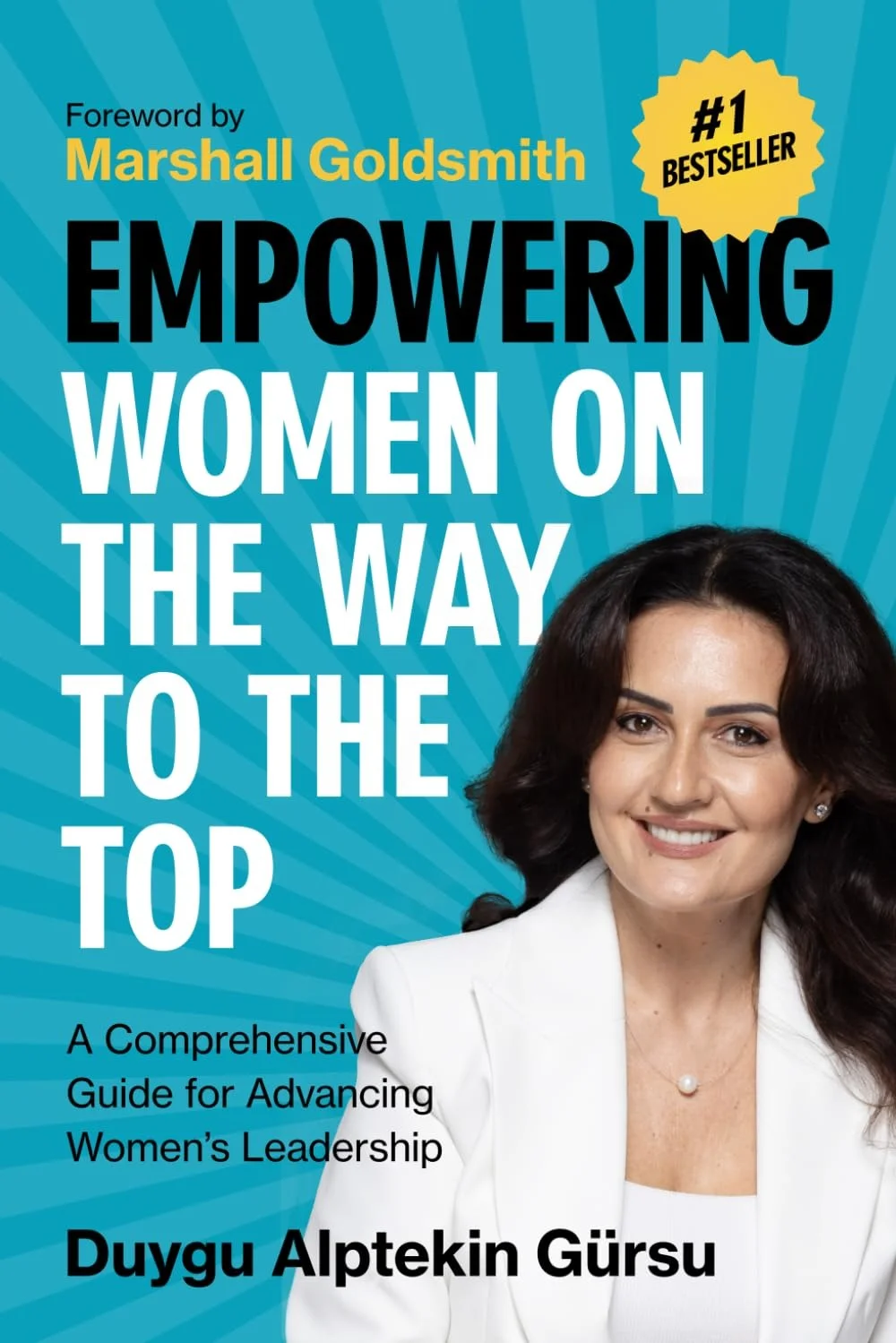
Her book “Empowering Women on the Way to the Top: A Comprehensive Guide for Advancing Women’s Leadership” examines systemic barriers that often prevent women from reaching executive positions.
Drawing on her experience coaching leaders around the world, Gürsu analyzes both structural and cultural obstacles, from workplace bias to societal expectations – while offering practical strategies for organizations seeking to create more inclusive leadership pipelines.
She emphasizes that empowering women in leadership is not only a matter of fairness but also a strategic necessity for organizations and societies seeking sustainable growth.
Global Reach, Local Insight
Despite her international profile, Gürsu’s work retains a strong connection to her home country of Turkey.
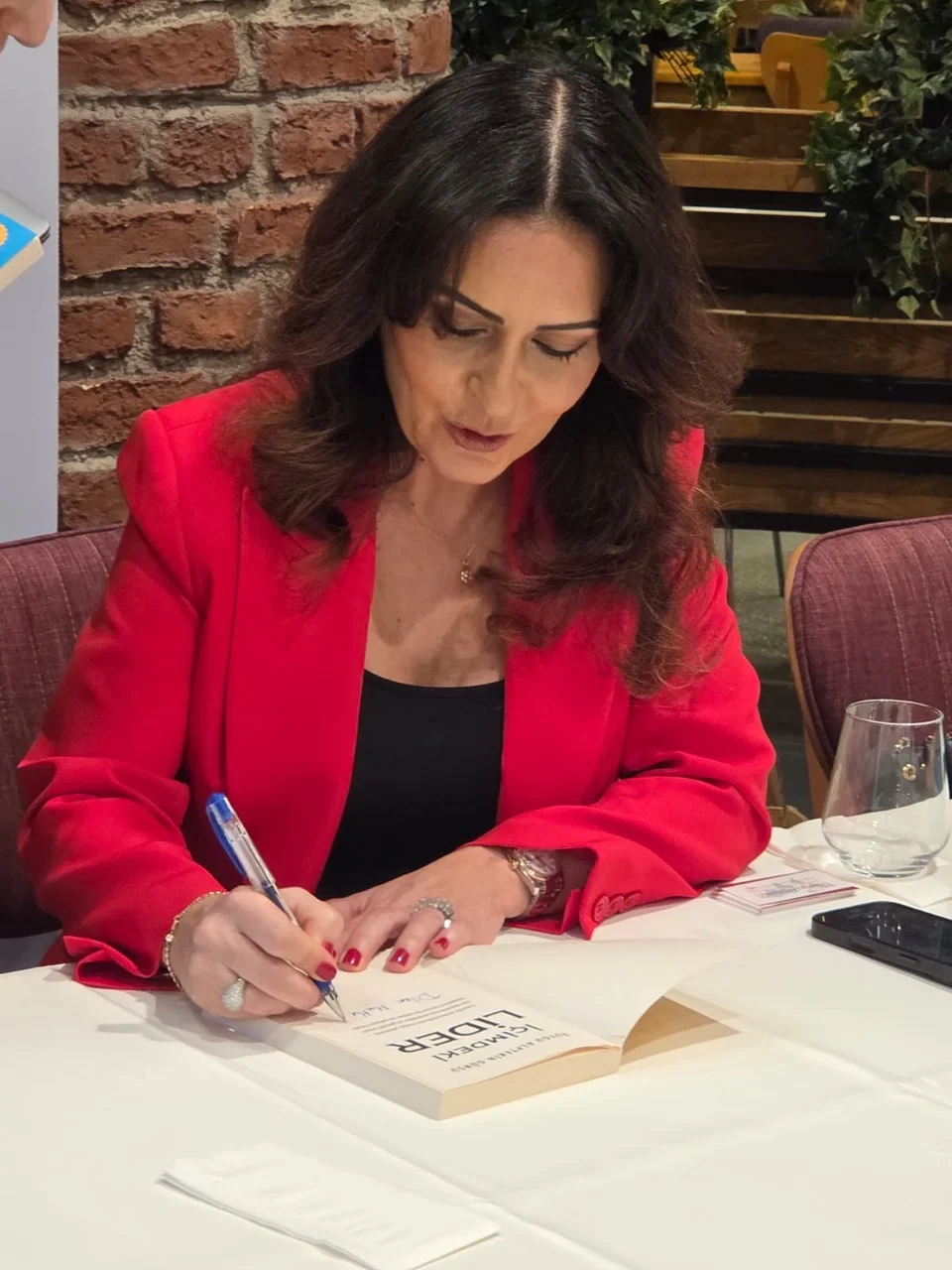
Based in Istanbul with her family, she continues to coach leaders across Europe, North America, the Middle East, and Asia.
Her collaborations include partnerships with respected leadership-development institutions such as IMD Business School and CoachSource, organizations recognized by publications like Forbes and the Financial Times for their influence in executive education.
Those partnerships have positioned Gürsu within an elite network of global coaches and educators shaping the next generation of corporate leadership.
Through her work across more than 50 countries, Gürsu has observed that while leadership styles may vary culturally; some being more hierarchical and others more collaborative, the fundamental human dynamics of leadership remain constant. Across cultures, leaders face similar challenges around authenticity, influence, and navigating complexity.
Leadership in a Changing World
The business landscape Gürsu operates in today is dramatically different from the one she entered as a marketing executive decades ago. Remote work, digital transformation, and geopolitical uncertainty have redefined how organizations operate—and how leaders must respond.
Her message to executives navigating this complexity remains consistent: leadership is less about authority and more about connection.
Executives, she argues, must develop the emotional and interpersonal skills required to build trust across cultures, inspire teams through uncertainty, and lead organizations with purpose rather than control.
Emotional intelligence plays a central role in this approach. Leaders who understand and manage their own emotions, while also recognizing the perspectives of others, are far better equipped to build trust, collaboration, and long-term performance.
It’s a philosophy that resonates in an era when traditional hierarchies are giving way to more collaborative models of leadership.
A Quiet Influence
Unlike celebrity CEOs or headline-making entrepreneurs, executive coaches often operate behind the scenes. Their influence is measured less by public visibility than by the success of the leaders they advise.
By that metric, Gürsu’s impact is substantial. Over a career that now spans more than 30 years, she has worked with hundreds of executives, helped shape leadership cultures inside multinational corporations, and contributed to ongoing conversations about diversity and inclusion in the workplace.
For Gürsu, one of the most rewarding aspects of her work is witnessing transformation: not only in performance but in how leaders see themselves, make decisions, and develop others. Sometimes, she notes, a single shift in awareness can change the entire trajectory of a leader’s impact.
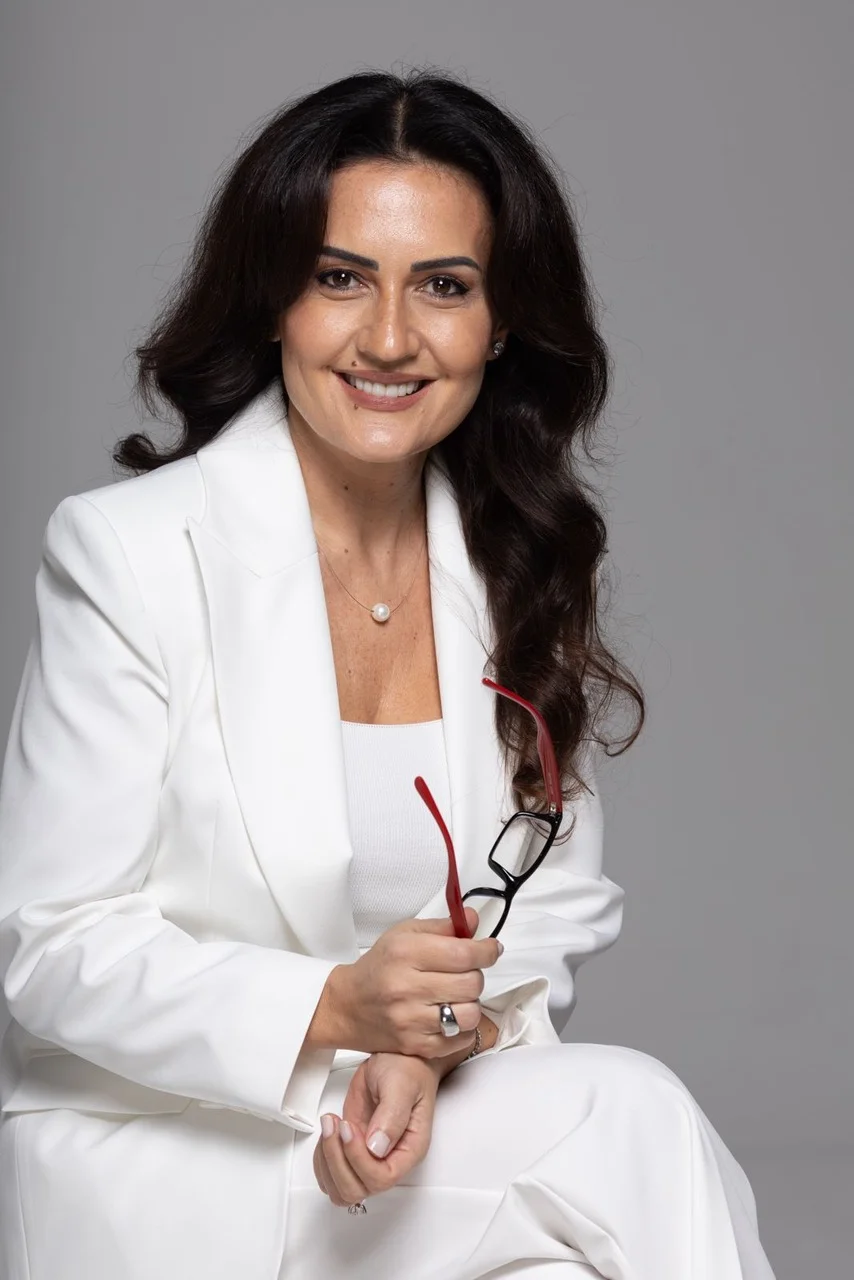
Her story illustrates a broader shift taking place across corporate culture: the recognition that effective leadership is no longer defined solely by strategy or authority, but by self-awareness, empathy, and the ability to empower others.
Her advice to future leaders reflects this philosophy: leadership should never be defined by position alone. True leadership is measured by the impact you create, the people you develop, and the systems you influence.
In that sense, Gürsu’s work reflects the evolving nature of leadership itself: an evolution that continues to unfold across boardrooms and organizations around the world.
Explore about Duygu Alptekin Gürsu more:
- Instagram: https://www.instagram.com/duygualptekingursu/
- Leadership profile: https://www.speakeragency.co.uk/speakers/duygu-alptekin-gursu
- Professional biography: https://cs.coachsource.com/duygu-alptekin-gursu/
- Article on women’s leadership work: https://ccr-mag.com/executive-coach-guides-women-to-leadership-advancement/
- Book overview: https://www.themommiesreviews.com/empowering-women-on-the-way-to-the-top-a-comprehensive-guide-for-advancing-womens-leadership-by-duygu-alptekin/