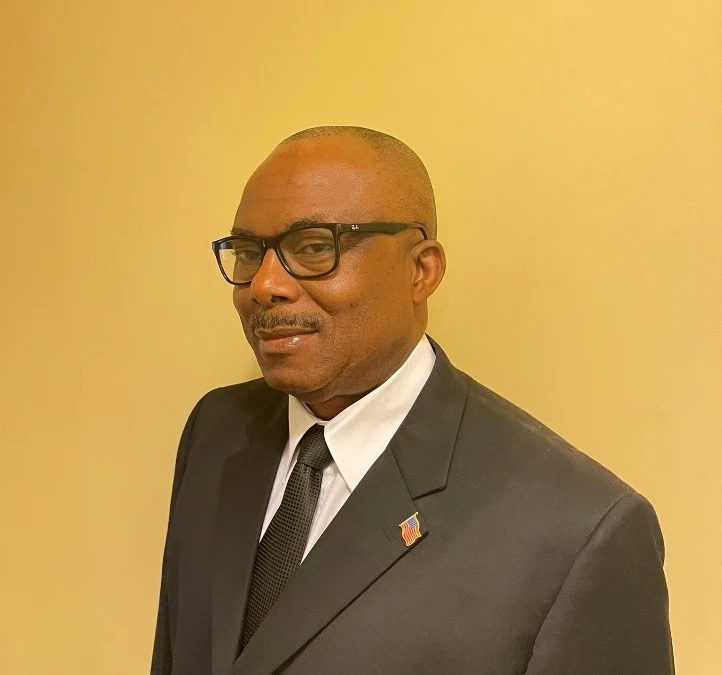
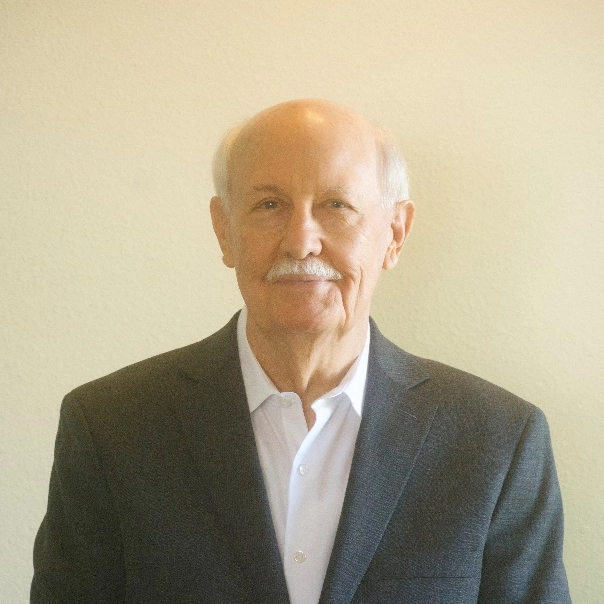
David George Toussaint has worked in a few very different roles. He served as a soldier. He taught chemistry. He has also coached people about money. He writes books too.
In every chapter, one idea shows up again. He thinks faith is not meant to stay still. It should move someone to do something.
Then, one morning at 2:30 a.m., he woke up. A story for kids had already started to form inside his head.
What came next became My Friend PATCHES: Lost and Found. It follows a lost horse. It also follows a young girl facing a hard decision. In the end, the book reflects Toussaint’s view that giving can lead to more than just taking.
At 2:30 on a Thursday morning, David George Toussaint woke up fast.
Not just half awake. Fully awake.
A story was already running in his mind.
No slow warm up. No blank page that he had to start shaping.
It felt finished, like someone had slid the whole thing into his head at once.
He was worn out, too. Sleep deprived in a real way.
Still, he thought about the usual move.
He could lie back down. He could close his eyes and hope the dream would turn into notes later.
He had done that kind of thing before.
He would catch a good idea. He would swear it was the sort of thing you cannot let slip.
Then morning would show up. He would look at the day and only find that something was gone.
He would remember the feeling of losing something, but not the words.
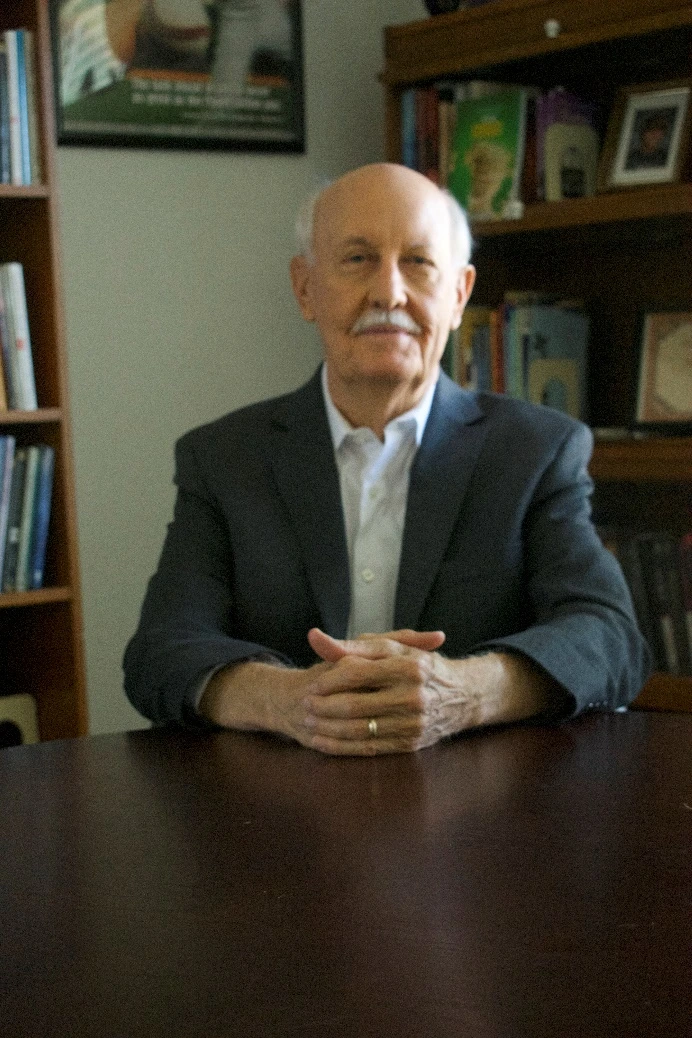
So he did not go back to sleep.
He put on his slippers and walked to his office. He flipped on the light and started writing.
About an hour later, his wife noticed he was not in bed.
She went looking for him.
Toussaint remembers the moment clearly. Her voice, her tone, the shock.
“What In The World Are You Doing????” she said.
He answered, “I have this story in my head, and I have to write it down.”
Roughly two hours after that first wake up, Toussaint says the story was done.
He also says the lines stayed close to what he wrote at the start.
That book turned into My Friend PATCHES: Lost and Found.
But the way the story arrived matters to him. It is tied to the meaning he takes from it.
He believes God gave it to him that night.
And if you want to know why he reads it that way, you have to look at what his life looked like before that morning.
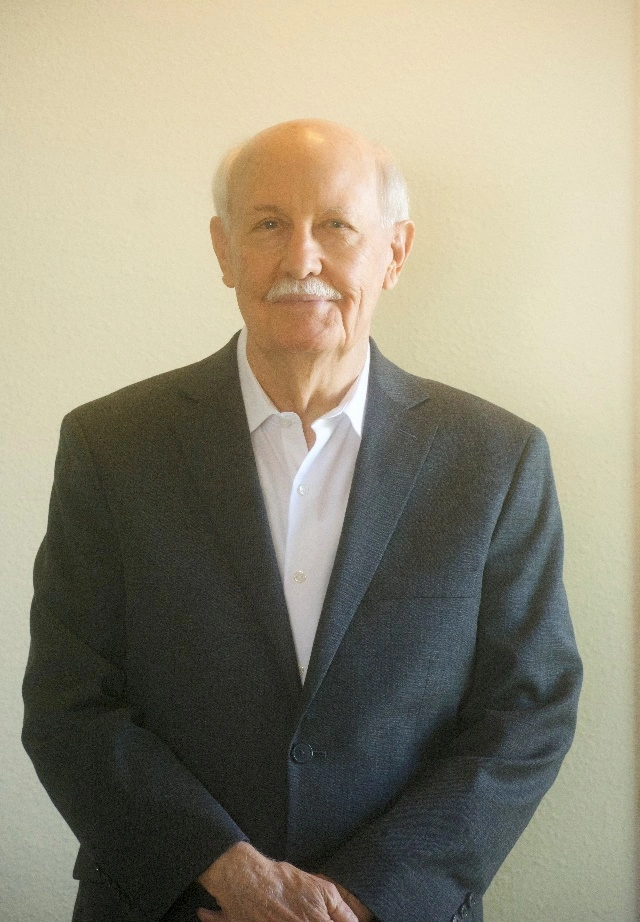
The Pastor’s Son Who Wanted His Life to Matter
Ask Toussaint what he wants people to understand about him, beyond his books, his teaching, and the work he has done. He does not open by laying out a résumé.
“I want people to see me as a man of God,” he says.
His faith started early. Still, early life was not simple.
Toussaint grew up as the son of a pastor. In his own memory, the man tried to live in a way that honored God. At the same time, he could be harsh. He could speak in ways that cut down his son.
His mother had her own worry.
Since her husband was a pastor, she told young David again and again that his actions could steer how the church was seen. That message carried a heavy weight in the house.
So yes, there was strain in that home. Yet Toussaint points to real roots too. He still values them.
Both parents held strong beliefs about God. His father knew where he fell short. He tried to change some habits, though the results were limited.
From his parents, Toussaint says he took in three ideas that never left him: trust in God, a commitment to the truth, and the belief that God had a plan for him.
His mother also gave him a skill that would matter later, when he began to write.
She taught him to read when he was five.
He threw himself into reading after that. He figures he has gone through hundreds of books over the years.
He leaned toward books where things end well.
And maybe that habit shows up in the feel of My Friend PATCHES. Trouble shows up, but trouble does not get to finish the story.
Finding Purpose Through Education
Education was part of the Toussaint household from the start.
His mom and dad both went to Asbury University. They wanted their three kids to follow that path too. His mother started teaching full time, partly to help pay for college.
Toussaint later went to Asbury as well.
Long before college, he says he already wanted his life to mean something more. He did not want to stay idle.
Teaching became one way to act on that.
Right out of college, Toussaint began teaching high school chemistry. His time in the classroom came before his military service. When he later found himself facing the likelihood of being drafted, he chose to enlist in the United States Army.
As a high school chemistry teacher, he learned that teaching is not only about sharing facts.
In his view, the first thing is caring.
“Caring for your students is the first step,” he says.
If a teacher does not care about the students in front of them, he believes those students will struggle to care about the lesson at all.
Next, he adds enthusiasm.
When a teacher shows real excitement, it helps students feel that the topic matters.
Later, when he started writing for children, he formed another rule that helped him keep the work clear.
“Everything always needs to be taught in simple steps.”
You can see that approach in My Friend PATCHES.
The story has a moral, but the way it is built stays easy to follow.
A horse gets lost.
Someone finds her.
Then the young girl who loves the horse has to decide what matters more. Is it better to get back what she wants, or to notice what someone else needs?
He keeps the message close to real life, without extra layers.
Lessons From the Army
After beginning his career as a high school chemistry teacher, Toussaint learned that he was likely to be drafted. Rather than wait for the draft, he enlisted in the United States Army.
Even the physical check before he entered felt like a fork in the road.
Toussaint had dealt with back trouble for a long time. During the exam, a doctor noticed it and asked if he was hurting.
If he had said yes, he thinks he may have been turned away.
He chose the other answer. He said he usually was not in pain.
He passed.
After that, Army life taught him discipline, leadership, and how to rely on friends. He also learned why it matters to follow directions.
That point stayed with him.
When he was growing up, his father was strict and controlling in a way that made Toussaint push back. The Army gave him a new look at the gap between force for its own sake and orders meant to help.
There were also good surprises.
Toussaint liked motorcycles, though his father thought they were a waste of time. Once he was away from home, he and his friend John bought motorcycles of their own.
On weekends, they sometimes loaded sleeping bags and rode around Texas. They would take detours just to see where they ended up.
One trip brought them near the Gulf. They slept close to the water.
About four in the morning, Toussaint remembers a sudden rise in the water. It moved fast and lifted their air mattresses and sleeping bags, carrying them a few yards.
When they woke, they were soaked.
The bigger scare happened later.
After a four hour ride back to their post, with hardly any rest, Toussaint fell asleep while driving his motorcycle.
John noticed him slipping toward the road’s edge.
Toussaint says he hit a stick or something similar right before he would have gone off the roadway. The hit snapped him awake. He got control back in time and avoided crashing into rocks below.
Toussaint feels God placed that object there.
To someone else, it could have been luck.
For Toussaint, it became another moment in a life shaped by the idea that he was being kept safe for a reason.
From Chemistry to Money
Toussaint first felt pulled to teach in a traditional way, in the classroom.
Later, that drive took him somewhere else.
One Sunday at church, he spotted a note about a group that focused on handling money in line with biblical teaching.
At first, he did not buy into it.
He kept thinking, what could Scripture really say about spending and saving?
Still, curiosity won.
He went.
After that, his work shifted in a clear direction.
Toussaint started reading and studying what the Bible teaches about finances.
Soon he was also guiding and coaching people who were dealing with money trouble.
For him, managing money was not mostly about building a bigger bank balance.
The most important lesson he tried to convey was that people need a plan. As Toussaint puts it, the world already has a plan for your money, and that plan is to take it from you. That means people need a financial plan of their own, one designed to serve them and their families better than the world’s plan does.
Stewardship, self-control, knowledge, and careful choices all matter, but a plan gives those principles direction.
He also saw something else.
When someone is struggling financially, they often do not need extra criticism.
What they need most is kindness and understanding.
They need to know that someone genuinely cares about them and has their best interests at heart. Toussaint takes that commitment seriously. He and those who work with him do not charge people for their financial services. For him, financial guidance is not simply about giving someone information. It is about helping that person move forward with a plan while knowing the person beside them truly wants them to succeed.
That belief later showed up in a new form in My Friend PATCHES.
At a glance, teaching chemistry, teaching financial ideas, and writing a children’s book seem disconnected.
Toussaint does not see it that way.
The link is simple.
Learn something useful.
Make it easier to understand.
Share it with others.
When the Pandemic Opened a Door
For years, Toussaint had gone back and forth about writing, almost like it was something he would do later.
He had plenty of stories, but his days kept filling up.
When COVID arrived, everything felt different fast.
Appointments vanished.
The places he used to go were not there anymore.
It seemed like the whole world got quieter and slower.
Toussaint looked at what he had saved in his mind over about thirty years. He started to think he should put at least some of it on paper.
He began with a book for adults. Written during COVID, it was originally titled Troubled Finances: There Is Hope and was later retitled When Money Gets Personal. The book allowed him to put years of financial teaching into a form that could reach people beyond those he had personally coached.
Then came the unexpected 2:30 a.m. gift that became My Friend PATCHES. Toussaint believes God gave him the story that morning, and its arrival moved his writing in a direction he had not planned.
His next book grew from another realization. While working at his booth during homeschool conventions, Toussaint noticed something was missing. He had written for adults and for children, but there was a gap for teenagers and young adults. He decided to fill it himself, writing KEEP THE CHANGE specifically for that audience.
He later returned to When Money Gets Personal and edited its lessons into a weekly study called When Money Gets Personal: A Weekly Study.
Most recently, about a year ago, he wrote GIVE SAVE SPEND GOD’S WAY, a book designed for children ages four through seven. What began with an adult book about finances gradually developed into a collection of books that could speak to readers at different stages of life.
The audiences may change, but the teaching instinct remains much the same.
Make the lesson clear.
Give people something useful.
Help them carry it into their own lives.
Publishing gave him a new kind of reach. He could share his ideas with people he could not meet in a classroom, church, convention booth, or financial conversation.
Review: The Choice at the Heart of My Friend PATCHES
The setup for My Friend PATCHES: Lost and Found is meant to be simple.
A farmer turns up a lost horse.
The horse is tied to a young girl, Gracie.
Of course, she wants her horse back.
But as the days pass, the tale pushes Gracie to think past her own wish. She starts to notice what someone else may need.
For Toussaint, that shift is the core.
He thinks selfish habits can show up early in life. A child learns quick lessons about holding on:
Mine.
I want it.
Hand it over.
In Toussaint’s eyes, growing older means stretching past that first urge. It means letting another person’s well being sit next to your own.
You can see this in Gracie.
She starts with the easy pull to get back what she loves.
Then, with help from her parents, she learns to consider another way.
Maybe keeping what she wants is not the only outcome that matters.
Maybe giving can be more important than taking.
So My Friend PATCHES is not only about who owns something. It is also about how to be generous.
The Horse and the Lesson
Toussaint insists he did not sit and plan “Patches” as a neat symbol for some bigger idea.
He says the horse was just part of a story that showed up for him that morning.
That difference matters. He does not frame Patches as a lesson about writing skills.
Instead, he treats it like a duty.
In his view, God gave him both the story and the main point inside it.
For Toussaint, that main point comes from the Bible: “it is more blessed to give than to receive.”
He does not mean generosity only in terms of giving away things you own.
He also means giving that helps people stay close, brings a steadier joy, and pushes back on a culture that keeps urging people to get more.
This message is what gives My Friend PATCHES its clear aim.
The trouble in the story is plain enough for young readers.
Still, there is a question beneath it that does not end when childhood does.
What happens when what I want clashes with what another person truly needs? What should I do then?
The book does not ask kids to study theology in miniature form.
It offers them Gracie.
It offers them Patches.
And it offers them a decision they can make sense of.
A Story Meant to Be Discussed
Toussaint does not want the reading time to end just because the last page is done.
He wants parents and other grownups to talk with children about what they read.
Why did Gracie choose what she did?
Have you ever given something up so someone else could have it?
How did that choice affect you?
When has someone been kind to you?
For a man who taught for years, this kind of talk sounds like something he has seen before.
In his classroom, discussion mattered all the time. He noticed that asking questions helped students think deeper. It also helped them reach their own understanding, instead of getting a ready answer.
Now he hopes adults will do the same thing with Patches.
“Stories help things move forward,” he says.
A Teacher, Still
Some folks try to sort David George Toussaint’s life into tidy boxes.
Teacher.
Soldier.
Financial coach.
Writer.
He does not look at it like that.
To him, it is one ongoing line. It keeps coming back.
His professional journey began in the classroom, teaching high school chemistry right out of college. When the possibility of being drafted became real, he enlisted in the Army, where he learned discipline and the importance of finishing what he started.
In a classroom, he taught students and worked on how to speak so people could really hear him. He learned to guide with steadiness.
In financial ministry, he found a subject he felt he had to study and share.
There, one lesson became especially important: people need a plan. They need to understand what they are doing with their money and why, but they also need to know that the person helping them genuinely cares about their future.
Later, writing gave that same desire to teach more room. It helped his lessons reach farther than a single classroom or conversation.
With My Friend PATCHES, kids can step into that same space.
Each chapter grows from the same drive. Learn. Adjust. Share what works.
Teaching still gives him a sense of joy.
He keeps teaching biblical financial ideas. He thinks facts matter most when they help someone in real life.
That belief also shaped his books.
He does hope people pick up My Friend PATCHES. He wants it to reach many readers, the same way most authors do.
He even wonders what it could look like on screen one day.
Still, the real question is not what adults think.
It is what a child should take with them after the last page.
Toussaint does not ask kids to remember him.
He wants them to hold onto the story.
He wants them to keep the lesson that sits inside it.
Because his Christian faith guides how he sees life, he also wants the book to help kids and the grownups reading with them get closer to God.
That aim brings him back to where it began.
He grew up as a pastor’s son. Purpose was there early, even if he did not talk about it all the time.
Right out of college, he taught high school chemistry. Then came his decision to enlist in the Army when he was facing the draft.
As a teacher, he learned that caring comes first, before any lesson plan.
As a financial coach, he learned that people need more than answers. They need a plan, and they need to know that someone genuinely has their best interests at heart.
And when he became a writer, he felt he had to protect what mattered to him.
At 2:30 a.m., when most people were asleep, David George Toussaint got out of bed.
He walked down the hall.
He switched on the light.
Then he sat down to write about a girl, a farmer, and a lost horse named Patches.
The book invites a child to wonder about something adults often chase for years.
Sometimes the best gift we can receive is the chance to give.
Explore David George Toussaint and My Friend PATCHES
My Friend PATCHES: Lost and Found on Amazon
https://a.co/d/03FUkegn
Author Highlight from Explora Books
https://www.youtube.com/shorts/NYX3-FFN6Bo
Official Lyric Video for My Friend PATCHES: Lost and Found
https://www.youtube.com/watch?v=Qe3Kg7QW8yE
David George Toussaint on Spotify
https://open.spotify.com/episode/4sI0pXuu35g1haovVTqPRb
My Friend PATCHES at Magers & Quinn Booksellers
https://www.magersandquinn.com/product/Patches,-My-Friend-Lost-and-Found/26913797