
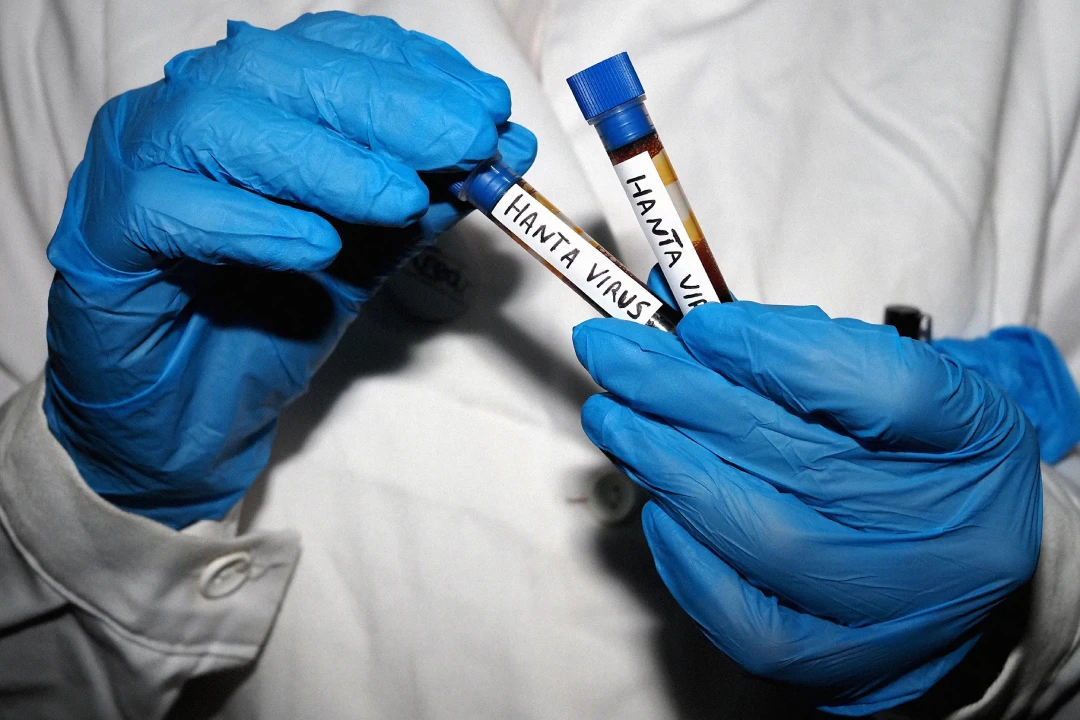
For many Americans, the word “hantavirus” sounds unfamiliar – until headlines suddenly make it impossible to ignore. The rare but potentially deadly virus periodically resurfaces in news reports, often tied to rural areas, rodent exposure, or isolated outbreaks that leave communities searching for answers. And because infections are uncommon, confusion tends to spread almost as quickly as concern itself.
Health experts say hantavirus is not a new threat, but it deserves careful attention. The virus belongs to a family of pathogens primarily carried by rodents, particularly deer mice in North America. Humans can become infected after breathing in particles contaminated by rodent urine, droppings, or saliva, especially in enclosed or poorly ventilated spaces like cabins, sheds, garages, barns, or storage units.
Unlike highly contagious respiratory illnesses such as influenza or COVID-19, hantavirus does not typically spread from person to person in the United States. Instead, exposure is usually environmental, which is one reason cases remain relatively rare. Yet despite its low infection numbers, the disease carries a serious reputation because of its high mortality rate once severe symptoms develop.
According to infectious disease specialists, one of the biggest challenges with hantavirus is that its earliest symptoms often resemble common viral illnesses. Patients may initially experience fever, fatigue, headaches, muscle aches, nausea, vomiting, or dizziness. In many cases, those symptoms appear several weeks after exposure, making it difficult for patients to immediately connect their illness to rodent contact.
What makes the virus particularly dangerous is how quickly it can escalate. As the disease progresses, some patients develop severe respiratory distress caused by fluid accumulation in the lungs – a condition known as Hantavirus Pulmonary Syndrome (HPS). Breathing can become difficult within hours, and hospitalization is often required.
Medical experts emphasize that early recognition is critical. Anyone experiencing flu-like symptoms after cleaning rodent-infested areas or spending time in enclosed rural environments should seek medical attention immediately and mention possible rodent exposure. Because the illness is uncommon, diagnosis can sometimes be delayed if the exposure history is not clearly discussed.
There is currently no specific antiviral cure approved for hantavirus infection in most cases. Treatment primarily focuses on supportive care, including oxygen therapy, intensive monitoring, and management of respiratory complications. Survival rates improve significantly when patients receive prompt medical intervention early in the disease’s progression.
Public health officials consistently stress prevention as the most effective defense. Experts recommend avoiding direct contact with rodents and taking precautions when cleaning potentially contaminated spaces. Sweeping or vacuuming rodent droppings can release infectious particles into the air, so professionals advise ventilating enclosed spaces first and using disinfectants and protective gloves instead.
Rural homeowners, campers, hikers, and people reopening seasonal cabins are often considered at higher risk due to greater likelihood of rodent exposure. However, health authorities note that hantavirus infections remain rare overall, and most people will never encounter the disease directly.
The rarity of the virus can create a strange tension between awareness and alarm. Infectious disease experts caution against panic while still encouraging practical education. Unlike rapidly spreading pandemics, hantavirus does not represent a widespread public health emergency, but isolated cases can become severe enough to draw national attention.
The growing public interest in hantavirus also reflects broader changes in how society processes health risks. In the years following the COVID-19 pandemic, many people have become more attentive to emerging infectious diseases, environmental exposure risks, and public health guidance. Diseases once considered obscure now receive immediate online scrutiny, often accompanied by waves of misinformation and anxiety.
Medical professionals say accurate education matters more than fear. Understanding how hantavirus spreads, and how it does not spread, can help reduce unnecessary panic while encouraging appropriate caution.
In the end, hantavirus remains what it has long been: a rare but serious disease best managed through awareness, prevention, and early medical attention. And for infectious disease experts, the message is consistent—knowledge, not fear, remains the most powerful tool in protecting public health.