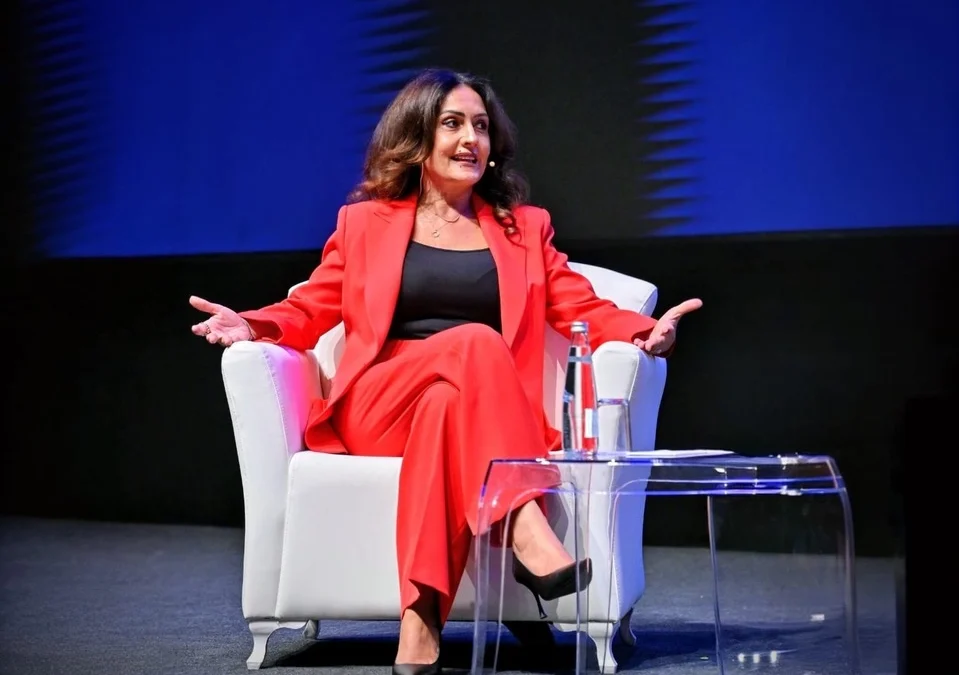

There cannot be many voices more sincere about integrating movement and methodology with scientific inquiry than Maria Haralambis, M.Ed., NASM CES, FMT, Ph.D.(C), whose stage name is The Dance Scientist in the social-media sphere. Blending her insights from classical ballet with contemporary pedagogical ideas and cognitive science, she offers a fresh viewpoint to dancers and dance educators on the classical issues of training, performance, and the management of injuries.
Haralambis’ trajectory is a study in dual mastery. A former pre-professional ballet student whose initial dance presentations received major acclaim in DanceLife Magazine and DanceLife Magazine, she now balances educating, researching, and digital content creation.
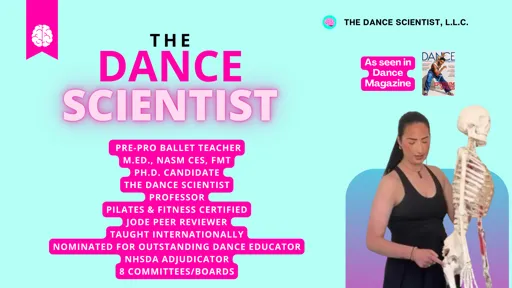
Her academic credentials are equally impressive: she has earned eight board certifications at the professional level: A Bachelor of Science in Dance, a Master’s in Education in Kinesiology, and is now a candidate for the Doctor of Philosophy, applying the discipline of scientific inquiry into dance classrooms.
Her research focuses on how dancers improve learning via evidence-based strategies integrating from neuroscience, biomechanics, and kinesiology; hence, in her view, the approach sits parallel to artistry, enriching the intellectual processes of dancers as they come to understand their bodies, movements, and cognitive perception.
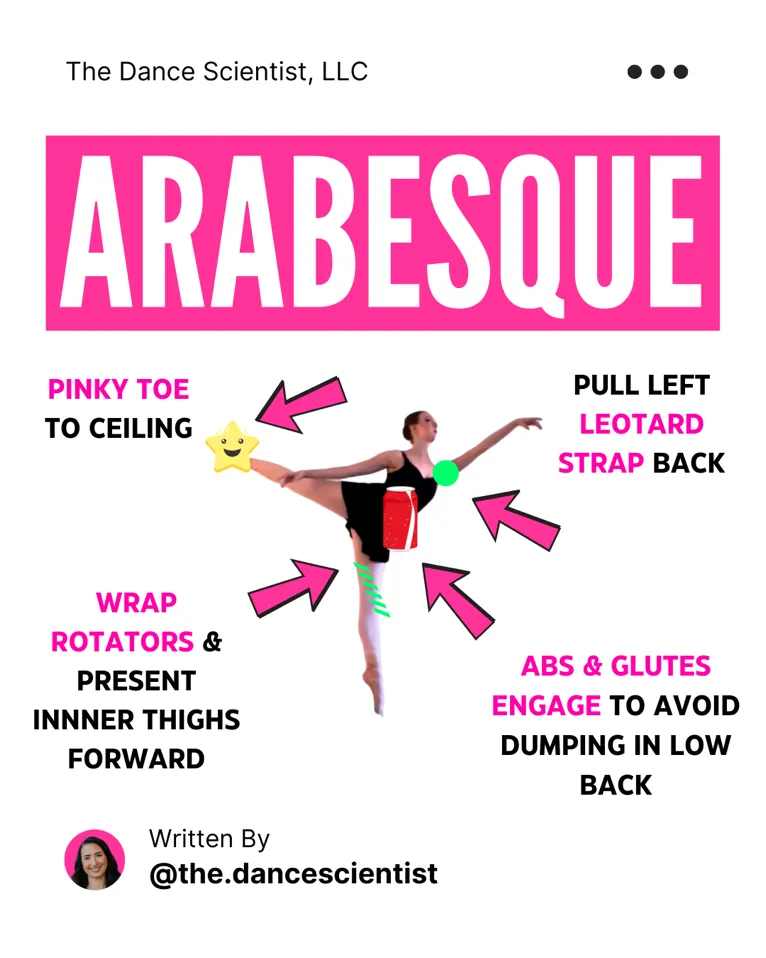
Putting it another way, Haralambis’ philosophy could be summed up in the phrase “CUE MORE CLEARLY,” referring to her encouragement of clear verbal and physical communication to promote greater motor learning in dancers and retention of performance. For example, such an approach may entail breaking down pirouettes into biomechanical constituents; or using scientific cues to alter ingrained postural habits.
Through workshops, lectures, and online tutorials, Haralambis shows how dancers and instructors can benefit from synthesizing science with traditional skills. Over her 13 years of teaching, she’s attended and presented at international conferences. And has taught workshops all over the world!
“The body responds to cues in ways that are measurable and predictable,” she writes in her free e-book available at beacons.ai/thedancescientist. “Awareness of this allows both student and teacher to work for better results, while at the same time reducing risk.“
Digital Presence and Outreach
Her reach went far beyond the studio. On Instagram, @the.dancescientist features visual demos, bits of research, and methodology tips, whereas her Threads profile speaks a more conversational language about pedagogy, science, and dance culture.
Haralambis for her audience on Facebook for her longer musings on research, practical teacher guidance, and announcements of workshops to follow. The aim remains, on all platforms: better-informed, more intentional dance education, and making it more accessible to the budding movers.
Pilates, Neuroscience, and Multidisciplinary Training
More than classical dance training, Haralambis also uses Pilates to make her method of training highlight core strength and proprioceptive development for performance survival. It is often stressed by her that looking at a neurological basis for movement is really not something just theoretical to talk about, but a means to get a higher level of performance.
The work of Haralambis has drawn interest not only from dancers but also from educators and clinicians specializing in motor learning, somatic practice, and performance science. In her research-based approach, keeping interest in dance and its aesthetic element unfathomed, she challenges the mindset that considers science and art as two separate entities.
Empowering Teachers and Students
Developed for educators, Haralambis’ materials and digital tutorials give teachers a framework to foster more effective teaching. She holds her pedagogical principles to the rigors of science, thus allowing a teacher to render support in the physical, cognitive, and emotional development of the student, who would otherwise not have that value.
The student gains empowerment from this work. Knowing the science of their own body affords dancers the resolution to imbue their challenge-either mastering a technical skill or deepening one’s anatomical awareness.
The Road Ahead
As dance continues to change in this digitalized world, Maria can be held up to exemplify multi-disciplinary thinking. Her synthesis of neuroscience, pedagogy, and classical training gives the clue to the future of dance education – where tradition meets innovation and artistry is enriched by knowledge. Haralambis has an online store that has raving reviews from educators all around the world. Over 100 resources at the touch of a button – Coloring Pages, Anatomy Posters, Etiquette Posters, Games, Warm-Up Cards, Lessons, Assignments, Awards, Ballet Vocab Cards & more!
For dancers, teachers, and all those who want to delve into this interface of science and movement, Haralambis’ work is a roadmap to follow. Resources can be found all over the web:
Instagram: @the.dancescientist
Threads: the.dancescientist
Facebook: Maria Dance Scientist
Free e-book: beacons.ai/thedancescientist
With a combination of discipline, creativity, and research-based insights, Maria Haralambis continues to reshape how dance is taught, learned, and understood – one cue at a time.