Los Angeles, CA — In a record deal for North American sport, the Buss family is selling its controlling interest in the Los Angeles Lakers to billionaire investor Mark Walter at a record valuation of $10 billion, ESPN’s Shams Charania reports.
The transaction is the highest sale ever of a U.S. professional sports team, surpassing the recent sales of the Boston Celtics ($6.1 billion) and Dallas Mavericks ($3.5 billion).
Since buying the franchise in 1979 for $67.5 million, Dr. Jerry Buss brought in the Lakers’ legendary “Showtime” era and led the team to 10 NBA championships during the 1980s and ’90s.
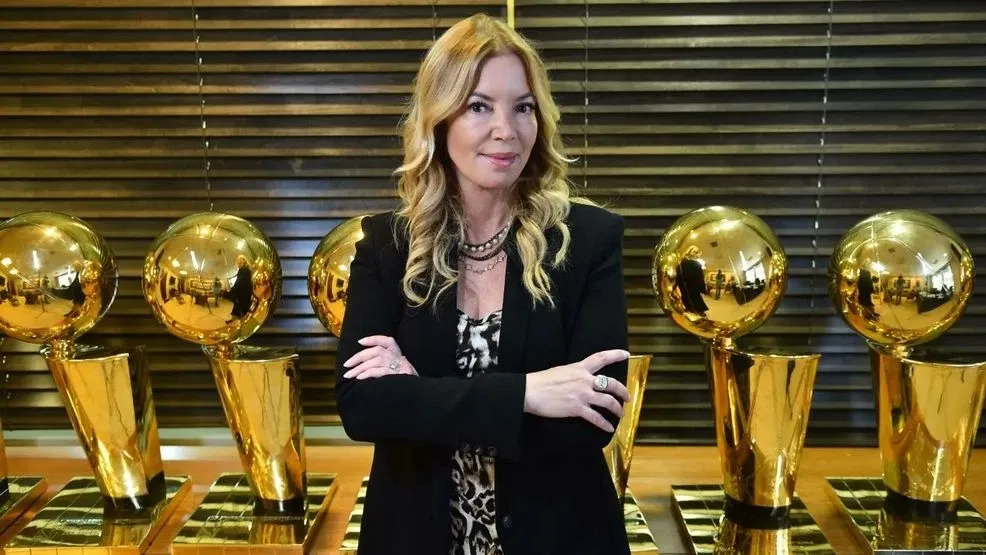
After his death in 2013, the shares went equally to his six children through a family trust. Jeanie Buss inherited controlling ownership and governorship – a position she has held ever since, guiding the Lakers to their 2020 NBA championship.
Notwithstanding internal conflicts, reports say the sale was majority-vote approved but not unanimously supported by all siblings, the family eventually agreed that the time had arrived to pass the franchise’s stewardship on to the next generation.
Mark Walter’s Winning Credentials
Mark Walter, TWG Global’s CEO, has no shortage of experience as a significant owner in sports. Already the top owner of MLB’s Los Angeles Dodgers—two World Series titles (2020, 2024) under his leadership, and the WNBA’s Los Angeles Sparks, Walter’s record is one that speaks clearly.
His track record features heavy investments in personnel and facilities; the Dodgers, under Walter’s stewardship, have had one of baseball’s richest payrolls and landed big TV contracts. Bringing the Lakers on board solidly establishes him as the top player in L.A. sports.
Even though the controlling stake is changing hands, Jeanie Buss will continue to be the Lakers’ governor, a minority share being held by the family for a period indefinite at this point. NBA regulation requires that a minimum of a 15% minority holding belong to the outgoing owner; it will be accomplished. She did not sound uncertain in letting Walter take over the reins, ushering in continuity of operations and guaranteeing the Lakers’ championship-oriented culture.
Magic Johnson – 28 years of Lakers identification, now a co-owner of the Dodgers with Walter – spoke out in strong favor: “Laker fans should be thrilled… He is motivated by winning, greatness, and doing everything the right way,” Johnson wrote on X.
At $10 billion, this sale breaks prior valuation benchmarks, resetting standards in franchise sports. The deal surpasses the Celtics’ and Mavericks’ sales this year, reinforcing the Lakers’ unrivaled international brand value.
To the Buss family, it’s a generational transition. Once yielding $10 million a year in profits shared among six siblings, the sale brings an infusion potentially worth hundreds of millions per family member.
The four-member Buss family trust that Jerry created in 1996 needs a minimum of four of six siblings to agree to any sale. The boardroom once saw rifts—most prominently between Jeanie and brothers Jim and Johnny—but all then answered under trustmandates.
Jeanie, Jonnie and Janie are the co-trustees, holding back Jerry’s succession plan that named her as controlling owner forever, subject to family-sourced ownership.
Walter’s arrival promises the Lakers’ future competitiveness. With support from a deep-pocketed sports owner famous for significant investments, the franchise could have strategic advantage in areas like facility improvements, cutting-edge analytics, and signing players.
Basketball superstars LeBron James and Luka Dončić are said to be upbeat about Walter’s strategy, hinting that the new era could restore Los Angeles as a destination of choice for top-level talent.
This deal highlights rising franchise worth throughout U.S. sports: the growth fueled by international media rights, branding potential, and wide-ranging fanbases. The Lakers’ sale represents this trend even in the context of NBA expansion talks and changing ownership patterns.
With Walter’s multi-team ownership, analysts foresee potential collaboration dividends such as cross-promotion and pooled resources, though some alarm might be raised about centralized sports ownership.
From the glory days of Showtime to the contemporary NBA, the Lakers have been a bedrock of basketball heritage. The relocation to Walter keeps brand stewardship in cognizant hands, specifically, those whose hearts and souls are heavily invested in Los Angeles sports.
Jerry Buss notoriously turned down a billion-dollar deal in 2003, so much did he love his team. The new agreement, binding the family to the fortunes of the team, does justice to that history while adapting to today’s realities.
The Buss family’s move to sell the Lakers for $10 billion, while maintaining legacy stewardship – represents a strategic shift in professional sports ownership into a new era. For fanbases, it represents a daring future: a legacy franchise infused with new investment, yet steered by familiar direction. With Mark Walter at the forefront, the basketball world will monitor closely how his stewardship frames the Lakers’ next championship push.