
If Dr. Asad A.A. Bakir looks back onto his journey from the crowded streets of Baghdad to the busy halls and wards of Cook County Hospital in Chicago, he sees more than just a story in medicine. He sees four generations of Iraqi history-the rise and fall of governments, the hopeful spirit put down by dictatorship, and the quiet fortitude of the common folk, who somehow salvaged the will to survive. His memoir, From Baghdad to Chicago: Memoir and Reflections of an Iraqi-American Physician (you can order here) becomes his personal chronicle and a cultural bridge.
“I wanted to tell a story that was both mine and not mine,” Bakir says. “Because what I lived through was the story of millions of Iraqis, and later, the story of millions of immigrants who made America their second home.”
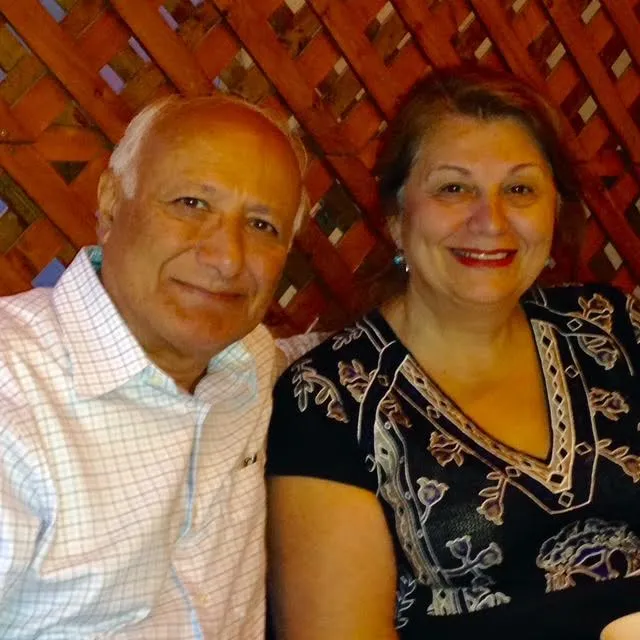
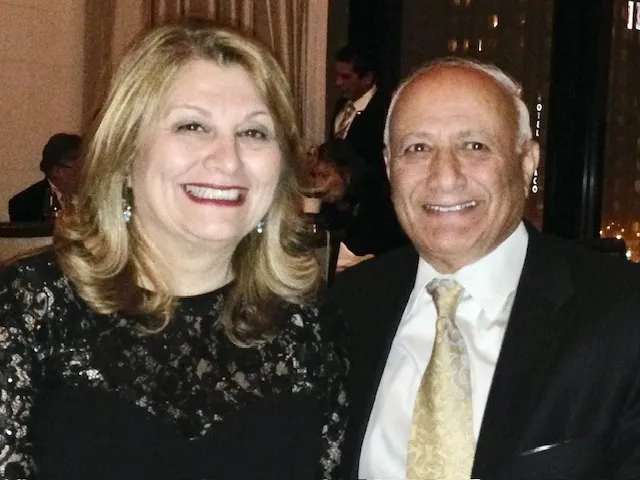
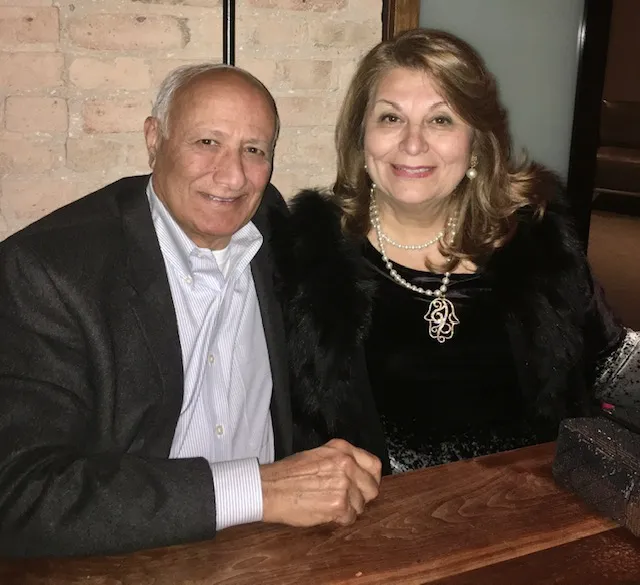
With my beloved wife, to whom I have dedicated my book.
Born and raised in Baghdad, Bakir had been growing up in times of the promise. He confessed to remembering intellectual vibrancy about mid-century Iraq when the Arab Renaissance still flickered into being. Universities prospered, artists and writers were celebrated, and a new generation dared to believe in its future.
Politics was yet to have its own momentum, however. The violent overthrow of the Hashemite monarchy in 1958 began a long, grim chapter in the history of Iraq. “The Iraq I knew as a child disappeared almost overnight,” writes Bakir. From then onwards, his life was inserted into the tumult of his homeland: coups, wars, and sanctions, which would someday scar through an entire nation.
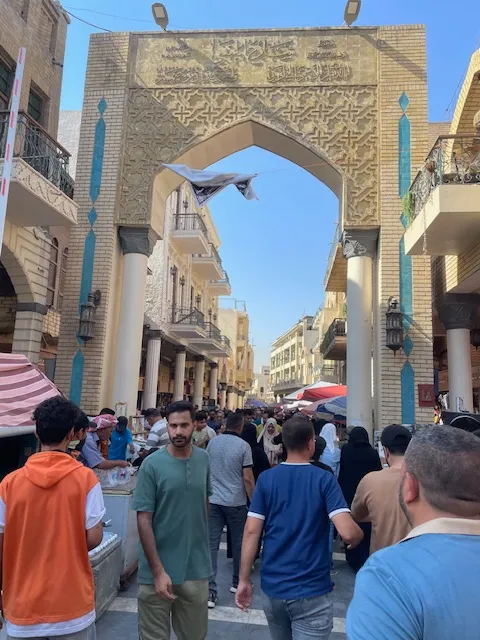
Almutanabi street in Baghdad, the main literary artery in Iraq, September 2023
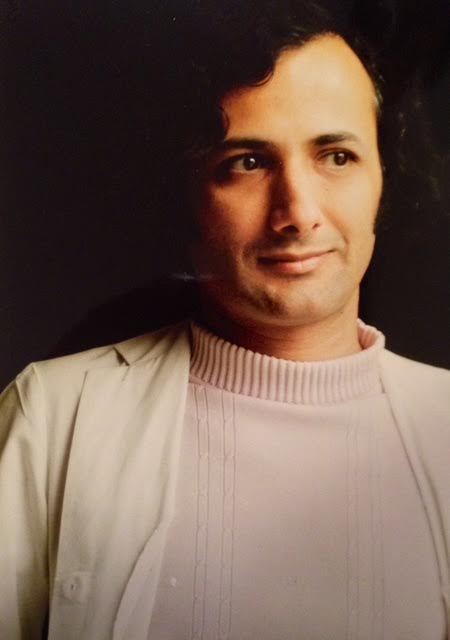
Dr. Bakir during his medical internship at Cook County Hospital, Chicago, 1972.
Choosing Medicine
Bakir pursued medicine against this backdrop. “It was a way to serve, to bring order into lives marked by chaos,” he remembers. Upon completion of medical training and a stint in the Iraqi Army Medical Reserve Corps, he left for further training abroad. England was an option on a geographical map in the mind of the young pursuing jewels in medicine; yet America with its radiant promise of opportunity and professional growth, whispered louder.
Bakir arrived in Chicago in 1972 for his residency in internal medicine and subsequently a fellowship in nephrology. And thus began a 26-year stretch at Cook County Hospital, one of the busiest and most classical public hospitals in the country.
Chicago and the American Dream
At Cook County, Bakir saw America not just through a textbook or a headline but in the faces of patients who came from every occasion of life. People from various walks of life-immigrants, the working poor, those wounded by violence, and those sick with chronic disease-filled his days.
Medicine, he says, is universal. But the delivery of healthcare is very much cultural and political. My patients in Chicago taught me about America just as much as my professors ever had.
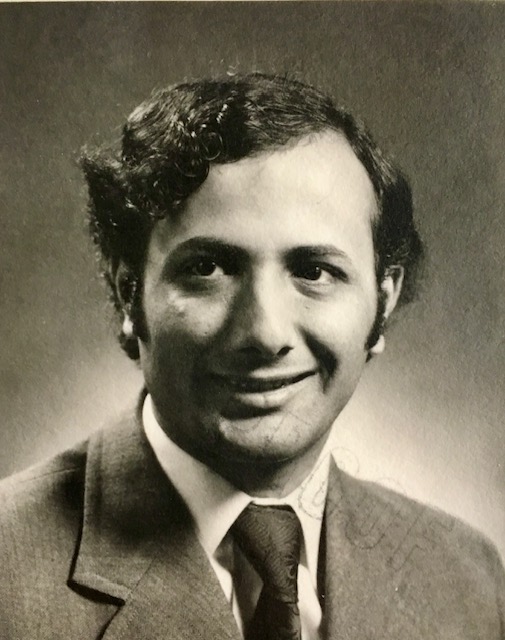
Dr. Bakir at Liverpool Street Hospital, Liverpool, U.K., January 1972.
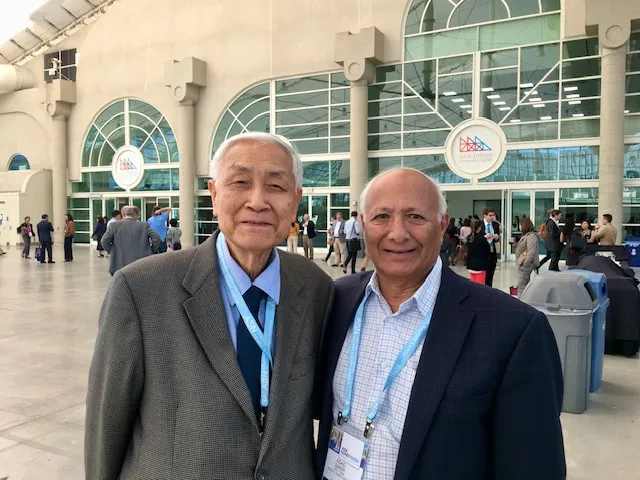
With Dr. Tod Ing, the renowned nephrologist with whom I shared a long and fruitful collaboration
In his climb, he became an attending and senior attending nephrologist while also directing the dialysis unit. In the same manner, he became a fellow of the American College of Physicians and of the American Society of Nephrology. Lastly, he became a professor of medicine at the University of Illinois at Chicago.
A Voice of Authority
What distinguishes From Baghdad to Chicago from other memoirs is the connection it draws between the author’s personal narrative and global events. Bakir writes with authority about the Arab Renaissance, the downfall of culture under Saddam Hussein, and the wars that destroyed his homeland and the sanctions that strangled ordinary Iraqis.
The author’s prose is a tense balance of scientific discipline and human feeling. Political and historical events are visited by him more or less as an eyewitness than, say, a polemicist. This makes for a narrative that is in one instance very accessible and in another deeply instructive.
“I tried to be objective,” he says. “I’m a physician; objectivity is our discipline. But of course, I am also a human being, and there is grieving in these pages.“
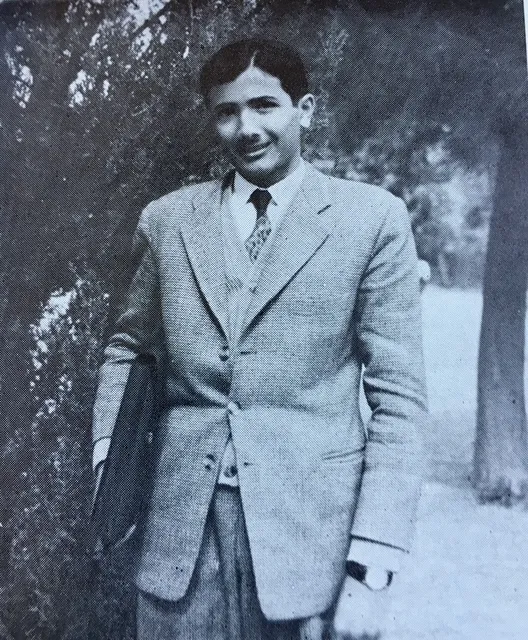
Asad Bakir upon graduating from Baghdad College of the Boston Jesuits, Baghdad, Iraq, 1961.
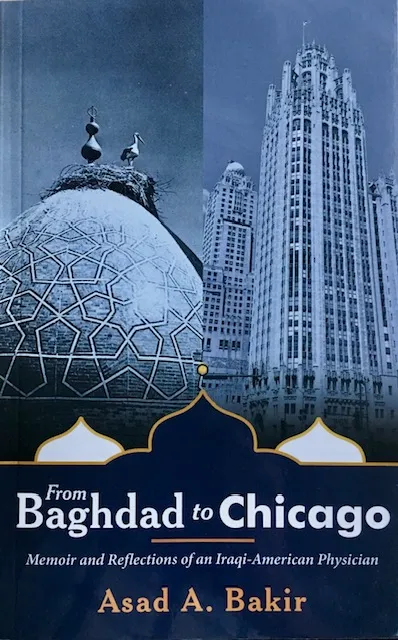
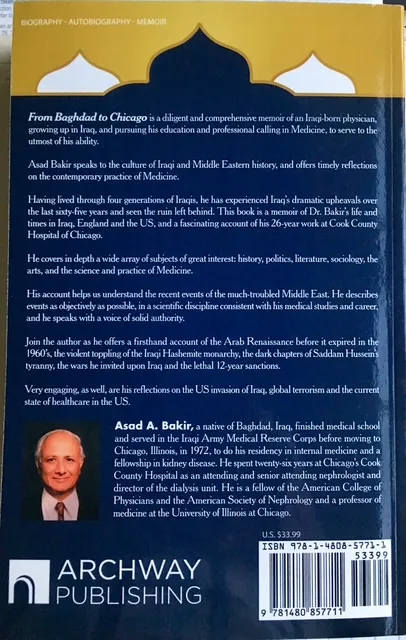
About the Structure of This Book
The memoir caerulean through three main stages:
- Life in Iraq (childhood, education, and service during Iraq’s turbulent years)
- Transition to America (the cultural and professional leap from Baghdad to Chicago)
- Reflections (commentary on medicine, culture, literature, and politics, which blends personal narrative with significant historical forces)
Each Phase Offers Insight with Storytelling. Thus, the reader is journeyed from Baghdad’s streets to the wards of Cook County, between poetry and art, and realities of dialysis and patient care.
Cultural Bridge Building
Where global divisions nowadays largely define public discourse, Bakir’s writings provide reminders of cultural commonalities. His memoir is an Iraqi-American memoir. It venerates Middle Eastern culture yet also recognizes the opportunities and challenges of life as an immigrant in the United States.
For an American audience, the book offers an accessible insight into the intricacies of Iraq beyond the headline news. For Iraqi and other Middle Eastern readers, it establishes the dignity of their experiences through the viewpoint of one who has inhabited both worlds.
Bakir does not refrain from difficult questions. He interrogates U.S. foreign policy in Iraq, the legacy of the Saddam Hussein regime, and the rise of global terrorism. In addition, he talks about the American healthcare system, stating that it perpetuates inequities despite its technological advances.
“The U.S. invasion of Iraq was not just a geopolitical event; it was deeply personal for those of us who had families, histories, and identities tied to that land.“
His thoughts on American medicine are just as incisive: “Technology saves lives, but empathy sustains them. Without empathy, healthcare becomes machinery, not healing.“
The publication of From Baghdad to Chicago comes at a time when the discourse on immigration, healthcare, and Middle Eastern politics remains urgent. Bakir’s perspective adds a shade of nuance. He is neither an outsider romanticizing America, nor an insider dismissing his roots. He writes as one who bears both worlds within himself. Many readers who straddle cultures, either by choice or by necessity, resonate with this dual identity. In this sense, Bakir’s memoir, beyond autobiography, is enslavement.
Critical Reception
Early critiques have praised the depth and honesty of the book. Scholars noted its contribution to Middle Eastern studies whereas physicians admired its insights into healthcare systems. In contrast, general readers discovered in it an intimate-global account.
“Dr. Bakir’s memoir is a bridge,” one reviewer remarks. “It connects Baghdad with Chicago; medicine and culture; history and memory. There are few books that manage to do all those things so well.“
In his continuing life, Bakir remained a doctor, teacher, and cultural commentator. His influence and work continue throughout the pages of the memoir and in lectures, essays, and conversations that stir the minds of doctors and laypeople alike.
Readers can learn more of Dr. Bakir and his work by visiting:
- From Baghdad to Chicago on Amazon
- University of Illinois at Chicago – Department of Medicine, Section of Nephrology.
- Google Review: From Baghdad to Chicago, by Professor George Dunea, Chief Editor: Hektoen International
- Journal of Medical Humanities. Summer 2020.
- Cook County Hospital, Department of Medicine, Division of Nephrology.
An inspirational profile
To America Inspire Magazine, Bakir is the very definition of inspirit: one who endured the roughest upheavals of history, found a professional calling which crosses national boundaries, and now tells a story which enlightens and uplifts others.
Sometimes, it is not merely a tale of surviving; it is about getting something out of survival. It is about highlighting a personal history into common knowledge and promising that if the spirit can, there are some wondrous ways of healing even in dark times.
From Baghdad to Chicago is a tale of not just a physician but the rise and fall of a nation, the adaptation of an immigrant, and the reflection of a healer. The book cries for anyone who has ever crossed borders, whether geographic, cultural, or professional, in pursuit of a life worth serving.
As Dr. Bakir says, “I am Iraqi. I am American. But above all, I am human. And it is the humanity we share that matters most.“
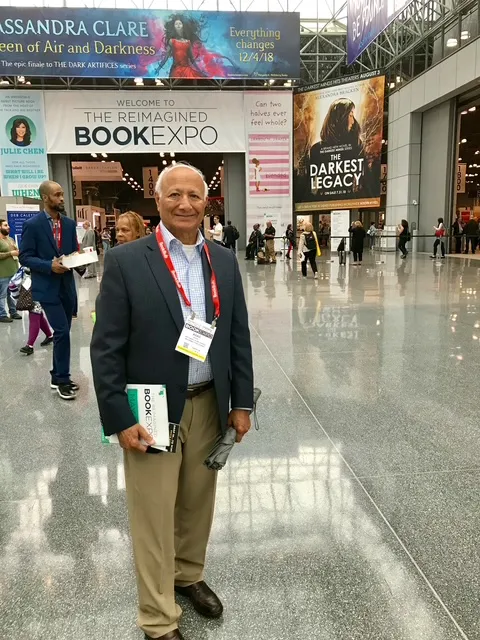
At the New York Book Expo, where my book was exhibited in May 2018.
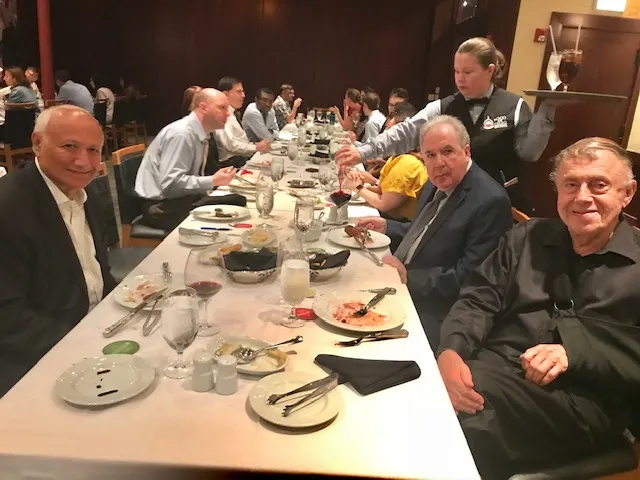
Party hosted by Dr. and Mrs. Dunea to introduce my book. Dr. Dunea (far right), Dr. Arruda (second from right), and myself (far left).
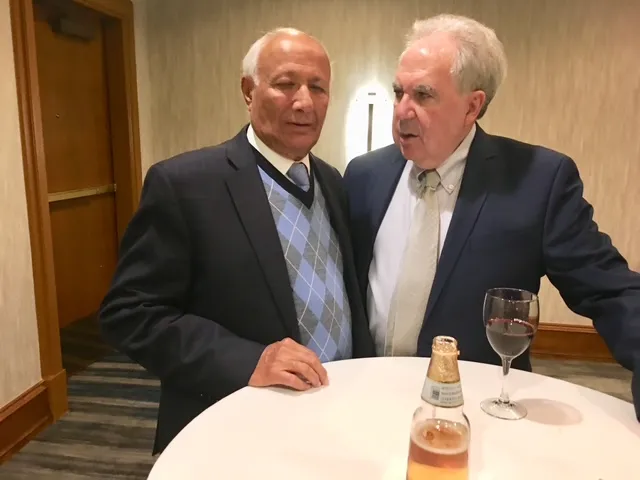
With the late Professor Jose Arruda, Chairman of Nephrology at the University of Illinois at Chicago
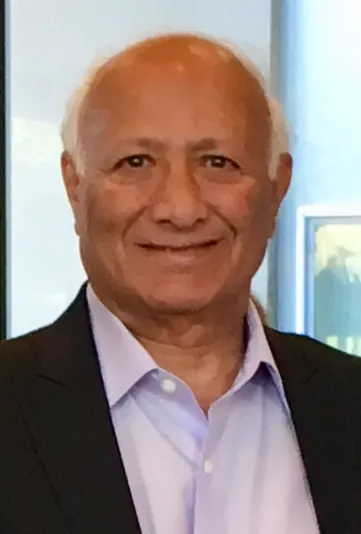
Taken a year after publishing my book.
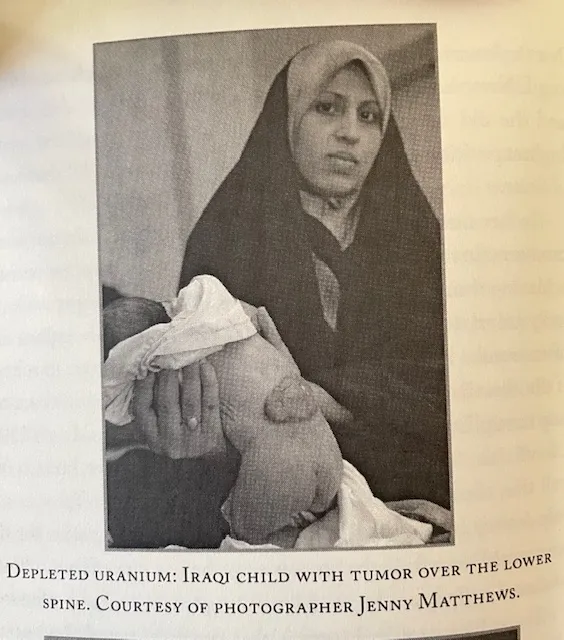
Iraqi child with a tumor on the spine resulting from dropping shells of depleted uranium during the 2003 U.S. invasion.
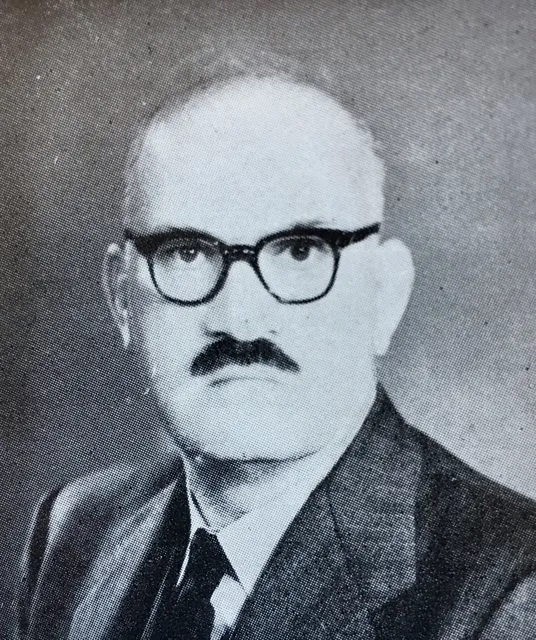
With my memorable Arabic teacher, the late Muhammed Hussein Alshibibi, at Baghdad College, Baghdad, Iraq, 1961.
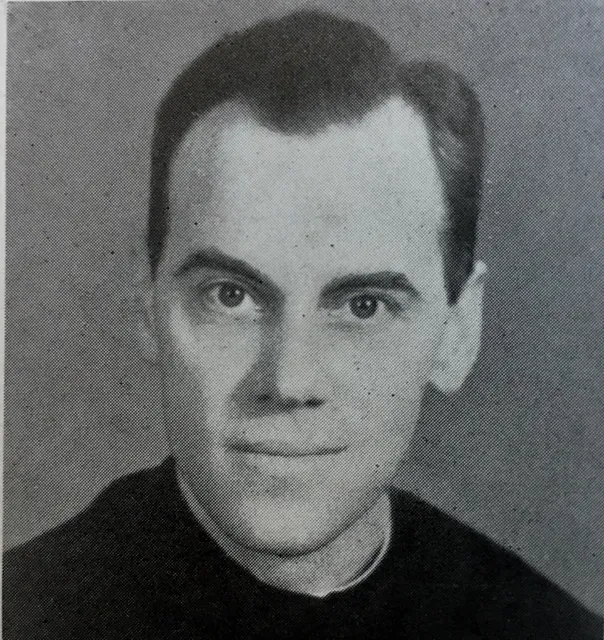
With my memorable chemistry teacher at Baghdad College, the late Joseph Fennell, SJ.
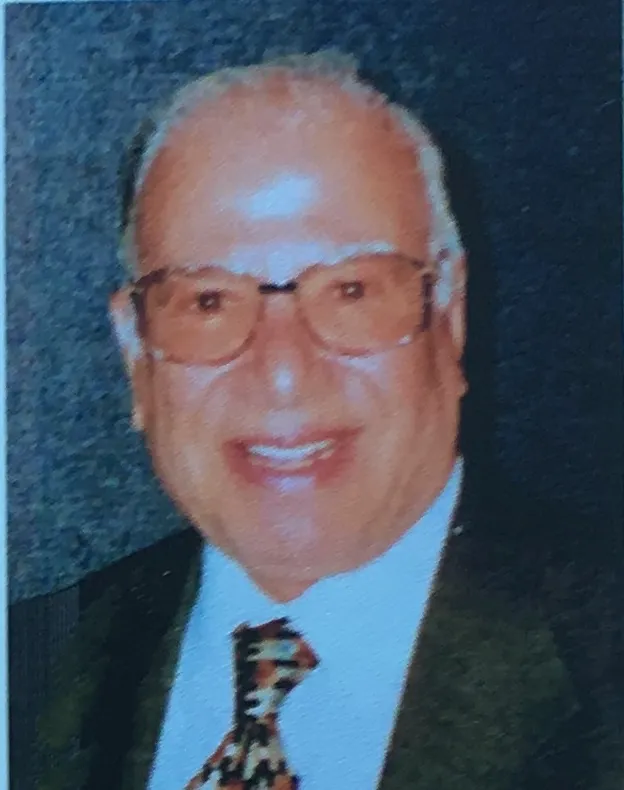
With my memorable Internal Medicine teacher, the late Professor Farhan Bakir, Baghdad, Iraq, 1967.
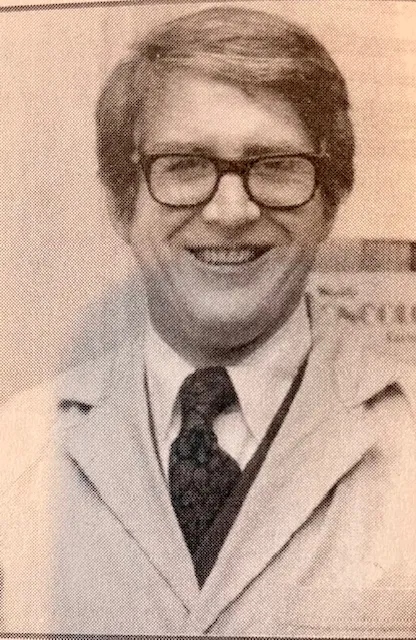
Dr. Quentin Young, Chairman of Medicine at Cook County Hospital, Chicago, 1973.

Making clinical rounds in Shanghai, China, 2003
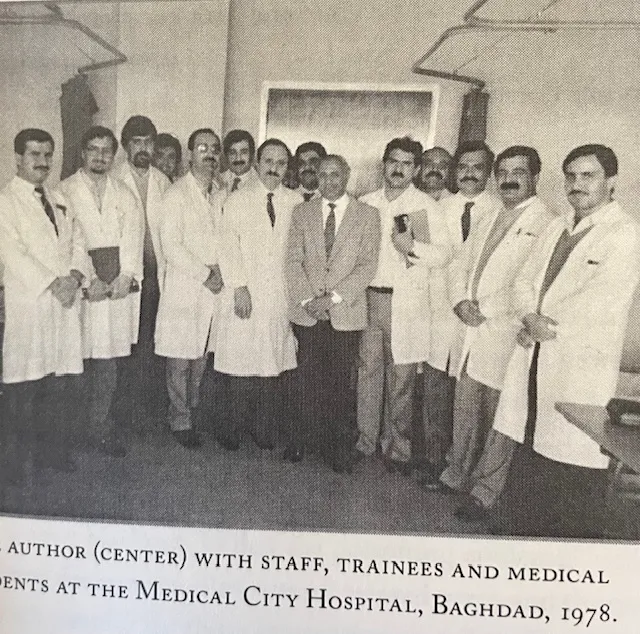
Dr. Bakir making rounds at the Medical City Hospital, Baghdad, 1978.
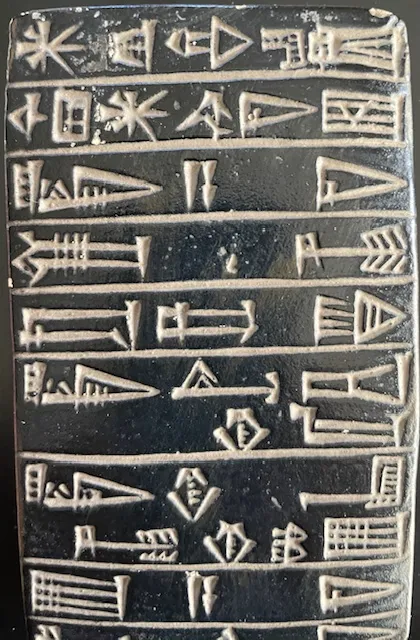
Sumerian clay tablet with cuneiform script, the first writing in history, around 3500 BCE.
From Baghdad to Chicago, Pg 1-3
From Baghdad to Chicago, Pg 2-3
From Baghdad to Chicago, Pg 3-3




worth a read about a high level decent well accomplished human being- much can be learned!