The FIFA World Cup has always been about spectacle. It is a tournament where nations collide, cities transform into international stages, and billions of viewers gather around screens to witness moments that become part of cultural memory. But as anticipation builds for the 2026 World Cup, another question is beginning to dominate conversations online: not which team will lift the trophy, but which artist will deliver the defining performance of the summer.
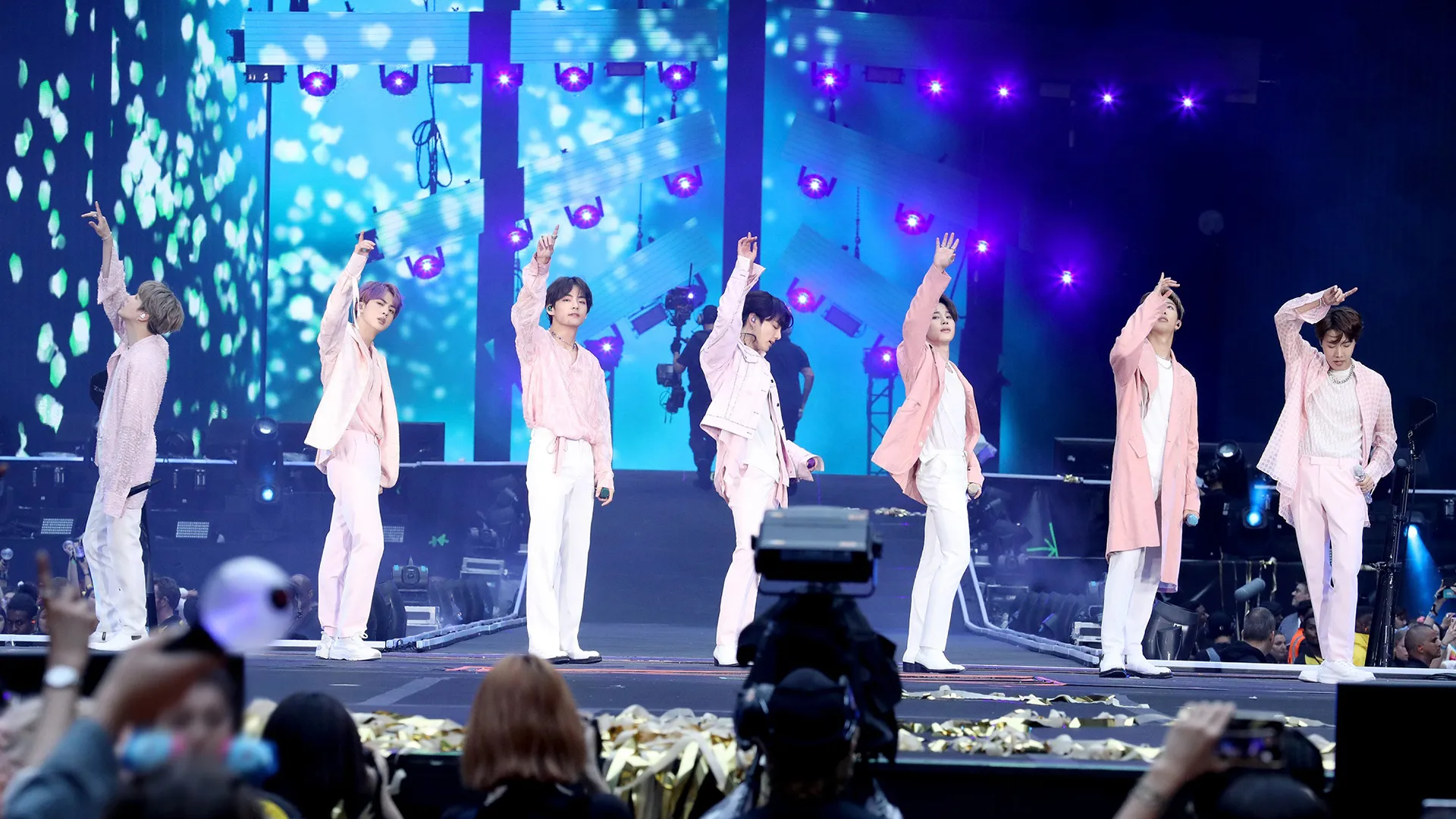
According to a recent fan poll published by Billboard, excitement is growing around a possible lineup of global music stars tied to the tournament’s entertainment programming. Names like BTS, Madonna, and other internationally recognized performers have fueled speculation about what could become one of the most ambitious musical showcases ever attached to a sporting event.
The convergence of sports and music is hardly new. Major sporting events increasingly rely on halftime shows, opening ceremonies, and live performances to expand their global reach beyond athletics. Yet the 2026 World Cup feels uniquely positioned to blur the line between tournament and cultural festival. Hosted across the United States, Canada, and Mexico, the event will already be historic in scale, featuring expanded participation and unprecedented international visibility.
Music executives and entertainment analysts view the World Cup as more than a sports platform – it is a rare global stage capable of uniting audiences across language, politics, and geography. A single performance can become instantly iconic, generating social media conversations, streaming spikes, and cultural moments that linger long after the final whistle.
For many fans, the possibility of seeing BTS connected to the World Cup represents more than simple celebrity excitement. The group’s global reach, particularly among younger audiences, reflects how international pop culture has evolved over the past decade. K-pop is no longer treated as a niche genre but as a dominant force in global entertainment, capable of filling stadiums from Seoul to Los Angeles.
Meanwhile, Madonna’s rumored involvement evokes another kind of symbolism: legacy. Few artists embody reinvention and longevity the way she does, and her inclusion would tie the tournament to multiple generations of music history. The contrast between emerging global fandoms and enduring pop icons reflects the broader cultural ambition surrounding the 2026 event.
The growing interest also reveals how modern audiences consume sports differently from previous generations. Fans no longer separate athletic competition from entertainment culture. They expect immersive experiences that combine music, fashion, celebrity appearances, digital storytelling, and social media engagement into one massive international event.
Platforms like TikTok and Instagram have accelerated this transformation. Clips of performances often spread faster than highlights from the games themselves, introducing entirely new audiences to tournaments through viral moments rather than traditional sports coverage. In many ways, the entertainment surrounding major sporting events now functions as its own parallel competition for attention.
Behind the excitement lies significant economic power. High-profile performances generate sponsorship opportunities, streaming revenue, tourism interest, and merchandise sales that extend far beyond the stadium. Cities hosting major concerts tied to World Cup celebrations are expected to see enormous boosts in hospitality and nightlife activity, particularly among younger travelers seeking festival-like experiences.
There is also a deeper emotional component to these performances. Music often becomes the soundtrack to collective memory. A World Cup anthem, a halftime performance, or a surprise collaboration can define how people remember an era just as strongly as the tournament itself.
For now, much of the performer speculation remains fueled by fan enthusiasm and online polling rather than official confirmation. Yet the sheer intensity of public interest demonstrates how entertainment expectations surrounding global sports continue to expand.
As the countdown to 2026 continues, the World Cup appears poised to become more than a football tournament. It is shaping into a massive cultural crossroads—where sports, music, celebrity, and digital fandom collide on a truly global scale.
And somewhere between the roar of the crowd and the glow of stadium lights, millions of fans are already imagining the opening notes of the performance they hope will define the summer.