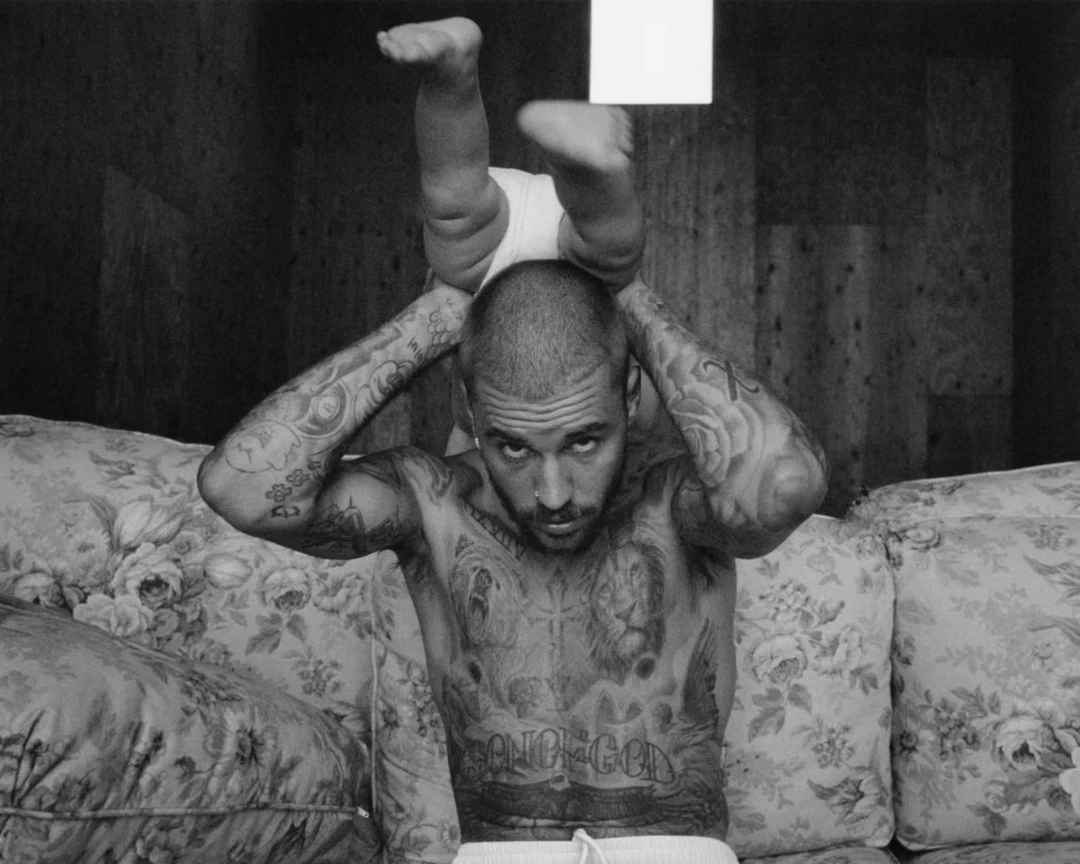
Justin Bieber’s surprise-released album Swag presents rich, nostalgia-infused R&B production but is marred by lyrical superficiality – according to most critics, the textbook case of style without substance.
A Bold and Cohesive Sound
Made in collaboration with a star cast of Carter Lang, Dijon, Mk.gee, and Daniel Caesar, Swag is filled with the textures of 1980s and early ’90s R&B, blending the gospel texture, soul guitar riffs, lo-fi beats, and sweeping synth atmospheres. These aesthetic decisions are seen on tracks like “All I Can Take” and “Too Long” with vulnerable layers of vocal melisma and gated reverb, yielding nostalgic sounds without feeling old-fashioned. The album has been praised by critics as Bieber’s most style-daring effort to date, comparing it to SZA’s genre-bending style
Fall-flat Lyrics
In spite of all its sonic sheen, Swag isn’t immune to criticism for shallow songwriting. Critics point to some repetitive, hackneyed lyrics – much of which is focused on romantic tropes, social media mentions, and domestic life, that lack emotional complexity. On “Go Baby,” Bieber croons such lines as “That’s my baby, she’s iconic / iPhone case, lip gloss on it,” and “Dadz Love” keeps repeating “It is dad love… That’s love, dad’s love,” which many admired as tone-deaf, not sincere. NME characterized the writing “insipid” in spots, most condemning guest appearances such as Sexyy Red on “Sweet Spot” as uncreatively paired and awkwardly placed for the more introspective intents of the album.
Interludes that Distract
Comic skits by social media personality Druski are interspersed throughout the album, cropping up on songs such as “Soulful,” “Therapy Session,” and “Standing on Business.” Though meant to provide personality and self-consciousness, these audio clips often sound strained or tone-deaf. Critics contend that they take away from the musical storytelling rather than add to it, particularly in that they are all about Bieber’s appropriation of AAVE and online lingo, sometimes venturing into uncomfortable spaces.
Moments of Artistic Growth
In all its shortcomings, Swag contains glimmers of a better Bieber. Tracks such as “Daisies,” “Devotion,” and acoustic intimacy in “Zuma House” suggest greater emotional subtlety and artistic evolution. Critics have specifically complimented “Daisies” for its cozy, folky arrangement and singer-songwriter vibe, calling it the highlight of the album. At the same time, “Glory Voice Memo” and “Zuma House” recall bedroom demos with a sense of intimacy, grounding the record’s haphazard sincerity
A Messy but Revamped Identity
Swag is Bieber’s inaugural big post‑Scooter Braun release and follows his inner turmoil – mental health issues, tour cancellations, and public gossip surrounding his marriage. The album captures this inner tumult through its informal, genre-hopping framework and storytelling experimentation, frequently reflecting uncertainty with artistry.
The album’s duration, (21 tracks) could be symbolic of its sprawling, unfocused character. Several critics contend that Swag feels like a fractured collection instead of a unified statement, imploring that bigger isn’t always better when creative vision is murky.
Final Verdict: A Biased Drop That’s Beautiful – but Hollow
At worst, Swag is derivative, emotionally stilted, and self-aware. At best, Swag shines with production value and sporadic songwriting flashes. The Guardian labeled it a “lovely produced album with brief moments of brilliance,” but ultimately brought down byinine lyrics ; Pitchfork highlighted that his experimentation and frankness partially succeed at best without more substantial lyrical content.
Even with the criticism, however, some critics discover the messiness to be lovable, for all its self-indulgence, Swag at least amounts to a pop artist craving freedom, fault and all.
What Lies Ahead for Bieber?
Whether Swag will weather as a daring sidestep or a lost chance depends on future work. Some partisans pray Bieber keeps pushing sonic honesty at the expense of lyrical content. Critics contend true artistic growth will require correlating emotional precision with sonic risk in future efforts.
Swag, the visually and sonically ambitious effort of Justin Bieber, heralds artistic freedom, lyrical missteps and structural rough edges, however, weaken its emotional impact. It’s a notable book, but not quite a rebirth.