
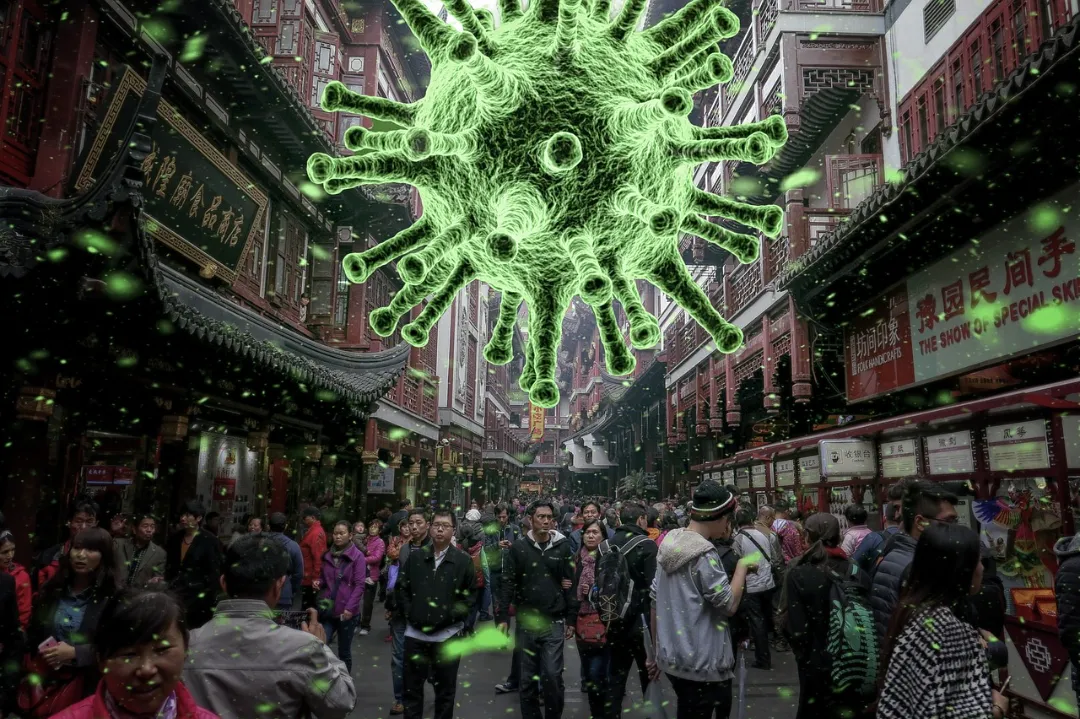
Washington, D.C. – A new coronavirus subvariant, unofficially known as “Nimbus” and officially named NB.1.8.1, has become the dominant strain of COVID-19 in regions of China and is rapidly spreading in the United States. Health officials are following closely as reports of a highly contagious strain with peculiar symptoms raise renewed concern from public health practitioners and communities everywhere.
What Is Nimbus (NB.1.8.1)?
The NB.1.8.1 variant is a sublineage of the Omicron lineage, which has yielded variants in a broad sweep since late 2021. Popularly known as “Nimbus” by the public because of how sneaky and quickly spreading it is, this subvariant has spike protein mutations that make it especially effective in binding to human cells—resulting in higher transmissibility.
While no variant is officially named by the World Health Organization with public nicknames such as “Nimbus,” scientists and the media will take these unofficial names and use them to follow up on developments in public discussion.
Where Is It Spreading?
Nimbus was initially found in southern China earlier this year and went on to become the dominant variant in many Chinese provinces. Through mid-June 2025, the U.S. Centers for Disease Control and Prevention (CDC) confirmed that NB.1.8.1 now comprises almost a third of all COVID-19 cases nationally.
Clusters have also been reported in metropolitan areas like New York City, Los Angeles, and Chicago, through initial detection in airport screening and hospitalization.
What Are the Symptoms?
Physicians are reporting a significant and troubling symptom associated with Nimbus: a “razor-blade throat”—that patients describe as the worst sore throat they have ever had. Additional typical symptoms are:
- High fever
- Severe fatigue
- Dry cough
- Nasal congestion
- Occasional gastrointestinal upset
- Other patients also experience residual headaches and chest pain, much like previous Omicron variants. Loss of taste and smell seems to be less prevalent, though, with Nimbus.
Is It More Deadly?
Up to now, no indication has emerged that Nimbus leads to more severe disease than previous Omicron subvariants. Rates of hospitalization and death are similarly stable, based on CDC data. Yet sheer numbers of infections may impose renewed strain on health systems, particularly in vulnerable populations and among the unvaccinated.
Dr. Amanda Reyes, an infectious disease expert at Johns Hopkins, warned, “Even if severity is low per case, a large enough surge can still result in jammed hospitals and strain on resources.”
Are Vaccines Effective?
Present COVID-19 vaccines still provide moderate protection against severe NB.1.8.1-caused disease. Breakthrough illness in vaccinated persons due to the variant spike protein mutations is increasingly occurring, however.
Drug makers such as Moderna and Pfizer are said to be developing new booster shots that aim at this and other new Omicron variants. The new fall 2025 booster roll-out is set to get underway in late September.
What Should You Do?
Public health experts recommend people return to simple preventive actions if Nimbus is circulating in your area:
- Wear a mask in crowded indoor spaces
- Stay home if you’re sick or have symptoms
- Test before social gatherings or traveling
- Frequent handwashing
- Vaccinate and get boosted if available
Several cities are reinstating indoor masking guidances on a voluntary basis, especially for the elderly and those who are immunocompromised.
Travel Effects
Airports and airlines from both China and America have increased screening and sanitizing protocols. Passengers are advised to contact airlines and local health authorities as some places might have requirements of vaccination or recent negative testing for travel during surges.
The World Health Organization has not yet endorsed travel restrictions but has tagged NB.1.8.1 as a “variant under monitoring.”
Why Variants Keep Emerging
Coronavirus variants persist because the virus mutates every time it makes copies of itself—especially when the population is not well vaccinated or has suboptimal infection control. The more chances the virus has to circulate, the more likely to occur are major mutations.
Experts add that this highlights the need for global vaccine equity, quick detection, and open data-sharing across borders.
Latest Figures
U.S. NB.1.8.1 infections: Estimated 32% of new cases
Hospitalization rate: Steady (mild increase in high-density locations)
Death rate: Remains unchanged
China NB.1.8.1 prevalence: 60–70% of latest infections
Global health agencies will publish updated variant trackers at the end of the month.
Expert Views
Dr. Eric Topol, who is the creator of the Scripps Research Translational Institute, commented: “Nimbus is a reminder that the virus is still changing, and we shouldn’t be complacent. It’s not about fear—it’s about preparation.”
Meanwhile, Beijing University virologist Dr. Li Chen underscored that NB.1.8.1 will most likely continue to be the dominant strain throughout summer, in the absence of another crash variant.
Public Reaction
Public opinion has been anything from wary to exhausted. On social media, some complain about the possibility of mandates, while others urge that we should be doing this again. “I thought we were over this,” one user wrote on X (formerly Twitter), “but Nimbus is essentially trying to be the sequel nobody asked for.”
Retailers reported a slight boost in demand for air purifiers, home testing kits, and masks during the last two weeks.
Though the introduction of the “Nimbus” variant in the United States is a cause for notice, not panic, it supports the fact that COVID-19 is an ever-changing and dynamic public health issue. With intelligent precautions, honest communication, and prompt vaccination, public health officials assure us that we can stay ahead of the curve—and prevent a second wave of panic or hospital surge.
Stay informed. Stay protected.