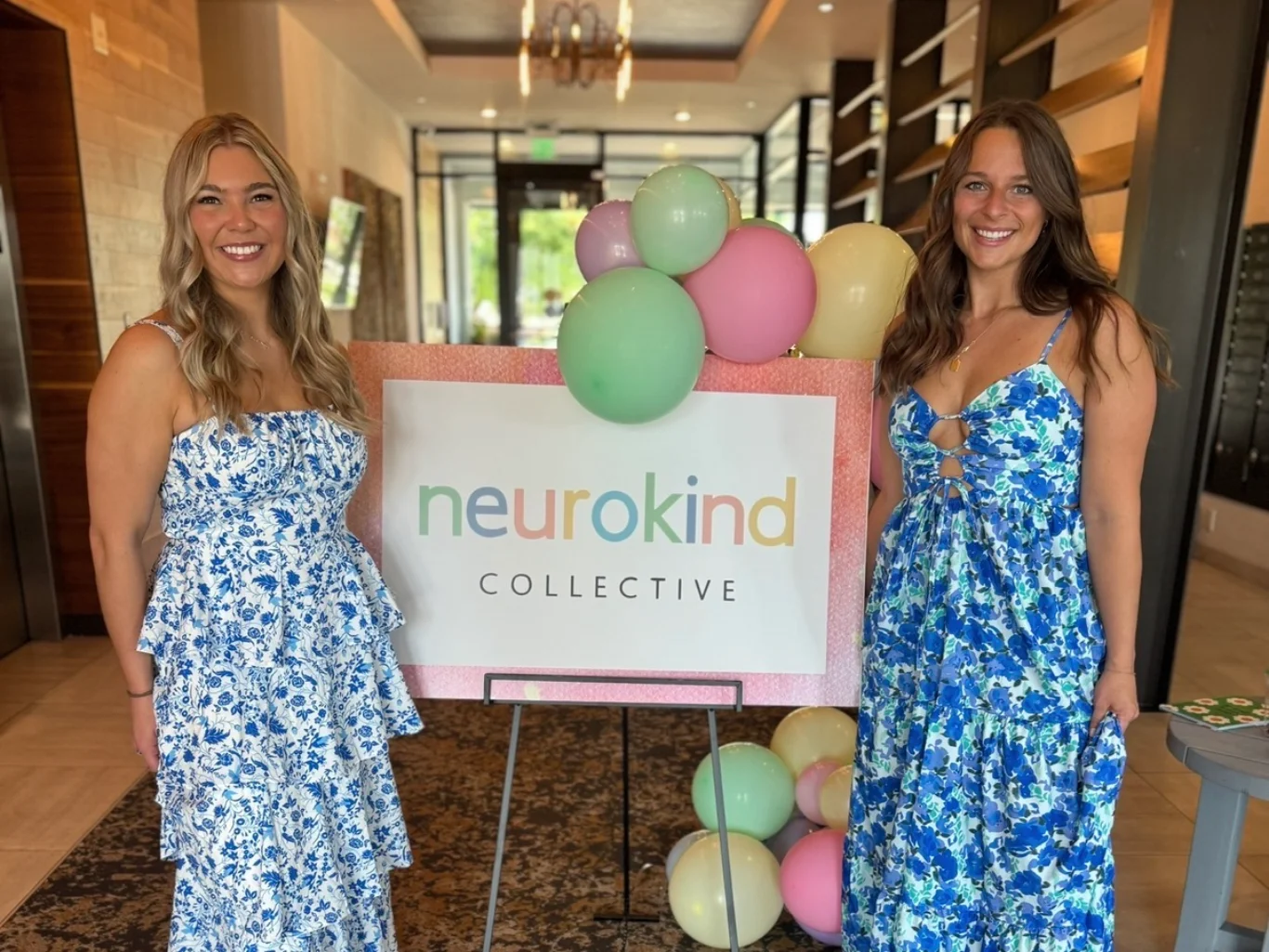
In recent years, social media has become one of the most influential spaces for conversations about mental health, neurodiversity, and inclusive care. While academic journals and clinical institutions once dominated these discussions, a growing number of professionals are bringing those conversations directly to the public, translating complex research into accessible language and creating communities built on empathy and understanding. One such initiative is NeuroKind Collective, a platform whose Instagram presence, neurokindcollective, is part education hub, part advocacy space, and part digital community dedicated to reshaping how society understands autism and neurodivergence.
At its core, NeuroKind Collective promotes a simple yet powerful philosophy: every mind deserves kindness, respect, and meaningful support.
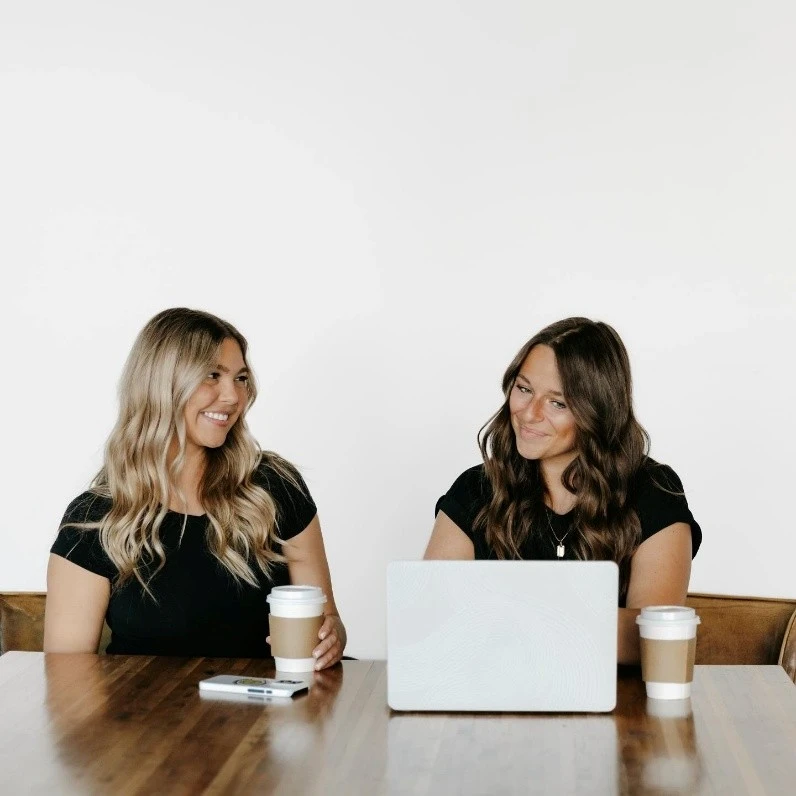
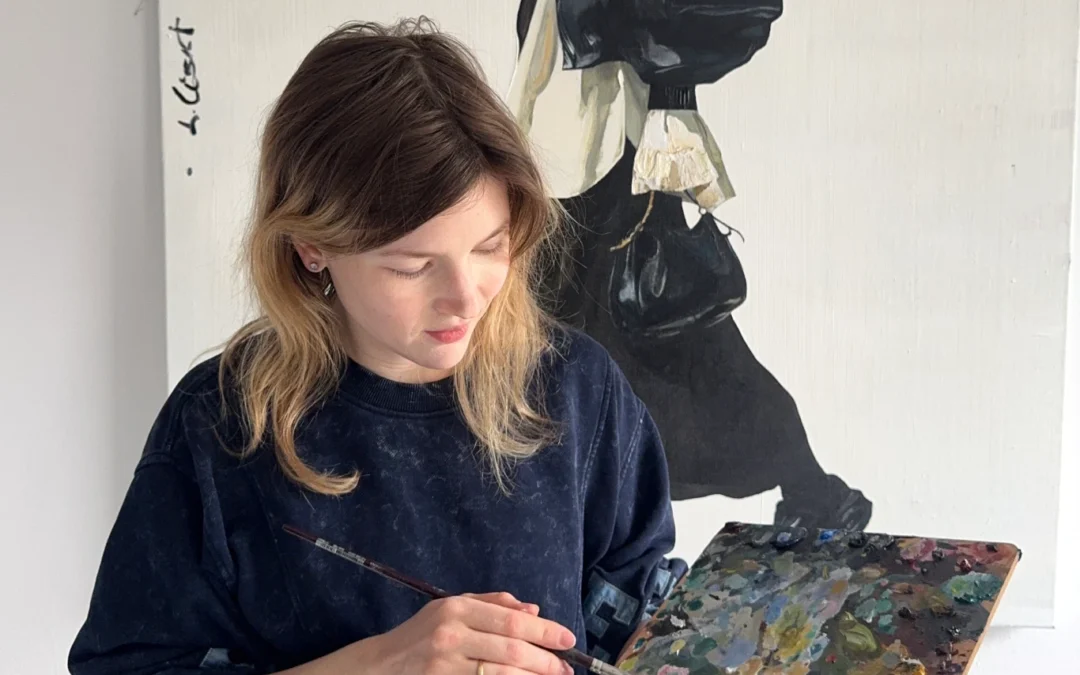
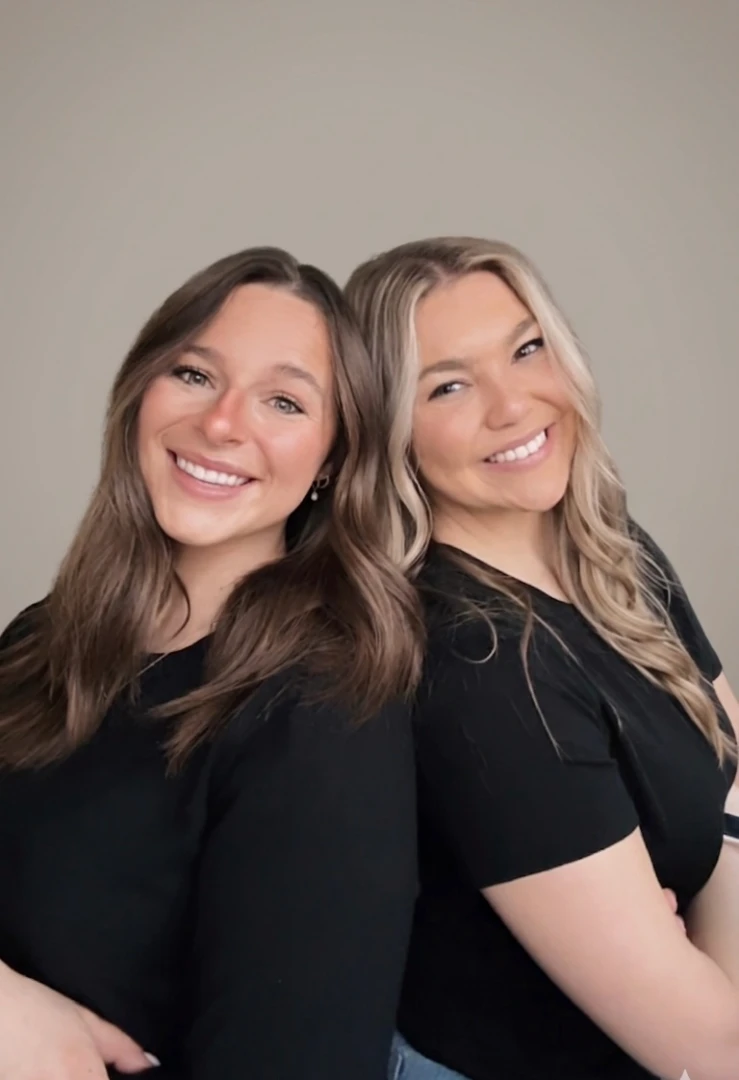
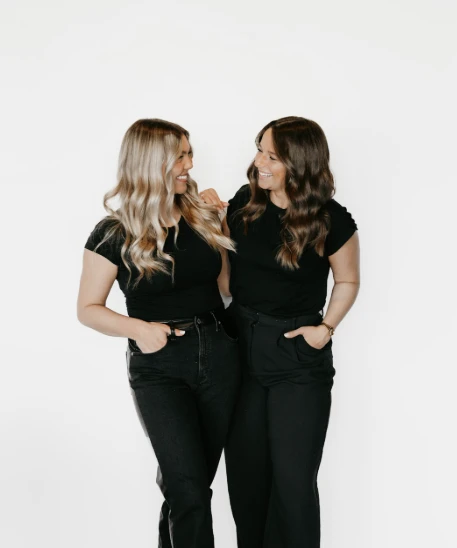
Megan Rodgers and Kelsey Kalal
The idea for the collective emerged from a desire to bring multiple aspects of advocacy together in one cohesive space. The founders noticed that while many organizations were doing meaningful work: whether through educational blogs, clinical resources, apparel, or events, these efforts often existed separately. NeuroKind Collective was created to unite those elements into one accessible platform where people can engage with the neurodiversity community through what they learn, what they wear, what they listen to, and the events they attend.
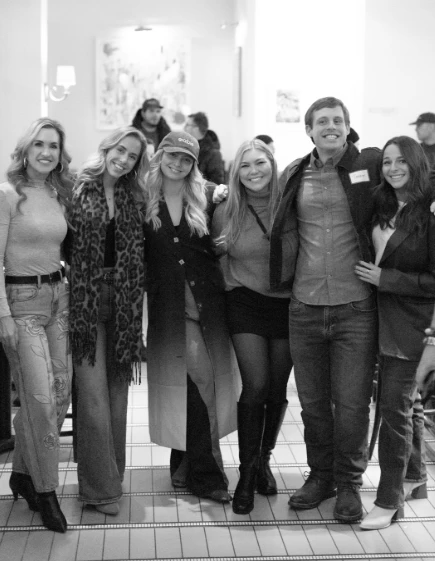
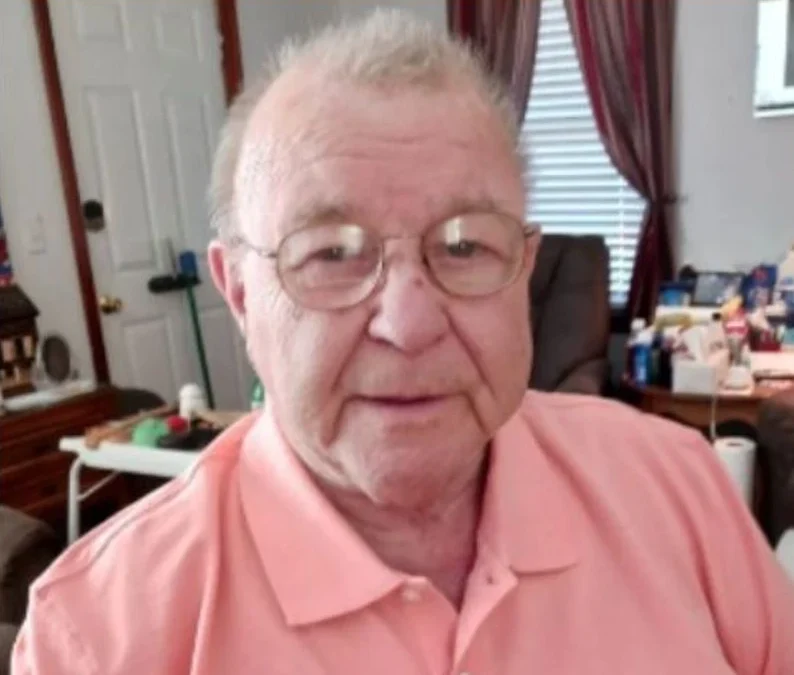
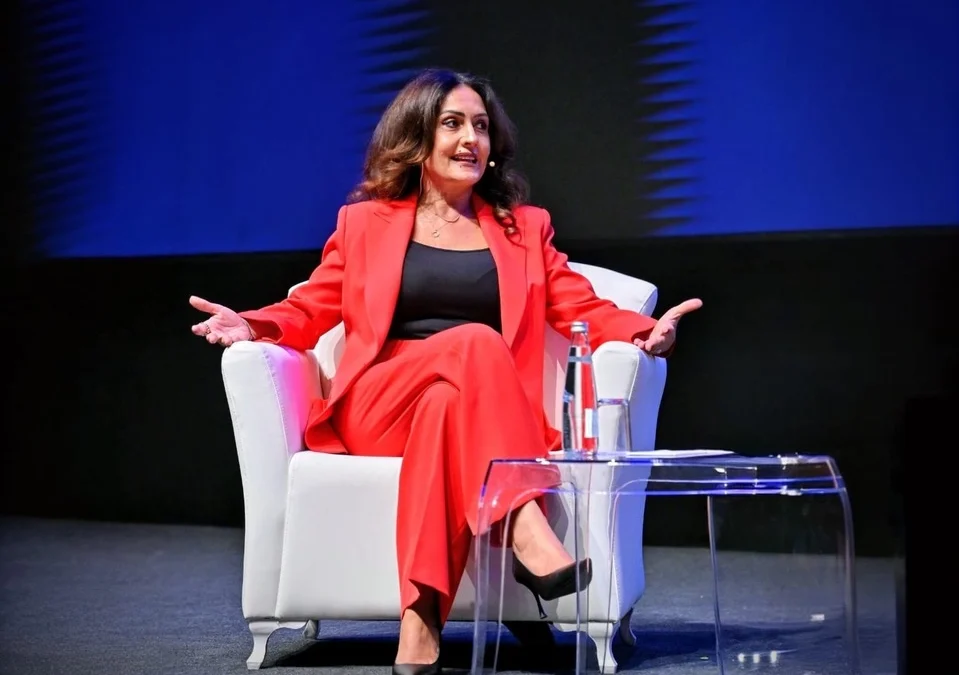
Nicci Smith, Midge Smith, Holly Fowler (CEO of WABLE), Megan Rodgers, Tanner Smith, Kelsey Kalal; WABLE Unmasked Speed Dating & friending event in New York City
A Community Built Around Neurodiversity
NeuroKind Collective was created by professionals working in the field of Applied Behavior Analysis (ABA), particularly Board Certified Behavior Analysts (BCBAs), who aim to bridge the gap between clinical science and everyday understanding. The collective positions itself as a community that elevates awareness, celebrates neurodiversity, and empowers families, practitioners, and neurodivergent individuals through accessible information and compassionate advocacy.
The platform’s founders emphasize that neurodivergent people, including those with autism, ADHD, and other neurological differences, deserve environments where they feel seen, heard, and supported.
By combining evidence-based practices with an approach centered on empathy and inclusion, the collective seeks to shift the conversation away from outdated stereotypes and toward a more modern understanding of neurodiversity.
Rather than focusing solely on diagnosis or clinical terminology, the collective highlights lived experience, community support, and the importance of respecting each person’s individual needs.
The name “NeuroKind” itself reflects that philosophy. Rather than dividing people into neurotypical and neurodivergent groups, the founders emphasize the importance of focusing on how individuals treat one another. Their vision centers on kindness, empathy, respect, and shared humanity – values they believe should guide conversations about neurodiversity and support.
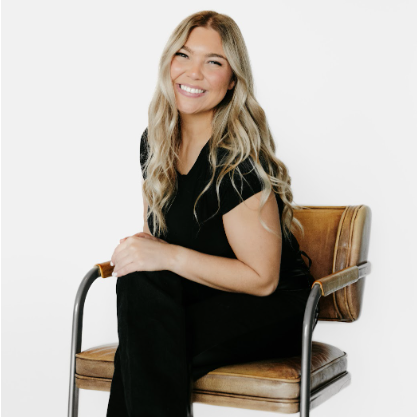
Megan Rodgers BCBA, LBA
Co-Founder NeuroKind Collective
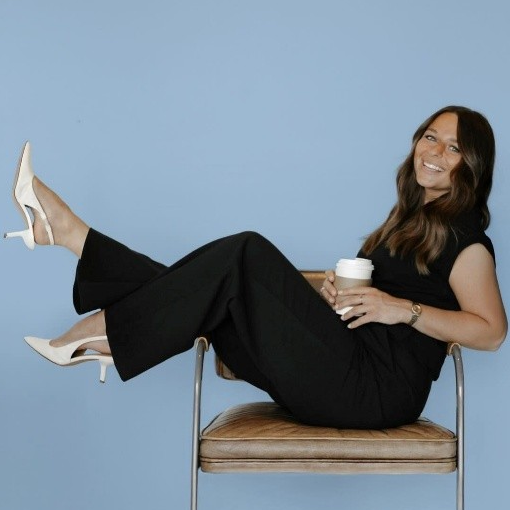
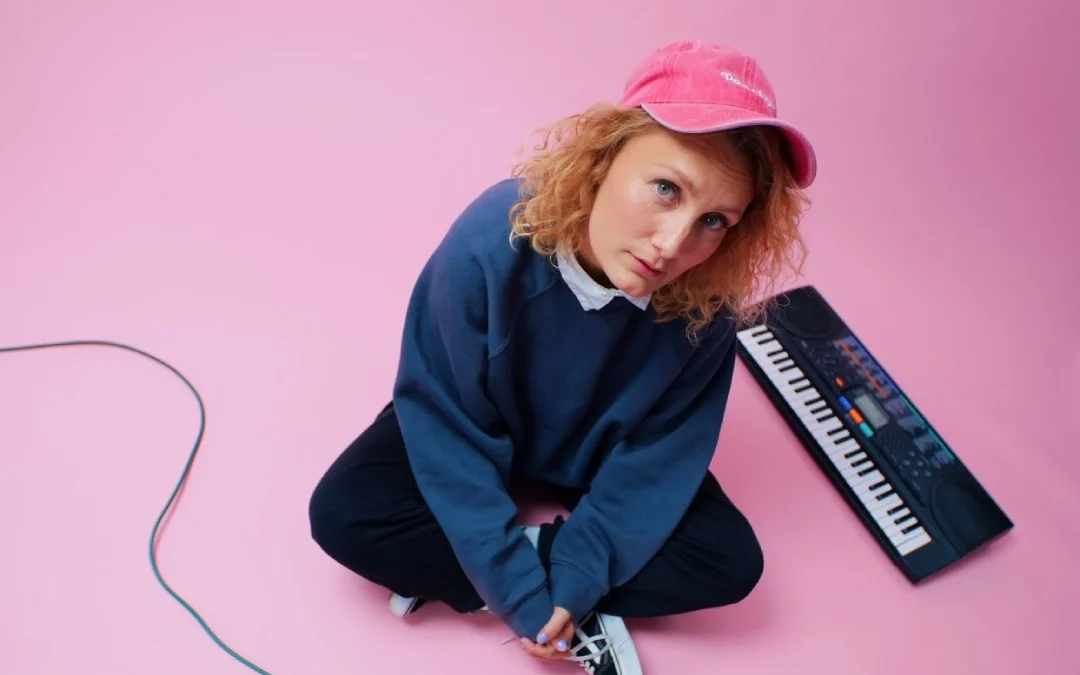
Kelsey Kalal BCBA, LBA
Co-Founder NeuroKind Collective
Meet the Professionals Behind the Platform
Behind NeuroKind Collective are professionals who have worked closely with neurodivergent individuals and their families in real-world therapeutic settings.
One of the founders, Kelsey, is a Board-Certified Behavior Analyst who entered the field after working as a Certified Recreation Therapy Specialist. Her work has been shaped by a strong belief that therapy should be client-centered and that modern behavioral science must continue evolving beyond older frameworks established decades ago.
Another co-founder, Megan, also a BCBA, began her career in psychology before working as a Registered Behavior Technician and eventually advancing into behavior analysis. Her experiences across clinical, community, and school environments helped shape her approach to neurodiversity advocacy.
Together, the pair created NeuroKind Collective to build a space where education about autism and behavior science could be shared openly while maintaining a tone of kindness and curiosity.
The name itself reflects that philosophy: neuro referring to the diversity of human minds, and kind representing the empathy and respect they believe must guide the field.
Their experiences working within Applied Behavior Analysis also gave them a unique perspective on the field’s evolution. While they witnessed the effectiveness of evidence-based strategies when used ethically and collaboratively, they also heard the concerns of autistic adults who felt misunderstood by earlier models of care. These insights helped shape NeuroKind Collective’s mission: to create a space where providers, families, and neurodivergent voices can openly discuss what meaningful support should look like moving forward.
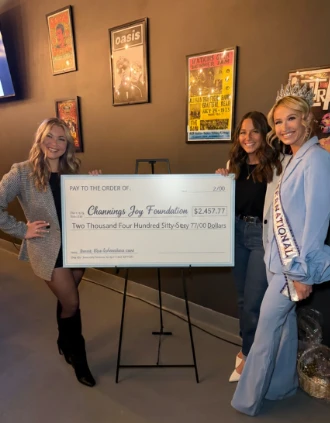
Megan Rodgers, Kelsey Kalal, Madison Hicks (Miss International 2025) Celebrate Minds of All Kinds Fundraising Event
Moving Beyond Outdated Narratives
One of the most significant aspects of NeuroKind Collective’s work is its emphasis on updating the way Applied Behavior Analysis is discussed publicly.
ABA has long been one of the most widely used therapeutic approaches for supporting autistic individuals. Yet the field has also faced criticism over past practices that some critics argue focused too heavily on behavior modification without considering the autonomy and preferences of the individual.
NeuroKind Collective acknowledges this history and promotes a more modern approach centered on assent, collaboration, and respect for neurodivergent identities.
In practical terms, this means prioritizing therapy methods that:
- Respect the autonomy of the individual
- Encourage meaningful communication and choice
- Emphasize real-world skills and well-being rather than strict behavioral conformity
The goal is not simply to apply behavioral science, but to do so in a way that aligns with evolving values around inclusion and self-advocacy.
The founders are particularly passionate about challenging the misconception that neurodivergence is something that must be “fixed” in order for someone to live a meaningful life. Instead, they emphasize that autism and other neurodivergent identities represent differences in how people process information, communicate, and experience the world; differences that include both challenges and strengths. From their perspective, the conversation should shift toward building environments and supports that allow individuals to thrive as they are.
They also advocate strongly for client-centered and assent-based therapy. This approach recognizes that individuals, including children and those with communication differences – have the right to express comfort, discomfort, or refusal. For the founders, meaningful progress in therapy occurs when individuals feel respected, safe, and actively engaged in their own learning process.
Instagram as an Educational Tool
Social media may seem like an unlikely place for discussions about behavioral science, yet it has become a powerful platform for sharing knowledge quickly and widely.
The NeuroKind Collective Instagram page serves as a central hub where followers can access educational content, updates about events, and insights into neurodiversity advocacy. The platform also connects the community to blogs, podcasts, and future initiatives designed to expand the conversation.
Through posts and educational content, the account breaks down topics that might otherwise feel intimidating or technical: turning clinical ideas into approachable discussions.
The collective also uses storytelling and lived experiences as part of its educational approach. While research and data remain important, the founders believe that stories from autistic individuals, families, and practitioners help humanize complex topics and create a deeper understanding. When evidence-based knowledge is combined with lived experience, the result is a richer and more empathetic conversation around neurodiversity.
This format also allows practitioners to interact directly with families, caregivers, and neurodivergent individuals, creating a two-way dialogue rather than a one-sided lecture.
Beyond posts, the collective actively engages with followers through direct messages, emails, and discussions sparked by their podcast, where they explore common misconceptions, emerging research, and real concerns within the neurodivergent community.
Building Community Beyond the Screen
While much of NeuroKind Collective’s activity takes place online, the organization has also begun developing real-world events designed to bring people together.
In 2025, the group hosted a launch event celebrating the official beginning of the initiative. The gathering included music, games, and opportunities for community engagement, reflecting the founders’ belief that advocacy should be both informative and joyful.
After the launch, the collective continued expanding its community outreach through a variety of in-person events designed to foster inclusion and connection.
One example includes pop-up shops hosted at Inclusion Coffee and The Inclusive Bean, coffee shops known for employing individuals of all neurotypes and abilities. During these events, visitors were invited to participate in interactive activities, browse inclusive apparel, and engage in meaningful conversations about inclusion and neurodiversity advocacy. These gatherings created welcoming spaces where community members could learn, connect, and celebrate neurodiversity together.
The collective has also organized events focused on philanthropy and community impact. In January 2026, NeuroKind Collective hosted a fundraising event in partnership with Miss International 2025, bringing together clinicians, families, and community members from both local and out-of-town communities. The event successfully raised over $2,000 in donations for The Channing’s Joy Foundation, supporting continued advocacy and resources for neurodivergent individuals and their families.
Community building has also extended beyond local events. In February 2026, the NeuroKind Collective team traveled to New York City after being invited to attend a WABLE speed dating and friending event. WABLE is a dating, friendship, and networking app designed specifically for neurodivergent individuals. During the visit, the team had the opportunity to meet with WABLE’s CEO Holly, along with team members Midge, Nicci, and Tanner Smith, who many recognize from Love on the Spectrum and who now works with WABLE. The meeting allowed for discussions around potential future collaborations while also strengthening relationships within the broader neurodivergent advocacy community.
Events like these highlight a central theme of the project: neurodiversity advocacy is not only about education; it is also about building supportive communities where individuals feel connected.
Looking ahead, the founders hope to continue expanding these opportunities through additional community events, collaborations, and conversations that bring together professionals, families, and neurodivergent individuals in supportive spaces.
A Cultural Shift in Neurodiversity Awareness
The rise of platforms like NeuroKind Collective reflects a broader cultural movement toward neurodiversity awareness.
For decades, neurological differences were primarily framed through medical or deficit-based language. Today, many advocates and professionals emphasize the idea that neurological variation is a natural part of human diversity.
This shift does not dismiss the challenges some individuals may face; instead, it encourages society to rethink how environments, schools, and workplaces can adapt to better support different ways of thinking and learning. NeuroKind Collective contributes to this movement by translating clinical expertise into everyday language and by highlighting stories that center dignity and empowerment.
Why Platforms Like NeuroKind Matter
Perhaps the most important aspect of NeuroKind Collective is its commitment to balancing science with compassion.
Behavior analysis, neuroscience, and psychology all provide valuable insights into how humans learn and interact with the world. Yet those insights become far more meaningful when paired with empathy, collaboration, and respect for individual identity.
In an online environment often dominated by misinformation or oversimplified advice, the collective’s emphasis on evidence-based knowledge delivered with kindness offers a refreshing alternative.
Ultimately, NeuroKind Collective represents something larger than a social media account. It reflects a cultural shift toward understanding neurodivergence not as a problem to be fixed, but as part of the rich diversity of human experience.
For the founders, one idea captures the heart of that mission: “Inclusion without access is performance, and access is not special treatment.” The statement reflects their belief that genuine inclusion requires practical support, understanding, and environments designed to help neurodivergent individuals truly thrive.
And in that shift, education and kindness may prove to be the most powerful tools of all.
Explore More
If you would like to learn more about NeuroKind Collective and its mission, you can visit:
- Instagram: https://www.instagram.com/neurokindcollective/
- Official Website: https://www.neurokindcollective.com/
- About the Collective: https://www.neurokindcollective.com/about