In the rarefied air of luxury fashion, where heritage houses and billion-dollar conglomerates dominate, female creative directors are considered a rare species. For every household name that is Miuccia Prada or Donatella Versace, there are dozens of men working on what women would wear on the most coveted runways. Elena Moreau is entering this domain after carving her own path for the last decade and presently extracting the interest of the European luxury label community.
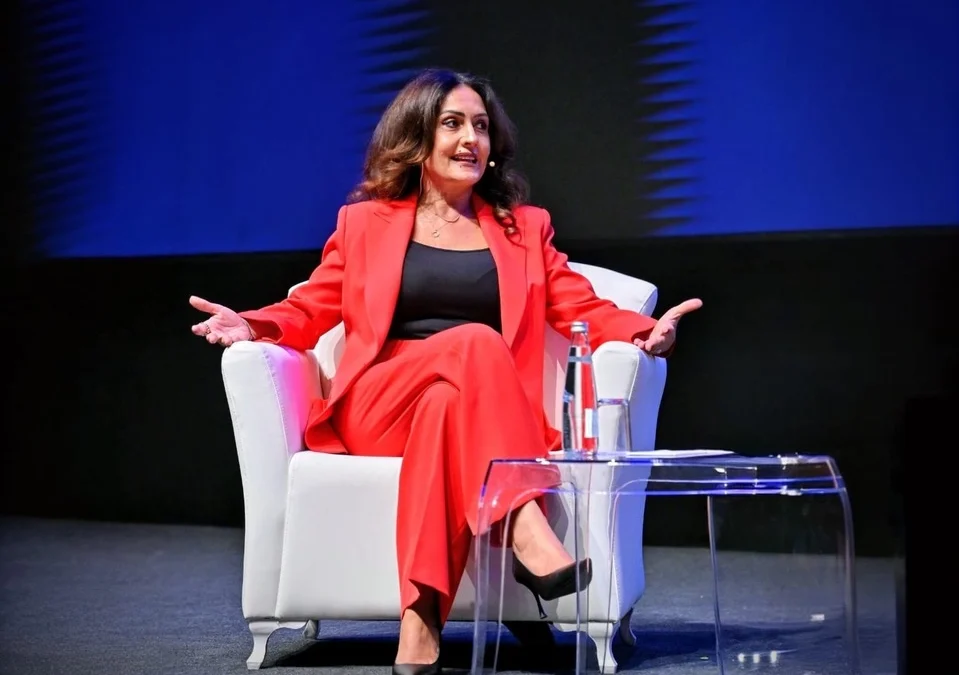
From her airy studio on the Rue Saint-Honoré, lined with sketches all ordered in neat rows, Ms. Moreau spoke very candidly about the realities of being a woman in a still very male-dominated arena. “Luxury fashion has always sold women an idea of themselves,” she went on. “But for too long that idea has been created almost exclusively by men. I wanted to design clothes that show how women really live, not merely how they are looked at.”
Backstage: A Rare Hen
The gender imbalance in high fashion is glaring. The Business of Fashion in 2023 estimated that fewer than 15 percent of luxury fashion houses have female creative directors. Women constitute the majority of the purchasers of these fashions, while also comprising much of the labor force in ateliers and factories; yet from the top down, the decisions are almost exclusively made by men.
Ms. Moreau, having taken the reins of Maison Duval as creative director since 2022, is fully aware of her uniqueness. “When I go to industry dinners, I can count the women creative leads on one hand,” she said with a half-smile. “It’s a bit lonely at times, but at the same time, there is a sort of responsibility. I want young women to know that it’s possible because I am aware that they are watching.”
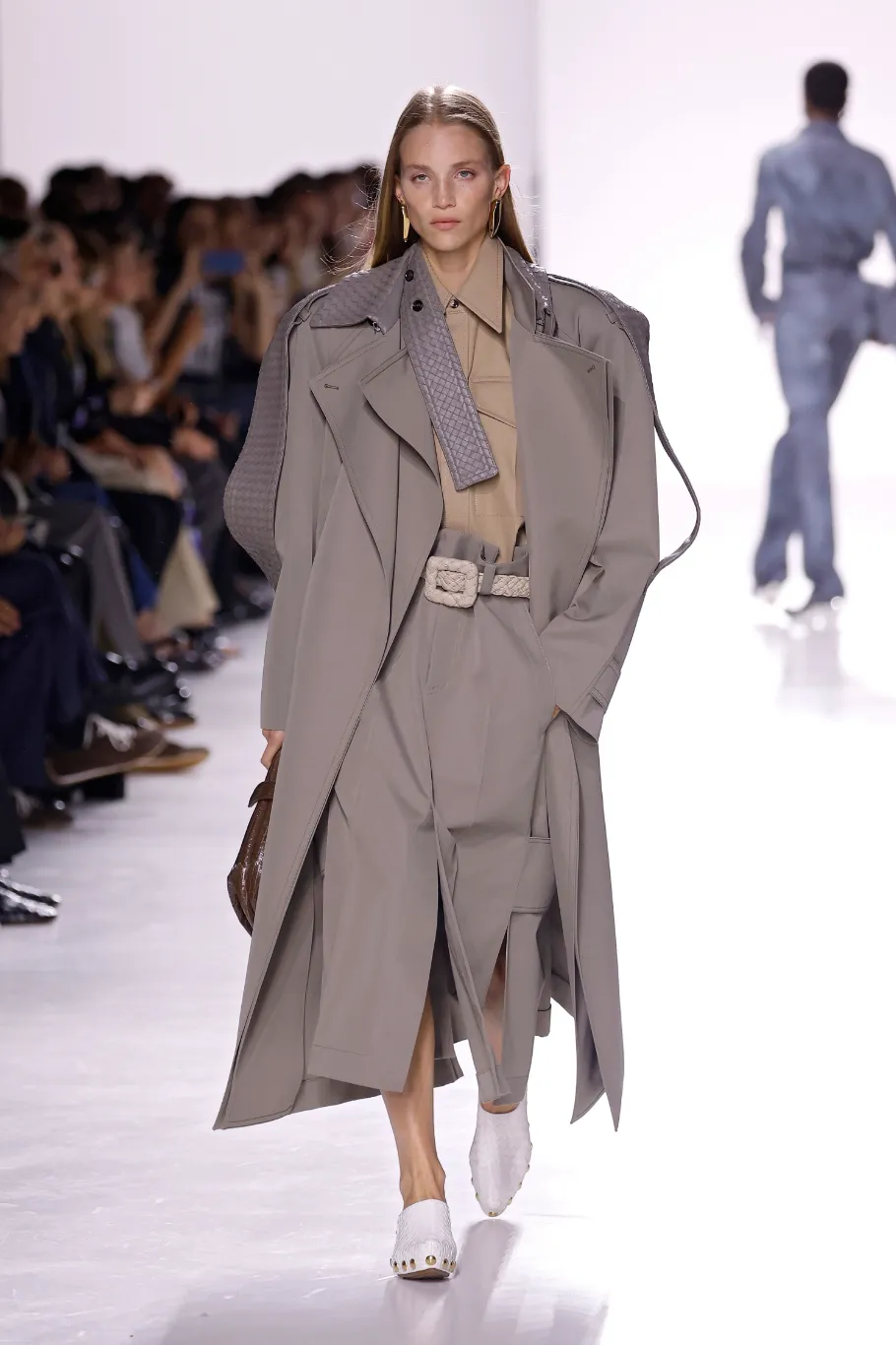
Her collections are acclaimed for their blend of elegance and realism. At her very first Maison Duval runway show, models paraded down the runway in sharply tailored trousers, flowing gowns with discreet pockets, and outerwear designed with subtle adjustability-sleeves lengthen, hems shorten. Critics labeled it as “luxury designed for life.”
“Clothes should empower,” she said, adjusting some cashmere during an interview. “Too often, luxury has been about fantasy. I think women are ready for beauty and functionality to coexist. I don’t believe we should choose between strength and softness.”
The Weight of History
Luxury fashion has a deep history. All of the great Parisian houses: Dior, Chanel, Saint Laurent – were created by designers who, at least in some cases, revolutionized women’s wardrobes. Coco Chanel remains considered the foremost woman designer to have changed the industry. With the rise of conglomerates, however, power concentrated in the boardroom, and the appointment of creative directors lost its individualistic artistry and was aimed at global brand strategy.
“The fashion industry likes to pat itself on its back for being progressive,” said Dr. Sophia Trent, a professor of fashion history at Central Saint Martins. “But, structurally, it has some very conservative parts. The glass ceiling is very much there, but in luxury, it’s crystal.”
Breaking Through
It was a winding road for Moreau. Born in Lyon from a family of teachers, she studied architecture before beginning fashion studies. After training at the École de la Chambre Syndicale de la Couture Parisienne, she moved her way into various ateliers experiencing what she refers to as “that subtle resistance” from male-dominated design studios.
“There were times when I felt invisible. When you’re young and female, you’re often on the sidelines stitching the hems while the men go out to take the acknowledgments. I had to insist that my voice be heard, and there were times when people got uncomfortable because of it.”
Her first breakthrough was a capsule collection she launched under her own name in 2015. The line attracted attention from fashion editors and eventually the executives at Maison Duval for its architecture-inspired silhouettes and novel texture pairings.
Upon assuming leadership, Ms. Moreau placed great emphasis on teamwork within her studio. “I don’t buy into the myth of the solitary genius,” she said. “Luxury fashion is a collective effort-the pattern makers, the seamstresses, the interns. I want everyone present in the atelier to feel respected, because creativity blossoms in an environment of dignity.”
The philosophy goes into her thoughts about sustainability, an area of leadership that she believes women can influence. “So much of fashion’s impact falls on women-the women sewing in the factories all over Asia, and the women consuming it in the end. If we ignore that, we ignore the human cost,” she said. Maison Duval intends to have 80 percent of its textiles sourced from certified sustainable suppliers by 2026.
Ms. Moreau states that the matter moves forward rather too slow, but she sees the cracks in the glass ceiling of the industry. In the last few years, younger female designers-many working independently-had taken to social media to gain visibility, standing at odds with the traditional gatekeepers. Luxury conglomerates are about to finally take a second take on top-tier inclusivity, in response to consumer pressure.
“There is still a lot of tokenism,” she admitted. “But the conversation has shifted. Ten years ago, no one ever asked why there were so few women creative directors. Now they are beginning to ask. That is the beginning of change.”
What She Wants Young Designers to Know
When asked what advice she might give to any young designer, but particularly to a woman, Ms. Moreau would say, “Trust your perspective. The industry will attempt to wear you down to something familiar. But really, the most powerful thing you have is your own point of-view. Never compromise it for approval.”
And then she said, “And don’t be afraid of ambition. Women are often told to be grateful for what they have. But it is okay to want more, to want the top job. You deserve to be there.”
Ms. Moreau remains pragmatic and hopeful in working on her next collection. “I know the system is not built for women like me to succeed easily,” she said, “but I also know that every time I walk into a boardroom, I carry the possibility of changing it. That, to me, is worth the struggle.”
In an industry defined by beauty, the story of Ms. Moreau is a reminder for another kind of elegance: resilience.