There is a particular kind of voice that has emerged on the internet in recent years; one that is quieter than the algorithm demands, more vulnerable than polished branding allows. It speaks in lowercase captions and late-night reflections, in admissions rather than declarations. It is a voice shaped not by perfection but by survival.
Rylin Rossano, known on Instagram as @rylinrosee, belongs to this new generation of storytellers: creators who have transformed personal healing into public language. Through her writing, podcasting, and online presence, she has built what she describes as “a corner of the internet for the soft girls who survived,” a space where emotional honesty is not only permitted but encouraged.
Her work lives at the intersection of wellness, storytelling, and self-reclamation. It is not clinical, nor purely aesthetic. Instead, it exists in the in-between: part memoir, part conversation, part quiet rebellion against the idea that healing must be neat or silent.
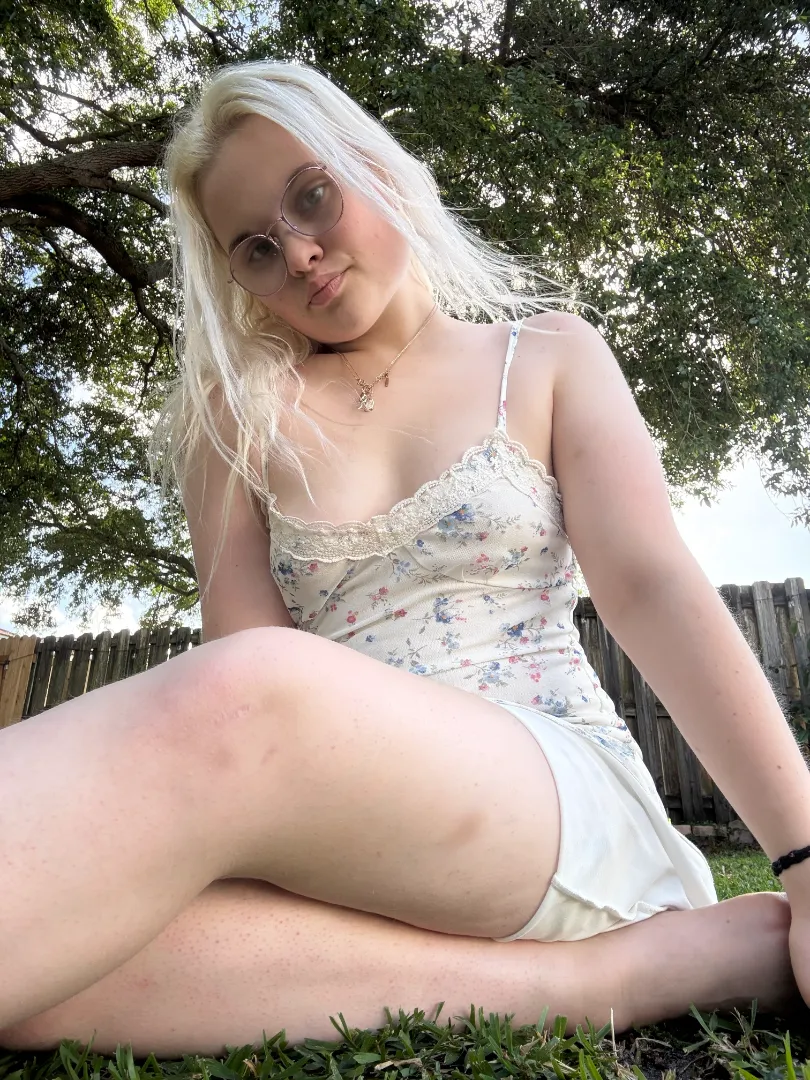
Rossano’s journey into public storytelling began from a deeply personal place. As she has shared, many of the emotions and experiences that shaped her work started early in life, when she was navigating both physical and emotional challenges without always having the language to describe what she was feeling. Over time, she realized that many of those feelings were not unique to her: they were shared experiences that others also struggled to articulate. That realization became the catalyst for her decision to begin sharing her voice online, not from a place of having all the answers, but from a place of honesty and exploration.
The Making of a Voice
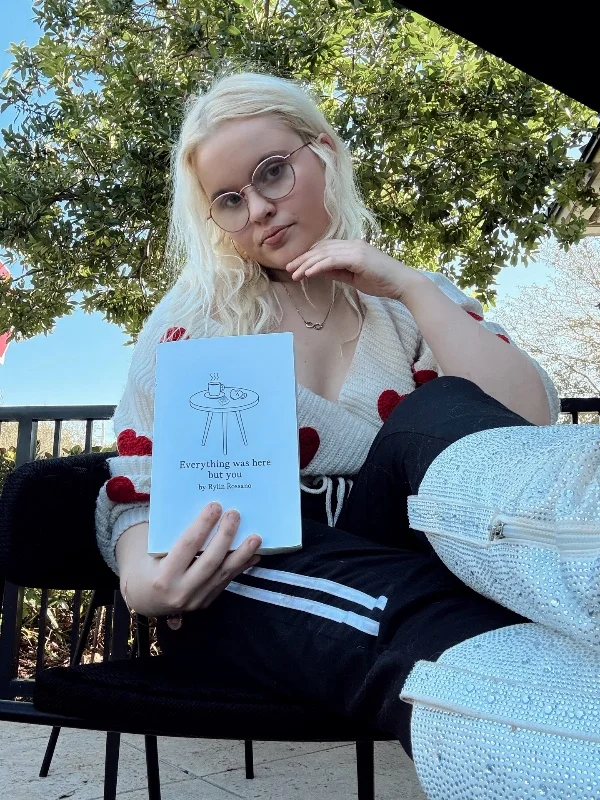
Rossano’s creative identity is rooted in storytelling. She is an author, podcaster, and creative director whose work draws from personal experiences with mental health, chronic illness, and emotional recovery.
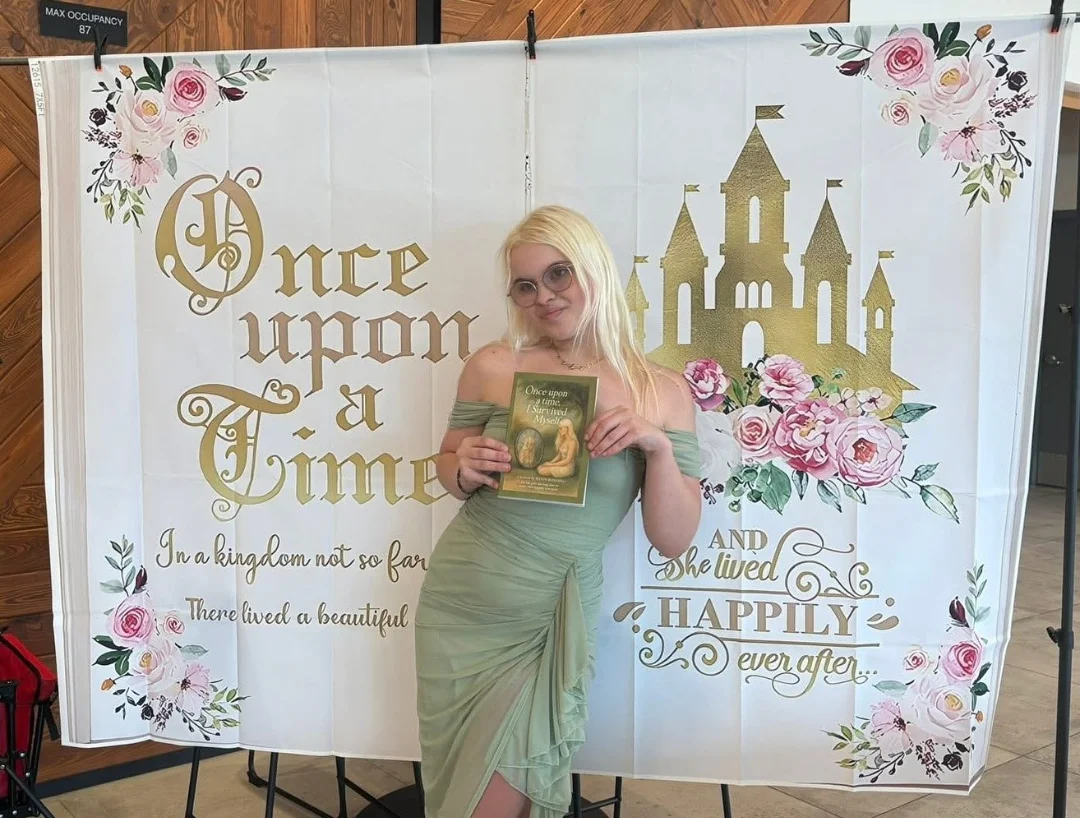
At an age when many are just beginning to define themselves, she published her debut book, Once Upon a Time, I Survived Myself, a memoir-inflected work that blends narrative, reflection, and poetic language.
The title itself reads like a thesis statement for her body of work: survival not as a distant milestone, but as an ongoing, deeply personal process.
Her writing does not present healing as linear. Instead, it acknowledges relapse, uncertainty, and contradiction – the reality that growth often arrives unevenly, in fragments rather than resolutions.
For Rossano, writing was not initially an act of courage as much as it was a necessity. She has described it as the only place where she could fully be honest with herself while processing what she had experienced. The process of writing her memoir was deeply emotional and at times overwhelming, but also liberating, allowing her to confront difficult experiences while beginning to understand them. Sharing the book publicly meant exposing vulnerability, yet it also felt like finally telling the truth – to both herself and her readers.
Writing continues to play a central role in her healing process. Rossano often describes it as a way to give structure to emotions that may otherwise feel overwhelming, helping her process complex feelings with greater clarity and compassion.
Building “Take Care”
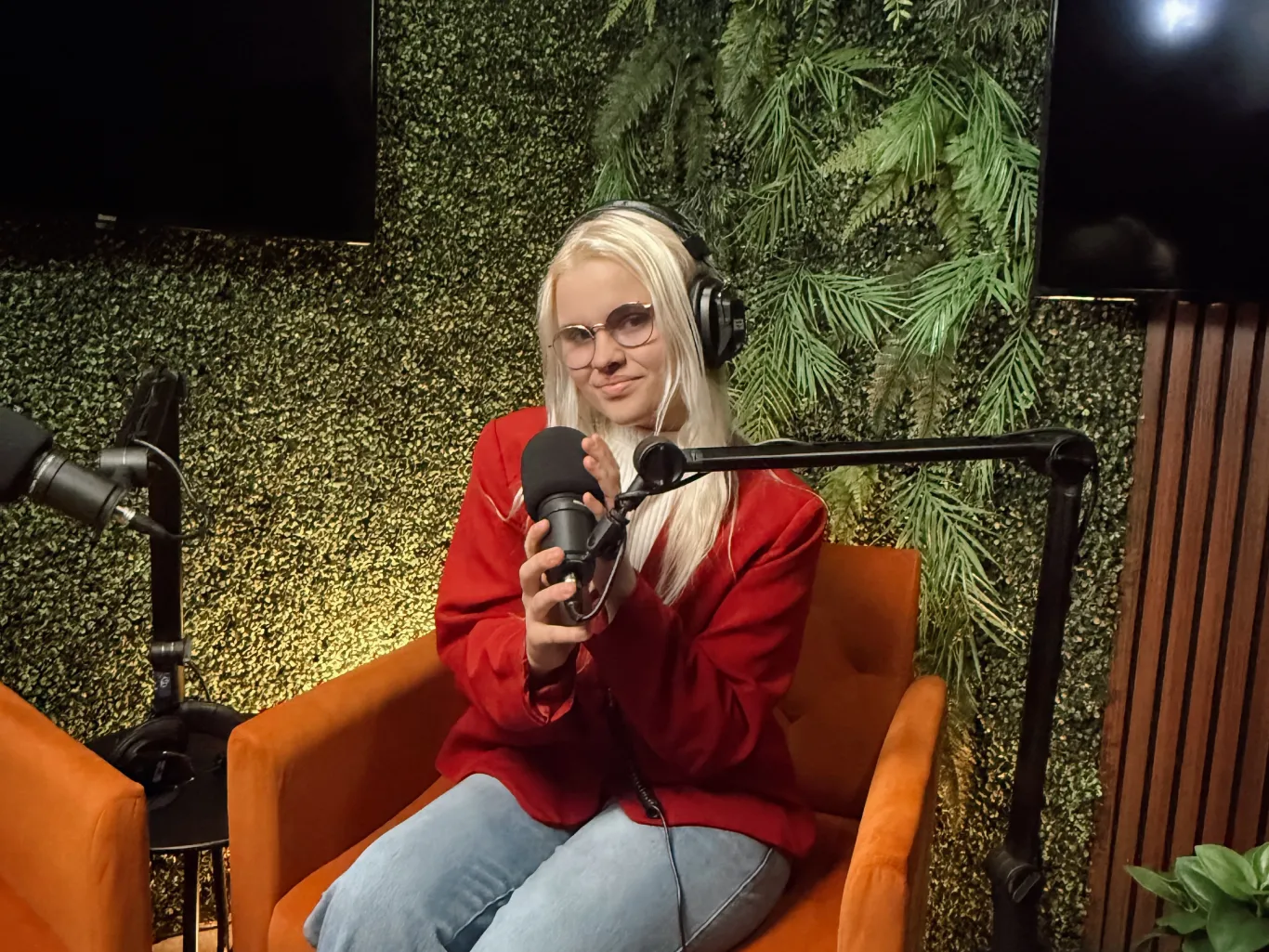
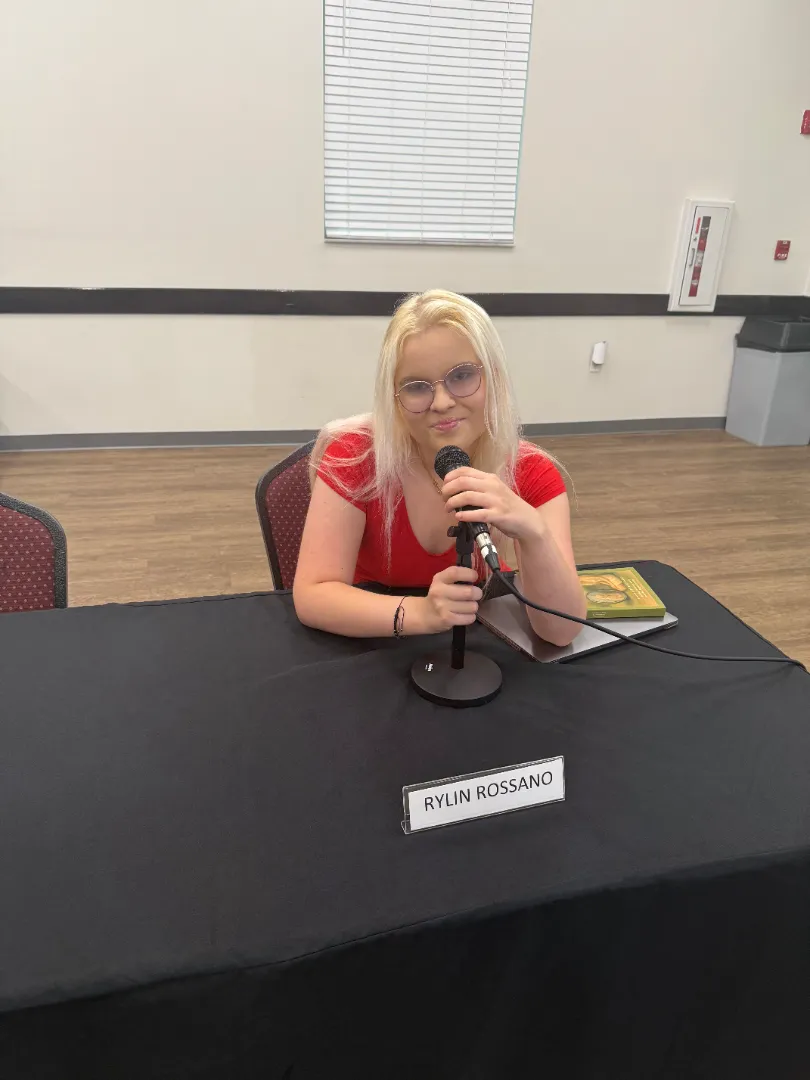
If her Instagram functions as a visual diary, her podcast, “Take Care of Your Body by Ry” serves as a conversational extension of that same ethos.
The show brings together a wide range of voices: therapists, doctors, creators, and individuals navigating their own healing journeys.
Across episodes, Rossano explores topics such as body image, chronic illness, eating disorder recovery, and emotional resilience.
But the tone remains distinctly personal. The podcast is less about expertise in the traditional sense and more about shared experience: what it feels like to exist in a body that is not always easy to inhabit, and to learn, slowly, how to care for it anyway.
The idea for the podcast emerged from a deeply emotional experience during a medical appointment where Rossano felt dismissed while trying to explain what she was experiencing with her own health. Leaving the appointment feeling unheard and unsupported, she realized how many people navigate their physical and mental health without feeling truly listened to. That moment became the turning point that inspired Take Care of Your Body by Ry: a space designed to make conversations about health, healing, and self-care more human, honest, and compassionate.
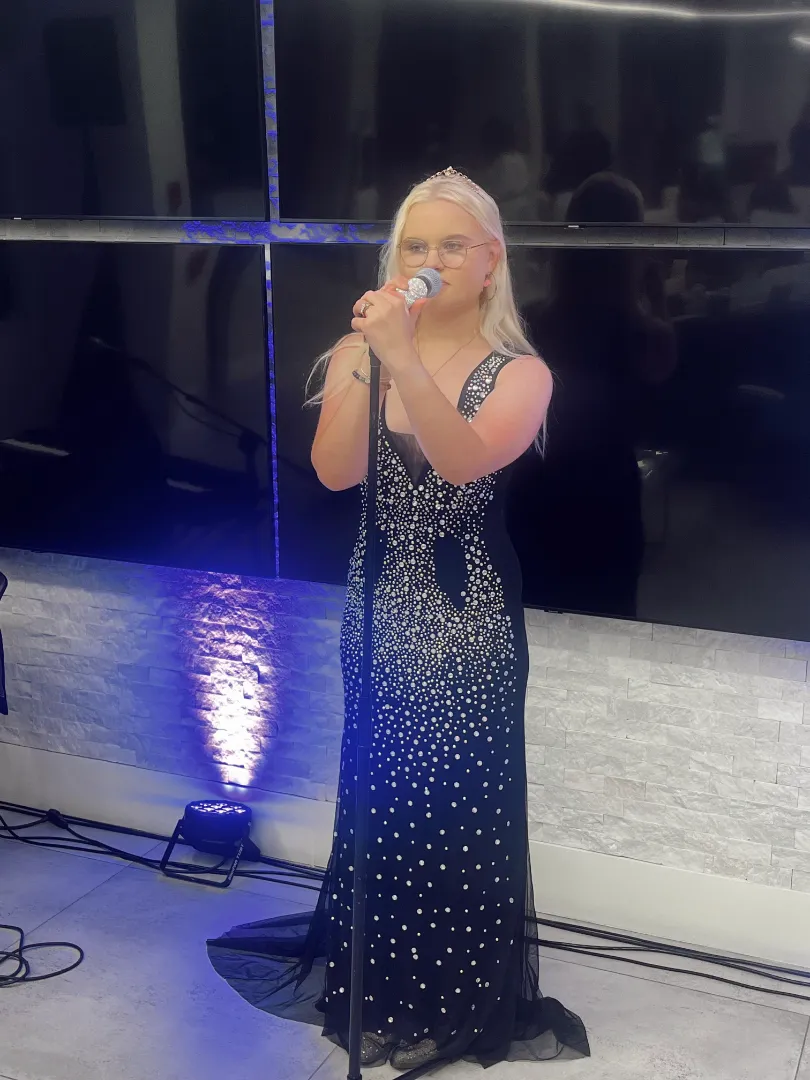
The language she uses reflects this approach. Healing is not framed as a destination, but as a practice. Self-care is not aestheticized into routines alone, but expanded into something more complex: learning to listen, to rest, to forgive.
Rossano also emphasizes that healing is rarely linear. It can involve confusion, setbacks, and difficult moments alongside progress – experiences she believes deserve just as much attention in conversations about wellness.
The Aesthetics of Softness
Scroll through @rylinrosee, and a pattern emerges not just in content, but in feeling.
There are references to coffee, journaling, and late-night thoughts. There is an emphasis on softness, not as weakness, but as resistance.
The imagery and tone align with a broader cultural shift sometimes described as “soft girl” energy, though Rossano’s interpretation carries more weight than trend.
Softness, in her work, is not about passivity. It is about survival without hardening completely.
In a digital culture that often rewards sharpness: quick wit, curated perfection, emotional detachment – this kind of openness can feel almost radical.
Rossano’s platform reflects that tension. It is polished enough to reach an audience, yet personal enough to feel unguarded.
At the heart of that openness is a commitment to authenticity. Rossano has explained that she does not create content from a place of performance, but from lived experience. That perspective shapes the tone of her platform, allowing followers to connect not with a curated persona but with someone openly navigating growth, healing, and self-discovery.
Storytelling as Connection
What distinguishes Rossano’s work from traditional wellness influencers is her emphasis on storytelling over prescription.
Rather than presenting solutions, she often presents experiences. Instead of instructing her audience on how to heal, she invites them into the process of healing itself.
This approach aligns with a broader trend in digital media, where audiences are increasingly drawn to authenticity over authority. People are less interested in being told what to do; and more interested in seeing how others navigate similar struggles.
Rossano’s storytelling creates that sense of shared experience. Her audience is not positioned as passive listeners, but as participants: people who recognize parts of their own lives within her narratives.
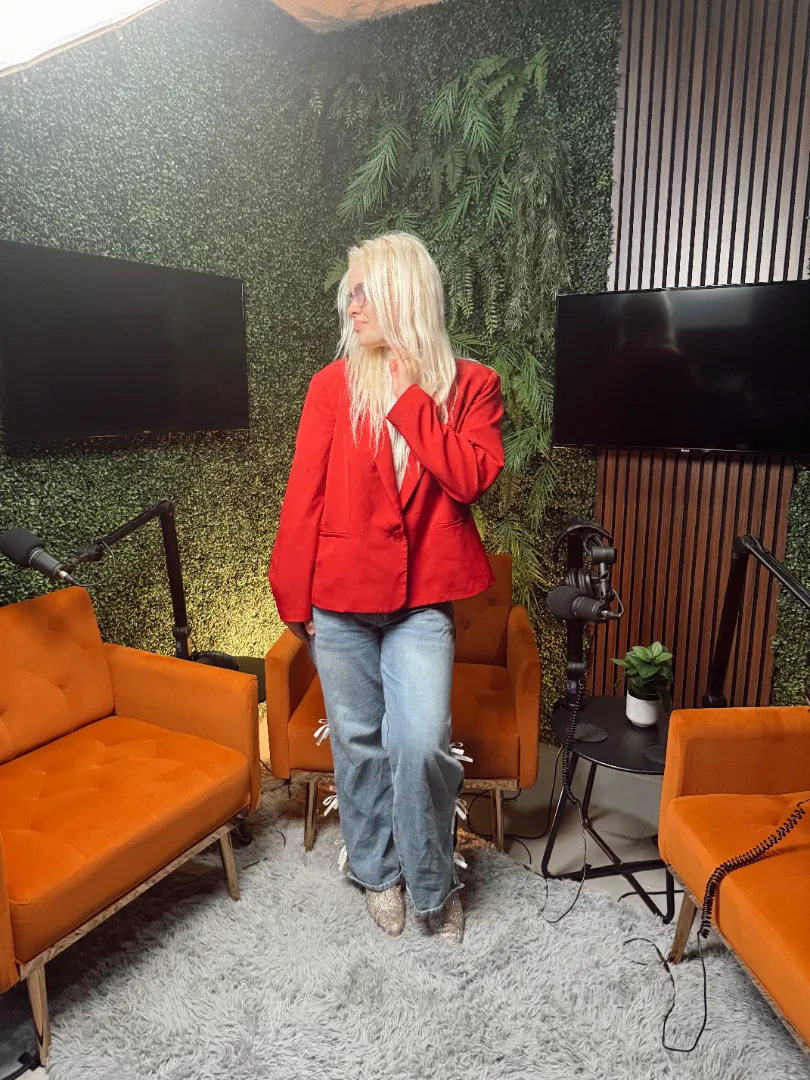
The community she envisioned for her platform was always rooted in connection. Her goal was to create a space where people felt understood and less alone in what they were experiencing. Over time, that space has evolved into something larger than content itself: a network of followers who engage with one another through shared vulnerability and empathy.
The Body and Its Stories
Central to Rossano’s work is the idea that the body carries stories – some visible, others not.
Her podcast frequently explores the relationship between physical health and emotional well-being, highlighting how issues like stress, trauma, and societal pressure manifest in the body.
Episodes have addressed topics ranging from hormonal health and eating disorders to chronic fatigue and recovery, often featuring conversations that bridge personal experience with professional insight.
In these discussions, the body is not treated as a problem to be fixed, but as something to be understood.
Rossano also emphasizes the emotional isolation that can occur when individuals feel dismissed or not believed about their health experiences. By addressing these realities openly, her platform creates room for conversations that many people rarely see reflected in mainstream wellness narratives.
This perspective reflects a shift in contemporary wellness culture, away from rigid ideals and toward a more nuanced understanding of health as deeply individual and interconnected.
A Generation Speaking Differently
Rossano’s rise is part of a larger generational shift in how young creators approach identity, vulnerability, and public expression.
Where previous eras of internet culture emphasized curation and distance, this new wave leans into intimacy. The boundaries between personal and public are more fluid, and emotional transparency is often seen as a form of strength rather than oversharing.
Rossano herself acknowledges this dynamic. Her work embraces what she calls “oversharing,” reframing it as a tool for connection rather than something to be avoided.
In doing so, she challenges the long-standing notion that certain emotions, grief, insecurity, and confusion should remain private.
Instead, she places them at the center of her storytelling.
At the same time, Rossano has learned to balance authenticity with personal boundaries. She often notes that honesty online does not require sharing every detail of one’s life; some experiences remain private while still allowing the broader emotional truth to be shared.
The Quiet Influence of Being Seen
Influence, in the traditional sense, is often measured in numbers: followers, views, and engagement. But there is another kind of influence: quieter, less quantifiable.
It is the feeling of being understood.
Rossano’s work operates within that space. Her impact lies not only in the size of her audience; but in the depth of connection she fosters with it.
For followers navigating their own experiences with mental health, identity, or recovery, her content offers something simple yet significant: recognition.
Messages from followers who say her words helped them feel seen during difficult moments remain among the most meaningful parts of her work. Those interactions remind her that sharing honestly can have a real and lasting impact on others.
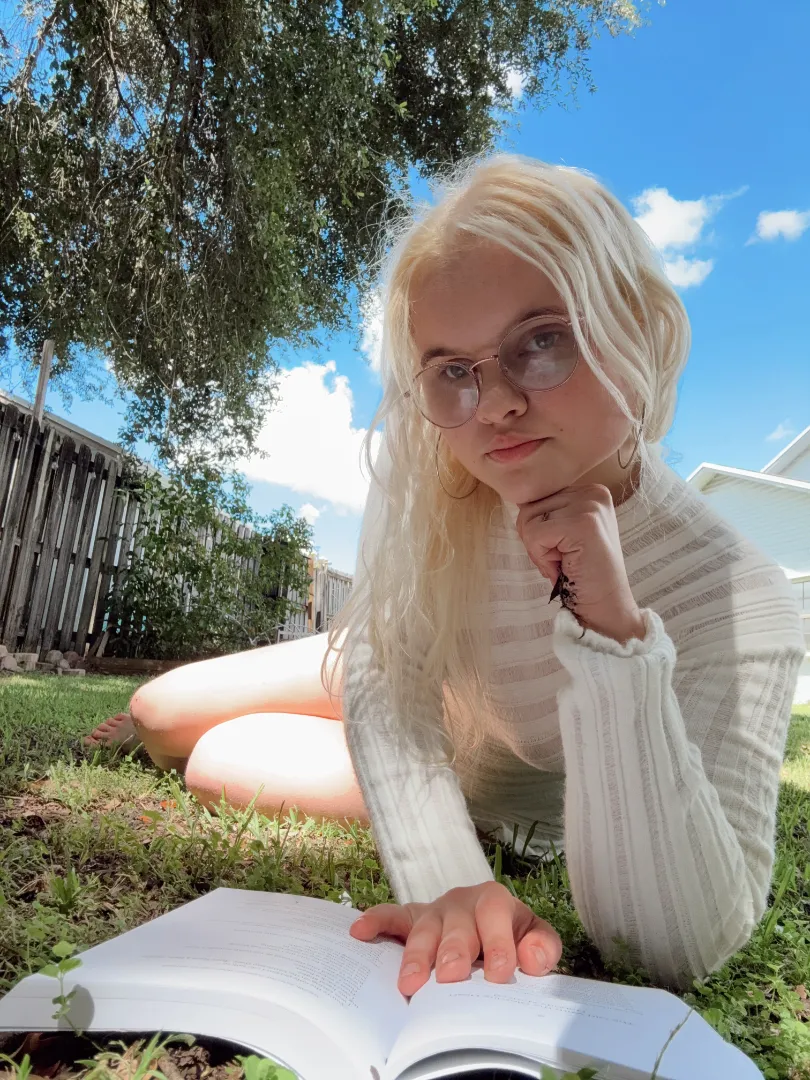
A reminder that healing does not have to look a certain way. That softness can coexist with strength. That survival, even when messy and incomplete, is still something worth honoring.
As Rossano often reflects, healing becomes visible not only when feelings change, but when people begin responding differently to the patterns and experiences that once held them back.
Learn More and Get Connected
- Follow Rylin Rossano’s main Instagram:
https://www.instagram.com/rylinrosee/ - Explore her wellness platform and community:
https://www.instagram.com/takecarebyry/ - Listen to her podcast Take Care of Your Body by Ry:
https://podcasts.apple.com/us/podcast/take-care-of-your-body-by-ry/id1732373945 - Visit her official website and creative hub:
https://rylinrossano.com/