In the crowded ecosystem of Instagram art accounts where everything from watercolor botanicals to hyperrealist portraits competes for attention, some creators carve out a stranger niche. The account of Kleinian, visible through the Instagram handle kleinian_, belongs to that rarer category: artists who blur the boundaries between design, speculative science, and conceptual art.
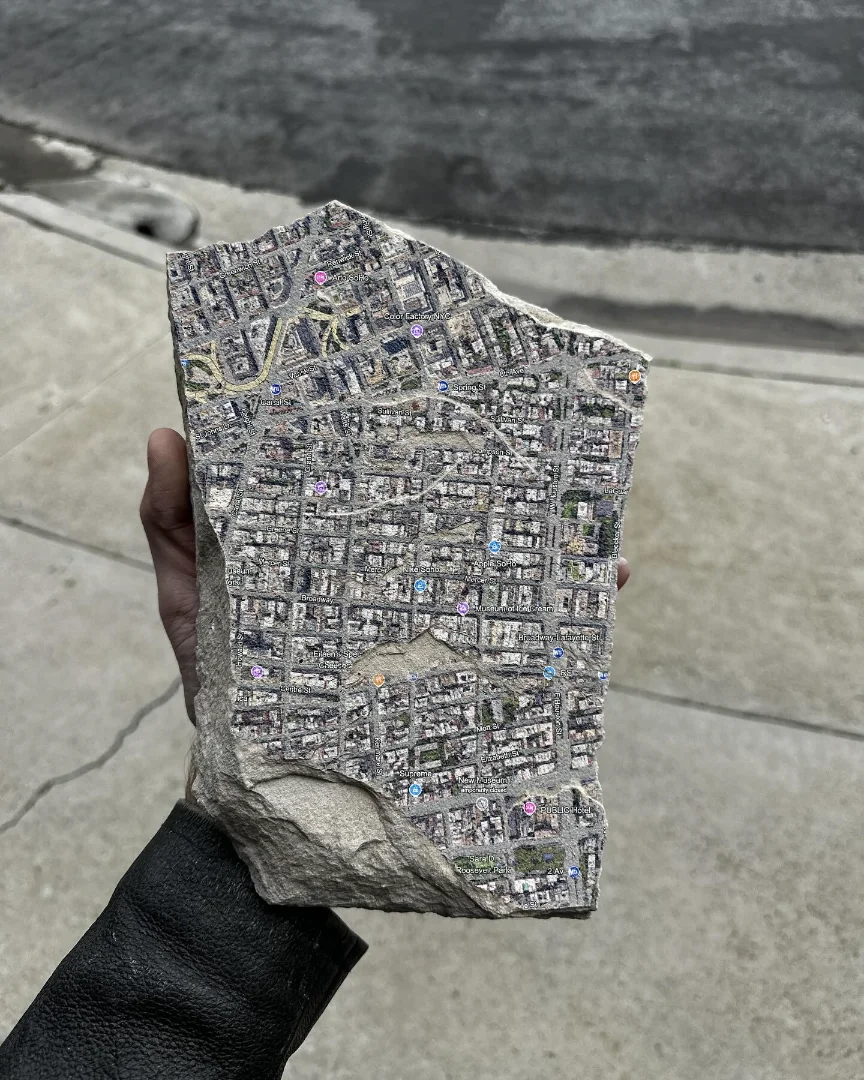
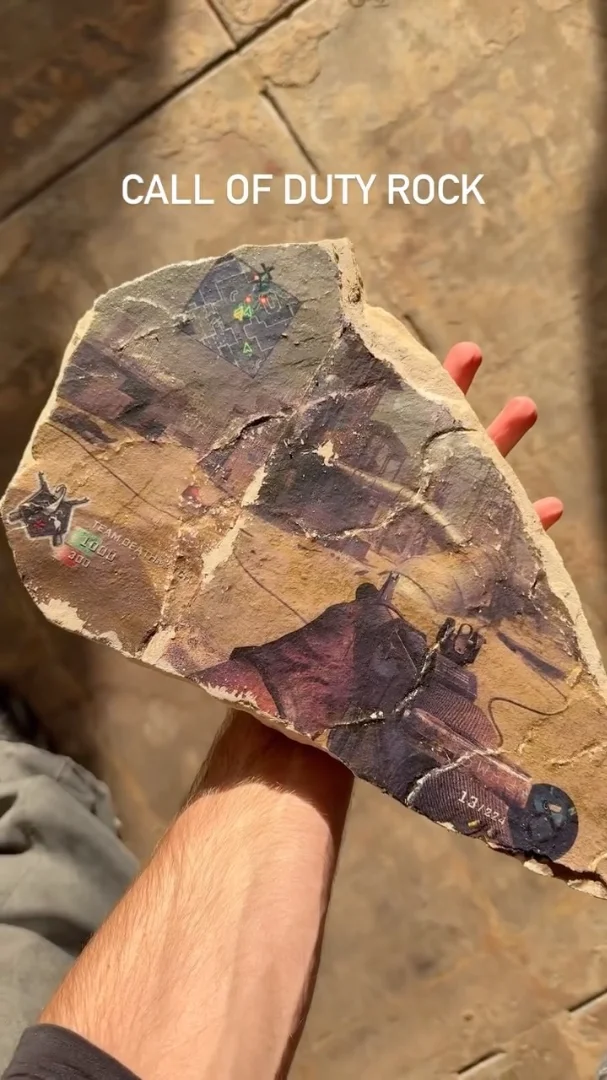
Scrolling through the artist’s work feels less like browsing a typical portfolio and more like walking through a laboratory exhibit of artifacts from the future. Objects that resemble fossils, fragments of circuitry, petrified media devices, and speculative organisms appear cataloged like archaeological specimens. The aesthetic suggests a strange thought experiment: what if the digital world eventually fossilized like prehistoric life?
This conceptual approach sits at the core of Kleinian’s broader project, often described as “Modern Archaeology.” On the artist’s official site, the concept is presented as a collection of limited-edition artworks and objects inspired by the intersection of earth, technology, and time.
Excavating the Digital Age
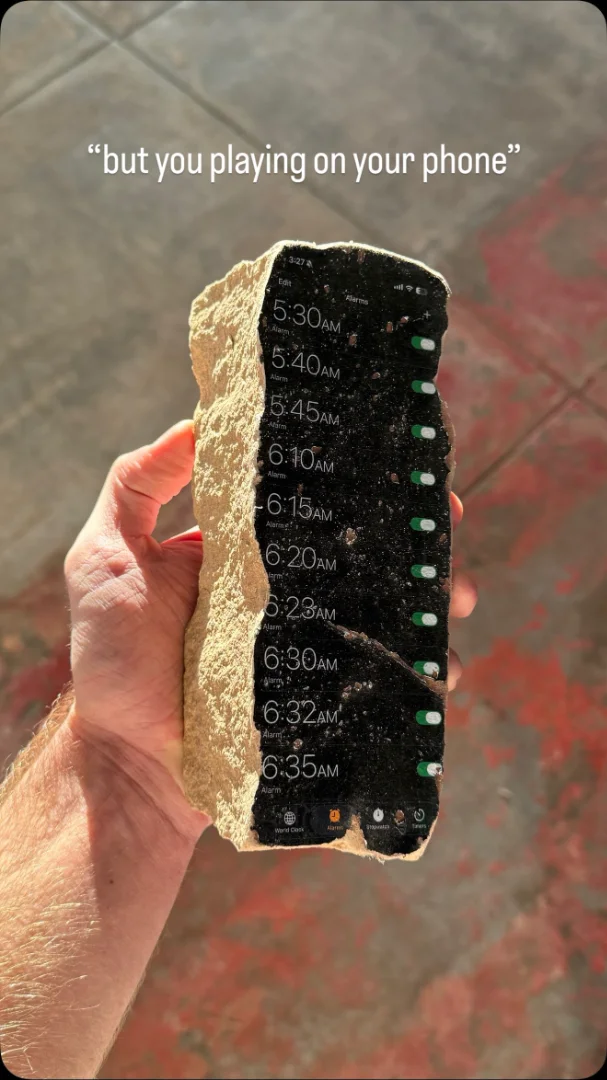
Much of Kleinian’s work imagines the artifacts of contemporary culture: music, software, electronics, and internet symbols – reinterpreted as physical relics buried within geological layers. In this imagined future, today’s technologies appear like the fossilized bones of an extinct species.
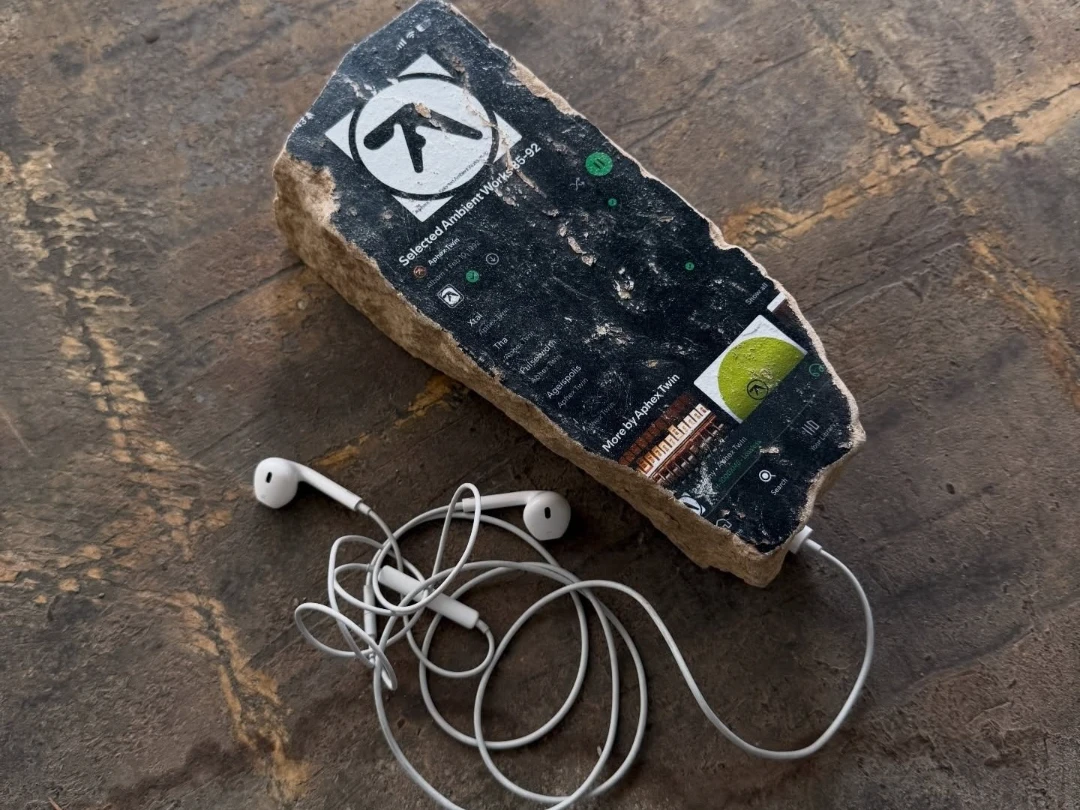
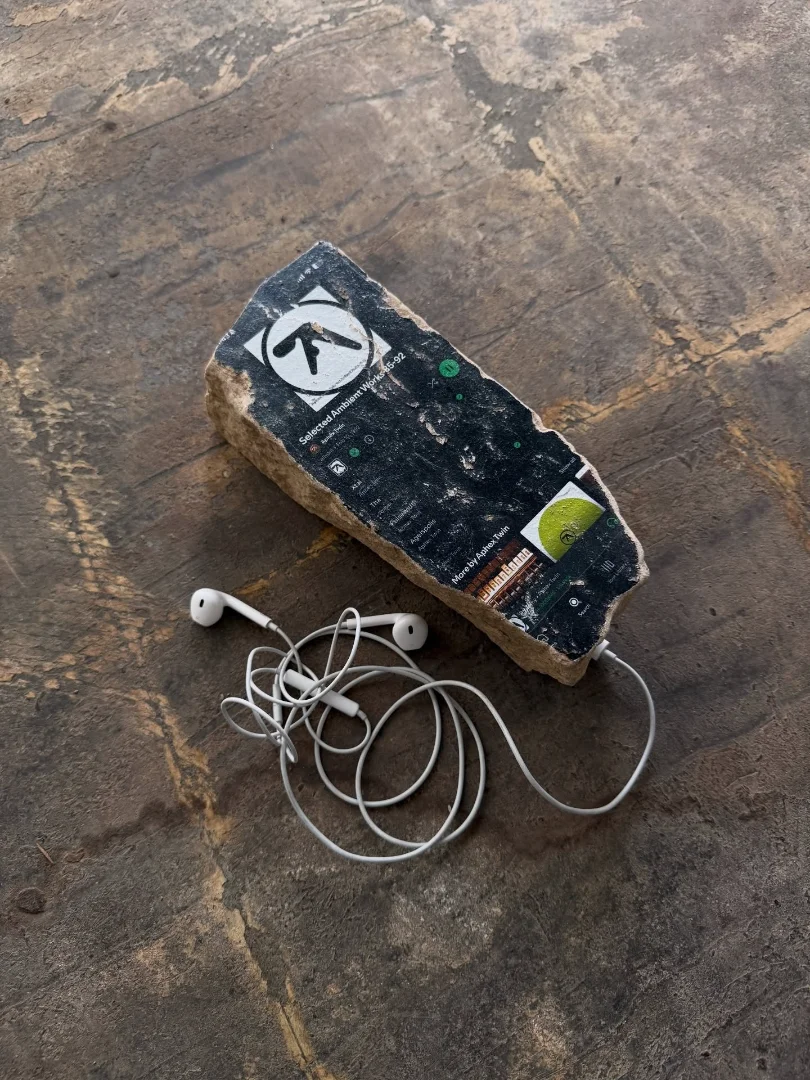
One of the more striking examples in the artist’s catalog features a conceptual “fossil” inspired by electronic music culture. The piece resembles a carved stone tablet containing a stylized imprint of a digital music interface, as though a streaming platform had somehow been preserved in sedimentary rock.
The effect is both humorous and quietly unsettling. It implies a future archaeologist uncovering traces of our digital lives the same way scientists now uncover ammonites or trilobites.
This blending of speculative fiction and design is what distinguishes Kleinian’s work from more traditional digital illustration. The pieces are less about representation and more about storytelling through objects.
Art as Artifact
Kleinian’s objects are often presented as if they were specimens cataloged in a scientific archive. Titles frequently reference research, specimen collection, or geological classification, reinforcing the illusion that viewers are encountering items retrieved from an excavation site.
Even the surrounding branding reflects this narrative. Posters are labeled like research documents. Accessories are branded as equipment or field gear. The artist’s online shop includes items such as “research specimen” prints and artifacts presented in limited quantities, echoing the exclusivity of rare discoveries.
The overall effect places the viewer somewhere between a museum gallery and a speculative science exhibit.
Aesthetic Influences: Minimalism Meets Sci-Fi
Visually, Kleinian’s work draws from several artistic traditions at once.
Minimalism plays a major role in the presentation. The objects often appear against stark backgrounds, with clean typography and a restrained color palette that emphasizes stone, metal, and neutral tones. This restraint allows the central artifact, the imagined fossil or relic – to dominate the composition.
At the same time, the pieces evoke elements of science fiction design. The imagined artifacts evoke a sense of familiarity, reminiscent of props from speculative films or concept art for distant civilizations.
Yet the artist’s focus remains grounded in the present. The relics frequently reference contemporary technology: media players, user interfaces, audio platforms, and other markers of digital life. The result is an uncanny blend of familiarity and estrangement.
Instagram as a Museum
On Instagram, Kleinian’s feed functions almost like a digital exhibition space. Each post appears less as a casual upload and more as a carefully staged presentation of a specimen. Lighting, textures, and typography create the impression of objects photographed in controlled archival conditions.
This museum-like curation aligns with a broader trend among contemporary digital artists who use social media as a form of gallery rather than merely a marketing platform. Instagram becomes the exhibition hall where viewers can browse, interpret, and speculate about the fictional histories embedded in the work.
For audiences accustomed to more traditional painting or illustration accounts, the experience can feel surprisingly immersive.
The Cultural Archaeology of Now
What makes Kleinian’s concept particularly compelling is its underlying philosophical question: how will the digital age be remembered?
Most of our cultural output – music streams, social media posts, software interfaces, exists only in intangible form. Unlike ancient pottery or sculptures, these artifacts leave little physical trace.
By reimagining digital culture as something that could fossilize, Kleinian effectively creates a fictional archive of the present. The artworks act as hypothetical remnants of our technological civilization.
It is a playful idea, but also a subtle commentary on impermanence.
The Future of Speculative Design
Artists like Kleinian represent a growing movement within contemporary art and design that blends storytelling with object-making. Sometimes referred to as speculative design or design fiction, this approach uses visual artifacts to imagine possible futures, or reinterpret the present through fictional narratives.
Instead of painting landscapes or portraits, the artist invents objects that imply entire worlds. Each piece becomes a clue to a larger story that viewers are invited to reconstruct.
In Kleinian’s case, that story is a strange archaeological dig into the ruins of the internet age.
Why the Work Resonates
Part of the appeal of Kleinian’s project lies in its ability to transform everyday digital culture into something mysterious and almost ancient. A music platform becomes a stone fossil. A modern interface becomes a relic.
The transformation forces viewers to step back from the constant immediacy of technology and imagine it from the perspective of deep time.
What feels permanent today: apps, devices, platforms- may someday appear as strange and cryptic as hieroglyphs.
A Museum of Tomorrow
Whether encountered through prints, physical objects, or carefully composed Instagram posts, Kleinian’s work ultimately functions as a speculative museum of the future.
Each piece asks the same quiet question:
If archaeologists thousands of years from now tried to understand our world, what traces would they find?
In Kleinian’s imagined archive, the answer is simple: fragments of technology turned to stone – digital fossils from a civilization that once lived almost entirely online.
Explore More of Kleinian’s Work
Instagram: https://www.instagram.com/kleinian_/
Official Website: https://kleinian.com/
Contact / Projects: https://kleinian.com/pages/contact