
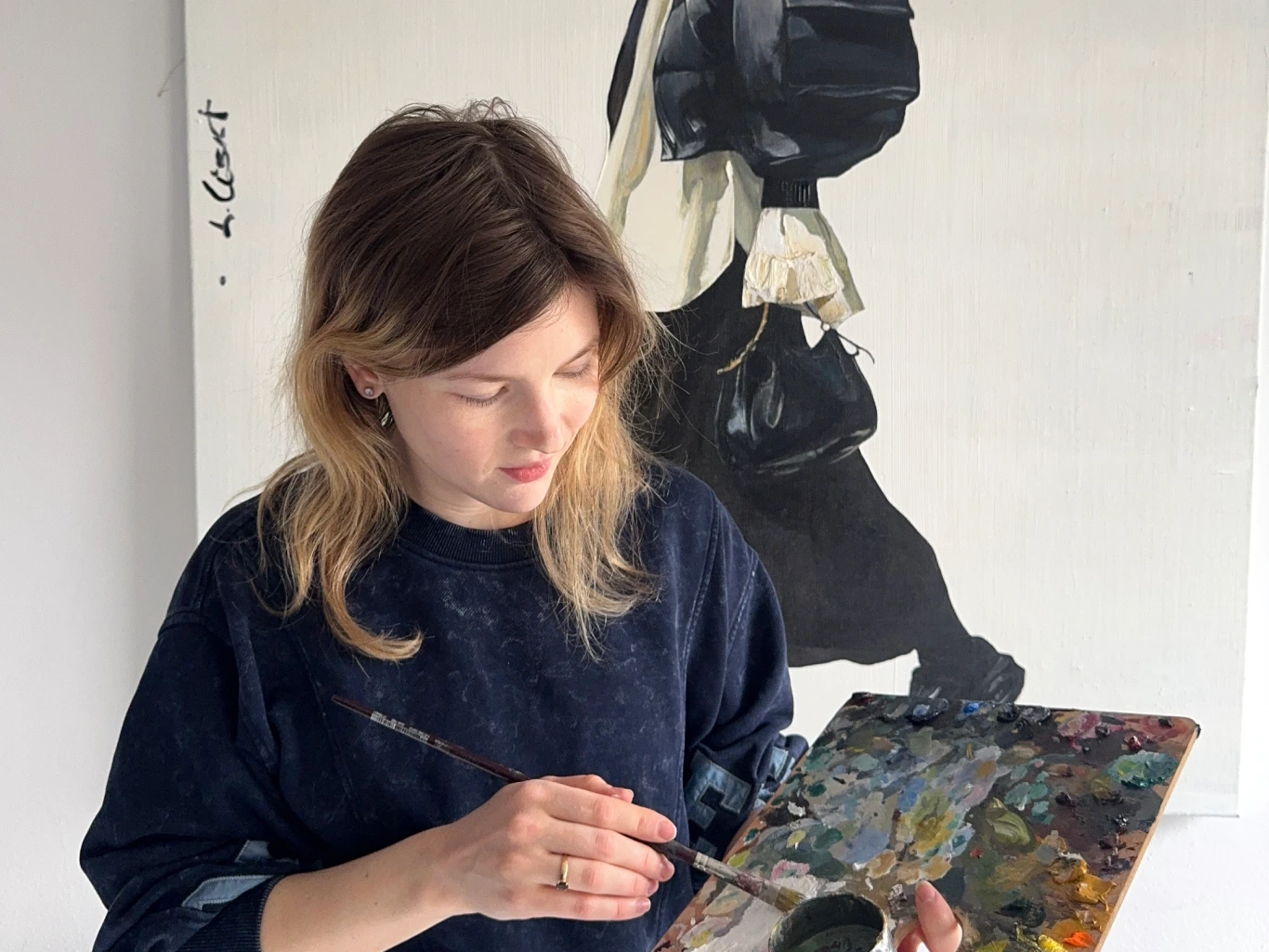
In the ever-moving stream of images that defines Instagram, certain artists manage to slow the scroll. Their work interrupts the endless feed of fleeting visuals and instead invites viewers to linger: to look closely, to notice details, to reflect. The account @irinaliski_ belongs to one of those artists.
The paintings and sketches shared through the feed of Irina Liski possess a quiet, contemplative quality that feels almost rebellious in an age of visual overload. While much of contemporary digital culture thrives on spectacle, Liski’s work moves in the opposite direction: inward, toward observation, memory, and the subtle poetry of everyday life.
The result is a body of work that feels both classically rooted and unmistakably modern.
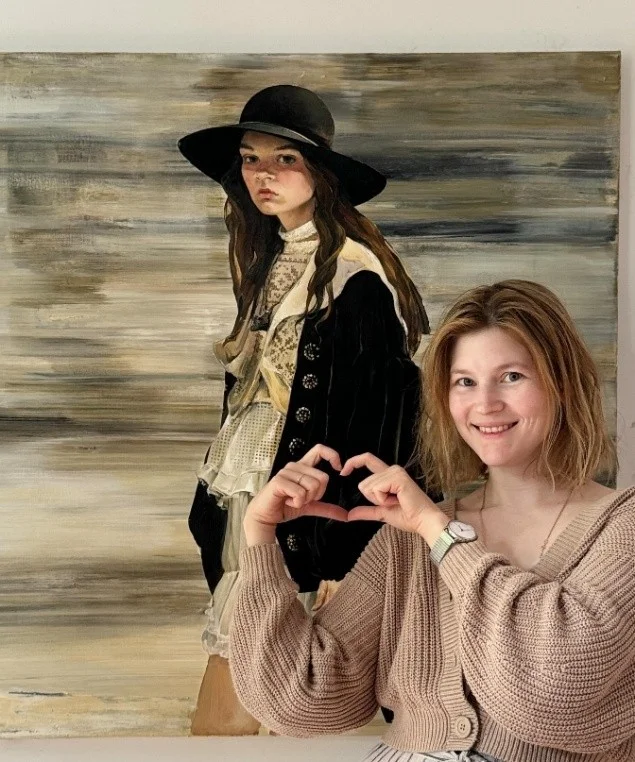
A Life Devoted to Painting
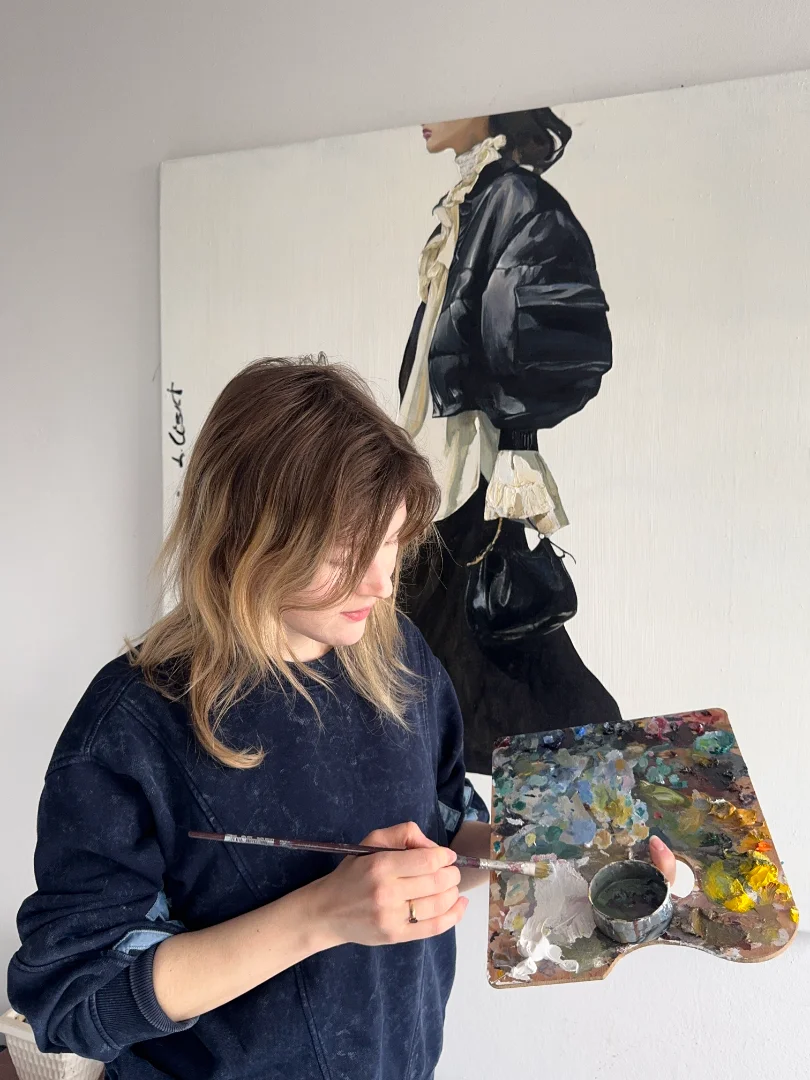
Behind the Instagram account is a painter with a rigorous artistic foundation. Irina Liski, born Irina Zelenina in 1992 in the Voronezh region of Russia, has spent years developing her craft through formal training and dedicated practice.
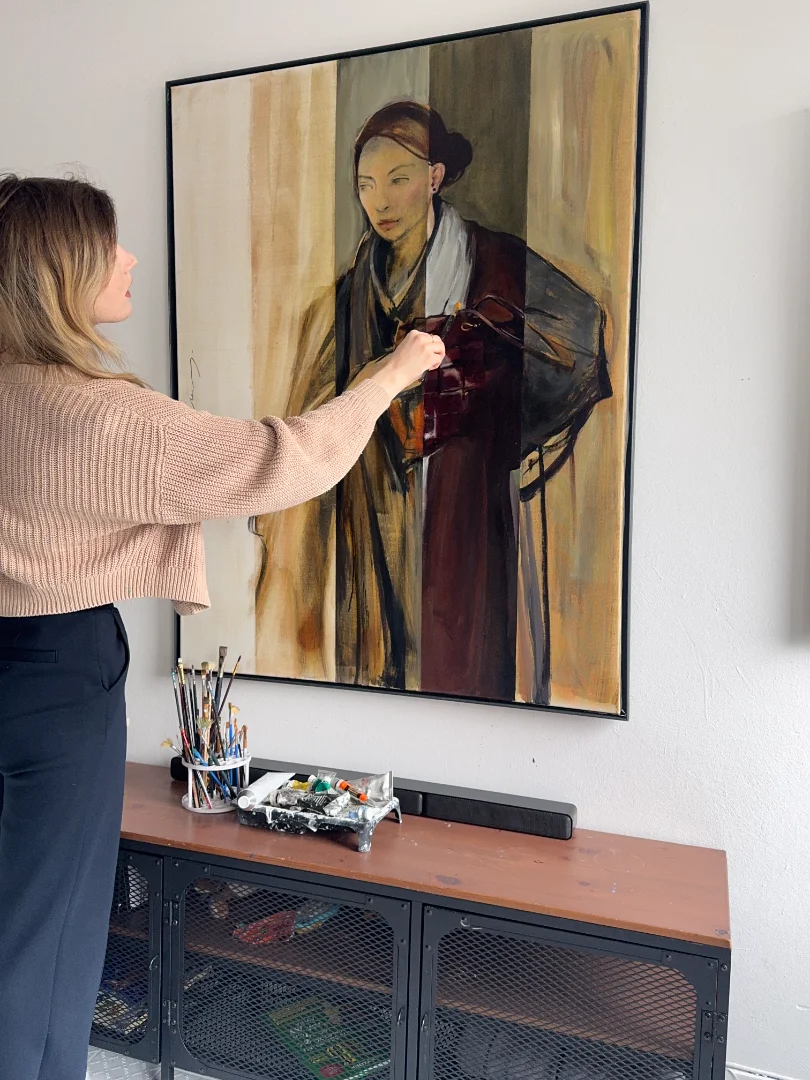
She studied at art school and professional art institutions before continuing her education at an academy of arts, where she trained specifically in painting.
Her early connection to art was deeply personal. She has shared that academic success did not come easily in school, but time spent in the art studio brought her a sense of achievement and joy, fueling her determination to pursue painting seriously. Inspired by the Old Masters, she set out to master academic drawing as the foundation of her artistic identity.
This classical education is evident in the structure of her work. Even when the subject matter feels spontaneous or intimate, the paintings reveal a strong understanding of composition, tone, and technique.
Liski’s artistic philosophy reflects that deep commitment. In her artist statement, she describes art as a lifelong pursuit—one that requires dedication not just to the finished work but to the ongoing process of growth and experimentation. Each painting, she suggests, becomes a kind of personal challenge, a moment where the artist competes only with her own evolving abilities.
The Poetry of the Everyday
Scroll through Liski’s work, and a pattern emerges. Instead of grand historical scenes or dramatic spectacles, her paintings often focus on intimate observations: interiors, natural elements, fleeting moments, quiet landscapes.
These scenes do not demand attention – they reward it.
A recurring theme across her paintings is the relationship between people and their environment. Objects, light, and architectural details often become as important as the figures themselves. Windows frame small worlds. Plants interrupt the geometry of buildings. Everyday spaces gain emotional resonance through color and texture.
This sensitivity to observation is closely tied to her perspective as an artist. She has described her role as that of an outside observer, someone who studies people, their behavior, and their emotional states, translating those impressions into visual form.
This focus aligns with one of the artist’s ongoing conceptual explorations, examining the material presence of the world around us through painting. Inspired partly by classical techniques and old master traditions, Liski uses realistic approaches while continuing to search for new directions within contemporary art.
Her style can be described as “romantic realism,” blending emotional expression with structured, representational techniques.
In other words, the work stands in conversation with history while remaining open to experimentation.
Between Tradition and Modern Expression
Many contemporary artists struggle to balance tradition with innovation. Liski appears to embrace the tension between the two.
Her background in academic painting gives her work a strong technical base – something visible in the careful treatment of light, proportion, and surface. At the same time, her approach does not feel confined by strict realism. Colors shift toward emotional tones rather than purely descriptive ones, and compositions often prioritize atmosphere over literal representation.
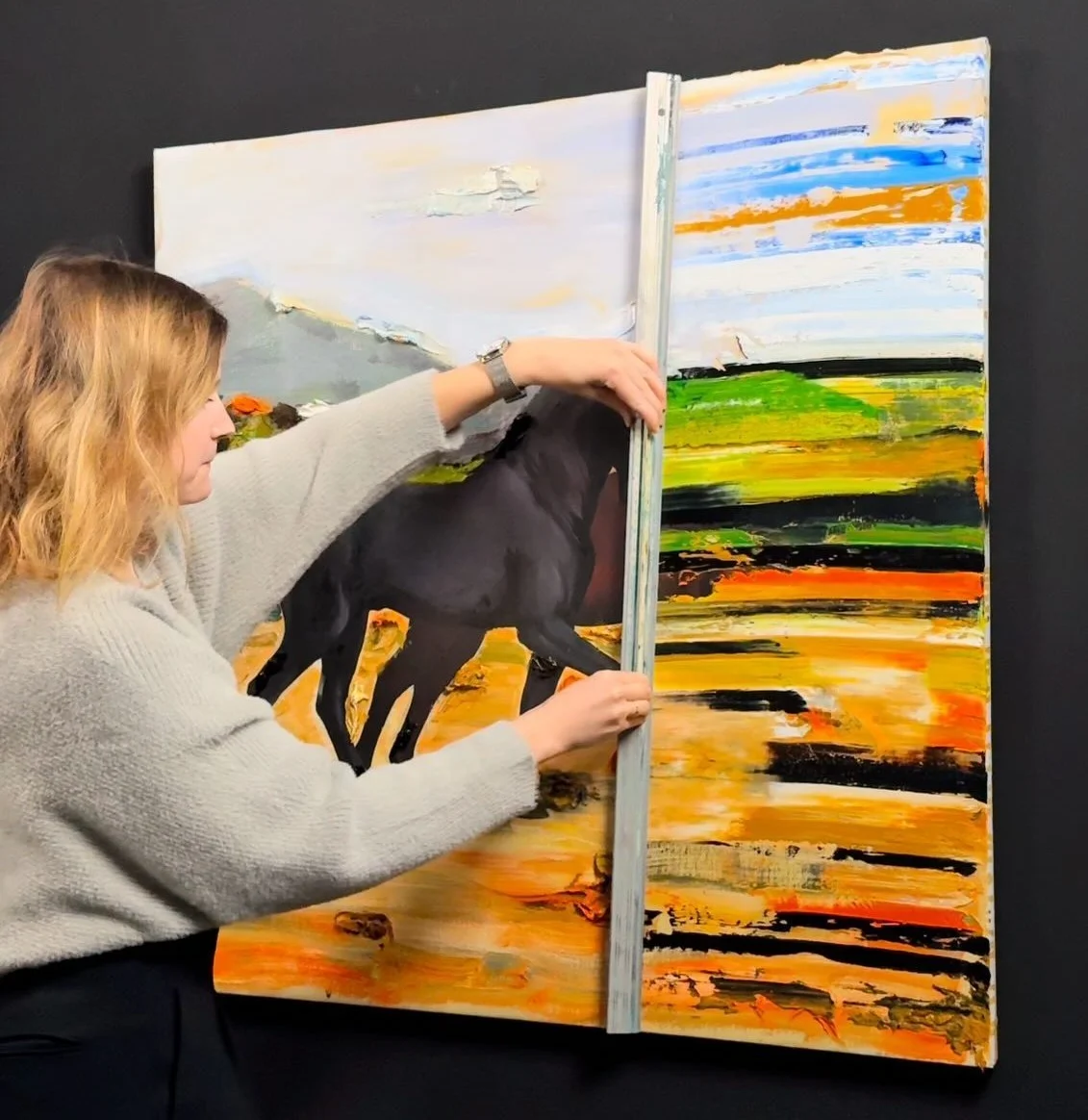
Her engagement with Impressionism has also played a lasting role in shaping this approach – particularly the idea that color should be felt rather than simply seen, a principle that continues to inform her work today.
The effect is subtle but powerful.
Rather than presenting reality exactly as it appears, Liski’s paintings evoke how it feels to experience a place or moment.
That emotional quality is perhaps why her work translates so effectively to digital platforms. Even when viewed through a smartphone screen, the paintings carry an unmistakable sense of texture and depth.
From Studio to Global Audience
While the artist’s work begins in the solitude of the studio, its reach extends far beyond it. Liski’s paintings have appeared in exhibitions and publications, and her works are now held in private collections across multiple countries—including the United States, Germany, China, and the United Kingdom.
One of her paintings is also housed in the Bakhchisarai State Museum, further demonstrating how the work moves between personal expression and institutional recognition.
Over the past several years, Liski has participated in exhibitions and competitions while continuing to develop new projects. Among them is a series exploring the relationship between plants and architectural spaces, a concept that reflects her ongoing interest in how natural forms interact with built environments.
Today she lives and works in Europe, continuing to expand both her artistic vocabulary and her international presence.
The Digital Gallery
For many contemporary artists, social media has become an unexpected gallery space. Instagram in particular has transformed how art circulates, allowing painters and illustrators to present their work directly to audiences without relying solely on traditional institutions.
Liski’s account operates almost like a curated exhibition wall.
Each post functions as a small window into the artist’s evolving practice – whether it’s a finished painting, a sketch, or a glimpse of work in progress. The platform allows followers to observe not just the final pieces but the journey behind them.
For Liski, this digital presence has been transformative. She has noted that social media allows artists to build direct communication with audiences and reach a scale that traditional galleries rarely offer: one of her videos, for example, reached tens of millions of viewers worldwide.
In that sense, Instagram becomes an extension of the studio itself.
The digital environment also allows viewers from different countries to encounter Liski’s work simultaneously, creating a global audience that traditional gallery systems might not easily reach.
Painting as Reflection
What ultimately distinguishes Irina Liski’s work is its sense of reflection: both literal and philosophical.
The paintings rarely shout. They whisper.
Yet within those quiet compositions lies a deeper investigation of perception, memory, and presence. The artist is less interested in spectacle than in capturing the subtle emotional currents that run beneath everyday experiences.
Interestingly, Liski does not aim to shock or overwhelm the viewer. Instead, she embraces a quiet contradiction: encouraging viewers to slow down through works that often involve dynamic visual transformations.
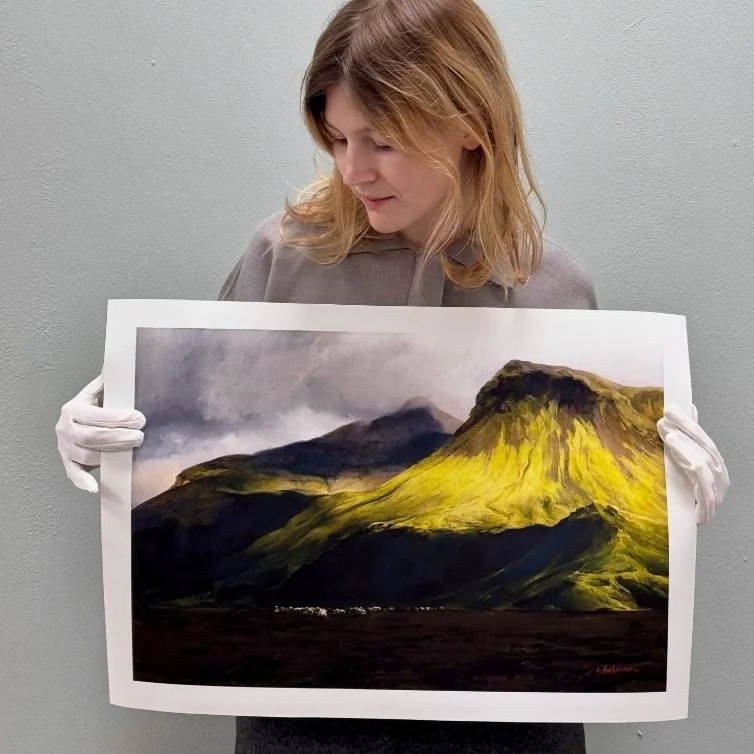
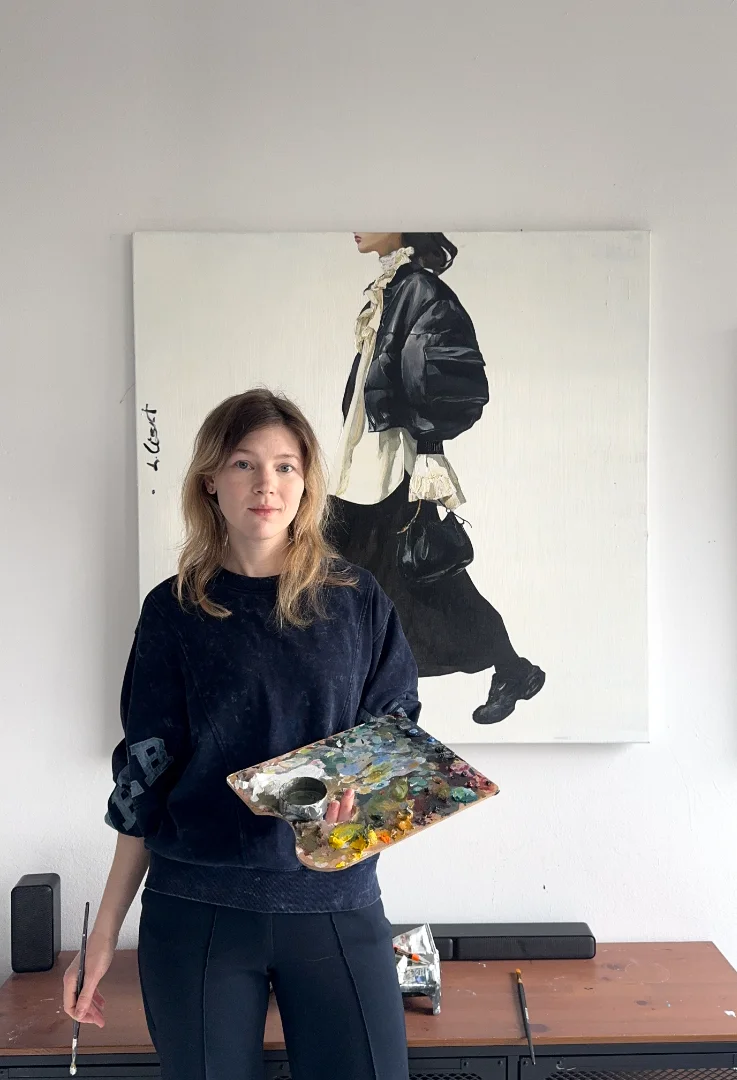
The strong emotional reactions her work receives, both positive and critical, are welcomed as part of a reflective dialogue between artwork and audience.
In a world increasingly driven by speed, Liski’s paintings offer something increasingly rare: the opportunity to pause.
Ultimately, she hopes her work encourages viewers to look inward using the painting not just as an image, but as a starting point for personal reflection.
And sometimes, that pause is exactly what art is meant to provide.
Explore More of Irina Liski’s Work
- Instagram: https://www.instagram.com/irinaliski_/
- Official Website: https://irinaliski.com/
- Artist Biography: https://irinaliski.com/pages/bio-1