
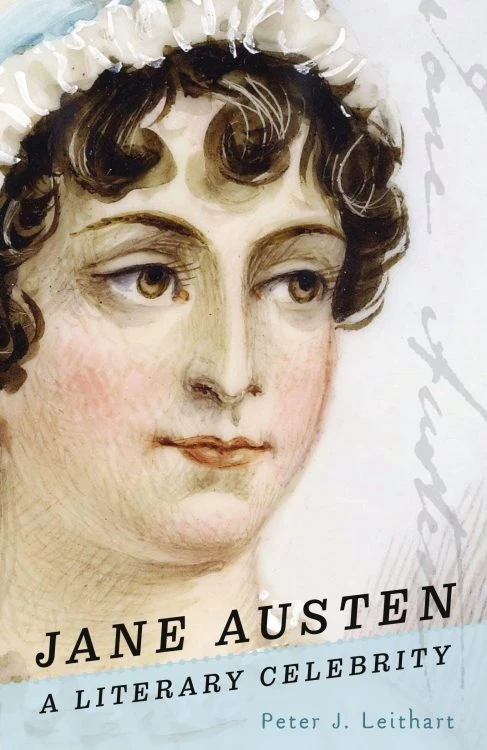
During the late 18th and early 19th centuries a woman named Jane Austen brought her quiet but powerful influence to change English literature. Jane Austen maintained her distance from the spotlight of literary success while her novels which she published under a pen name achieved posthumous recognition as essential works of contemporary storytelling. Austen demonstrated remarkable expertise in understanding human behavior and social dynamics along with domestic life which people never used to evaluate performance.
Austen used her personal struggles to create novels which established a new method of storytelling that showed middle class women how to live their daily lives. Austen developed her artistic voice through her witty writing style which combined moral understanding with experimental writing techniques to establish new standards for literary works. Every part of contemporary fiction has been affected by her work which has become part of current literature.
A Quiet Life
Jane Austen was born in 1775 in Steventon, Hampshire, to a clergyman and his wife, the seventh of eight children. Her life was comparatively ordinary: she never married, lived primarily in rural England, and died in 1817 at the age of 41. However, she maintained an ordinary existence through which she displayed her extraordinary mental capabilities.
Austen wrote her work with great exactness and she paid attention to every detail while observing social behavior. The existing letters and manuscripts show her as a dedicated craftsperson who avoided publicity. The first work she published was Sense and Sensibility (1811) which she released under the anonymous title “By a Lady.” Austen used anonymity because she wanted people to assess her work based on its content instead of their understanding of her personal life.
Pride and Prejudice Mansfield Park Emma Northanger Abbey and Persuasion all followed the same basic plot structure. Three forces drive the development of Jane Austen’s characters throughout her novel. Austen preferred to stay in the background because her books received positive reviews from readers.
Evolving the Novel Form
Austen developed her own distinctive storytelling method because novellas during her time used two types of narrative methods which handled their main stories through either excessive emotional display or religious moral instruction. She redirected storytelling toward normal human experiences through her work which centered on domestic locations to create spaces where people could show their deepest human feelings. Austen used everyday conflicts to create stories which reached worldwide audiences because she showed how minor social customs and social arrogance and social biases explain human behavior.
Through free indirect discourse Austen created a storytelling method which creates an inside view of characters through the presence of a third person narrator. The new storytelling method enables readers to experience her characters mental states through subtle character mapping which she combines with the use of irony and empathy and moral awareness.
Austen created the foundation on which modern literary realism developed. George Eliot and Virginia Woolf plus other writers all acknowledge the existence of her writing methods which included advanced story techniques and detailed writing methods. Her writing shows that people can find deep meaning in novels which focus on everyday activities because she presents common social situations with intelligence and humor.
A Subtle but Lasting Influence
Austen’s influence reached beyond the limits of her direct readership base. Her six published novels provided her lifetime work yet her concepts continued to circulate through literary communities until posthumous publications expanded their reach. By the mid-19th century, the rise of women writers and the proliferation of domestic fiction drew heavily on the narrative forms Austen had perfected.
Her work has been adapted through various mediums which include films and miniseries as well as the literary reimaginings Bridget Jones’s Diary and Clueless. These adaptations have introduced Austen to global audiences which established her permanent presence in contemporary popular culture. The modern interpretations of her work fail to show people that Austen chose to stay out of public view. She sought neither applause nor notoriety. Her writing established the revolutionary change which she achieved through her written work without any need for public demonstration.
People who practice intentional modesty create problems for present-day society which views fame and success as essential requirements. The measurement system that evaluates authors based on their public visibility and brand recognition requires readers to understand that Austen maintained a strong influence through her subtle actions. Her novels endure because they resonate on the page, not the stage; their power lies in the subtleties of language, character, and social observation.
The Humor and Moral Insight
Austen established her own intellectual excellence through her development of comedic material. Her sharp observations of human foibles, the vanity of a suitor, the absurdity of social pretension, the rigidity of class distinctions – create novels that are both entertaining and instructive. Austen uses humor to build a framework which leads readers to identify moral wrongdoing while developing their ability to understand others and themselves.
In Pride and Prejudice Elizabeth Bennet uses her intelligence and humor to navigate a society that enforces strict social limits while she maintains her personal ethical standards which she refuses to compromise. Austen demonstrates that novels can be morally serious while delighting readers with satire and comic precision.
Legacy and Lessons for Modern Readers
Austen’s enduring popularity stems from more than narrative skill. Her novels explore fundamental human conflicts which include the following societal relationship between social expectations and personal aspirations. Pride and prejudice combined with self-knowledge serve as essential elements which determine how people interact with one another. The process of observing everyday life enables people to present their experiences as extraordinary stories.
Writers need to follow her guidance which states that character development and social understanding possess equal importance with plot development. Writers need to follow her guidance which states that character development and social understanding possess equal importance with plot development. For readers, Austen offers a mirror of human behavior, showing that careful observation, empathy, and reflection enrich our understanding of both fiction and life.
Her legacy also resonates culturally. The quiet subversion of social norms in Austen’s novels: the nuanced portrayals of women exercising agency, intellect, and moral discernment – continues to inspire readers and writers, reminding us that cultural change need not be loud to be transformative.
A Life That Shone Without Spotlight
Jane Austen chose to keep her professional life within controlled boundaries which established the limits of her career path. She decided to avoid all common practices of authorship by writing without revealing her identity while she maintained distance from public life to prevent her social status from rising. She achieved something more difficult than becoming famous when she created work that completely transformed a literary category which continues to engage audiences through 200 years.
The story demonstrates that modern society holds incorrect beliefs about how success should be defined. People establish their impact through their ability to generate connections which will persist after they exist. The main character of the story displays his artistic dedication to his work and his ethical intelligence through his deep understanding of humanity which enables him to create impactful novels.
People will discover that achievement exists in the unremarkable things according to Jane Austen’s life and work. Her novels help readers navigate through the complex challenges of social standards which combine human emotions with ethical assessment. Her novels demonstrate that a person who lives humbly will create an exceptional impact on literary history.