
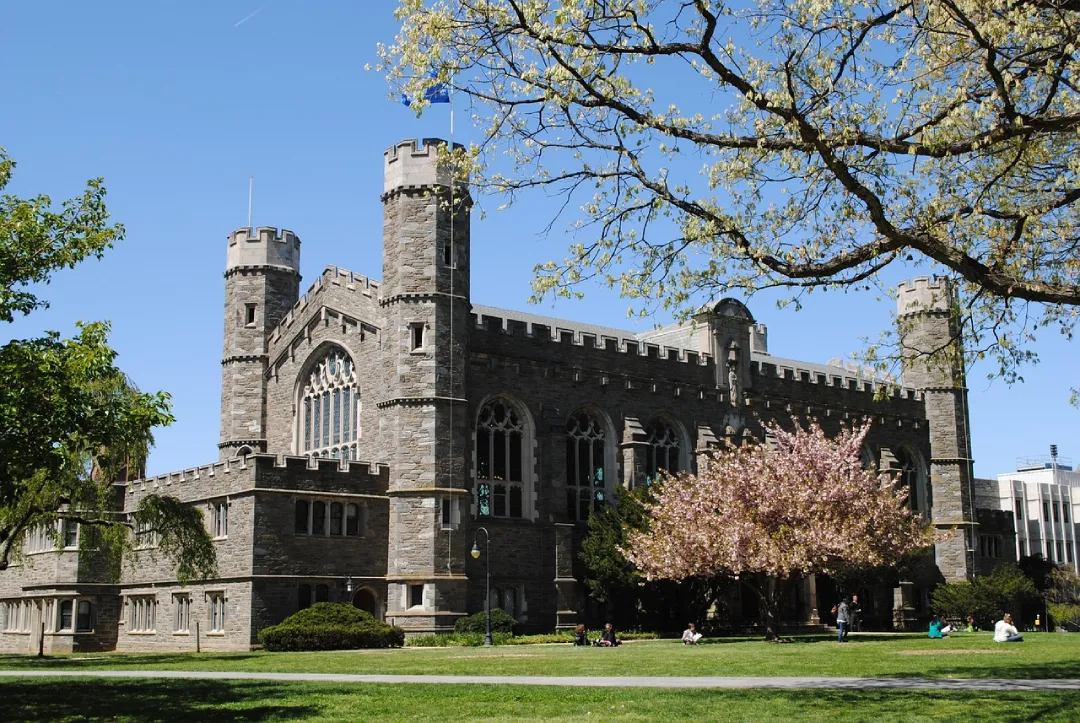
American university campuses across the Middle East are shifting to online classes as escalating conflict involving Iran, the United States, and regional allies raises security concerns. Institutions in countries such as the United Arab Emirates and Qatar have temporarily closed campuses, with administrators prioritizing student safety amid missile and drone attacks across the Gulf.
Several U. S. universities operate branch campuses in the region, many located in Qatar’s Education City, a major international academic hub. Schools including New York University Abu Dhabi, Texas A&M University at Qatar, and Georgetown University in Qatar have suspended in-person classes in favor of online learning while continuously assessing the rapidly evolving security situation.
War Reaches Gulf Education Hubs
The sudden disruption came as a massive escalation in the regional conflict. It came shortly after U. S. and Israeli strikes targeted Iran, with Tehran retaliating with drone and missile waves against countries hosting U. S. military bases such as the UAE, Qatar, and Bahrain.
Air-raid sirens, explosions, and unprecedented emergency security measures have shut down any semblance of normal campus operations in some cities across the Gulf. Governments across the region have called for schools and universities to be shut down temporarily or to go virtual until the situation stabilizes.
Similarly, U. S. institutions operating in Qatar have asked faculty members to move to online teaching and to suspend classes altogether in some cases. This includes programs at Texas A&M and Georgetown University.
Students Stranded, Travel Complicated
For students and staff trying in most cases to stay clear of the epicenter, the war has also meant travel hassles. For example, more than two dozen students arrived from Texas to Doha worldwide who promptly had their arrival redirected, as believe-it-or-not, many schools closed campus access.
At the same time, universities are also easing things a bit for students who want to leave the region. Institutions are making plans to get them help, arranging travel assistance, or allowing staff to relocate temporarily whilst continuing to teach remotely.
Embassies of various countries have issued certain travel alerts advising viewers to exercise caution or evacuate from regions in the Gulf depending upon security conditions.
A Global Model Suddenly Under Stress
According to a large number of authorities, the biggest challenge to education deemed to be globalization. Meanwhile, courses will already be offered through the internet. Skin lesions should be identified by machine vision software. Tell us about it.
Moreover, education today is no longer about globalization; in many respects, it is even beyond it!
The primary objective of universities, post-crisis, is to ensure continuity in academic progress even when some unforeseen circumstances threaten the operations. Online education, regardless of the consequences, ensures forthwith academic growth and safety to students scattered worldwide.
While such kind of remote teaching was introduced as a measure for emergency during the times of the pandemic of COVID-19, it has become somewhat a backup against events perceived politically as a threat.
What is evident is that the experience for the students is less than desirable. There are time-zone issues, disruption of travel plans, uncertainty about their return to campus, and much more.
The universities await and watch this tense situation to see how things go. The arrival of students in lecture halls also hinges on the state of the war, than it would have been for the scholastic and administrative schedule.