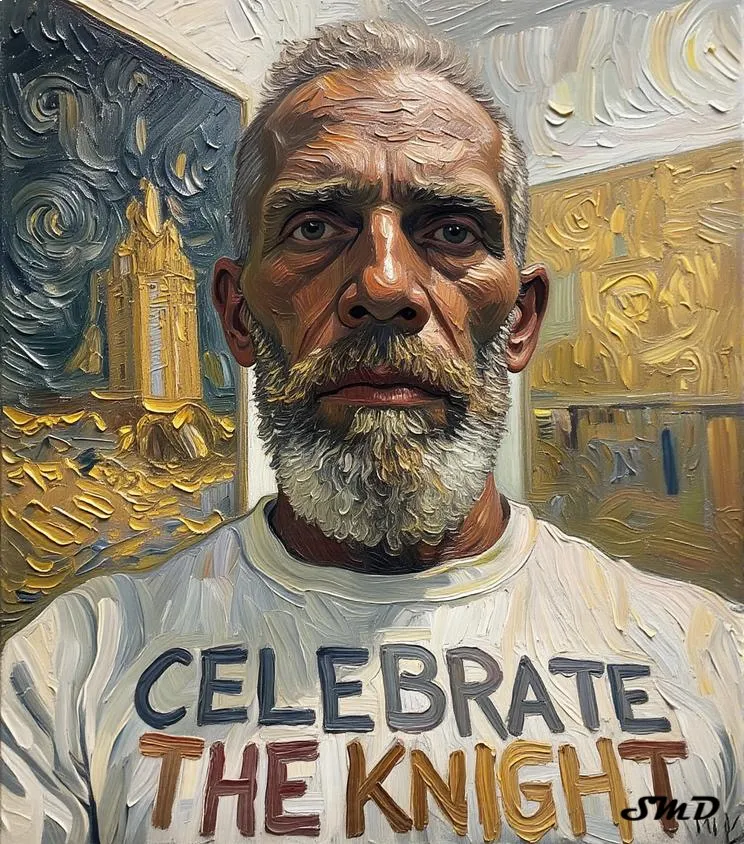
By the time Napoleon Esteban sits down to write about birth, decay, and what remains after the body fades, he has already lived several lifetimes. He has lived through the turbulence of the 1960s, the discipline and contradictions of two decades of military service, and more than seventy years of artistic creation. He has watched America fracture and rebuild itself, sometimes simultaneously. And he has learned, often the hard way, that beneath civility and ceremony, people wear masks.
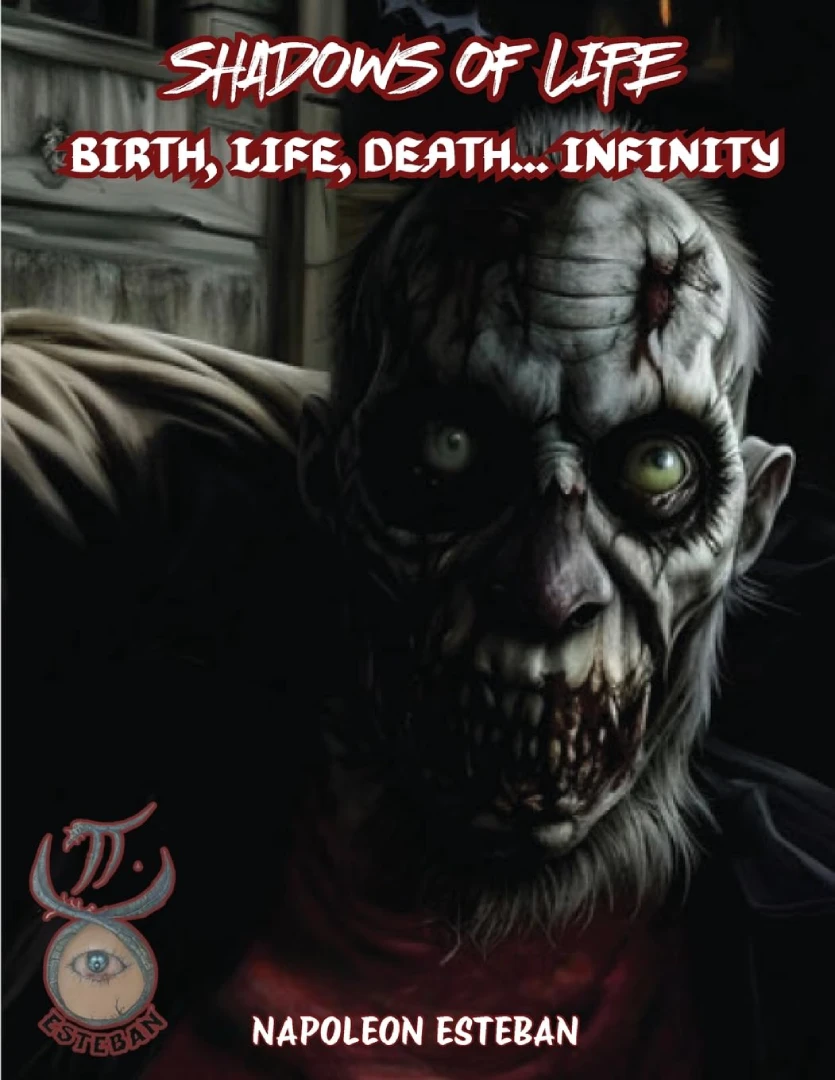
Esteban, born Stephen Mott Daniels Sr. in The Bronx, New York City. He is a United States Air Force veteran, a lifelong visual artist with more than five thousand works to his name, and the author of the haunting philosophical meditation Shadows of Life, published in July 2025. The book is not a memoir in the traditional sense, nor is it a work of conventional poetry. It is closer to a reckoning, a distilled reflection on what it means to exist inside time, to age inside a body that betrays itself, and to leave echoes behind.
For readers encountering Esteban for the first time, his voice feels both ancient and unsparing. There is no sentimentality here, no easy comfort. Yet there is also no despair. What emerges instead is a calm, almost wry acceptance of inevitability, paired with a persistent curiosity about what lies beyond it.
A Childhood Shaped by Fragility
Esteban’s understanding of impermanence began early. Growing up during the turbulent 1960s, he watched assassinations unfold on television, saw cities erupt in civil unrest, and witnessed the Vietnam War reshape a generation. These moments, he says, revealed how fragile human systems truly are.
As a child, he realized that stability is often an illusion, dependent on circumstance and power. Technology evolved rapidly. Leaders fell. The social contract cracked. Time, once assumed to be linear and predictable, began to feel unstable.
Those early experiences did not make him cynical. They made him observant. Humanity, he learned, is reactive. Identity is shaped by environment. And meaning is far less fixed than people want it to be.
Masks and the Cost of Survival
One of the central ideas in Esteban’s work is the concept of masks, the personas people adopt to survive socially and emotionally. He learned about them early, through betrayal.
People smile, he says, and then turn around and stab you in the back. Masks are worn to protect the true self. Over time, this practice becomes normalized. Eventually, people forget who they are beneath the performance.
In Shadows of Life, this idea surfaces repeatedly. Identity becomes porous. Authenticity feels dangerous. The self is fragmented into roles, each one necessary, none fully honest.
Esteban does not exempt himself from this critique. Instead, he positions masks as a collective condition, one reinforced by society and rewarded by institutions. The tragedy, he suggests, is not that people wear masks, but that they forget they are wearing them at all.
Discipline, Art, and Logical Creation
For many artists, discipline is seen as an enemy of creativity. For Esteban, it was a framework. The structure and order of military life did not stifle his inner world. It organized it.
He has been creating art for more than seventy years and says he will continue as long as he can think. His visual work is often associated with Halloween imagery, skulls, shadows, and dark symbolism. But that surface reading misses the point.
The imagery, he explains, is a gateway, not a destination. His art asks viewers to think outside the box, to confront questions about humanity rather than recoil from them. Words, he believes, often interfere with meaning. Art allows interpretation based on what already exists within the viewer.
Now, looking back at decades of artwork and lived experience, Esteban feels compelled to share his perspectives while he still can. Not to persuade, but to provoke reflection.
Writing as Therapy and Exposure
Writing came later, not as ambition but as necessity. Esteban discovered that writing was therapeutic. It revealed things he did not know about himself.
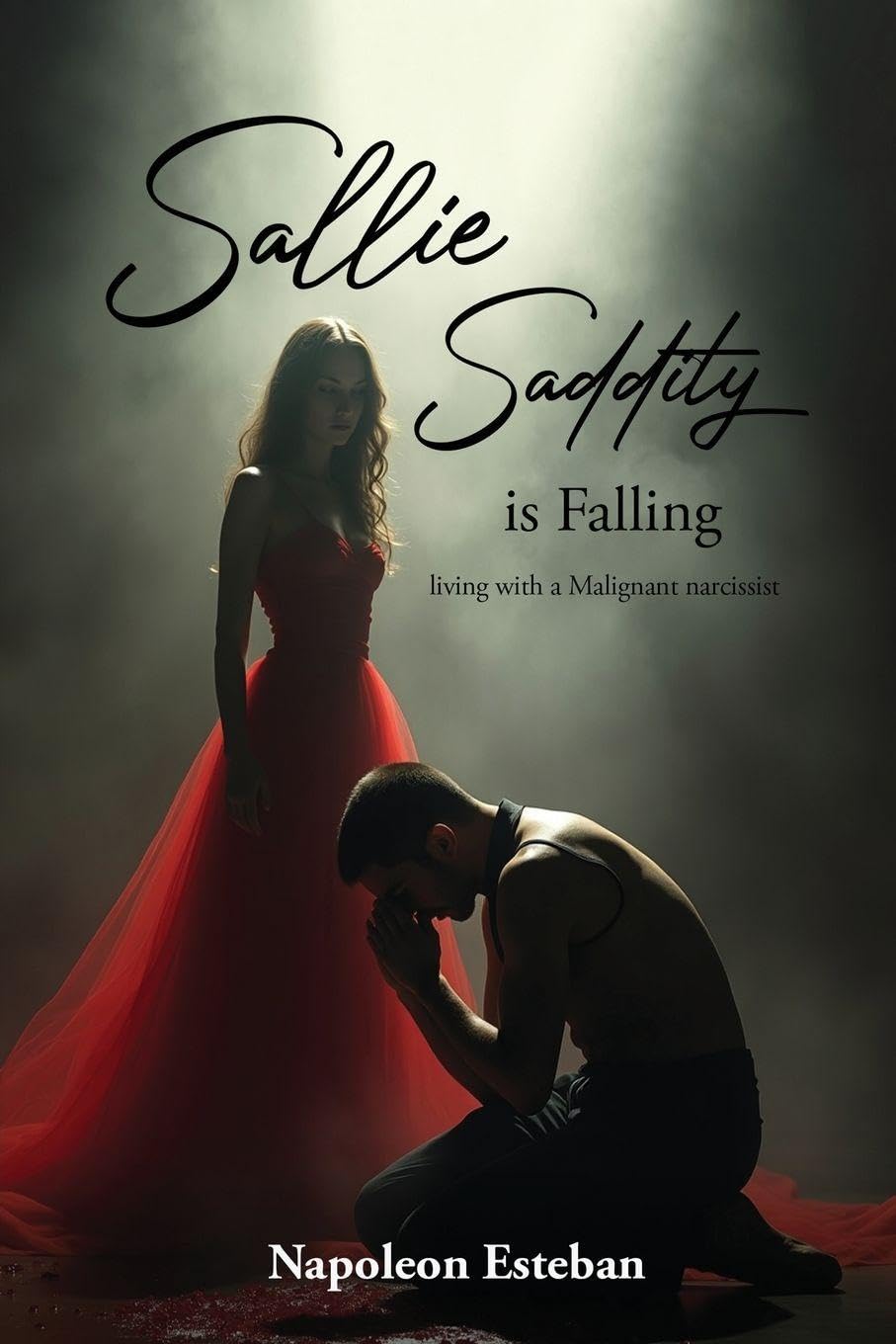
His earlier novel, Sallie Siddity Is Falling, explored relationships, resilience, and the illusions surrounding love. Those experiences taught him to question language itself. Terms like unconditional love, he argues, are often used without meaning, as tools rather than truths.
Resilience taught him skepticism. Now, when someone enters his life, he asks a simple question, who sent you?
That same vigilance runs through Shadows of Life, where memory, observation, imagination, and dreams merge. Sometimes the volume of thought overwhelms him. The book reads like an attempt to release that pressure, to externalize what cannot be contained.
A Book About Endings That Refuses Despair
The emotional spark behind Shadows of Life was deeply personal. Realizing that family is not always defined by blood forced Esteban to reconsider long held assumptions. The idea that blood is thicker than water, he suggests, is debatable at best.
The book traces the human journey from birth to death, examining decay, memory, and what remains after the physical fades. One of its central assertions is scientific and philosophical, matter can change, but it cannot be destroyed. Infinity, he writes, is both the first and last frontier.
Despite its heavy themes, the book resists despair. Esteban insists that as creations, humans have limited control. The most we can do is experience the moment and wonder what comes next.
When asked what he hopes readers feel after finishing the final page, his answer is unexpected. He hopes they laugh at the inevitable.
Time as God and the Question of Existence
Perhaps the most personal idea in the book is its meditation on time. Time, Esteban suggests, is our God. We witness the erosion of the physical body, the slow dismantling of form. But does that erosion represent the end of existence, or merely a transition?
At seventy five, Esteban no longer believes he will live forever. He is preparing for transition, and preparation itself, he admits, is a challenge. A life well lived, in his view, is one that empowers the mind to sustain autonomy.
Meaning, he argues, is ambiguous. It shifts based on context, experience, and interpretation. There must be a reason why, he says, but he does not claim to know it.
What society avoids confronting, he believes, is the inevitability of aging and death. Avoidance feels safer than acknowledgment, as if ignoring unpleasant truths might prevent them from arriving.
A Message Without Words
For readers who feel unseen or forgotten, Esteban offers a quiet reassurance. We are all part of something much greater than we can imagine. Participate. Celebrate each moment. It will fade into something new.
To younger artists, writers, and veterans searching for their voice, his advice is simple. Seek the wisdom inside you.
If his story were remembered for one idea, it would be this, birth, life, death, infinity.
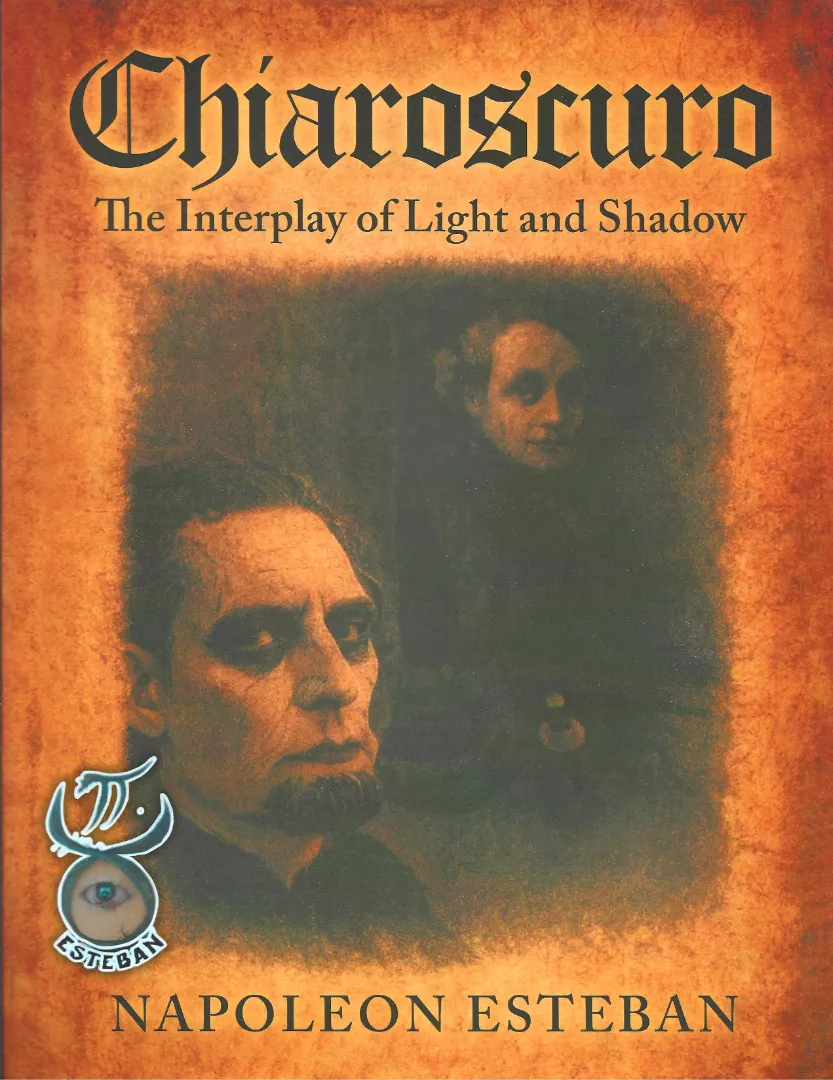
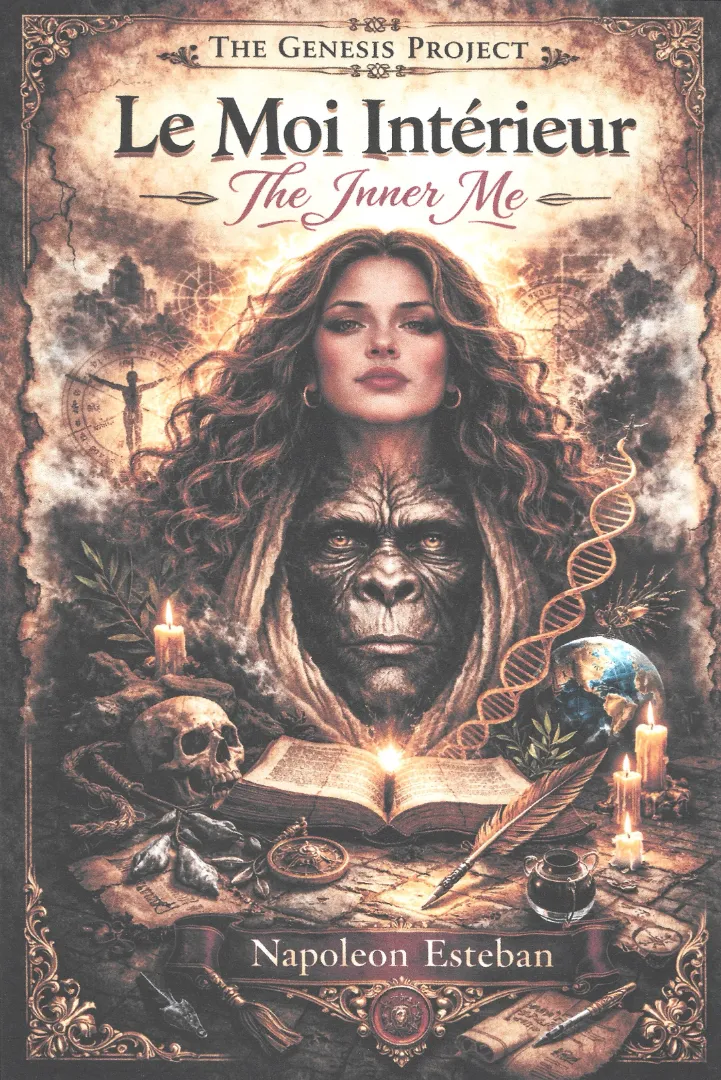
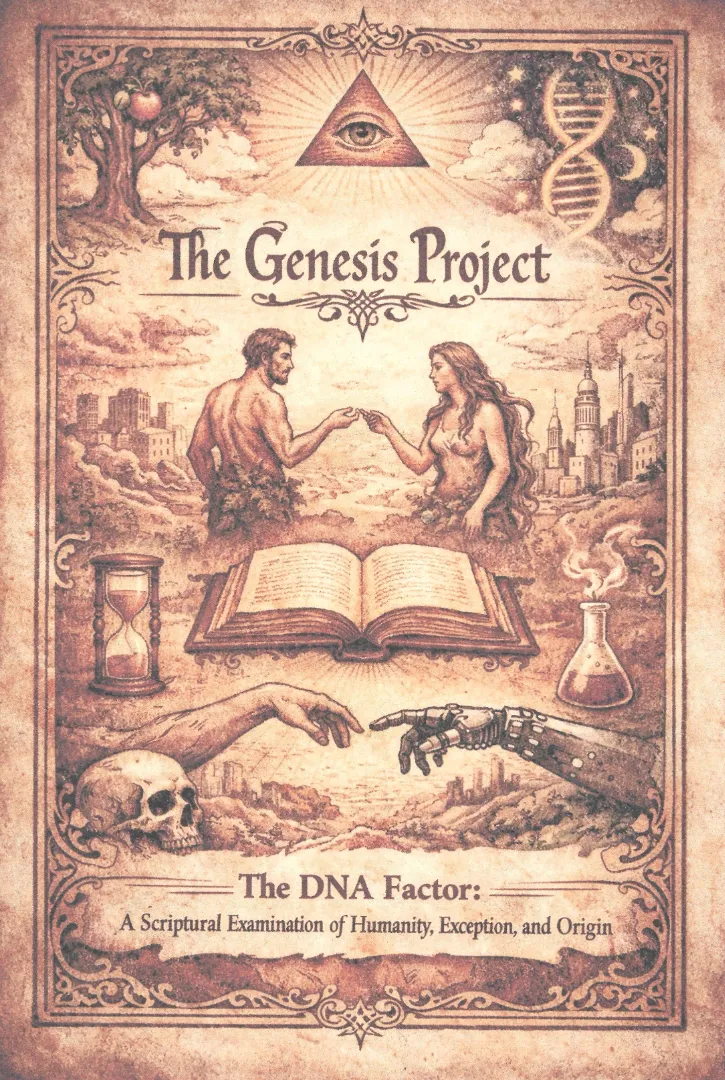
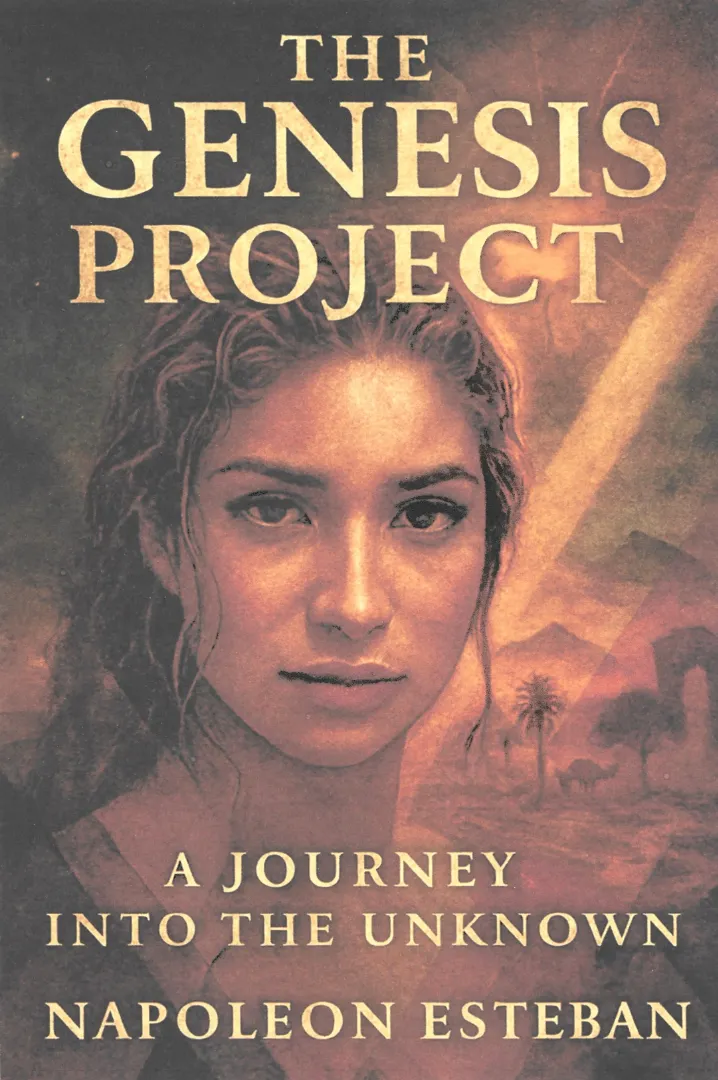
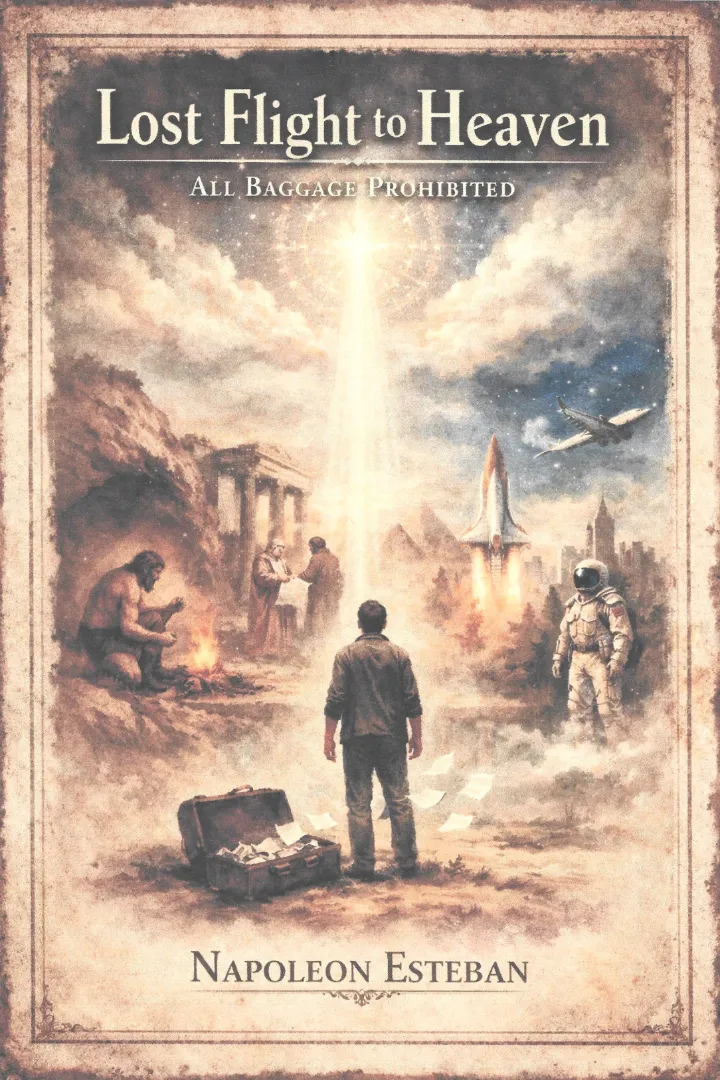
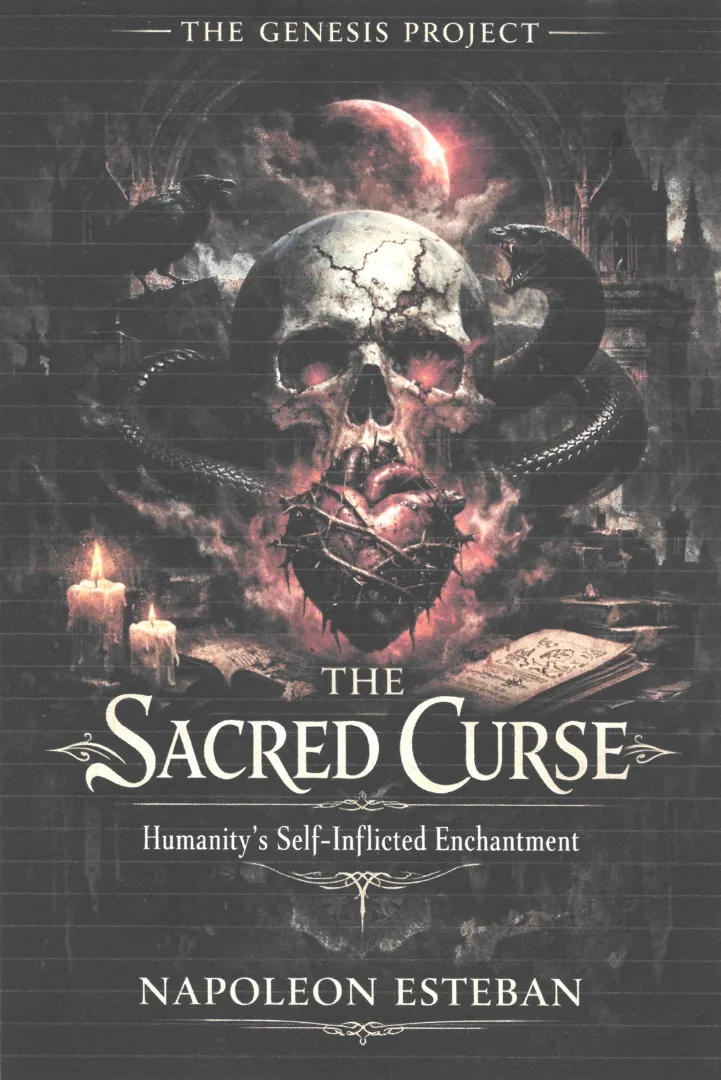
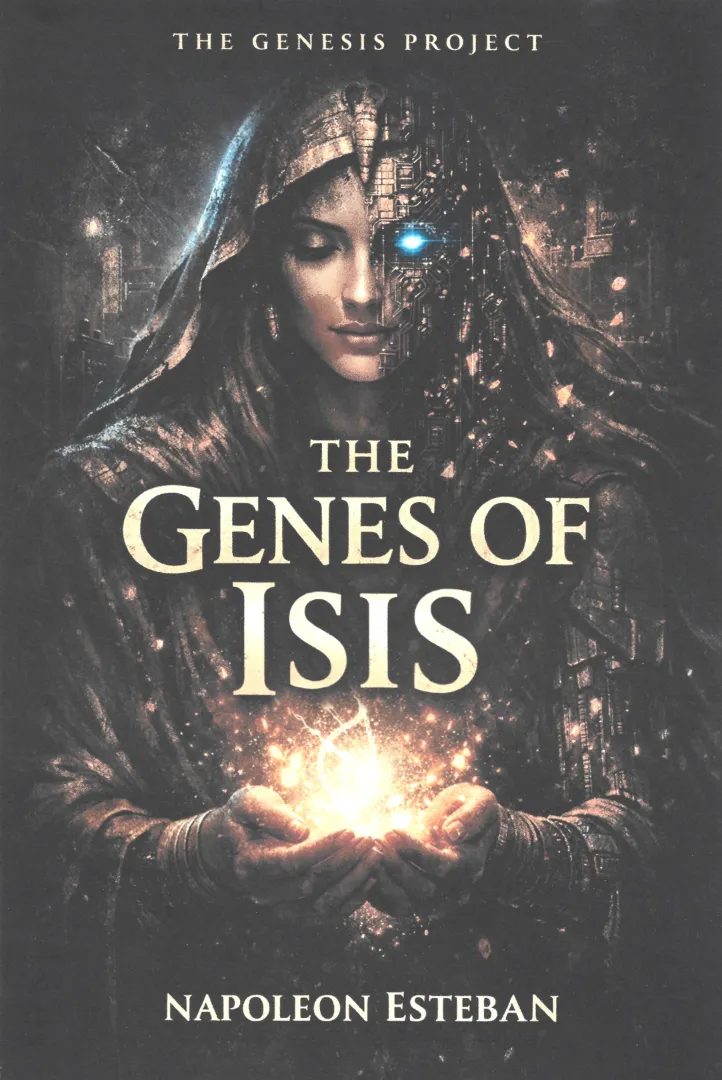
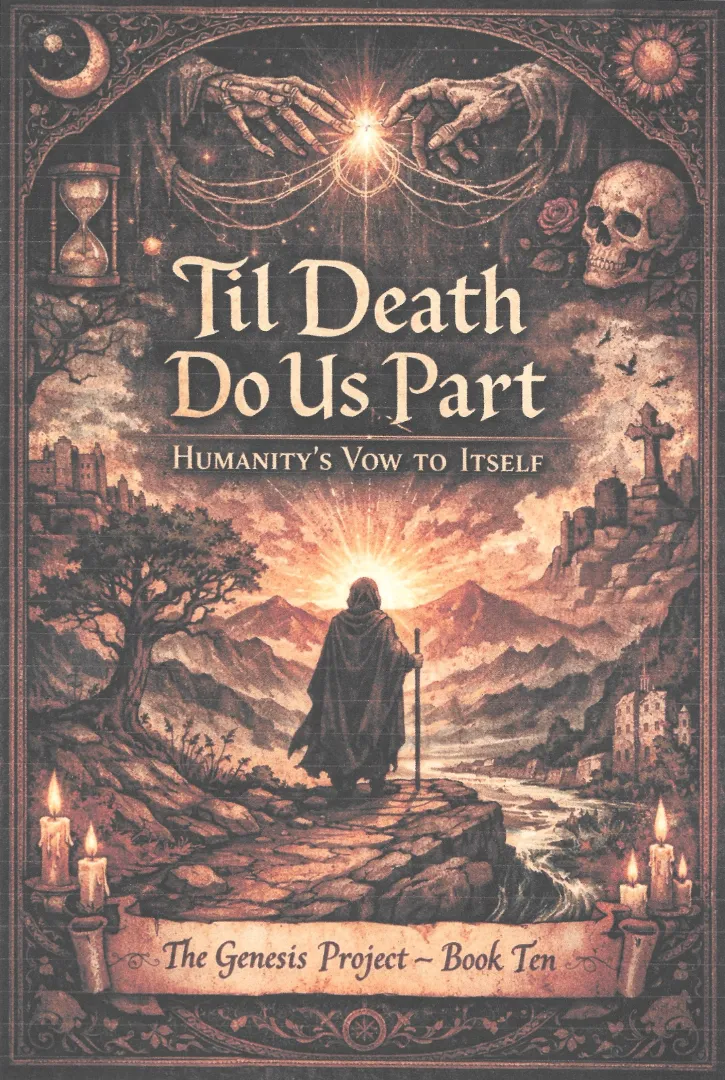
Looking forward, Esteban is far from finished. He is developing a series called The Genesis Project, which examines the evolution of humanity through titles such as Chiaroscuro, The Genes of Isis, and The Sacred Curse. His next book will explore the relationship between DNA, humanity, and faith.
When he imagines the echoes he leaves behind, he does not picture monuments or words. He hopes the echoes are silent, so that everyone can listen.
Book link:
Shadows of Life by Napoleon Esteban
https://www.amazon.com/Shadows-Life-Napoleon-Esteban/dp/1966567928
Website: https://napoleonestebanbooks.com/