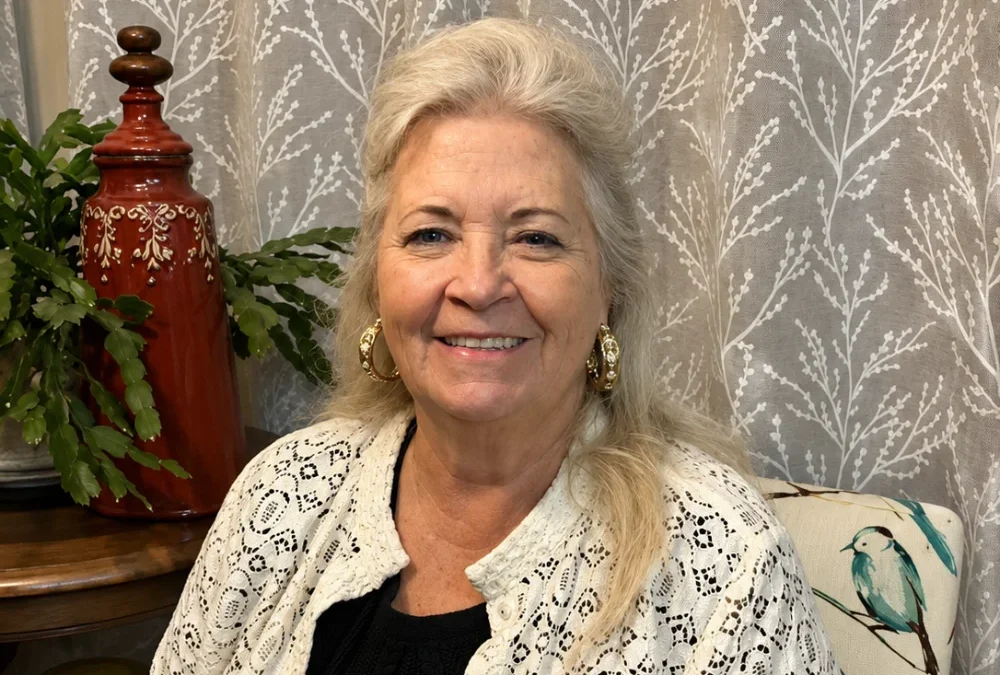
Long before Robert Peacock became an attorney, CPA and trial judge, history had already become part of his inheritance. Then service as an Air Force JAG officer brought him to Turkey, where Istanbul, the Topkapi Palace and the remnants of ancient civilizations planted the beginnings of a novel. More than four decades later, Peacock and his sister, Sara Lawrence Peacock Cook, finally brought that world to life in The Jinn and the Sword. What began as an adventure through sixteenth century intrigue became something more enduring: a testament to perseverance, family and a creative partnership Peacock now carries forward in his sister’s memory.
Robert Peacock spent 33 years of his career as a trial judge. He oversaw many complex, multimillion dollar litigations. In his experience, the best written, most persuasive sentences in legal “briefs” were always short, crisp, tight and narrowly focused, no matter how lengthy the entire factual and legal argumentation.
He frequently advised the parties in briefing a case, “No adjectives, adverbs, pejoratives, or expletives unsupported by the evidentiary trial record. Just the unadorned facts, please.”

However, he found that more concise, leaner words and sentence constructions in a legal context were not always the best conveyors of the wide gamut of emotions, descriptions, actions, nuances and other subtleties needed to craft beautiful, evocative word pictures and create memorable characters in novels.
Writing fiction did not come easily for him.
In contrast, Peacock calls his sister Sara Lawrence Peacock Cook a “natural.”
“She was staccato to my legato and the sizzle to my simmer,” he says, perhaps attributable, he jokes, to the “corruptive, constraining influences of my legal training on my stab at writing fiction.”
He considers that the passion to complete the book came with Sara’s involvement. They worked together, drew energy and inspiration from each other, refined the draft numerous times and solved problems together.
“Sara was my muse,” Peacock says. “Our collaboration and reconnection was one of the most energizing, rewarding and productive periods of my life, despite the many miles separating us. We worked for, and did not want to disappoint, the other member of our team of two.”
Peacock’s partnership with Sara resulted in the publication in 2018 of their cross genre historical novel, The Jinn and the Sword: A Tale of Mystery, Suspense, and Romance in the Sixteenth Century Court of Suleyman the Magnificent.
Jinn was later republished with minor editorial revisions in 2021 and rebranded Shaitan. The Shaitan edition incorporates classic black and white illustrations, primarily vintage engravings evocative of the story. They add visual richness to the book and its exotic settings, reminiscent of the classic illustrated works the authors enjoyed in their youth.
They considered the illustrations to be “one more sensory delight for readers to savor,” immersing them in the setting and culture while adding an invitation to linger for a moment.
Hereinafter, the novels are referred to as Jinn/Shaitan.
The novels evolved from the authors’ shared experiences growing up in Europe before conceptually emerging during Peacock’s service in Turkey as an Air Force JAG officer more than 40 years ago.
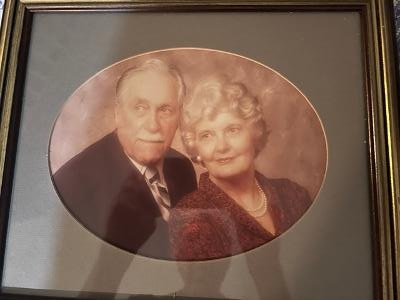
The Authors’ Parents
Family and Formative Years
The authors dedicated Jinn/Shaitan to their father and mother.
Their father was an Air Force intelligence officer who frequently served in Europe during the Cold War. Originally a Quaker and an educator, he studied in Germany in the mid 1930s on a fellowship as Hitler was consolidating power.
Following U.S. entry into World War II, he was unable to reconcile pacifist Quaker beliefs with his experiences as a student and his firsthand exposure, albeit in its early stages, to the horrors that were to come under Hitler.
He was first and foremost an educator and historian.
During his frequent Cold War military assignments to Austria and Germany in the 1950s and 1960s, he taught U.S. and European history to many soldiers serving overseas through the University of Maryland’s evening extension courses.
He instilled a common love of history in Robert and Sara that motivated their writing and their strict adherence to the timelines and geopolitics of the 1530s royal courts in which their novels are set.
Fluent in three languages in addition to English, their father regularly conducted briefings in German to inform high level leaders of relevant intelligence issues.
After retiring from the Air Force, he became Chief Instructor at the Army’s Intelligence School in Maryland and later Arizona following its relocation there. He was greatly admired by his students, who reverently but fondly referred to him as “001.”
Their mother was an insatiable reader.
She ensured, among other things, that Robert and Sara had the latest encyclopedias and other reference materials as they grew up in the pre internet years of the late 1950s and 1960s. They regularly visited base and post libraries.
She loved language and regularly worked through crossword puzzles and word quizzes. Her enjoyment of a book depended in part on whether she had learned a few new words while reading it.
Traveling with their father on his various assignments in Europe also had a profound and enduring influence.
Sara and Robert’s immersion in European history, particularly the Renaissance period, and their exposure to its cultural splendors as military dependents, visiting magnificent castles, cathedrals, palaces, cities and museums, made inspiring impressions that continue to enrich Peacock’s life.
Especially enjoyable were their summer vacations in Italy at beach resorts on the Adriatic or Mediterranean Sea and their frequent visits to Florence and Venice.
However, like the authors, most military dependents are “tumbleweeds,” taking root and quickly adapting to new, swiftly changing environments.
“We moved 12 times during the first 18 years of my life,” Peacock says. “Moving on, rolling with the punch, leaving our newest best buddies behind. Our home was where we landed. Subtle, less appreciated sacrifices military families make to protect and defend our country.”
Educated primarily in overseas Department of Defense schools through high school, Robert and Sara attended schools alongside ethnically, racially and culturally diverse sons and daughters of soldiers, U.S. diplomats and contractors serving abroad.
Peacock played football, basketball and baseball on high school teams with teammates from those same diverse backgrounds.
“We formed a brotherhood and shared the common goal of putting in the time and working hard to win together,” Peacock says.
He learned the character building values and importance of teamwork and eventually accepted a football scholarship to the University of Maryland, where he was recruited to play quarterback.
That part of his life, however, ended quickly.
In short order, Peacock suffered multiple injuries. He jokes that he won the “Blue Cross Man of the Year” award during his first year of college.
For the sake of his health, and with no further delusions about a football future, Peacock switched to an academic scholarship.
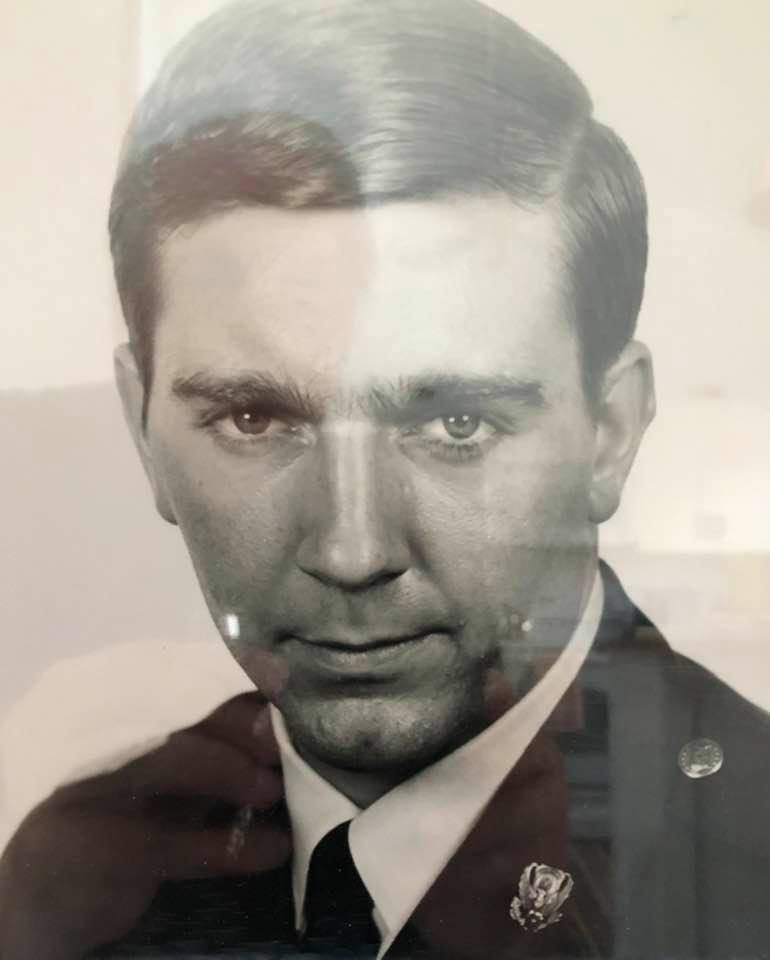
Wing Commander, AF ROTC
Their Military Family Background and Peacock’s Service in Turkey
Having grown up in a military family, Peacock followed in his father’s footsteps.
He enrolled in Air Force ROTC at the University of Maryland, eventually becoming Cadet Wing Commander of the program during his senior year.
After graduating from college, he was commissioned as a second lieutenant. His active duty service, however, was deferred pending completion of law school.
By that time, the Vietnam War was winding down, and Peacock did not serve in Vietnam.
Many of his high school friends and fellow ROTC officers did.
Some never returned.
He remembers them during visits to “The Wall” in Washington, D.C., painful memories that remain with him to this day.
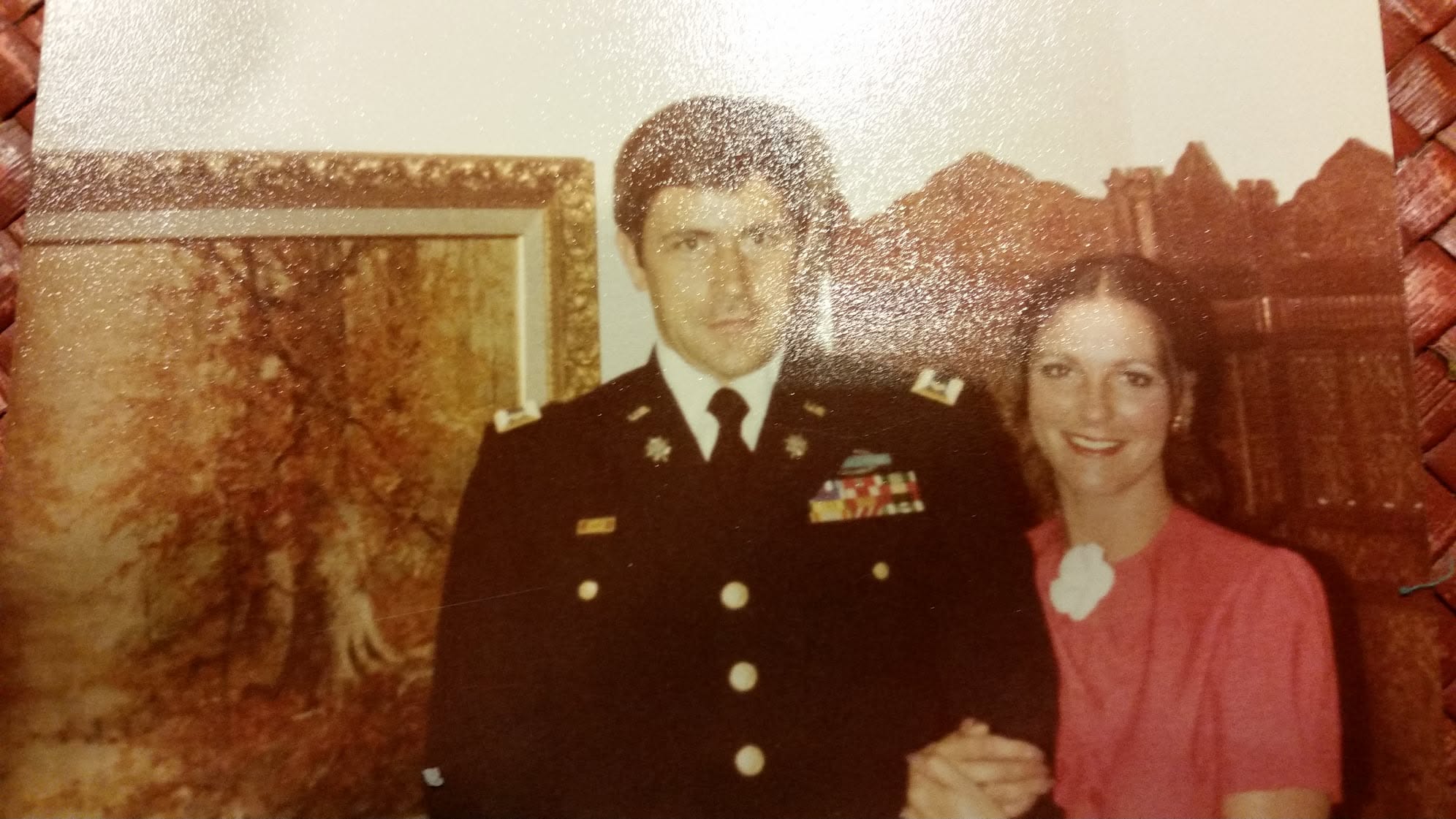
Sara and Highly Decorated Husband John
Co-author Sara’s husband, John Cook, served 26 months (including two voluntary extensions) in Viet Nam embedded with the Viet Nam military at the “grass roots” level with a Vietnamese District Advisory Team, becoming the District Senior Advisor. His medals from Vietnam included a Silver Star, a Purple Heart, three Bronze Stars, a Combat Infantry Badge, and a Vietnamese Medal of Honor, First Class, among many others, as well as our eternal gratitude for his selfless service.
John later served as a Senior Advisor to the Afghan General Staff during the Afghanistan War.
Captain Peacock was assigned to Turkey in the mid 1970s as a newly minted Air Force JAG officer.
Turkey was a stimulating new cultural experience.
He was inspired by the generosity and kindness of the Turkish people, the richness of the country’s past, and the exhilarating feast for the senses one experiences walking through the streets and alleyways of Konstantiniyye, or Istanbul: its exotic history, sounds, smells, calls to prayer, music, color and artistry.
Strolling among the ghostlike ruins of Ephesus, Troy and other coastal settlements of the ancient Greeks and Romans also provided fertile ground for his imagination and senses.
Peacock immersed himself in the study of Ottoman culture and history.
During his many visits to Istanbul, he grew to know the city well. Memories of those visits greatly influenced the scene selection and construction of Jinn/Shaitan, particularly lesser known sites such as the underground cisterns. Sara and her husband, John, visited Peacock during his service in Turkey. She became equally inspired and captivated.
The siblings did not realize it then, but the city had already found its way into their future.
“The genesis of our story began there, in those unforgettable memories and moments long ago,” Peacock says.

The Authors in Istanbul, 1976
Career and Parenthood Intervene
More than 40 years later, their novel was finally published.
Life intervened.
Peacock devoted himself to his career as an attorney and judge. His time hearing and mediating cases and writing decisions as a federal judge consumed the hours.
He authored and coauthored a treatise as well as scholarly law review articles and monographs on government contract related matters.
He also focused on developing a business and accounting background, earning a graduate degree from Georgetown University and becoming a CPA. He wanted to develop expertise in disputes involving federal procurement accounting, pricing and costing issues.
During his 33 years as a trial judge and preceding six years as a Trial Examiner, Peacock processed more than 2,000 cases on his docket.
The vast majority, he says, “settled the old fashioned way, two outstanding sets of attorneys working to get to ‘common ground.’ The oldest, and still the best, form of ‘alternative dispute resolution’ ever devised.”
Settlement spared clients the hassles, uncertainty, time and cost of litigation.
Peacock nevertheless conducted approximately 200 trials and more than 75 mediations during his career. Many cases on his docket were multimillion dollar litigations. In some, the amount in dispute exceeded $100 million.
During his 33 years on the bench, Peacock was never reversed on appeal.
His superior, the Chief Judge, praised his work:
“Judge Peacock was one of many dozen judges who worked for me. He was outstanding, absolutely one of the very best. Not only did he work long hard hours to timely hear cases and write the decisions on his docket, he obtained a CPA and developed a personal expertise in areas of the law, especially Federal Procurement accounting. He also coauthored the principal treatise on the primary statute governing the Federal Procurement Disputes resolution process.”
Peacock also relished the many complex mediations he conducted as a judge.
He mediated disputes involving many of the top defense contractors. Participants usually included highly sophisticated, savvy and talented lawyers representing both parties as well as senior corporate and government officials, all well versed in “government contract speak.”
The participants were generally highly motivated to circumvent the formal robes, Latin incantations, costs and uncertainties that can accompany the typically magisterial pace of justice as cases slowly make their way to trial and through the appellate process.
“I loved collaboratively interacting, working together, and problem solving with these VERY smart folks. Getting to ‘YES’ was always very energizing and rewarding,” Peacock says.
All of the more than 75 mediations he conducted successfully resulted in settlements.
He takes pride in the fact that the government and its contractors jointly found the wherewithal to resolve those disputes “faster, cheaper, smarter, fairer and better.”
The Chief Judge also praised Peacock’s mediation work, saying, “He successfully resolved hundreds of millions of dollars in dispute and has become an internationally recognized expert.”
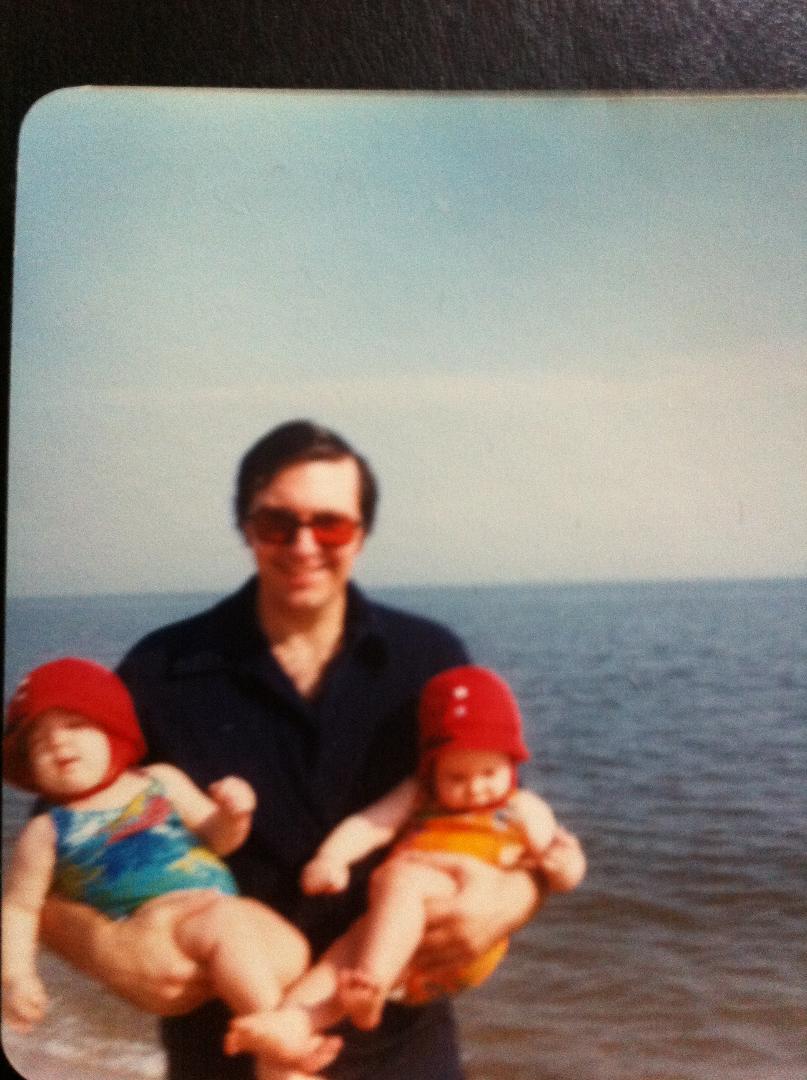
Twin Daughters’ First Beach Visit
Peacock also enjoyed parenthood, experiencing the pleasures of raising his identical twin daughters, Mary and Anne.
He is immensely proud of their many athletic and scholarly achievements. Mary earned her doctorate in veterinary medicine, while Anne earned a PhD.
His “greatest accomplishment and source of satisfaction,” Peacock says, “has been watching my daughters grow into strong, talented, highly successful women. I’m very blessed.”
For more than three decades, they have celebrated the holidays with a multiday father and daughter trip to New York.
“They think it’s a Christmas present to them,” Peacock says. “In fact, it’s my present to myself. We reconnect and explore their hopes, concerns, needs and lives generally. They are my pride and joy!”

Rockefeller Center With Daughters
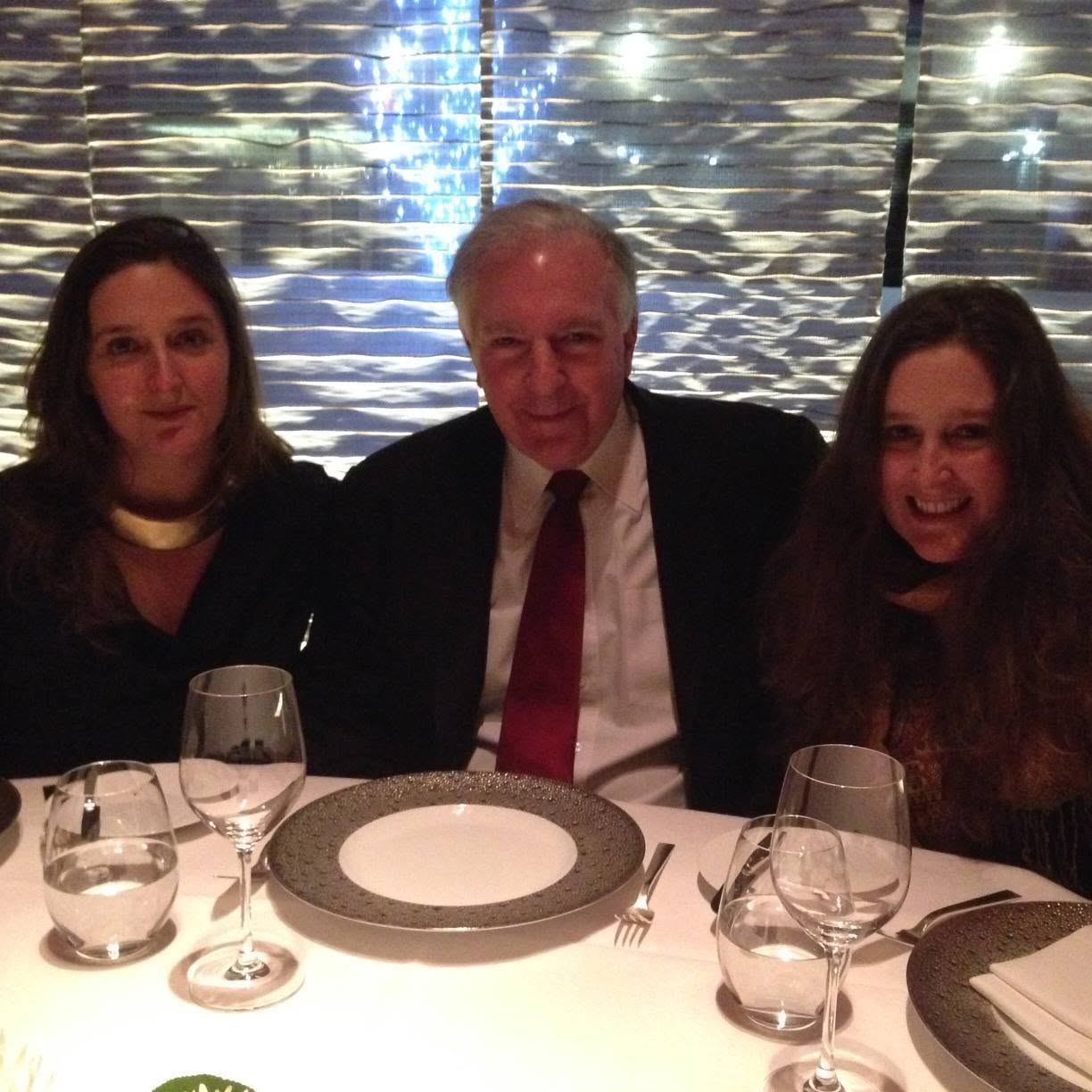
Celebratory NYC Christmas Dinner
To supplement the family income and help pay for his daughters’ education, Peacock also performed part time editing services for more than 30 years for various firms, including Thomson Reuters/West, that published government contract related periodicals and reporters.
The job consumed much of his weekends and spare time.
Jinn/Shaitan Emerges
As the years passed, Peacock became well established in and approached the end of his legal and judicial career.
After “launching” his daughters into their professional careers, he finally found the time and energy to refocus on those ancient and mysterious places where he had lived as a young Air Force JAG officer.
Plot and character development began against the backdrop of sixteenth century Konstantiniyye, or Constantinople, present day Istanbul.
The book took shape around murders, mysteries and intrigues inside the fascinating Imperial Court of Sultan Suleyman the Magnificent, Ottoman Emperor.
Peacock emphasizes that he could not have completed this “bucket list” book without collaborating with his brilliant sister Sara.
He initially discussed the project with her years before she agreed to their partnership. The timing was not right. Again, the demands and vicissitudes of life interfered.
Sara was managing her successful interior design business, caring for their aging mother and raising her sons, Zachary and Joshua, often while her husband was serving in the Middle East.
Peacock “muddled along” without her but was never sufficiently inspired or energized to complete the work.
After Sara’s grueling recovery from cancer and her move to the northern Great Plains, where she frequently referred to herself as a “High Plains Drifter,” she reached a place of “immeasurable peace.”
She agreed to join her brother and work together.
Sara passionately immersed herself in the new creative effort.
Over the years, whenever time permitted, Peacock had created the major fictional characters, selected the historical figures central to the story, written the prologue and epilogue and finalized essential details of the chapters, settings and overall plot, while sprinkling in some dialogue among the characters.
He sent Sara approximately 80 pages consisting of the cast of characters, completed passages and a draft outline of the chapters he had developed.
Peacock asked her to give life to the characters, flesh out and enrich the scenes, paint lovely word pictures and develop a first draft of the book.
Sara threw herself into their venture.
Within six months, she had developed a first draft of approximately 340 pages.
They endured numerous joint edits of the evolving manuscript, predictable sibling spats about creative differences regarding the direction and tone of the novel, and countless hours spent “wordsmithing” before finally producing Jinn/Shaitan.
“It was a blessing to experience her enthusiasm and the rejuvenation of her creative soul as we enjoyed nightly phone calls discussing and refining our story and having fun playing with alliteration, assonance and consonance,” Peacock says.
Sara was a highly visual creator who avidly incorporated illustrations and other artistry, although primarily in black and white.
It was cost prohibitive to integrate color illustrations that would have allowed her to more fully realize her visual creativity.
She was also a digital artist who created the beautiful cover designs for the books.
Peacock hopes Sara’s hard work and visual creativity greatly enhance the reader’s experience.
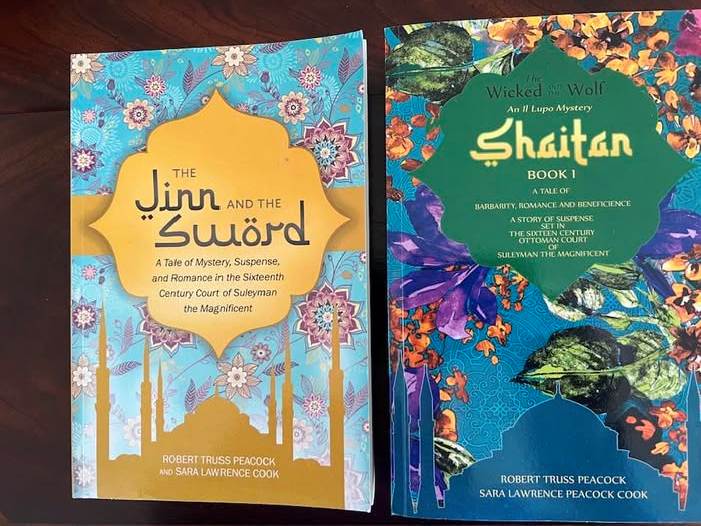
Jinn and Shaitan
Family Legacies and Inspirations for the Books
In keeping with their father’s teaching, Robert and Sara strictly adhered to historically accurate timelines and geopolitics of the early sixteenth century in their portrayal of events and personalities.
True to the history of the times, they carefully crafted their novels around kings, queens, royal courts, empires, famous and infamous court personages, villains and sixteenth century “celebrities” who actually lived during the times and in the places represented in their fictional portrayals.
They included Suleyman, Gulbahar, Roxelana, Ibrahim, Barbarossa, Charles V, Francis I, Andrea Doria, Albert, Duke of Prussia, and conquistador Pedro Arias D’Avila.
“The tradeoff between plausibility and the telling of an engaging story is always a challenge for historical novelists,” Peacock explains. “We carefully weighed and considered that tradeoff. We simply and humbly hope that we found the right balance and our finished ‘entertainment’ resonates with our readers.”
Their fictional characters were largely drawn from memories of their travels through Europe and, in particular, their love of masterpieces of Italian Renaissance art displayed in Venice’s Doge’s Palace and the Uffizi in Florence.
Their main character, Conte Vincenzo Lupo, is a Renaissance man who emerged from some of those heroic paintings: a scholar, renowned warrior and investigator.
Francesca, Il Lupo’s daughter, whom he raised as a single father from birth, is equally brilliant, strong and adept.
The inspiration for Francesca’s character was based in great part on Peacock’s own relationship with his gifted scholar athlete twin daughters.
One of the important lessons Peacock says he learned from the long voyage to finish Jinn/Shaitan was that perseverance and perspiration could overcome his lack of genius in the long run, at least with talented maestro Sara’s invaluable assistance.
In his career as an attorney and judge, he similarly considers, paraphrasing Mary Heaton Vorse, that “the key to any success I may have had has been the ability to apply the seat of the pants to the seat of the chair to ‘get ’er done.’ Have to keep putting in the hours and plugging away.”
In Further Memoriam
Sara Lawrence Peacock Cook passed away in December 2024.
Peacock thinks of her and misses her every day.
Among her many accomplishments, Sara was a coloratura soprano.
During their father’s last assignment in Germany, she studied under two famous German opera singers.
“When Dad was reassigned stateside, they wanted to ‘adopt’ her so she could continue her training,” Peacock remembers.
Sara eventually studied at the Peabody Institute and was a member of the Baltimore Youth Choir.
Peacock treasures memories of her performing two of her favorite pieces, “Ave Maria” and “The Lord’s Prayer.”
“Some of my favorite scenes and passages in our books are her rich, stirring descriptions of music and sensuous dances,” he says.
Finally, Peacock notes that “a great benefit of having a coauthor is that one can always blame the other for authorship of any ‘unloved’ parts of the novels.”
“I carry on that tradition,” he says. “You may credit my dear Sister Sara for all the ‘good’ parts and blame me for the rest.”
But behind that humor is something far more personal.
“Truly, preserving her legacy, memory and brilliance, has been my primary motivation for participating with AIM in composing this article,” Peacock says. “Her life and our treasured memories together to this day inspire me. I hope SHE inspires America!”
Explore Robert Peacock, Sara Lawrence Cook and The Jinn and the Sword
The Jinn and the Sword on Amazon
http://amazon.com/Jinn-Sword-Suspense-Sixteenth-Magnificent-ebook/dp/B079JLRM2Z
The Jinn and the Sword on Goodreads
https://www.goodreads.com/book/show/38232972-the-jinn-and-the-sword
Robert Truss Peacock on Goodreads
https://www.goodreads.com/author/show/17779588.Robert_Truss_Peacock