Shunda K. Brooks used to picture herself in film and on stage. A few years passed and things did not go smoothly. There were stops, changes in her work, and then a surprise shift toward writing.
In that time, her children’s book, What Should I Be? It’s All Up to Me!: The Opportunities Are Endless!, came together. It reflects something she learned from her own path. The future is not usually as narrow as what we can see right now.
At seven, Shunda K. Brooks turned old boxes and red curtains into a tiny stage for her Barbie dolls. By ten, she was drawn to poetry. At twelve, she tried out for local theater. A year later, while in high school, she began performing in drama classes. Those early experiences confirmed something she already felt deeply: storytelling and performance were meaningful to her, even when the adults nearby did not fully understand why.
Brooks grew up in a small town in Illinois. She was the youngest of three. She would watch television and imagine herself among the actresses she admired, including Kim Fields, Janet Jackson, Irene Cara, and Vivica A. Fox.
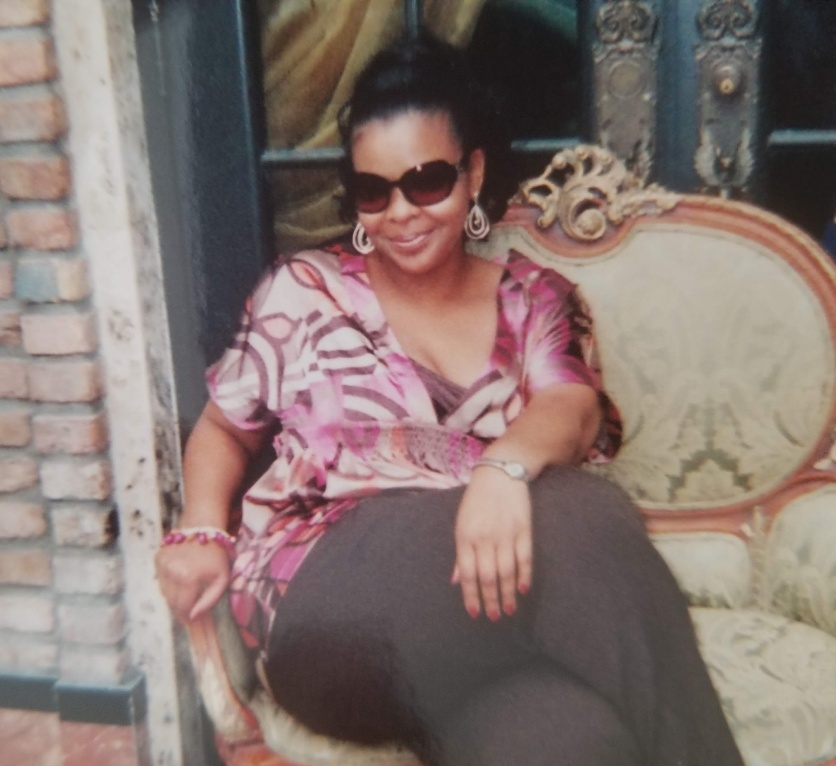
Her parents saw things in a different way. Her father came from Arkansas. Her mother came from Mississippi. Brooks says they were used to long weeks of work to keep the family going. For them, acting did not look like a practical plan. One school counselor even told her to think about being a secretary.
Her sister said something else. “Follow your dreams, babygirl.”
After college, Brooks moved to California on her own. She went after film and entertainment. She spent years meeting people, working in theater, producing shows, and trying to carve out a spot in a tough and crowded industry. It did not go as she expected. Still, that trouble became a lesson she carried with her. When a path stops fitting, changing direction is not the same as giving up.
Sometimes it just means you find a bigger dream.
A Childhood Looking Beyond the Horizon
Long before Brooks saw how much storytelling could shape a career, books were already doing something quiet and steady. They gave her a way to picture life outside her hometown.
When she was young, she would take the local bus to the library. She spent long stretches in the kids section, sitting among shelves that felt endless. She often stayed until the library shut its doors. She read about people living in ways she did not see on her street. Over time, those afternoons made one idea sink in. There was more in the world than what she grew up with.
That moment still matters to her. In her view, exposure can change what a child thinks is possible.
Not every child can dream about a future they have never actually seen. If a young person has never met a filmmaker, a scientist, a pilot, or a designer, they might not even think those roles exist for them. Brooks says books can help fill that gap. They can introduce kids to paths they might otherwise miss.
“When we give children access to books, experiences, encouragement, and people who believe in them,” she said, “we are helping them form a vision for their future.”
This belief later turned into the base of her work as an author.
Before she could encourage children to imagine their own possibilities, however, she had to navigate an uncertain road of her own.
When the Original Plan Stops Working
Life in California felt hard. Brooks spent nearly ten years looking for her place in entertainment. For a while, she worked at an e-business company. That business later declared bankruptcy. It shut down fast, and the staff were left with little notice. With the money she expected suddenly gone, Brooks started selling her own clothes, designer bags, and household items just to keep paying rent.
Later, she found work again, but the pay was much lower than before.
A friend encouraged her to shift her focus. Instead of thinking only about what she had lost, she should look at her situation differently and consider the skills she already possessed that could be put to use right away.
Writing was one option.
She began doing freelance work for blogs and web magazines. She compiled those pieces into a portfolio and mailed it to entertainment studios for potential work. She still wanted to write scripts and, someday, direct films, but the break didn’t come—however, that time helped her find a clearer voice.
After years of feeling stuck, Brooks left California. She stayed away for about three years, living in Colorado, Florida, and Georgia. During that time, she missed the creative circle, the work ties, and the momentum she had built in California.
So, she went back.
Not long after, she wrote a children’s book.
Her story kept turning. It was not about one smooth route. It was about staying open to whatever came next.
The Question That Became a Book
Brooks had once thought about writing a memoir. She also pictured books about women finding their own power. But kids’ books did not seem like the next step.
Then US politics sparked a new idea.
When Barack Obama won, and then won again, Brooks noticed what that meant. Being the first African-American president felt like a signal to her. She wanted children to see that even the biggest job in the country was still connected to a kid’s daydream about tomorrow.
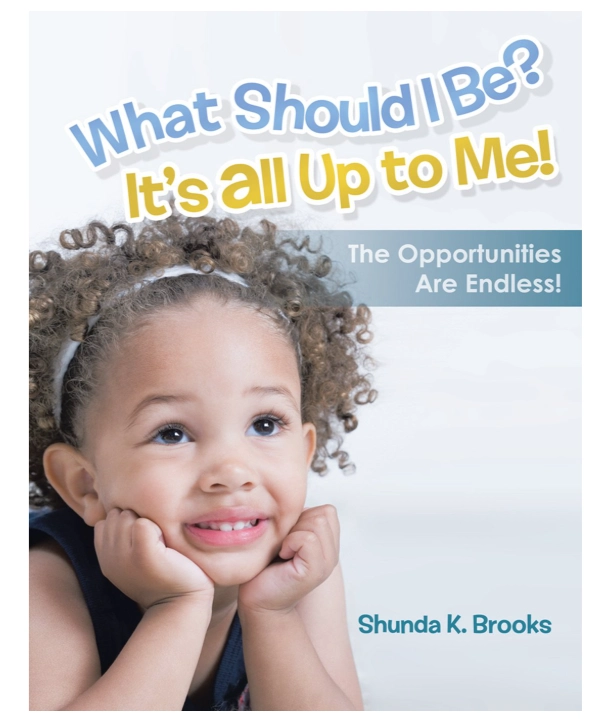
That idea grew into What Should I Be? It’s All Up to Me!: The Opportunities Are Endless!
In the book, young readers meet 45 jobs. Some are creative. Some are science related. Others fit business and leadership. Brooks did not want every child to aim at the same finish line. She wanted them to see enough options that they would start asking, “What fits me?”
An astronomer is part of the list. An IT engineer is too. A teacher shows up. There is a zoologist. Even the presidency has a place there.
Brooks said, “Every child is different, and we cannot assume that the same path will inspire every child.”
The goal is not to point a child toward one answer.
The goal is to widen the set of choices a child can picture.
The Meaning Behind ‘It’s All Up to Me’
Brooks reads the book title like a quiet callback to her own childhood.
She recalls advice that she should become a secretary. Being a secretary is fine. Her issue was the idea that a different adult could draw the borders of her life before she even tried to discover them.
“It’s All Up to Me” feels like a promise to herself.
Brooks does not mean that kids should be taught to think that wanting something will make it happen. She is clear about the gap between support and empty claims. In her view, dreams need learning, practice, steady effort, and staying with the hard parts.
“Dreaming is just the start. It is not the finish.”
So, the book leans on both imagination and real plans. Kids are pushed to look at what pulls them in. At the same time, the book points out that most jobs call for years of study and work.
Brooks also wants the first question to come before talk of money or status. She asks: What grabs your attention? What do you like doing? What brings you real satisfaction?
Her take shows up in how she thinks about the American Dream too. Earning well can matter, but she does not think wealth by itself should decide if a life is worth living. She puts meaningful work, real joy, and real interest first.
This is a view from someone who has changed her path more than once.
Seeing Yourself in the Future
Representation matters in Brooks’s work.
She grew up in a small town. She says she did not know many actors, writers, directors, or producers in person. Still, she noticed who showed up on TV and on the covers of books. When she saw people who looked like her, it sometimes felt like enough.
That look gave her proof that her own future could exist.
In What Should I Be? she followed the same idea. The book uses bright pictures and plain words. Her goal was not just for kids to recognize job titles. She wanted them to picture themselves doing those jobs.
Brooks puts it simply: “If you don’t see someone like you, then you can’t imagine the possibilities.”
Sometimes it only takes one person to believe in you and your dreams. For Brooks, that person was her sister. Her sister kept encouraging her, helping her believe that her dreams were genuine, meaningful, and worth pursuing.
These days, Brooks tries to offer that kind of push to younger people. She mentors students and stays open to questions about careers, starting businesses, or turning a hobby into something bigger. She also says writing helped her find a stronger voice after years of being an introvert.
Writing taught her to listen to others, too.
A Book Meant to Start a Conversation
What Should I Be? is not a book that a child reads alone and then returns to the shelf.
She wrote it in hopes of a conversation between a child and an adult.
She remembers a “career form” handed out to students around fourth or fifth grade. Kids answered questions that were meant to suggest possible careers. Then students handed the form in to the teacher; as she recalls, for the next eight years in school, nothing else followed.
To her, the findings in the form should have sparked a conversation right there, not ended it.
This book is meant for adults who will ask more questions. What does the child like? What do they want to test or try? What comes easy to them? Who do they look up to? What do they want to learn next? How could their strengths support someone else?
Brooks sums up the adult’s job this way: “Engage, listen, and provide a judgment-free zone.”
She saw this in action during a visit to a school. She spoke with second graders about the book. After she left, the teacher asked the kids to make drawings about what they wanted to be. The teacher sent those drawings to Brooks later.
For an author who wants kids to picture options, those pages matched what she was hoping for.
Her later books keep returning to topics she felt kids needed help with. Words Can Hurt looks at bullying as social media was getting more common in daily life. Dear Sissy… speaks to grief, mourning, and losing someone close.
She wrote Dear Sissy… after noticing that young children were suffering from bereavement and that adults were having trouble explaining the stages of life to them. Brooks lost her sister to cancer as a young adult, so she used their relationship as the backdrop to the story. The deeply personal experience allowed her to approach loss through a bond she knew firsthand while creating a way for children and adults to begin talking about grief.
The topics differ, but the drive stays the same. Choose a hard or meaningful topic, then give children a clear way to enter the conversation.
The Next Reinvention
Brooks has changed career paths and professional roles as her skills and interests have evolved. She moved through theater from writing, producing, and directing to technology through software development and management, and now into entrepreneurship. Rather than seeing those chapters as disconnected, she recognizes how each one contributed to the abilities she brings to the next.
There is also a connection between her first professional responsibility, working with children in theater, and the vision she is now building through a bookstore centered on learning, discovery, and community. What began with helping children explore creativity through performance has grown into a broader mission to give people access to books, ideas, and possibilities.
Her academic training in film adds a distinct strength in storytelling, visual presentation, and audience engagement, all of which are directly applicable to running a business. Managing a startup requires the same discipline as managing a complex technology project: establishing milestones, managing vendor relationships, monitoring budgets, and leading a team toward clearly defined outcomes.
Brooks is now preparing to open Harvest Community Bookstore, guided by the slogan “Planting Today Prepares Tomorrow,” in early 2027 in the Fort Worth, Texas area. She has trademarked the store’s name and is currently forming the LLC.
Her vision also includes a second phase: purchasing a trailer for a mobile bookstore on wheels. The mobile store would allow Brooks to travel from community to community, visiting schools, churches, senior centers, and special events throughout Texas and bringing books directly to people rather than expecting every reader to come to her.
The vision connects naturally to one of her earliest memories: the girl on the city bus headed to the library. Books once showed Brooks that life could be larger than her immediate surroundings. Now she wants to make that same sense of possibility easier for others to reach.
The Possibility of Becoming
Brooks does not judge her life by whether the dream from when she was seven played out the same way.
Back then, she made a stage out of cardboard boxes. She went after acting and film. She guided children’s theater.
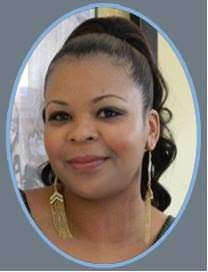
Later, she moved to a new part of the country. She hit setbacks in her work. She shifted her career path more than once. She wrote for companies and magazines. Eventually, she published her own books. She also mentored younger people. After that, she started getting ready to try entrepreneurship.
Her route kept shifting.
She kept going.
That theme sits at the heart of What Should I Be? It’s All Up to Me! The book title talks to kids about the future. But Brooks’s story hints that you do not answer that question one single time and then done.
A kid can start with acting and end up writing. A writer can shift into starting a business. A blow to your plans can steer you somewhere else, not stop you. A talent you build while you wait can later turn into a way to reach other people.
Brooks says she hopes readers, years from now, see her as a woman who believed children should get chances to look past what they already know. Her goal was never just to name jobs. She wanted to place one idea in their hands. “There is more possible for you than you may see right now.”
For the girl who once stayed in a library after closing because books showed her more than her small town, this lesson comes back around.
So, the question still stands: What should I be?
Brooks’s answer is not a job title.
It is a call to keep exploring.
Explore Shunda K. Brooks and Her Work
*Featured Book — What Should I Be? It’s All Up to Me!: The Opportunities Are Endless!:*
https://a.co/d/0a73c2Sz
More about Shunda K. Brooks and her books:
https://imusic.fr/artist/Shunda+K.+Brooks?srsltid=AU7gw4WRWWtboDXko0gYJ2mJrOL3KfsNjGXqnEz2orCHoKYvANM8YzK8&utm
https://www.wheelersbooks.co.nz/author/brooks-shunda-k?utm