
In the crowded, fast-moving world of education on social media, where advice is often condensed into bite-sized slogans, one voice has emerged with a markedly different tone. The Instagram platform Instagram account @schoolpsychdrt does not promise quick fixes or productivity hacks. Instead, it offers something more urgent and perhaps more necessary: validation.
Run by Dr. Samara Toussaint, a school psychologist known to her audience as “Dr. T,” the account has become a digital refuge for educators navigating the often invisible toll of their profession. Through a steady stream of posts addressing burnout, anxiety, compassion fatigue, and mental health, the platform reframes what it means to work in education today – not as a calling that demands endless sacrifice, but as a profession that requires care for the caregiver.
Dr. Toussaint’s path into school psychology began during her senior year of college. While working in an after-school program, she encountered a bilingual student struggling academically who seemed to have little meaningful support. Seeing how deeply that gap affected both the student and the family became a defining moment. When she learned that school psychologists help students meet academic and emotional goals while advocating within school systems, she knew she had found the right field.
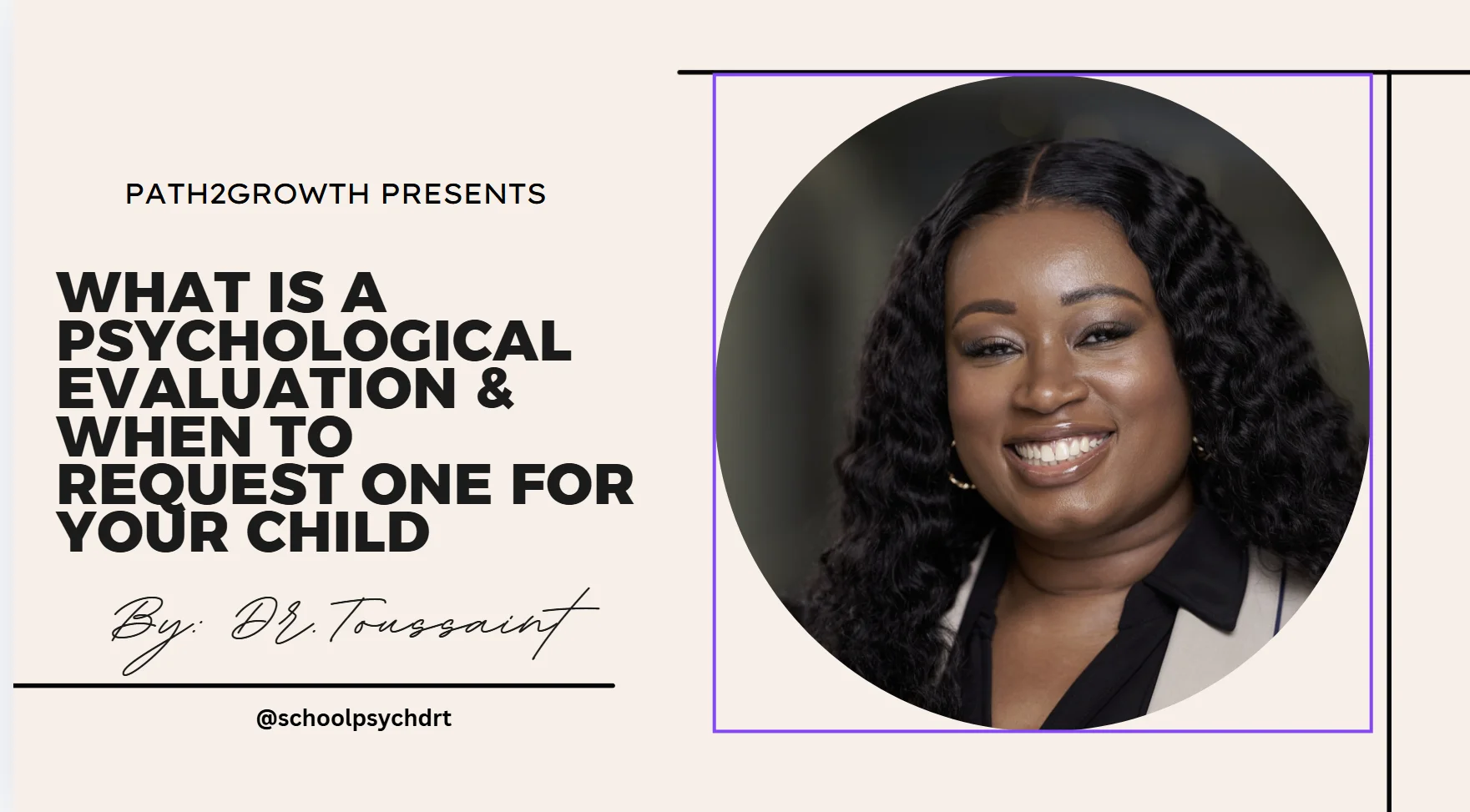
A Profession Under Strain
In recent years, educators have increasingly spoken out about the emotional and psychological demands of their work. The pandemic amplified existing pressures, but the issues run deeper: chronic understaffing, rising student needs, and systemic gaps in mental health support.
Dr. Toussaint’s content speaks directly to this reality. Rather than positioning stress as a personal failing, her work emphasizes that feelings of overwhelm are often a natural response to unsustainable conditions.
One post, for example, addresses back-to-school anxiety not as weakness, but as evidence of commitment: educators feel nervous, it suggests, because they care deeply about their students and their work. (schoolpsychdrt.com)
This reframing, simple yet powerful, has become a defining feature of her platform.
Her perspective has been shaped not only by everyday work in schools, but by difficult moments that revealed how fragile mental health support can be. She recalls trying to implement trauma-informed mental health initiatives and encountering strong resistance from educators already exhausted by a constant cycle of new programs and expectations. That experience made clear that before schools introduce another initiative, people first need to feel heard, supported, and understood.
The Language of Validation
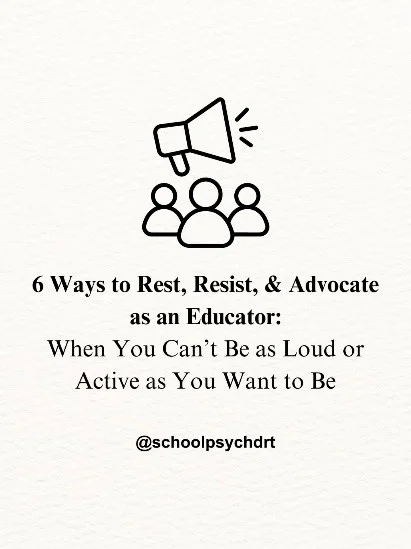
Scrolling through Dr. T’s account reveals a consistent pattern: posts that name what many educators experience but rarely articulate. Phrases like “you’re not just tired – you’re carrying too much” or reminders that burnout does not disappear simply because it is summer break reflect a nuanced understanding of the nervous system and emotional labor.
These messages are not abstract. They are grounded in practical, lived experience.
Dr. Toussaint identifies as a school psychologist, therapist, family coach, and neurodivergent advocate, bringing both professional expertise and personal perspective to her work. The result is content that feels less like instruction and more like conversation: direct, empathetic, and often deeply personal.
One defining moment came when a teacher responded to classroom behavior strategies by saying, “I am not doing this.” Dr. Toussaint did not interpret the reaction as resistance, but as exhaustion. For her, it became evidence of a deeper reality: many educators are not unwilling – they are overwhelmed, overtired, and operating beyond capacity.
From Content to Community
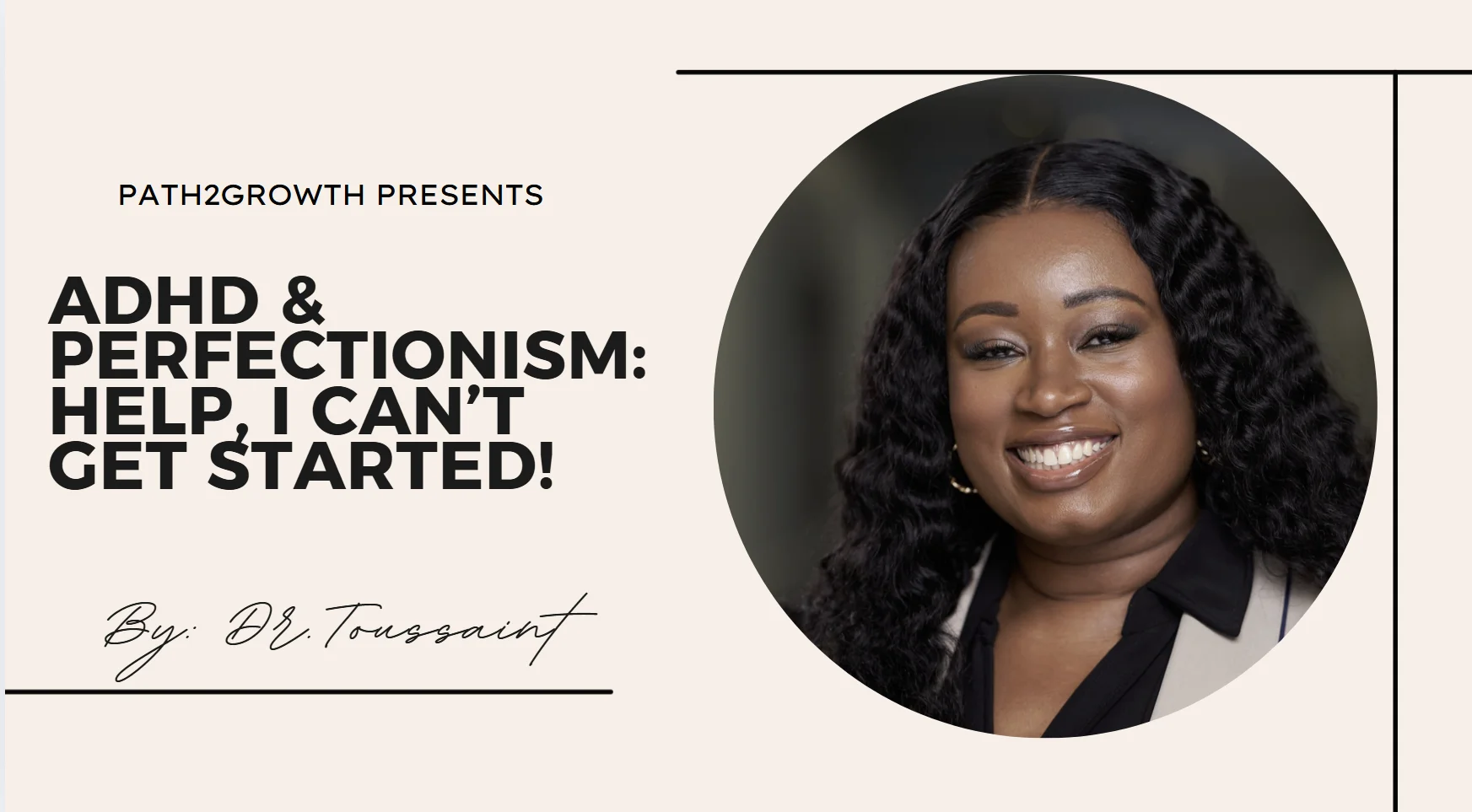
What distinguishes @schoolpsychdrt from many educational accounts is its emphasis on community-building. The platform does not stop at awareness; it actively invites participation.
Central to this effort is the development of what Dr. Toussaint calls a “Compassion Circle for Educators.” Framed as a guided support space, the initiative is designed to help participants process stress, reconnect with purpose, and develop strategies for protecting their energy.
The language used to describe the program is telling. It is not about optimization or performance, but about “reset,” “reconnect,” and “protect your peace”: terms more commonly associated with therapeutic environments than professional development.
In this way, the account blurs the line between social media content and mental health support, creating a hybrid space that reflects the evolving needs of educators.
For Dr. Toussaint, community plays a central role in healing burnout. When educators hear others naming the same struggles, it reminds them that they are not alone – and that sense of shared experience can itself become restorative.
Practical Tools, Not Just Ideas
While much of the platform’s impact lies in its emotional resonance, it also offers tangible strategies.
Posts frequently include short, actionable techniques such as two-minute mood boosters, sensory tools for calming students, and structured approaches to managing anxiety. One example highlights the use of weighted stuffed animals as a more practical alternative to traditional sensory tools, noting their accessibility and effectiveness in helping students regulate during sessions.
These suggestions are deliberately simple, designed to be implemented within the constraints of a typical school day.
This balance between validation and utility is key to the platform’s appeal. It acknowledges the complexity of educators’ experiences while still offering concrete support.
Among the practical tools she emphasizes is a deceptively simple shift in mindset: organizing the day by capacity rather than by the sheer number of tasks. Some responsibilities require more emotional and mental energy than others, and planning according to what feels realistically manageable can create a more sustainable rhythm.
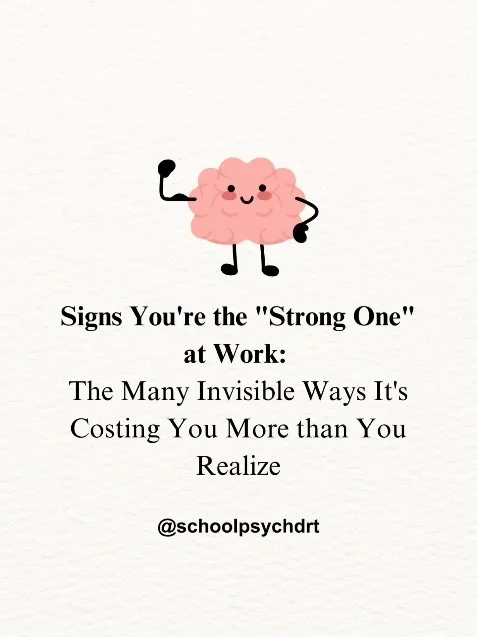
She also regularly offers guidance for recognizing early warning signs of burnout – persistent fatigue even after rest, Sunday anxiety, difficulty relaxing on weekends, walking into work with a knot in the stomach, procrastination, and an increasing inability to disconnect from work once the day is over.
Centering Marginalized Voices
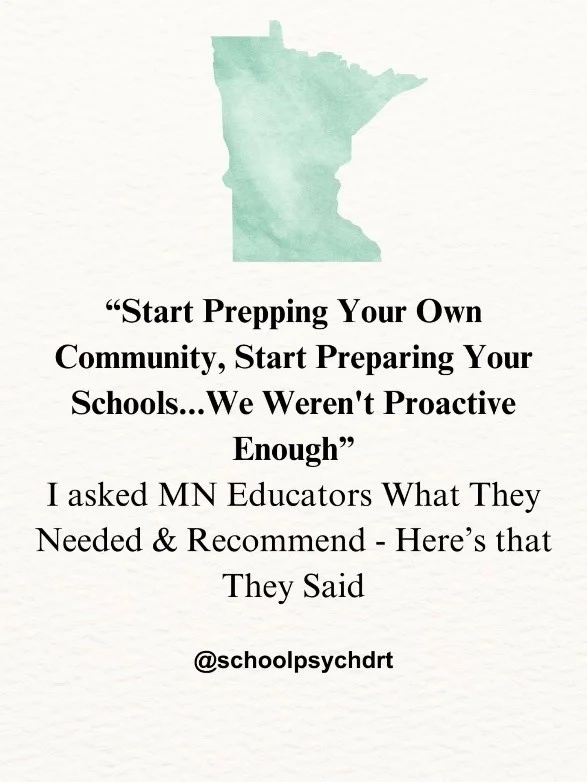
Another notable aspect of Dr. Toussaint’s work is its explicit focus on equity. The account frequently addresses the unique challenges faced by minority and marginalized educators, calling for mental health support that is “real, consistent, and addresses hidden emotional tolls.”
This emphasis reflects a broader shift within education toward recognizing how systemic inequities intersect with professional stress. By naming these dynamics, the platform expands the conversation beyond individual coping strategies to include structural change.
She also speaks to the importance of culturally aware spaces for both educators and families. In a social media landscape often dominated by performance and productivity, she wants her page to feel different: a place where someone can pause and think, “Yes – that is exactly what I’ve been going through.”
Her broader mission, reflected in her Rise & Thrive work, is not simply to help educators survive difficult seasons, but to help them move beyond survival mode. Thriving, as she describes it, does not mean perfect balance every day. Some seasons demand more from work than others. But it does mean being able to rise above those periods and return to caring for oneself, one’s family, and one’s community.

A Shift in Narrative
Perhaps the most significant contribution of Dr. Toussaint’s platform is its challenge to long-standing narratives within education.
For decades, teaching has been framed as a vocation defined by resilience, selflessness, and endurance. While these qualities are often celebrated, they can also obscure the cost of the work; particularly when support systems are lacking.
Dr. Toussaint offers an alternative narrative: one in which educators are allowed to be human.
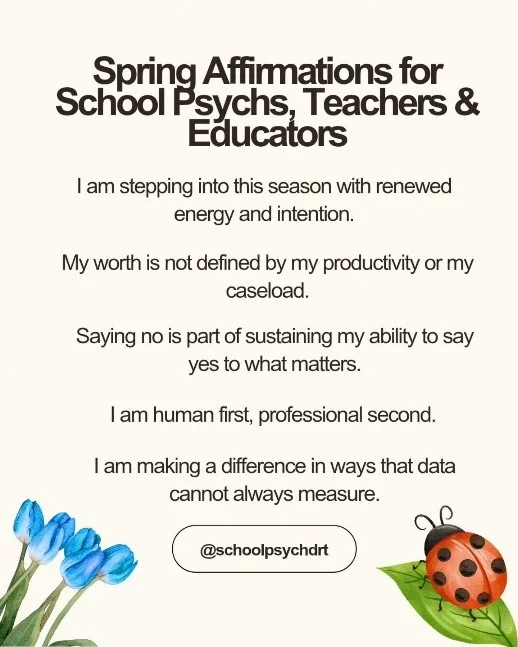
In this framing, needing rest is not failure. Setting boundaries is not selfish. Seeking support is not a sign of weakness, but a necessary step toward sustainability.
The Rise of the Digital School Psychologist
The growth of accounts like @schoolpsychdrt also reflects a broader trend: the emergence of school psychologists as public voices in the digital space.
Traditionally, school psychologists have operated behind the scenes, working directly with students, families, and staff. Social media, however, has expanded its reach, allowing professionals like Dr. Toussaint to share insights, advocate for change, and build communities beyond the walls of a single school.
This shift has significant implications. It democratizes access to mental health knowledge, making strategies and perspectives available to a wider audience. It also creates new opportunities for connection among professionals who might otherwise feel isolated.

Instagram, in particular, has allowed Dr. Toussaint to connect with educators, school psychologists, and educational content creators across different communities. Those exchanges have become part of what continues to shape and strengthen the platform.
Toward a More Sustainable Future
As the conversation around educator well-being continues to evolve, platforms like @schoolpsychdrt suggest a path forward; one that prioritizes sustainability over sacrifice.
Dr. Toussaint’s work does not claim to solve the systemic challenges facing education. But it does offer something equally important: a space where those challenges can be acknowledged without judgment, and where educators can begin to imagine a different way of working.
In an environment often defined by urgency and expectation, that space, however small it may seem – can be transformative.
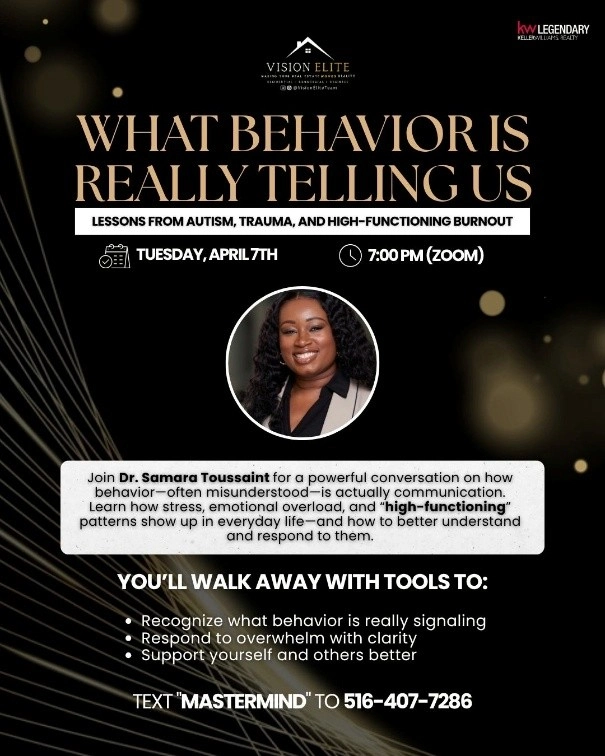
Looking ahead, Dr. Toussaint plans to expand that support through a resource hub for educators focused on burnout management, compassion fatigue, advocacy for neurodivergent educators, and helping both students and the educators who serve them access accommodations. She is also expanding her YouTube presence, extending her work beyond Instagram to reach educators across the country.
Perhaps the clearest measure of the platform’s impact comes in the words she hears most often from her audience: “I feel so seen.” For Dr. Toussaint, that is not just encouraging feedback – it is the very purpose of the work.
Relevant Links
- Instagram: https://www.instagram.com/schoolpsychdrt/
- Official Website / Coaching Hub: https://www.schoolpsychdrt.com/
- Programs & Services: https://www.schoolpsychdrt.com/