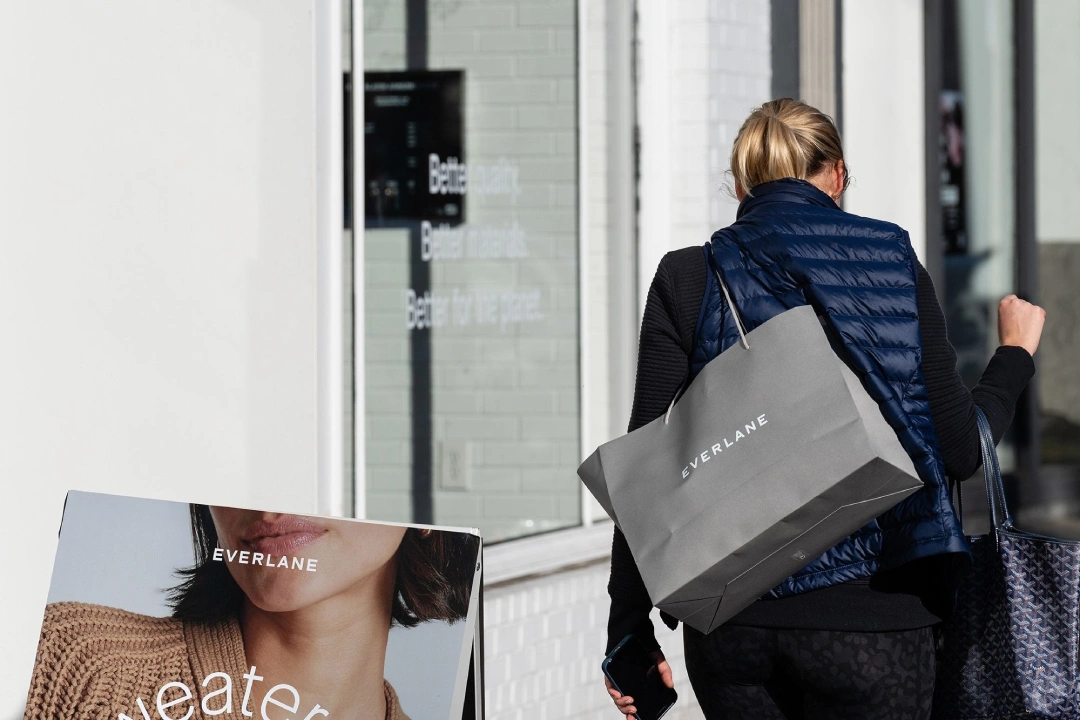
For years, Everlane sold more than clothing. It sold an idea. The company built its reputation around “radical transparency,” promising consumers that they could purchase minimalist basics without feeling the guilt often associated with fast fashion. To a generation of shoppers increasingly concerned with sustainability and ethical sourcing, Everlane became not simply a retailer, but a statement about how fashion could be different.
Now, that image is being tested.
Reports surrounding the sale of Everlane to Shein have triggered an emotional reaction among customers who view the deal as a collision between two sharply different philosophies. The acquisition, reportedly valued at around $100 million and tied to Everlane’s financial challenges, has sparked frustration, disbelief, and concerns that a once values-driven brand may be entering an uncertain new chapter.
The tension around the announcement comes from the identities linked to both brands. Everlane got noticed by leaning hard into factory visibility, ethical making, and sustainability language. Shein, meanwhile, climbed to become one of the world’s biggest fashion sellers via a fast, low-cost strategy that has often been questioned by environmental advocates and labor rights groups.
For a lot of faithful shoppers, the contrast feels hard to mesh together.
Online reactions moved fast through TikTok, Reddit, and various fashion circles, where people said the news felt disappointing and, for some, honestly a bit upsetting. A theme kept returning over and over: it was not only about losing a clothing brand, but it was also about what they believed that brand stood for. Conversations in the community pointed to worries about quality slipping, concerns that sustainability promises could weaken, and doubts about whether Everlane could keep its original vibe once ownership changes.
The emotional response also highlights a broader shift within retail culture. During the 2010s, a wave of consumer brands built businesses around values as much as products. Companies promised ethical sourcing, environmental responsibility, transparency, and social awareness. Consumers – particularly younger ones: embraced the idea that purchasing choices could reflect personal principles.
But economic pressures have complicated that vision.
Industry observers increasingly note that many consumers who prioritize sustainability also face competing realities: inflation, rising living costs, and demand for affordability. Brands attempting to balance ethical commitments with competitive pricing have often struggled to sustain growth at the scale investors expect.
Everlane itself had shown a bit of strain before the acquisition discussions came into the picture, so to speak. Reports suggest the company carried a substantial debt load and that competition was also increasing. It was coming from older retailers, as well as newer direct-to-consumer brands.
Leadership has said that Everlane will keep operating independently, and it will maintain its sustainability commitments even after the acquisition. Still, for some shoppers, reassurance may not be enough to calm the deeper worries about trust and identity.
What happens next might end up showing less about one company and more about shifting expectations across modern consumer culture. People increasingly want brands to stand for something beyond the product. When those stated values seem to move away, the reaction can feel less like mere dissatisfaction and more like betrayal.
Whether Everlane can retain customer loyalty under its new ownership remains uncertain. But the backlash surrounding the deal has already exposed a larger question facing the retail industry:
Can brands built on principles survive in a market increasingly driven by scale, convenience, and price?