In classrooms across the United States, a quiet but profound shift is underway. It is not driven by new testing standards or digital platforms, but by something far more elemental: the human nervous system. At the center of this movement is The Regulated Classroom, an education initiative and growing online presence, most visibly through its Instagram account “@regulatedclassroom”, that is redefining how teachers understand behavior, stress, and learning.
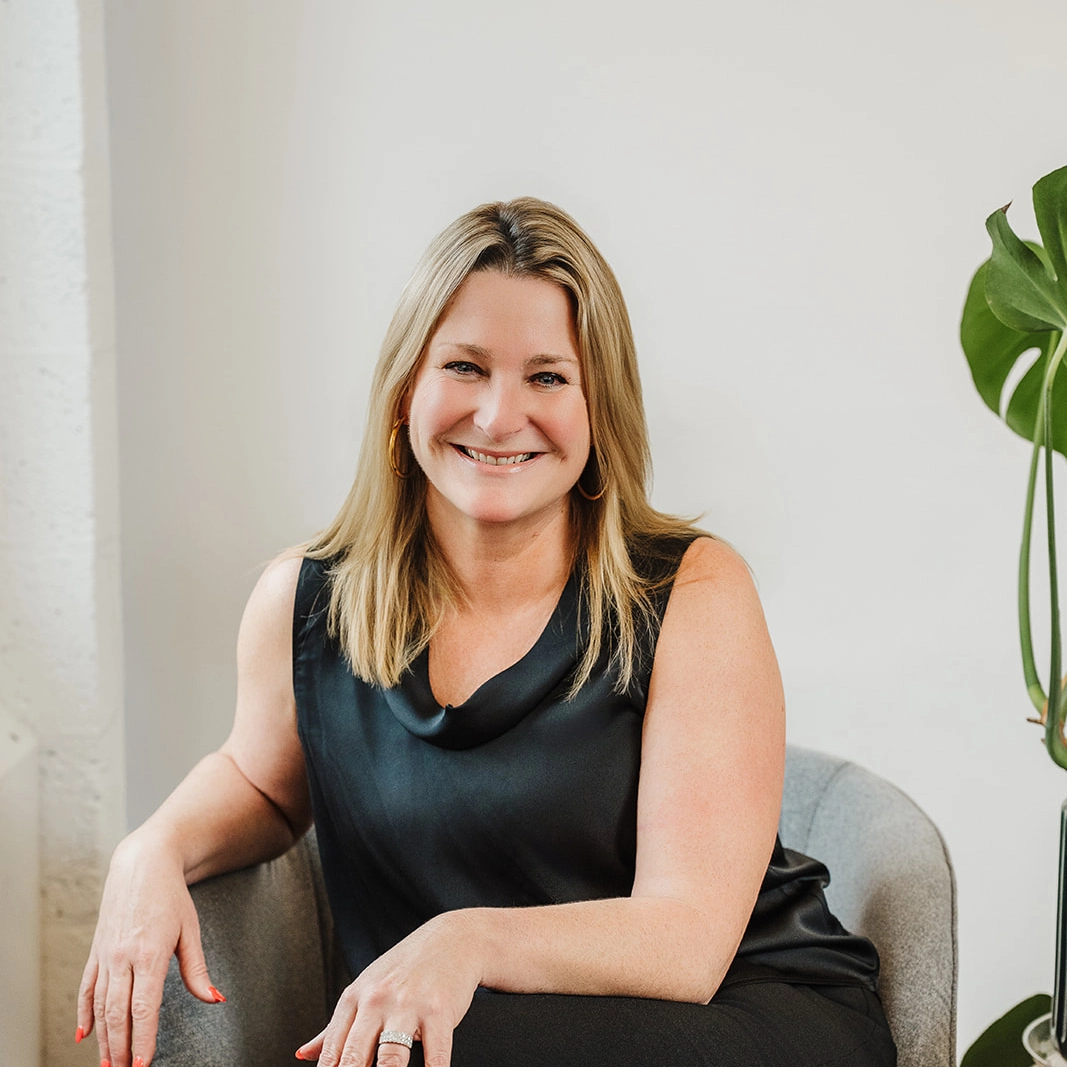
Behind the framework is Emily Read Daniels, an educator, counselor, and founder whose work blends neuroscience, trauma-informed practice, and lived classroom experience. What distinguishes Emily’s approach is not simply its scientific grounding, but its insistence on a paradigm shift: before students can learn, they must feel safe, physiologically, not just emotionally.

A Classroom in Crisis
The timing of The Regulated Classroom’s rise is not accidental. In the wake of the COVID-19 pandemic, educators have reported unprecedented levels of burnout, student dysregulation, and emotional fatigue. Emily’s work emerges as a response to this crisis, offering tools designed not just for students, but for teachers themselves.
The framework, as outlined on the program’s official site, emphasizes that “educator well-being is student well-being,” a principle that has become central to its philosophy.
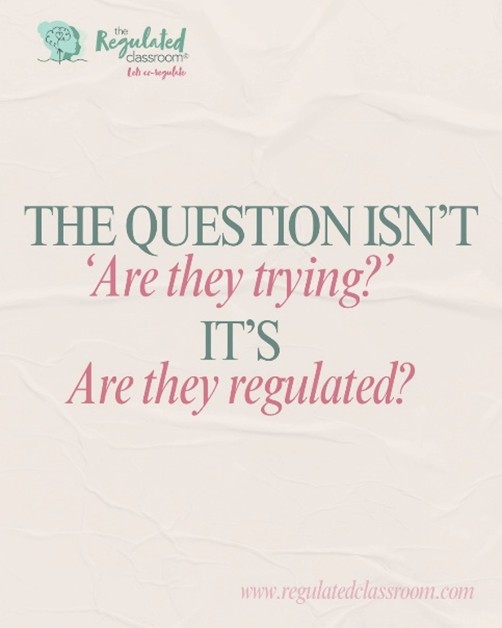
Rather than focusing solely on student behavior, a hallmark of traditional classroom management, the Regulated Classroom begins with the adult in the room. The premise is simple but radical: a dysregulated teacher cannot effectively regulate a classroom.
That perspective grew directly from Emily’s own experience as a high school counselor supporting students struggling with substance misuse, trauma, and mental health challenges. She began to recognize that many students labeled as “difficult” were not inherently disruptive or defiant, but were operating from chronic states of stress and survival.
At the same time, she encountered resistance to trauma-informed approaches within school systems themselves. The experience convinced her that educators and administrators also needed a deeper understanding of how stress and trauma shape behavior, decision-making, and emotional regulation.
The Science of “Felt Safety”
At the heart of Emily’s methodology is the concept of “felt safety,” a term rooted in neuroscience and particularly in Polyvagal Theory, developed by Dr. Stephen Porges. The theory suggests that human behavior is deeply influenced by the state of the autonomic nervous system, which continuously scans for cues of safety or danger.
In practical terms, this means that a student who appears defiant or disengaged may, in fact, be operating in a physiological state of stress or threat. Traditional disciplinary approaches, which rely on logic and consequences, often fail in such moments because the “thinking brain” is effectively offline.
Emily’s response is to equip educators with tools that help restore regulation: brief, repeatable practices designed to bring both teacher and student back to a state of calm.
For Emily, “felt safety” is inseparable from regulation itself. When the nervous system feels safe, individuals are more capable of accessing curiosity, compassion, patience, impulse control, and learning. When safety is absent, behavior becomes defensive and protective instead.
The Four Core Practices
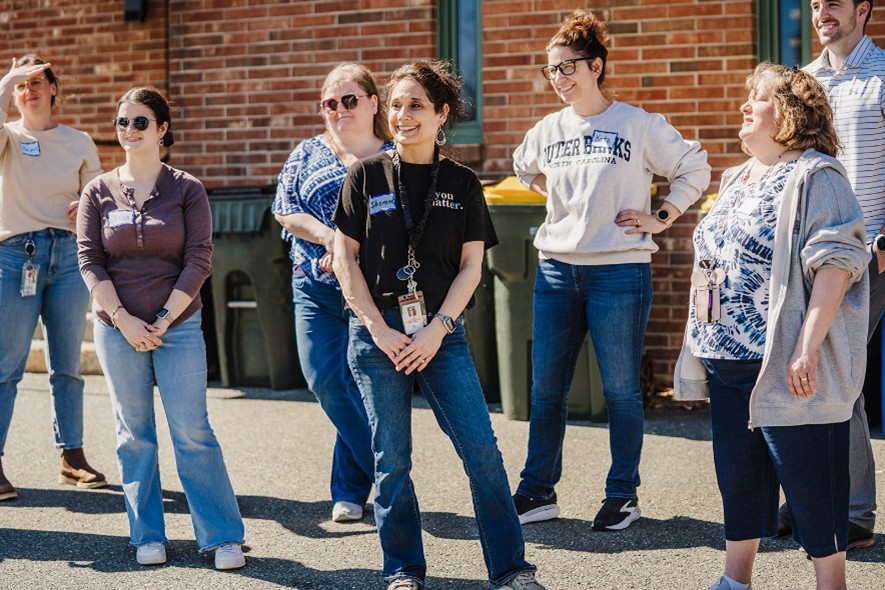
Central to the Regulated Classroom framework are what Emily calls the “Four Core Practices”: Connectors, Activators, Settlers, and Affirmations. These are not lengthy interventions but short, structured activities – often lasting just one to three minutes that can be embedded seamlessly into the school day.
- Connectors build relationships through playful interaction.
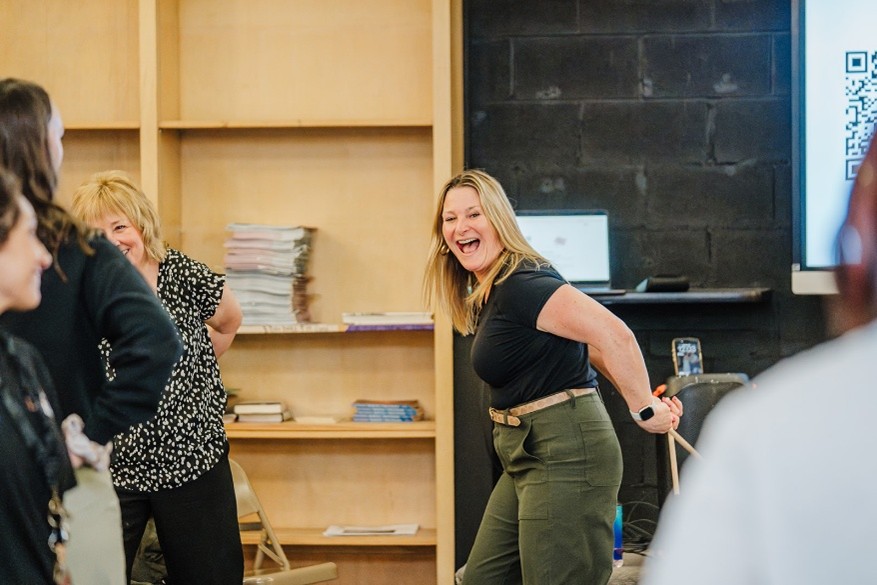
- Activators use rhythm and movement to energize and synchronize the group.
- Settlers calm the nervous system through breathing or mindfulness.
- Affirmations reinforce positive emotional experiences.
Together, these practices aim to create what Emily describes as “micro-moments of co-regulation; shared experiences that stabilize the classroom environment.
It is a model that prioritizes consistency over intensity and embodiment over instruction.
Emily describes these practices as “micro-doses” of regulation woven throughout the day. A classroom might pause for thirty seconds of rhythmic movement, a brief calming exercise, or a shared moment of affirmation – not as an interruption to learning, but as the foundation that makes learning possible.
The practices are intentionally designed to benefit both students and educators simultaneously, reinforcing Emily’s belief that regulation in classrooms must be relational rather than one-sided.
Understanding Co-Regulation
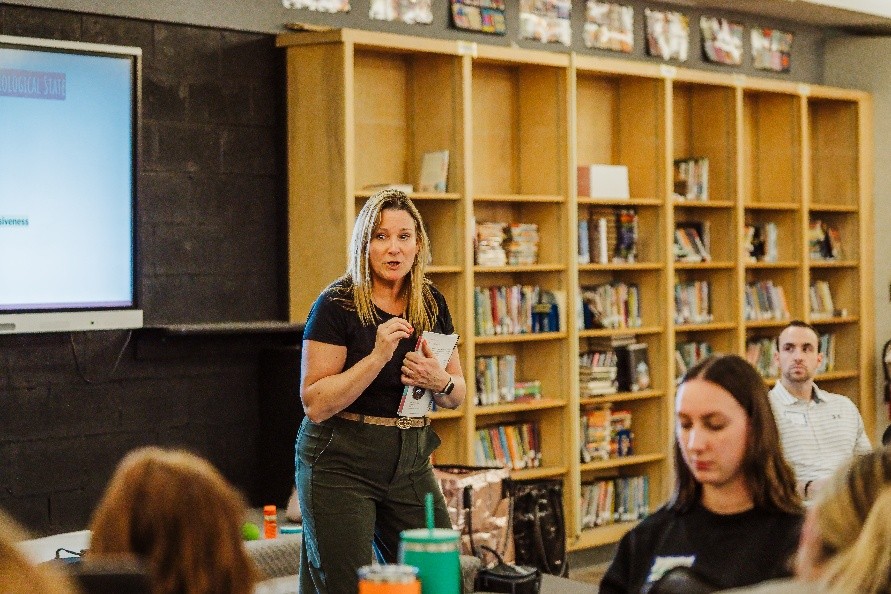
A central concept in Emily’s work is co-regulation, which she describes as a biologically based exchange between nervous systems. She often explains it through simple, everyday examples: the immediate emotional shift that can occur when a joyful dog greets its owner after a stressful day, or the calming effect one regulated person can have on another.
In classrooms, this means teachers and students are constantly influencing one another’s emotional states. An anxious or overwhelmed educator may unintentionally heighten tension in students, while a calm and regulated adult can help stabilize the environment. Co-regulation, in Emily’s framework, is not an abstract theory: it is an ongoing physiological reality shaping every interaction in the classroom.
From Instagram to Institutions
While The Regulated Classroom has gained traction through professional development programs and educational partnerships, its Instagram presence plays a crucial role in its visibility and influence.
The @regulatedclassroom account functions as both a teaching tool and a community hub. Through short-form content, ranging from practical strategies to reflective insights, it translates complex neuroscience into accessible, actionable ideas for educators navigating real-world challenges.
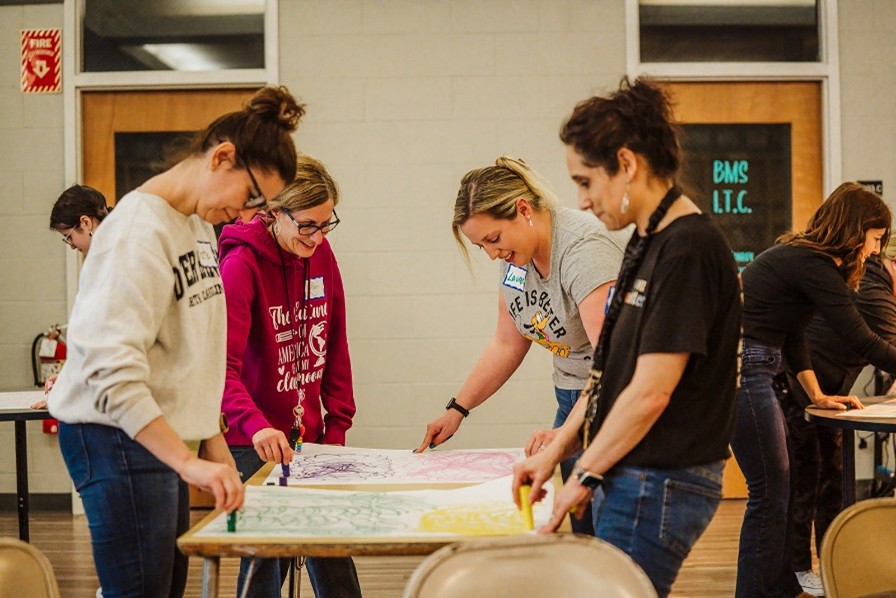
This digital footprint has helped the framework reach beyond formal training sessions, allowing teachers worldwide to engage with its principles in real time.
Institutional Recognition
The impact of Emily’s work is not limited to social media. The Regulated Classroom has been selected by state education departments, including those in Maine and New Hampshire, as part of broader pandemic recovery efforts aimed at addressing trauma in schools.
Such endorsements signal a growing institutional recognition of the need for trauma-informed approaches in education – particularly those grounded in both research and practical application.
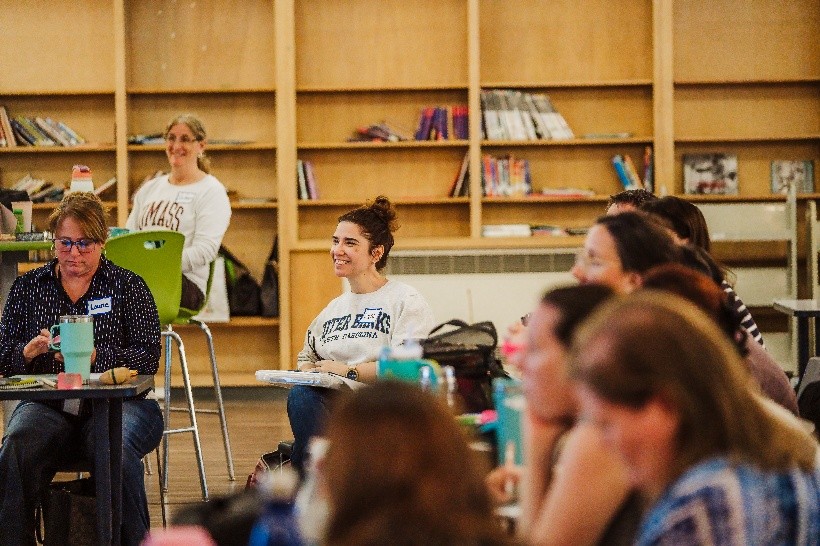
Educators who have participated in the program frequently describe it as transformative, noting its immediate applicability and its focus on the “why” behind classroom strategies.
Beyond Traditional SEL
For decades, Social-Emotional Learning (SEL) has been the dominant framework for addressing student well-being. Yet Emily’s work positions The Regulated Classroom as both complementary to and distinct from traditional SEL.
Where conventional SEL often relies on cognitive strategies: teaching students to identify emotions and make better choices, the Regulated Classroom addresses the physiological foundation beneath those choices.
As one education professional noted in response to the training, traditional SEL programs can fall short when students are too dysregulated to access higher-order thinking.
Emily’s approach, by contrast, seeks to regulate the body first, creating the conditions necessary for emotional and cognitive learning to occur.
Emily argues that many traditional systems still operate from the assumption that students who struggle to comply are somehow deficient or unwilling. Her framework instead reframes behavior as communication: an expression of nervous system state rather than simply a matter of discipline or motivation.
This perspective also challenges schools to reconsider long-standing structures, policies, and expectations that may unintentionally ignore the impact of stress and trauma on both students and staff.
A Cultural Shift in Education
What The Regulated Classroom ultimately represents is more than a set of tools; it is a shift in how educators interpret behavior itself.
In this model, behavior is not viewed as a problem to be managed, but as a signal to be understood – a reflection of an internal state rather than a deliberate choice. This reframing has profound implications for discipline, equity, and teacher-student relationships.
It also challenges long-standing assumptions about authority and control in the classroom, replacing them with a focus on connection, regulation, and mutual responsiveness.
Emily has spoken openly about the frustration of watching schools repeatedly rely on the same approaches for decades despite rising levels of stress, burnout, and emotional dysregulation. Her work advocates not for small adjustments, but for a fundamental cultural shift in how schools understand human behavior and learning itself.

The Future of The Regulated Classroom
As schools continue to grapple with the long-term effects of collective stress and trauma, frameworks like Emily’s are likely to gain further traction. The combination of scientific grounding, practical application, and digital accessibility positions The Regulated Classroom as a notable force in the evolving landscape of education.
For Emily, the mission remains clear: to help educators move from merely surviving the school day to experiencing a renewed sense of purpose and possibility.
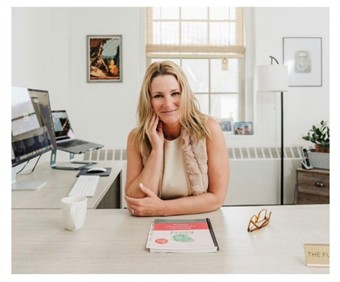
Or, as the platform itself puts it, to “decrease stress and increase joy in the classroom.”
Looking ahead, Emily plans to continue expanding resources for educators through a broader support hub focused on burnout prevention, compassion fatigue, neurodivergent advocacy, and accommodations for both educators and students. She is also developing her YouTube platform to reach and support educators across the country in more accessible and sustained ways.
Get Connected
- Official Website: Visit The Regulated Classroom
- Framework Overview: Explore the Framework
- Trauma Research Feature: Read External Overview
- Instagram: https://www.instagram.com/regulatedclassroom/