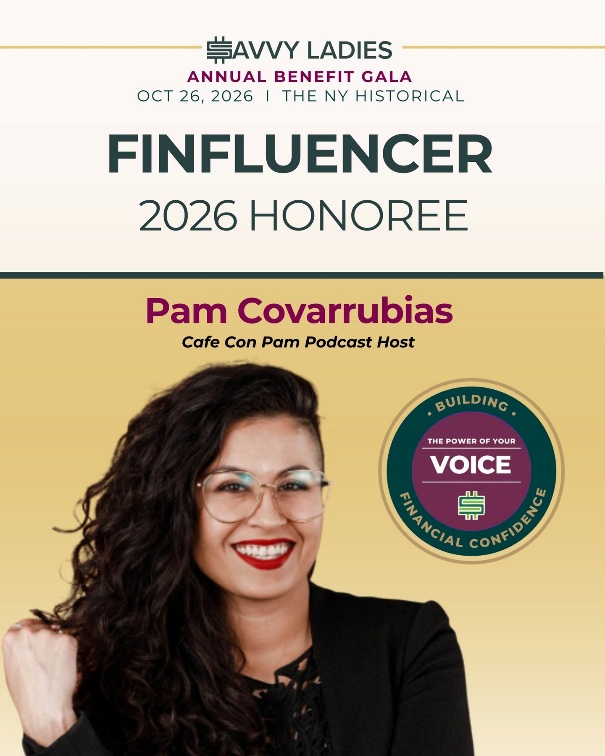
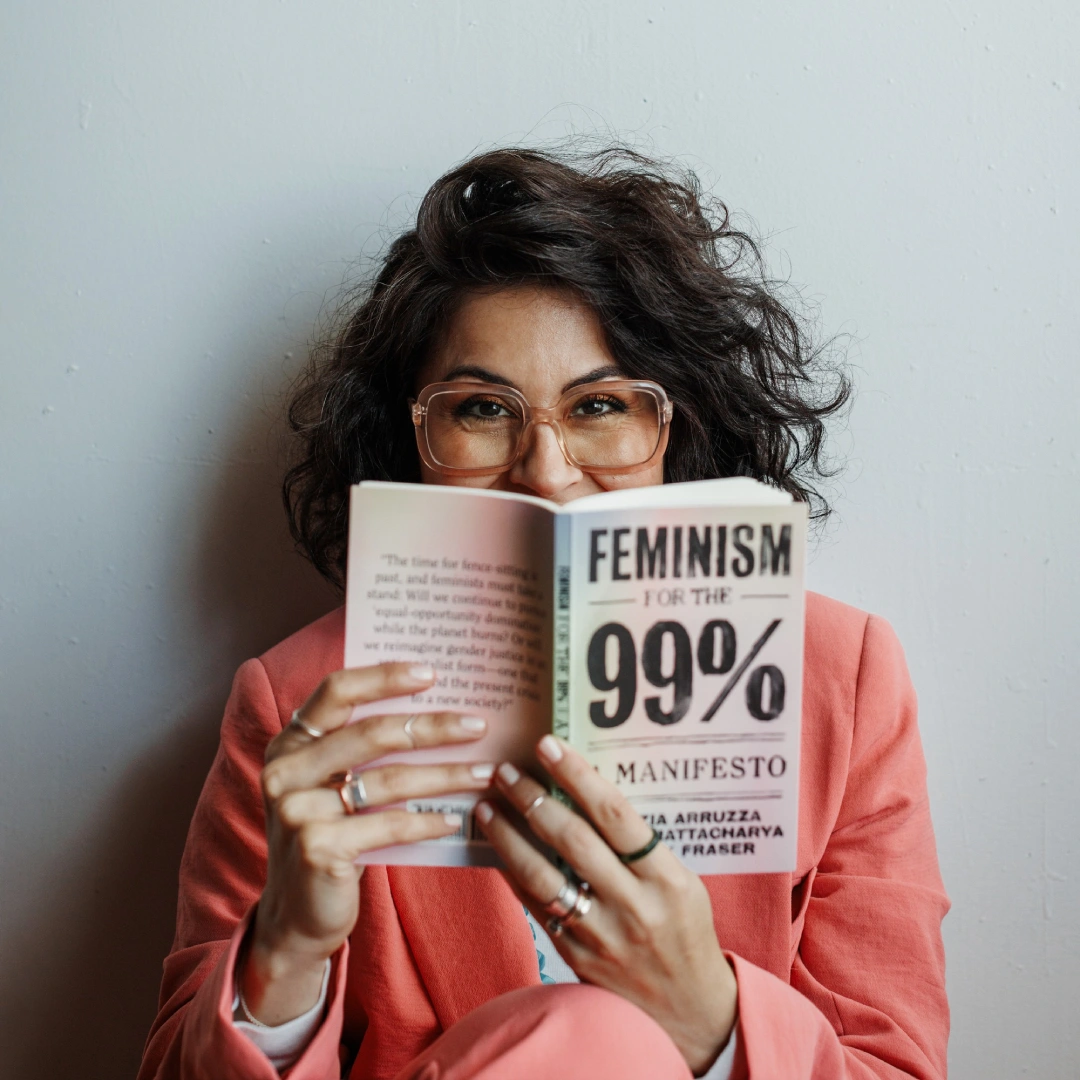
Pam Covarrubias built a career around a lesson generation of women were often discouraged from learning: speaking up. Through Calladita Culture®, Café con Pam and her work with first-generation Latina leaders, she is challenging inherited ideas about silence, sacrifice and success; and replacing performed confidence with something she believes runs deeper: certainty.
There is a phrase many Latina girls grow up hearing in one form or another.
Calladita te ves más bonita.
You look prettier when you are quiet.
It can sound harmless. Even affectionate. A saying passed between generations, perhaps delivered jokingly when a girl is being particularly outspoken.
Pam Covarrubias hears something larger inside it. She hears generations of women learning when not to speak. She hears daughters being rewarded for accommodating others. Women becoming experts at smoothing conflict, anticipating needs, overpreparing, working harder and making themselves useful enough that their place in the room cannot be questioned. And she sees what can happen when those girls become executives, entrepreneurs, founders and leaders.
They have found their way into the room.
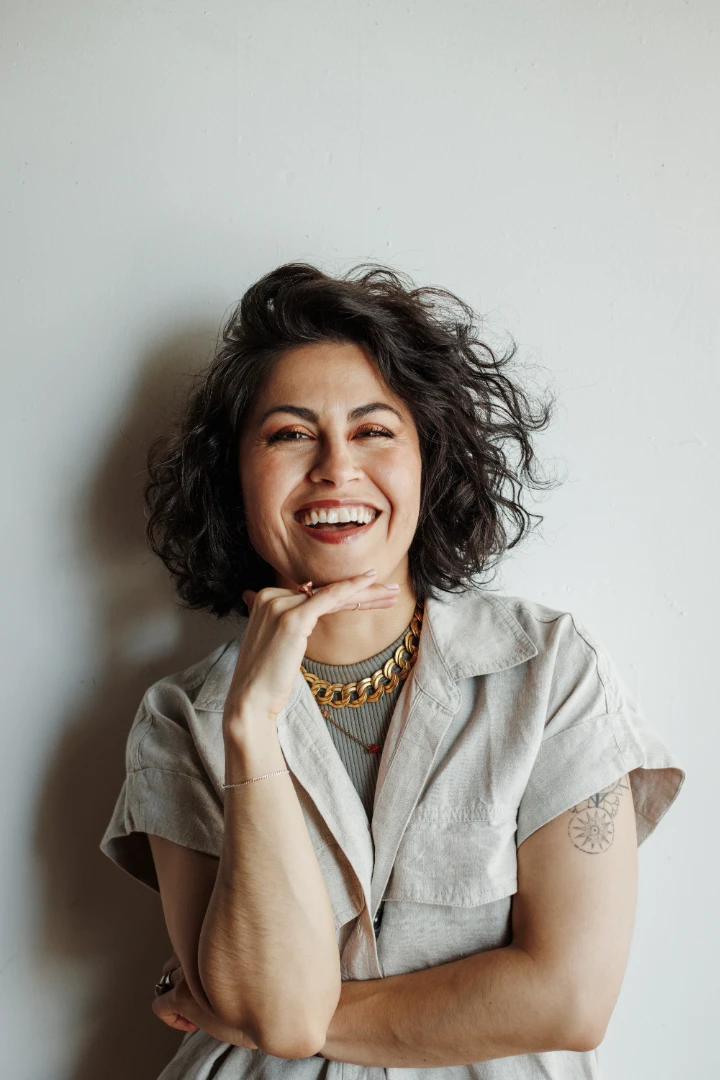
But sometimes they are still behaving as though belonging there depends on remaining agreeable, productive and exceptionally prepared.
Covarrubias gave this pattern a name: Calladita Culture®.
Today, the first-generation Latina leadership coach, speaker, podcast host and founder has built an expanding body of work around understanding what happens when cultural lessons that once helped people survive begin limiting the lives they have worked so hard to build.
Her argument is not that first-generation women lack confidence. In fact, Covarrubias increasingly rejects that framing.
“I don’t teach confidence,” she writes on her professional website. “I build certainty, so confidence becomes inevitable.” That distinction sits at the center of her work. Because a woman can appear confident and still spend the entire meeting wondering whether she belongs there.
Covarrubias wants to change what happens underneath.

The Coach Her Mother Needed
Covarrubias describes the origin of her work in one particularly personal sentence:
“I became the coach my mom needed.”
She was born in the United States and raised in Mexico City, an upbringing that taught her what it meant to exist across cultures. Later, she returned to the United States to pursue college and build a life of her own. Her professional biography describes her experience as one of straddling borders, bridging cultures and navigating the complexities of identity.
For many first-generation children, translation begins long before anyone calls it leadership.
Sometimes it is literal: translating English for parents or relatives. But translation can also be social.
A child learns which version of herself works at home and which works at school.
She learns how to explain one culture to another.
She reads rooms.
She notices tone.
She becomes skilled at anticipating expectations.
These adaptations can become extraordinary professional strengths. They can also become exhausting. Covarrubias has spent years examining what happens when those survival skills follow women into positions of leadership. Her work focuses particularly on first-generation Latina executives, founders and high achievers who may appear accomplished from the outside but remain caught in patterns of overpreparing, overgiving, code-switching and proving themselves.
The problem, as Covarrubias sees it, is not a lack of ability. These women have often already demonstrated extraordinary ability. The question is why achievement has not necessarily made them feel secure.
Naming Calladita Culture
Covarrubias developed Calladita Culture® as language for a set of patterns she had first experienced herself and then repeatedly encountered in her work with other women.
She connects the idea partly to marianismo, the traditional cultural ideal that can associate femininity with qualities such as purity, self-sacrifice and submission. In interviews, Covarrubias has explained that years of working with first- and second-generation clients allowed her to recognize recurring principles that encouraged women to remain quiet or small.
The concept is not simply about speaking loudly.
A person can be outspoken and still participate in Calladita Culture.
For Covarrubias, the patterns can appear in less obvious ways.
Overpreparing because making a mistake feels dangerous.
Giving constantly because usefulness feels connected to belonging. Code-switching so effectively that a person eventually loses track of which version of herself is authentic. Avoiding visibility because standing out once carried consequences. Becoming the mediator because keeping everyone else comfortable feels safer than expressing one’s own needs.
These strategies can work remarkably well. That is precisely what makes them difficult to recognize.
Covarrubias does not describe them merely as weaknesses. She treats them as adaptations – intelligent responses that may once have helped a person navigate family, immigration, culture, workplaces or institutions that did not feel designed for her.
But a survival strategy can become expensive when the original danger is gone and the body is still behaving as though it remains.
When Achievement Still Doesn’t Feel Like Enough
This is where Covarrubias’s work departs from conventional motivational language. A first-generation executive who has spent years proving herself does not necessarily need another person telling her to “believe in yourself.”
She may already run a company.
Manage a team.
Negotiate contracts.
Earn a substantial income.
Lead meetings.
Make consequential decisions.
Her résumé may provide plenty of evidence that she is capable.
And yet, under pressure, old patterns can return.
Covarrubias has described clients who endlessly research before making a decision, replay conversations afterward or create backup plans for their backup plans. Traditional leadership advice might call this indecisiveness or analysis paralysis. Covarrubias asks a different question: What if overpreparation was once how this person learned to stay safe?
Her current work increasingly emphasizes the nervous system, arguing that intellectual understanding alone may not change patterns that have been repeatedly reinforced through lived experience. This is why she describes her approach as beginning with the body. Regulate first. Then lead.
The Five Patterns Behind the Leader
After roughly a decade of coaching first-generation Latinas, Covarrubias began organizing the patterns she was observing into a broader leadership framework.
The result became the Constanza Leadership Model™.
Her model identifies five leadership archetypes associated with Calladita Culture®, treating them not as personality flaws but as survival strategies that can become costly when relied upon too heavily.
One example is what Covarrubias calls the Over-Prepared Visionary.
This leader may be brilliant and capable but struggle to act until she possesses extraordinary amounts of information. What appears to be careful decision-making can conceal a deeper fear that being wrong carries unacceptable consequences.
Another pattern is the Adaptive Translator.
This person becomes exceptionally skilled at navigating personalities, cultures and power dynamics. She can mediate conflict and help people understand one another. But constant adaptation has a cost. If someone spends years translating herself for every room, she may eventually wonder where adaptation ends and identity begins.
Covarrubias’s goal is not to eliminate these abilities. It is to make them conscious. A survival strategy used intentionally can become a strength. A survival strategy running automatically can begin running the person.
From Confidence to Certainty
The word Covarrubias returns to again and again is certainty.
Confidence can be performed.
People do it every day.
They straighten their shoulders before entering the room.
They memorize what they intend to say.

They project authority while privately questioning every sentence.
They become excellent at looking certain.
Covarrubias is interested in something underneath the performance.
She calls the destination Rooted Authority™: leadership that does not depend entirely on external validation or constant proof. Her argument is particularly relevant for first-generation professionals because achievement can carry more than individual ambition.
Success may represent the sacrifices of parents.
The hopes of grandparents.
The opportunities previous generations never received.
That history can be empowering.
It can also create pressure.
What happens when wanting something different feels ungrateful?
What happens when resting feels like wasting the opportunity your parents worked to provide?
What happens when saying no feels like betraying people who never had the privilege of saying it?
These are leadership questions, but they are also deeply personal ones.
Café con Pam and the Power of Asking
Long before her current leadership frameworks became fully developed, Covarrubias had already created another place for voices to be heard.
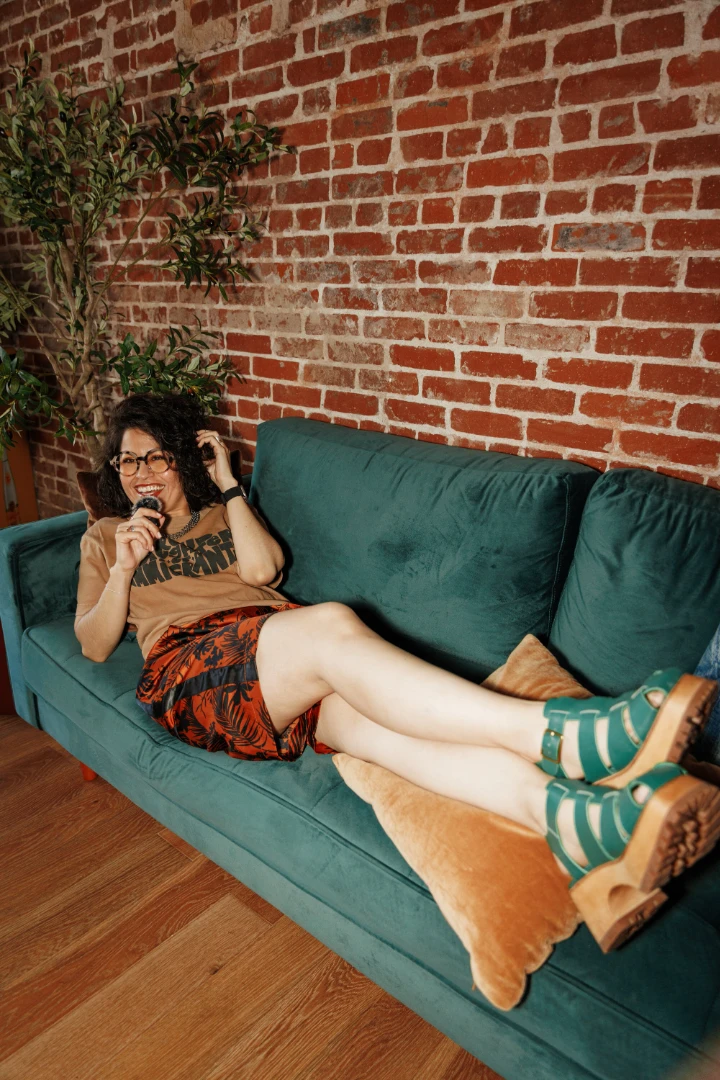
In 2016, she launched Café con Pam with what the show’s website describes simply as a Craigslist microphone and a dream.
The podcast grew from there.
Its premise was rooted in something Covarrubias had noticed while listening to podcasts herself: she was not hearing enough interviews with people who looked like her.
So, she began asking the questions.
Today, Café con Pam describes itself as a bilingual podcast celebrating stories, voices and the process of reclaiming identity. Covarrubias’s official biography says the show ranks among the top one percent of podcasts globally and has developed into a media platform and community reaching first-generation Latinas. The podcast and Calladita Culture are, in many ways, expressions of the same instinct.
One creates space for people to speak. The other asks why they learned to silence themselves in the first place.
Leadership That Changes the Room
Covarrubias calls another part of her philosophy Rooted Authority. The idea reframes experiences first-generation women may have viewed as burdens. Translating between worlds.
Managing situations before receiving an official leadership title. Caring for people. Learning to survive visibility in environments were standing out could be risky.
These experiences can produce fatigue, but Covarrubias argues that they also contain leadership intelligence.
The goal is to stop experiencing them only as evidence that something was difficult and begin recognizing what they taught.
A woman who has spent her life translating may possess extraordinary sensitivity to context.
Someone who learned to manage without formal authority may already understand influence.
Someone accustomed to caring for everyone may understand human needs exceptionally well – provided she learns that leadership does not require abandoning her own.
The shift is from unconscious survival to intentional authority.
Becoming the Woman Who Speaks
There is something almost circular about Pam Covarrubias’s career.
She grew up within the cultural tensions she now studies.
She became the coach she believes her mother needed.
She created a podcast because the conversations she wanted to hear were missing.
She developed Calladita Culture because she needed language for patterns she had experienced before she could explain them.
And now she works with women who have often already accomplished the thing earlier generations dreamed of.
They became the first. The first graduate. The first executive. The first founder. The first person in the family to enter certain rooms.
But being first carries an unusual responsibility. There is no inherited map. You are simultaneously succeeding and learning how to succeed.
Covarrubias wants these women to recognize that they do not have to spend the rest of their careers proving they deserved the opportunity.
They can lead differently.
Not smaller.
Not quieter.
Not constantly rehearsing the version of themselves most likely to make everyone else comfortable.
The old phrase said a woman looked prettier when she stayed quiet.
Covarrubias has built her life’s work around another possibility:
What if the most powerful thing she can become is the woman who no longer needs permission to speak?
For the first-generation leaders following behind her, that voice may do more than change one career.
It may change what the next generation believes is possible.
Get More Connected with Pam Covarrubias
Instagram:
https://www.instagram.com/cobiux/
Threads:
https://www.threads.com/@cobiux
Official Website:
https://www.spreadideasmovepeople.com/
Café con Pam:
https://www.cafeconpam.com/
Café con Pam Podcast – Instagram:
https://www.instagram.com/cafeconpampodcast/
Calladita Culture® Assessment:
https://assessment.calladitaculture.com/