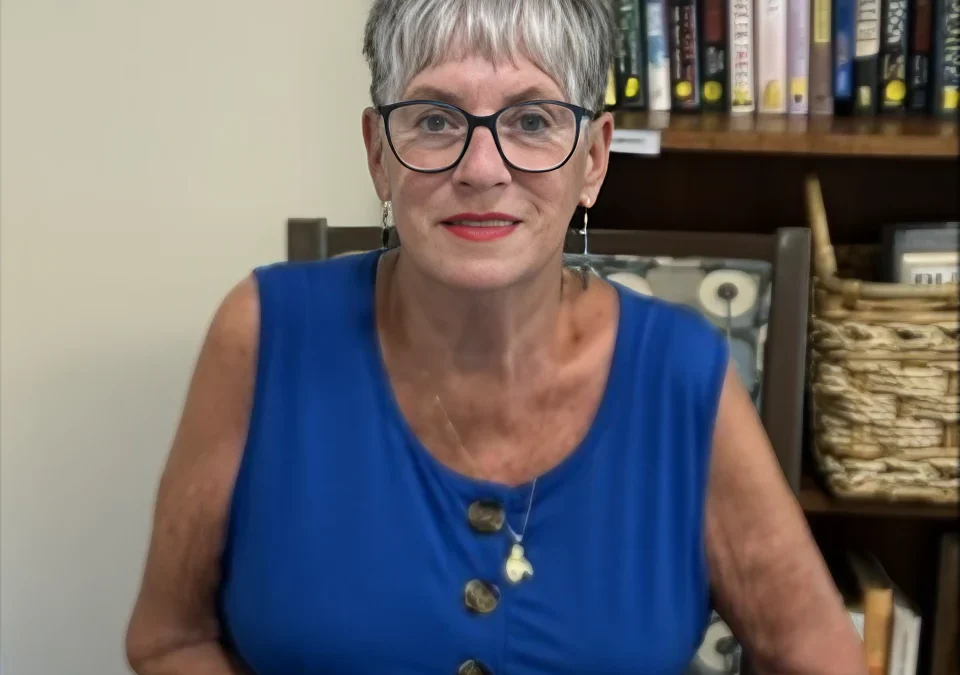
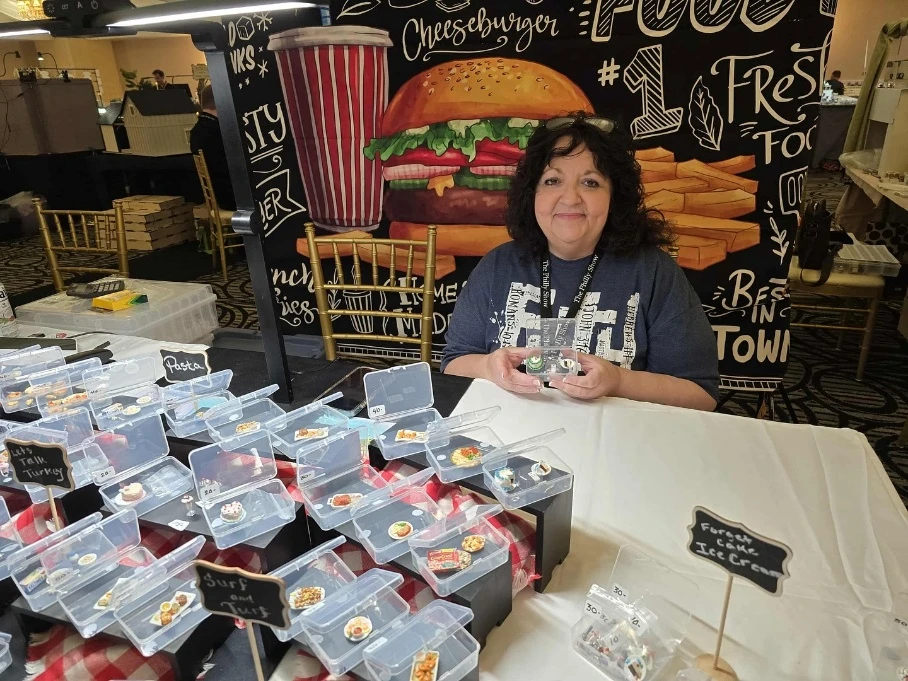
In the endlessly inventive corners of Instagram, some creators don’t aim to go bigger; they go smaller. Much smaller. Among these meticulous artisans is Lisa Schrecengost, the creator behind @miniature_food_artist, an account devoted to crafting astonishingly realistic foods at a scale so tiny they could sit comfortably on the tip of a finger.
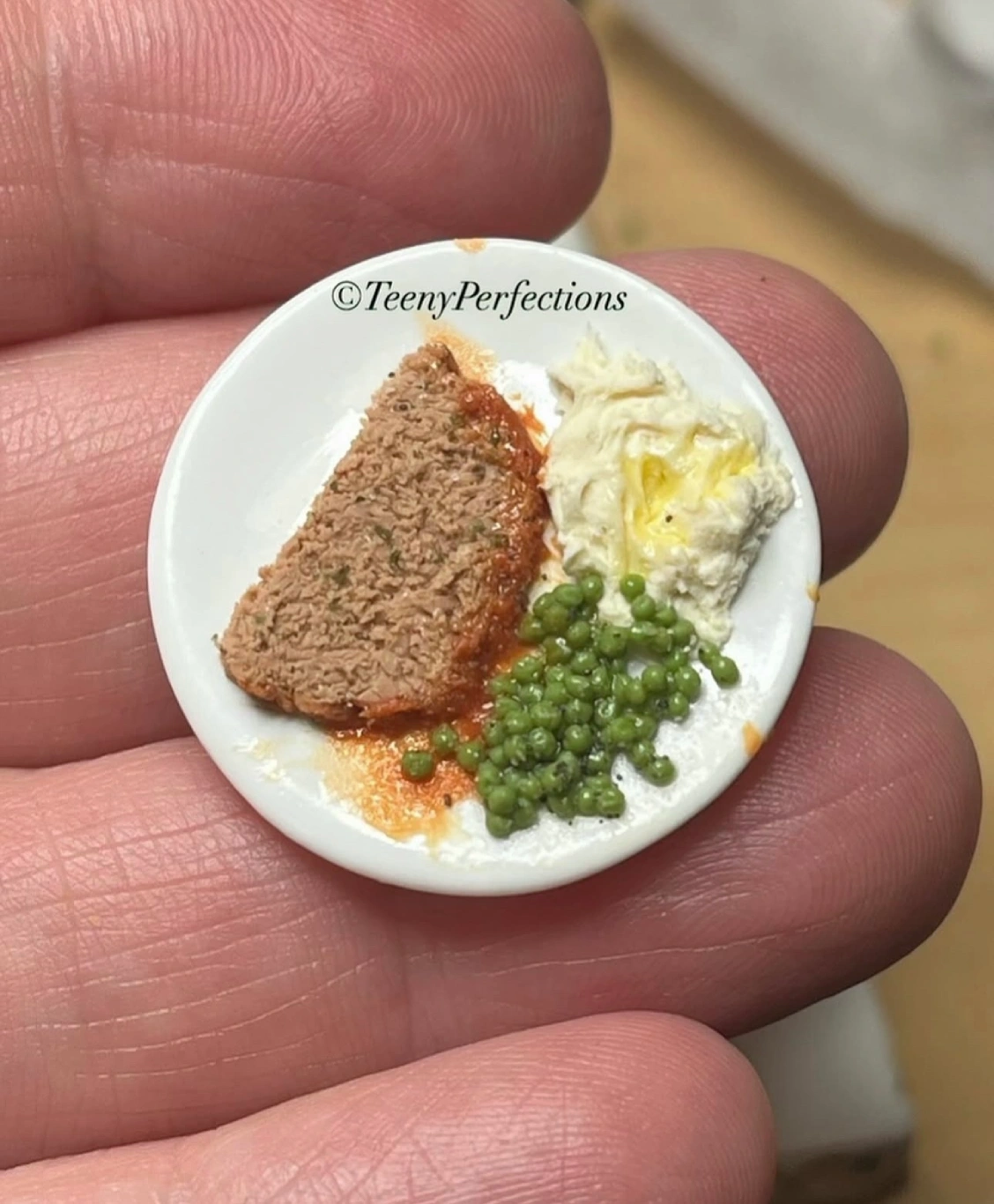
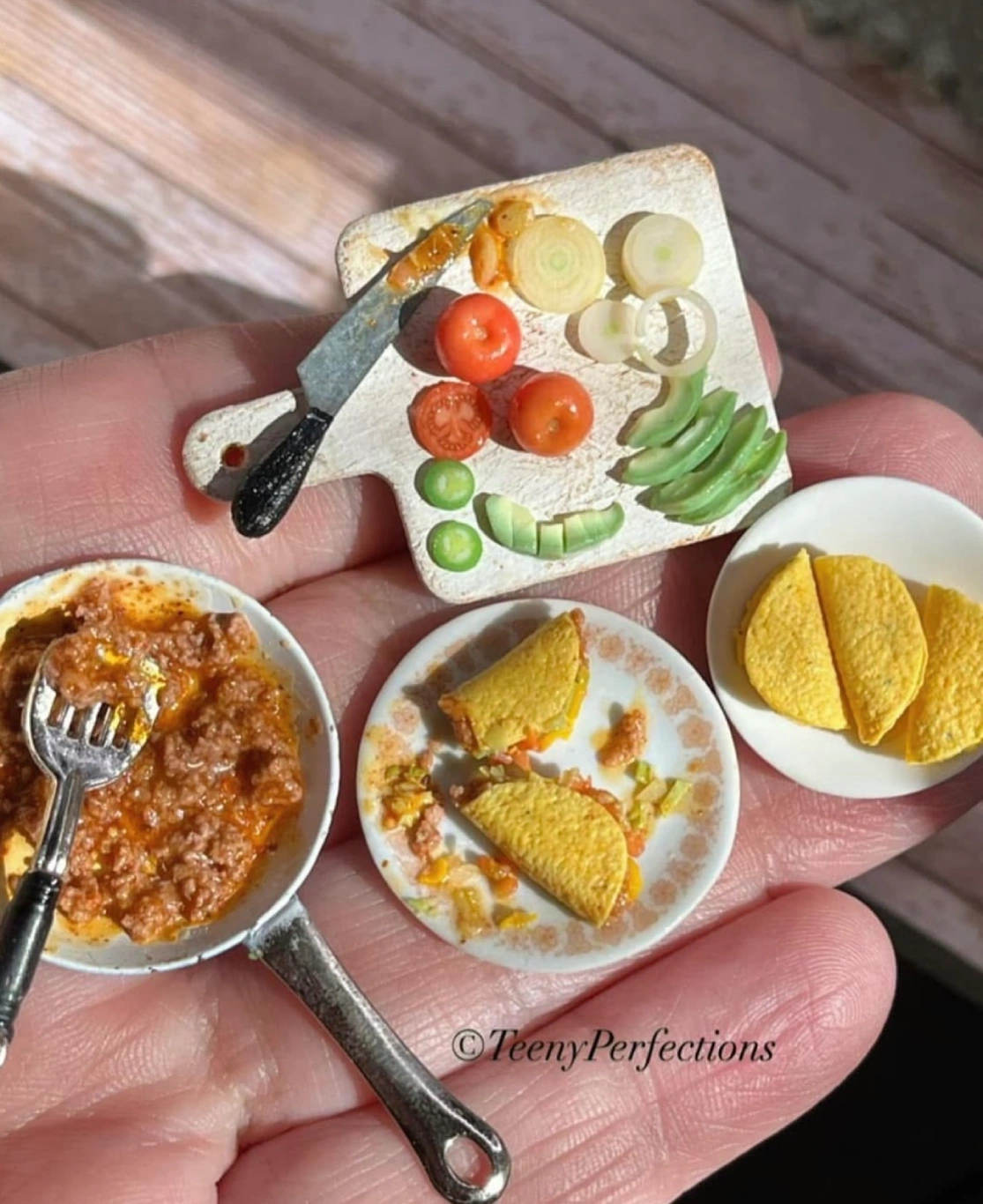
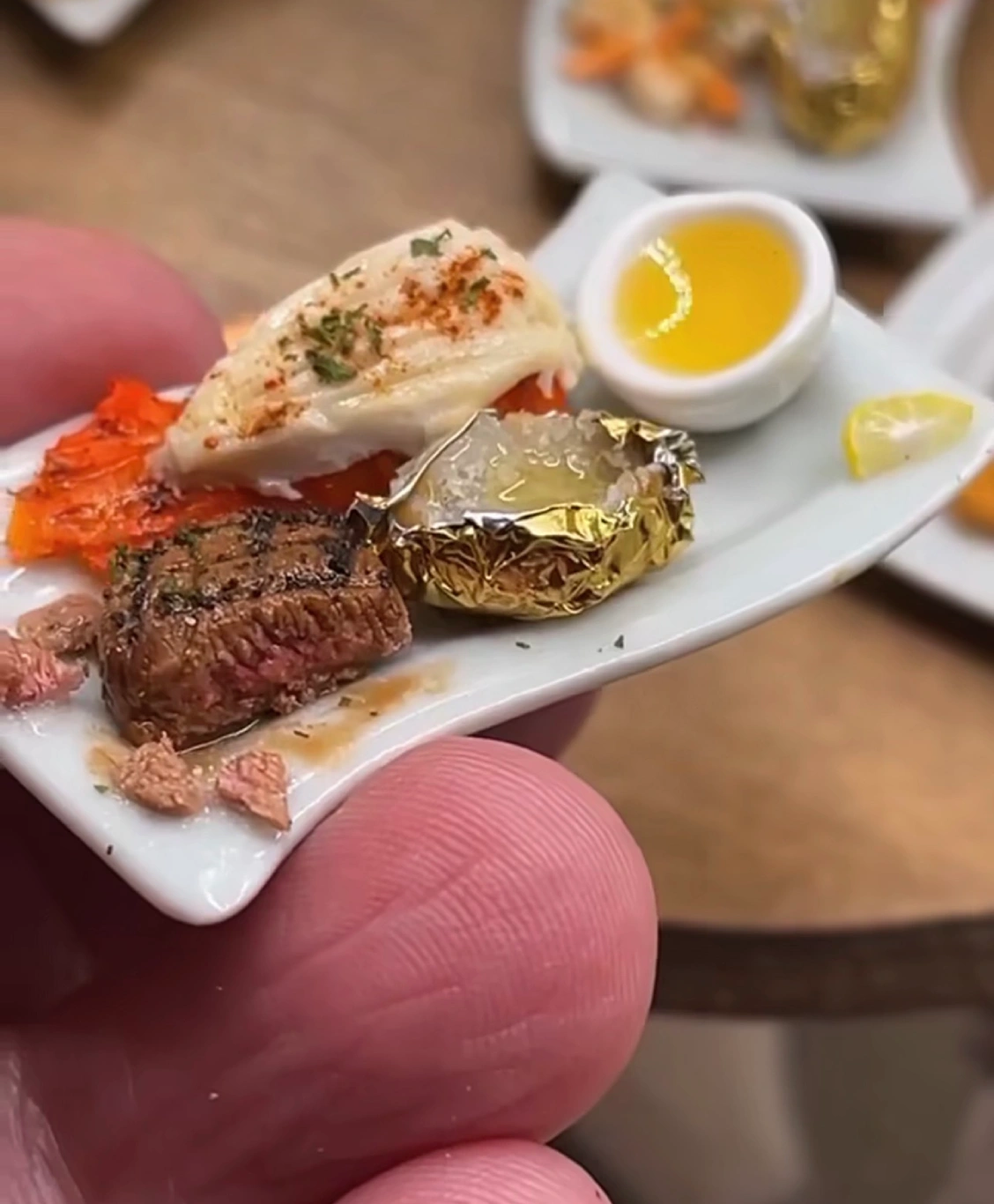
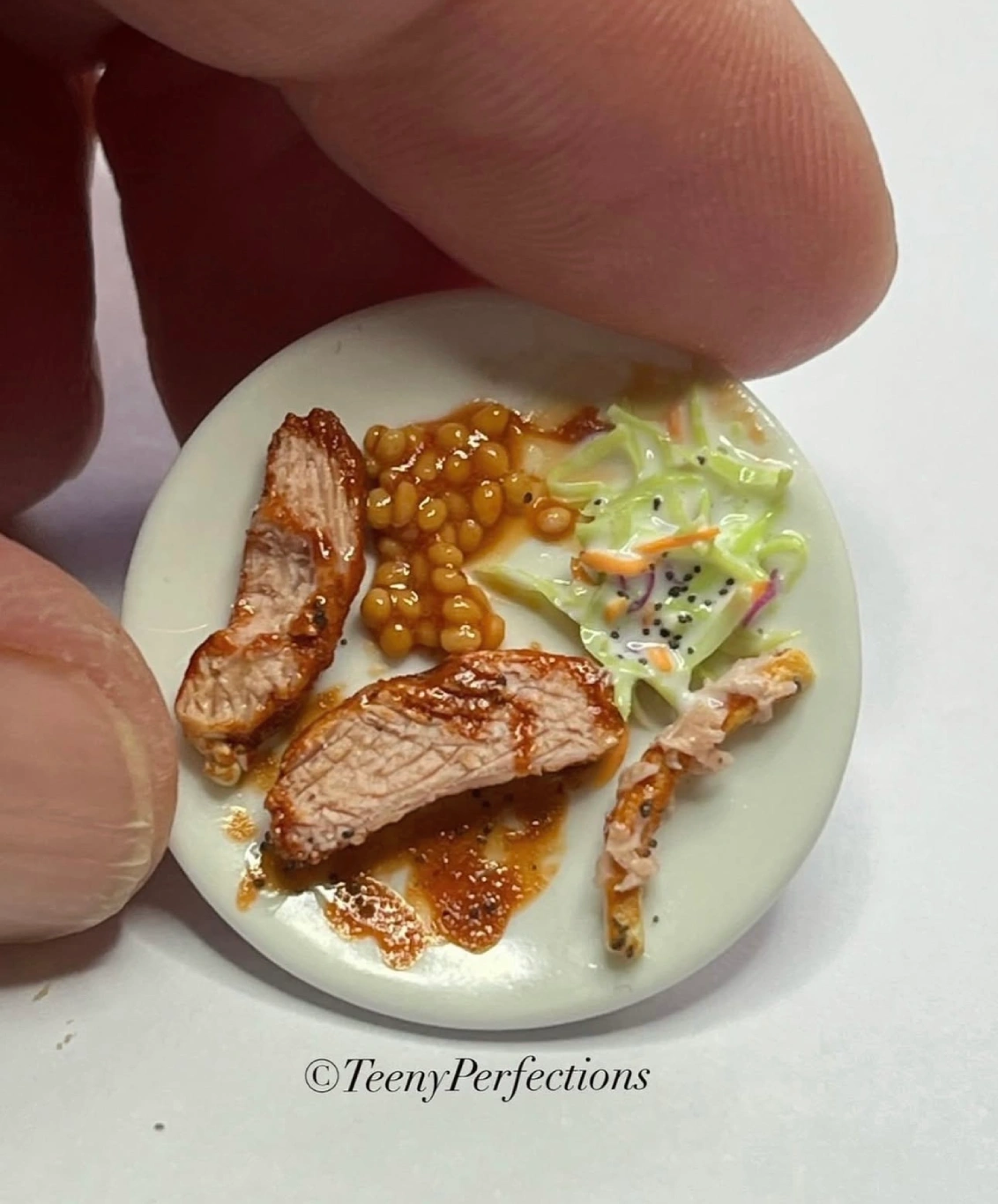
What appears at first glance to be a perfectly plated dish: a croissant sandwich, a tiny bowl of ramen, or a delicate dessert – reveals itself, on closer inspection, to be something entirely different. These foods are not edible. They are sculptures, handmade with patience and extraordinary attention to detail.
The account belongs to a growing movement of miniature food artists who transform everyday meals into intricate works of art. On social media, where visual curiosity drives attention, their creations often blur the line between reality and illusion.
For Schrecengost, the fascination with tiny things began long before Instagram. She recalls loving miniatures as a child and being naturally drawn to anything small and detailed. About twelve years ago, after seeing someone on the Food Network create miniature food from clay, she immediately felt inspired to try the craft herself. Initially, she doubted her abilities, but the encouragement of her parents helped her continue pursuing what would eventually become her passion.
When Food Becomes Sculpture
Miniature food art is exactly what its name suggests: tiny replicas of real dishes created by hand, often from materials like polymer clay, resin, or air-dry clay. Artists sculpt everything from the grains of rice in a sushi roll to the glossy sheen of chocolate on a cake.
The craft requires astonishing patience. In some miniature dishes, artists roll hundreds or even thousands of individual grains of clay “rice” before assembling them into a finished dish.
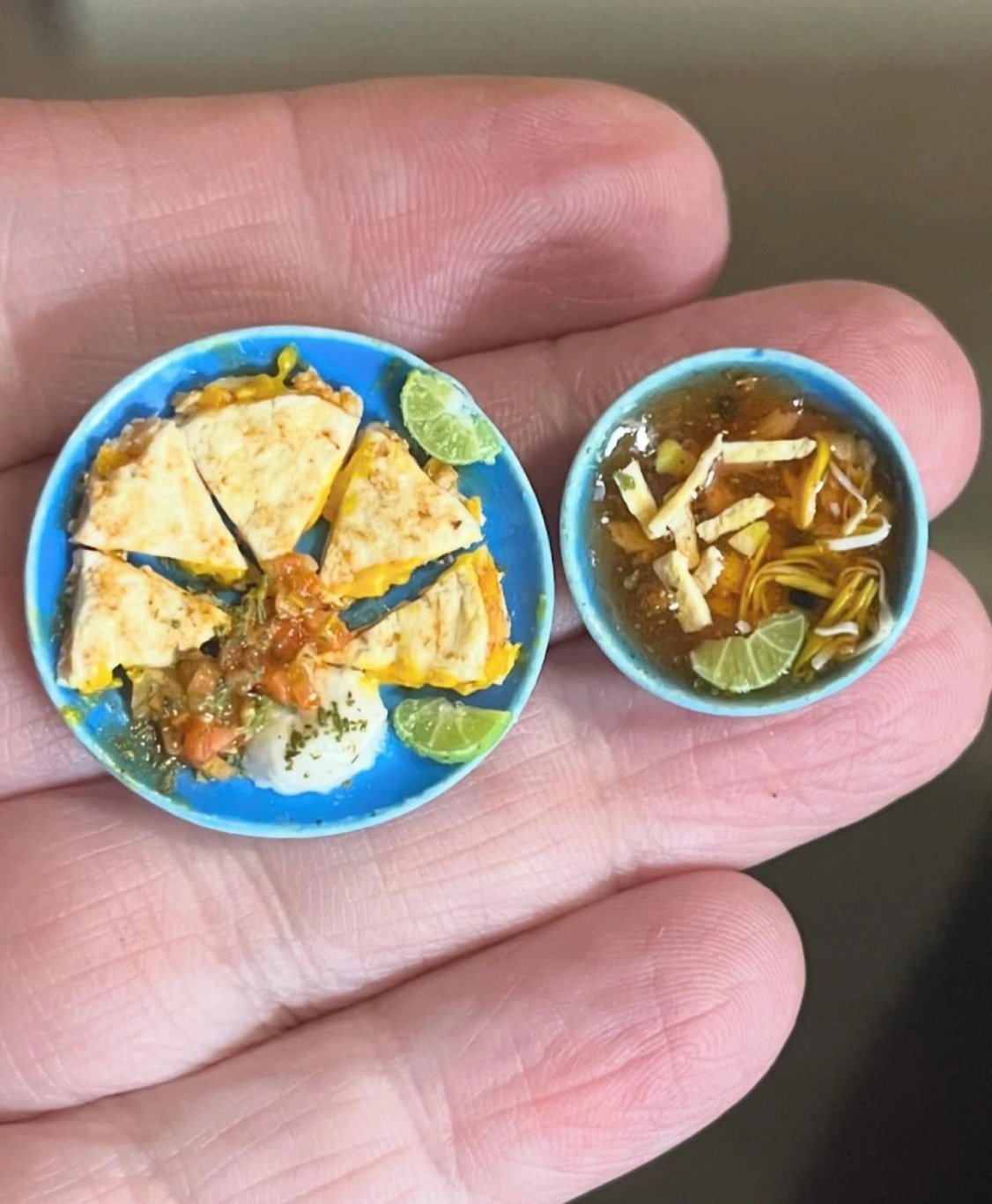
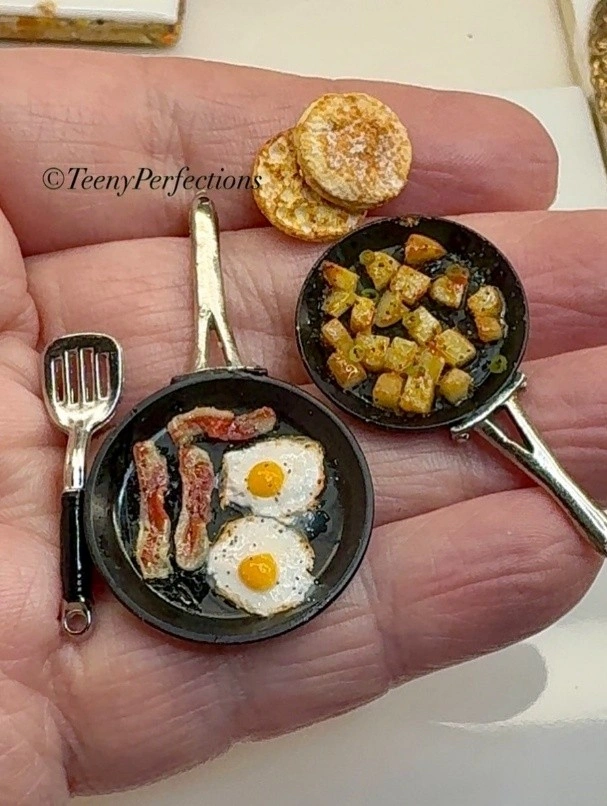
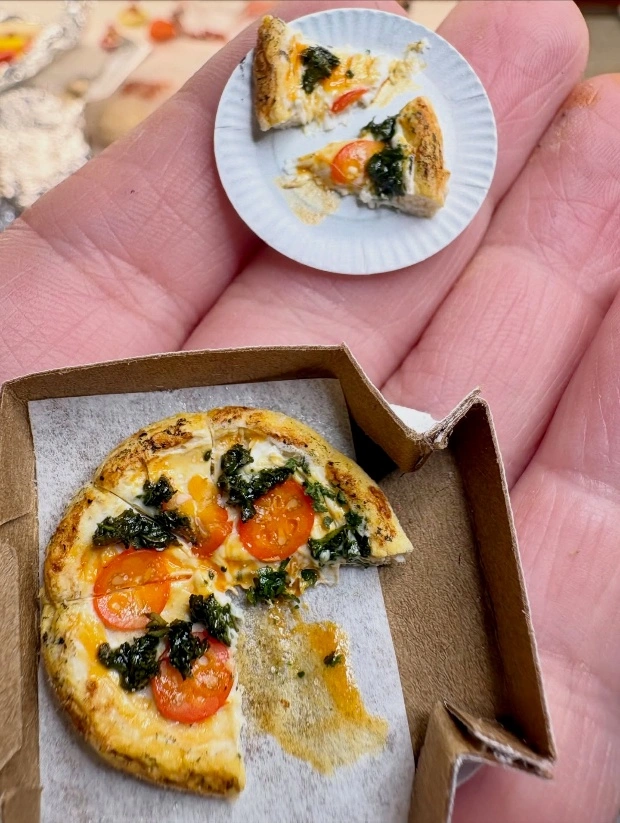
The result can be so convincing that viewers often mistake the sculptures for real food – at least until they notice a coin, finger, or tool placed beside the piece for scale.
This sense of illusion is part of the appeal. Miniature food artists strive to recreate not just shape, but texture, color, and composition; details that make the piece feel alive.
Schrecengost primarily works with polymer clay along with paints, pastels, sealants, and a variety of sculpting tools; sometimes, even everyday household items are used creatively to produce specific textures. Achieving realism, she explains, comes from carefully observing real food and recreating those textures at a tiny scale through experimentation and trial and error.
The Instagram Workshop
For artists like Lisa Schrecengost, Instagram functions as both gallery and studio.
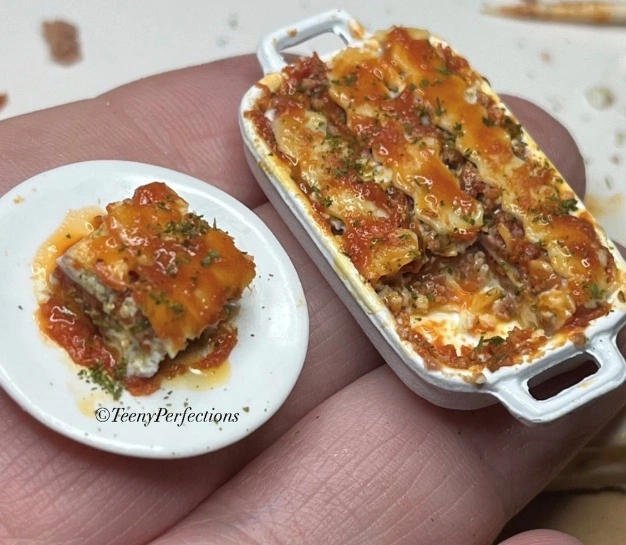
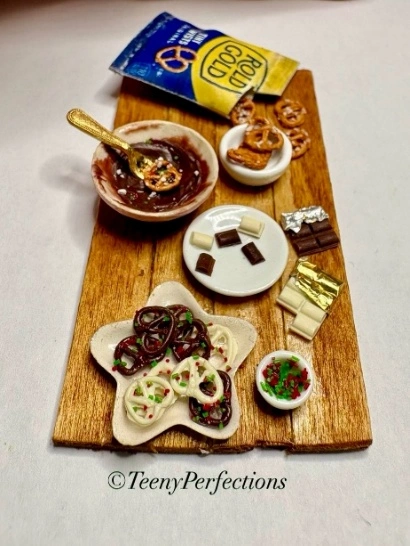
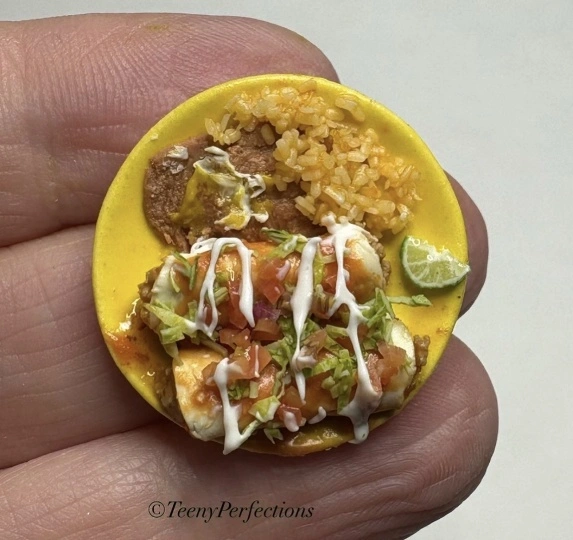
Each post documents a tiny culinary universe: miniature plates, utensils, bowls, and ingredients arranged with the same care as a full-sized restaurant dish. Some pieces resemble café desserts; others evoke street food, comfort meals, or elaborate plated cuisine.
The process itself often becomes part of the story. Followers see the stages of creation: tiny dough being shaped, paint applied to simulate browning, and glazes added to mimic melted butter or syrup.
In a digital culture saturated with speed, this painstaking craft offers something unexpectedly calming.
Sharing her work on Instagram has also helped Schrecengost connect with a wider community of art lovers and collectors. As her creations gained attention online, people began asking to purchase her pieces, and what started as a personal hobby gradually grew into something more serious. Eventually, she made the bold decision to leave her job at a hospital and pursue miniature art full-time, believing in the potential of the craft she loved.
Why Tiny Things Fascinate Us
Miniature art has a long history, but social media has given it a new stage. Platforms like Instagram allow artists to share their creations instantly with audiences around the world, turning niche crafts into global communities.
Tiny food, in particular, holds a strange power over viewers. Part of the appeal lies in recognition: seeing a familiar meal reproduced at a drastically smaller scale.
People are naturally drawn to miniatures because they compress the world into something manageable and delightful. A tiny burger or cake triggers the same visual satisfaction as the real thing – sometimes even more.
And on the internet, where visual novelty spreads quickly, miniature food has become an especially popular genre. Many artists share videos and images of their creations online, attracting audiences fascinated by the intricate craftsmanship.
For Schrecengost, food was the natural subject to recreate in miniature because it connects deeply with people’s memories and emotions. Meals often represent comfort, nostalgia, and shared experiences, and transforming them into tiny sculptures allows her to capture those meaningful moments in a unique and artistic way.
Precision, Patience, and Creativity
Creating miniature food is far more complex than it might appear. Artists must master multiple techniques: sculpting, painting, texturing, glazing, and sometimes even building miniature plates or kitchenware.
Realism is the ultimate goal. According to experienced miniature artists, color accuracy is one of the most important elements in making food look believable.
The right shade of golden brown can transform a simple clay shape into something that looks freshly baked.
For many artists, the process can take days or weeks for a single piece. The result, however, is something both whimsical and impressive: a tiny feast frozen in time.
Schrecengost’s process often begins with inspiration from real meals, comfort foods, or everyday dishes. She typically builds each piece step by step, starting with the basic structure before adding texture, color, and delicate finishing details. Depending on the complexity of the piece, the process can take anywhere from several hours to multiple days to complete.
A Craft That Feels Meditative
For many miniature artists, the practice is more than a hobby; it is a form of mindfulness.
Working with clay and small tools requires focus and patience. The repetitive act of shaping tiny details can feel almost meditative, helping artists slow down in a fast-moving world.
Some creators even describe the craft as therapeutic. The tactile act of molding clay has been linked to relaxation and stress relief, making miniature sculpting both a creative and emotional outlet.
In this sense, the art becomes less about the final product and more about the process of creation itself.

Despite the calming nature of the craft, working at such a small scale presents challenges. Every tiny detail matters, and mistakes can be magnified. Schrecengost credits patience, persistence, and constant practice as the key factors that help her overcome these difficulties and continue improving her work.
The Beauty of the Small
Accounts like @miniature_food_artist, created by Lisa Schrecengost, remind us that scale doesn’t determine impact.
A dish no larger than a coin can still evoke the warmth of a favorite meal or the artistry of a chef’s presentation. Through careful craftsmanship and imaginative design, miniature artists create objects that invite viewers to pause and look closer.
Schrecengost says one of her favorite reactions is when people initially mistake her creations for real food: a moment that confirms she has achieved the level of realism she strives for. More than anything, she hopes her work brings viewers feelings of nostalgia, comfort, happiness, or even a brief moment of surprise.
In a world that often celebrates the grand and the oversized, Lisa’s work suggests something different: that beauty and creativity can exist in the smallest details.
And sometimes, the tiniest meal can leave the biggest impression.
Looking ahead, Schrecengost is excited to continue refining her craft and pushing realism even further, while also exploring more detailed and immersive miniature scenes in the future.
Learn More and Get Connected
- Follow Lisa Schrecengost’s miniature creations on Instagram:
https://www.instagram.com/miniature_food_artist/ - Learn about the craft of miniature food art:
https://www.moneycontrol.com/news/trends/features/miniature-food-art-these-creators-are-obsessed-with-the-tiniest-meals-8873101.html - Explore why miniature food content has become popular online:
https://www.socialketchup.in/miniature-food-accounts/