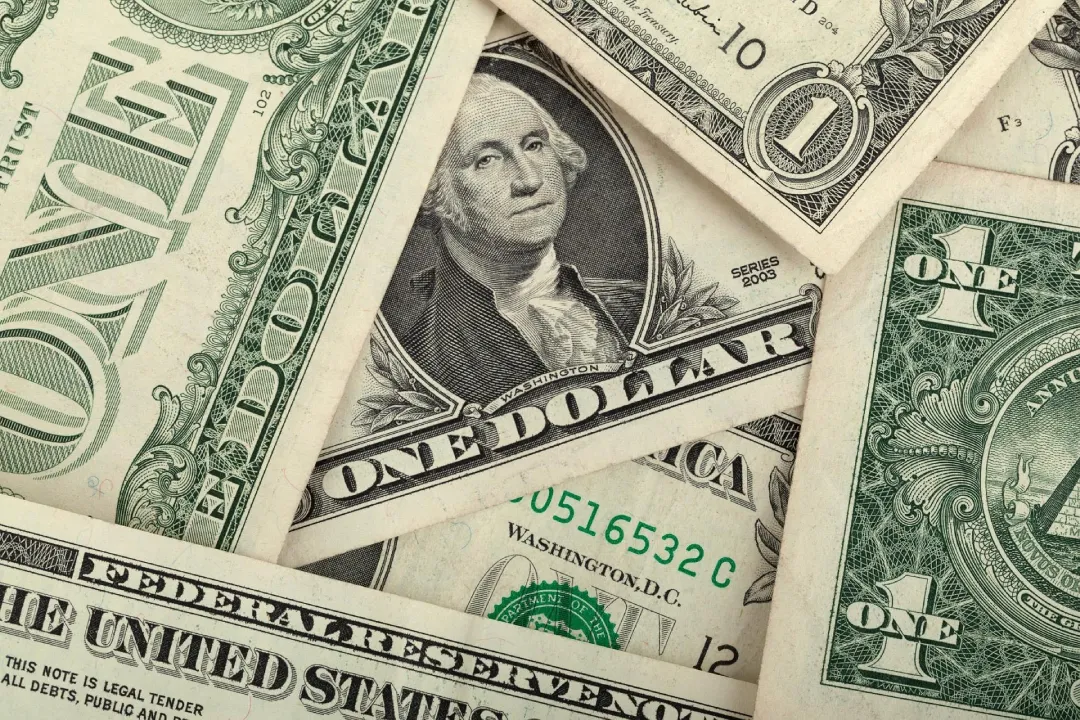
The U.S. dollar surged again this week as geopolitical tensions intensified following the collapse of U.S. – Iran talks, reinforcing its traditional role as the world’s ultimate safe-haven currency. Yet beneath the surface of this rally, analysts at HSBC are urging caution, arguing that the greenback’s strength may prove temporary.
The divergence between short-term momentum and longer-term outlook reflects a deeper tension in global markets: while fear can drive investors into the dollar, structural forces may ultimately pull it back down.
A Familiar Pattern: Crisis Fuels the Dollar
The immediate catalyst for the dollar’s latest rise is clear. As negotiations between Washington and Tehran broke down, fears of escalation, particularly around the Strait of Hormuz, sent shockwaves through global markets. Investors responded in a predictable way: by moving capital into U.S. assets.
The dollar index ticked higher as demand surged, with risk-sensitive currencies weakening across Asia and Europe.
This “flight to safety” has long been a defining feature of global finance. In times of uncertainty whether war, financial crisis, or economic instability, the dollar tends to benefit because of its liquidity, global reserve status, and perceived stability.
Oil prices have also played a critical role. With tensions threatening supply routes, crude prices have jumped sharply, amplifying inflation fears and reinforcing demand for dollar-denominated assets.
But as history repeatedly shows, these spikes are often short-lived.
HSBC’s View: Strength Built on Shaky Foundations
Despite the dollar’s recent gains, HSBC analysts are not convinced the rally will endure. Their outlook centers on two key reasons: both tied to monetary policy and market dynamics rather than geopolitics alone.
- The Federal Reserve Isn’t Driving a Strong-Dollar Cycle
At the heart of HSBC’s argument is the stance of the Federal Reserve.
Unlike past periods of sustained dollar strength, the Fed is not currently in an aggressive rate-hiking cycle. In fact, policymakers have signaled caution, emphasizing uncertainty and a reluctance to shift policy too quickly.
HSBC notes that when there is “lack of visibility,” central banks tend to move slowly rather than aggressively tightening policy.
This matters because higher interest rates are one of the primary drivers of a strong currency. They attract foreign capital seeking better returns. Without that support, the dollar’s upside becomes limited.
In simple terms: No strong rate hikes = weaker long-term support for the dollar
Even if geopolitical tensions push the currency higher in the short term, the absence of a hawkish Fed makes it difficult for those gains to be sustained.
- Geopolitical Risk Is Already Priced In
The second reason is more subtle, but equally important.
HSBC argues that much of the current geopolitical risk is already reflected in the dollar’s value. Markets have been reacting to the Iran conflict for weeks, meaning the initial “shock premium” has largely been absorbed.
As a result, unless tensions escalate dramatically, the marginal benefit to the dollar from further uncertainty is likely to diminish.
Put differently:
- The first wave of fear boosts the dollar
- But repeated uncertainty has less impact over time
This dynamic is already visible in market behavior. While the dollar has strengthened, investor demand has been described as “measured,” suggesting limited conviction behind the move.
Oil, Inflation, and a Complicated Currency Equation
Another layer complicating the outlook is oil.
Rising energy prices tend to support the dollar initially, especially because the United States is relatively energy self-sufficient compared to Europe or Japan. This gives the U.S. an advantage during supply shocks.
However, over time, sustained high oil prices can have the opposite effect. They fuel global inflation, slow economic growth, and create pressure on financial conditions: factors that can ultimately weaken the dollar.
This creates a paradox:
- Short-term: Higher oil → stronger dollar
- Long-term: Higher oil → weaker global growth → weaker dollar
Markets are now navigating this delicate balance.
When Calm Returns, the Dollar Often Falls
Recent market behavior offers a preview of what could happen next.
When a temporary ceasefire between the U.S. and Iran was announced earlier this month, the dollar quickly weakened as investors moved back into riskier assets.
This highlights a key truth: the dollar’s strength during crises is often reversible.
As soon as tensions ease. or even appear to ease, capital flows out of safe havens and into equities, emerging markets, and commodities. That shift tends to push the dollar lower.
HSBC’s outlook effectively assumes that some level of stabilization, even without a full resolution, will eventually occur.
A Market Caught Between Fear and Fundamentals
For now, the dollar sits at the intersection of two competing forces:
- Geopolitical fear, which pushes it higher
- Economic fundamentals, which may pull it lower
The breakdown in Iran talks has clearly tipped the balance toward fear: for the moment. But without support from interest rates or sustained escalation, that momentum may fade.
HSBC’s caution reflects a broader consensus forming among analysts: the dollar’s recent strength may be more reactive than structural.
What Investors Are Watching Next
Looking ahead, several factors will determine whether the dollar continues to rise or begins to soften:
- Federal Reserve policy signals
- Oil price stability or further spikes
- Any signs of renewed diplomacy or de-escalation
- Global growth and inflation trends
If the Fed remains cautious and geopolitical tensions stabilize, the conditions for a weaker dollar could fall into place.
The Bottom Line
The dollar’s latest rally is real = but it may not be durable.
As HSBC sees it, the forces supporting the greenback today are largely temporary. Without stronger backing from monetary policy or a sustained escalation in global risk, the currency could lose momentum in the months ahead.
For now, investors are holding onto the dollar as a shield against uncertainty.
But as history suggests, once the storm begins to pass, that shield is often the first thing they let go.