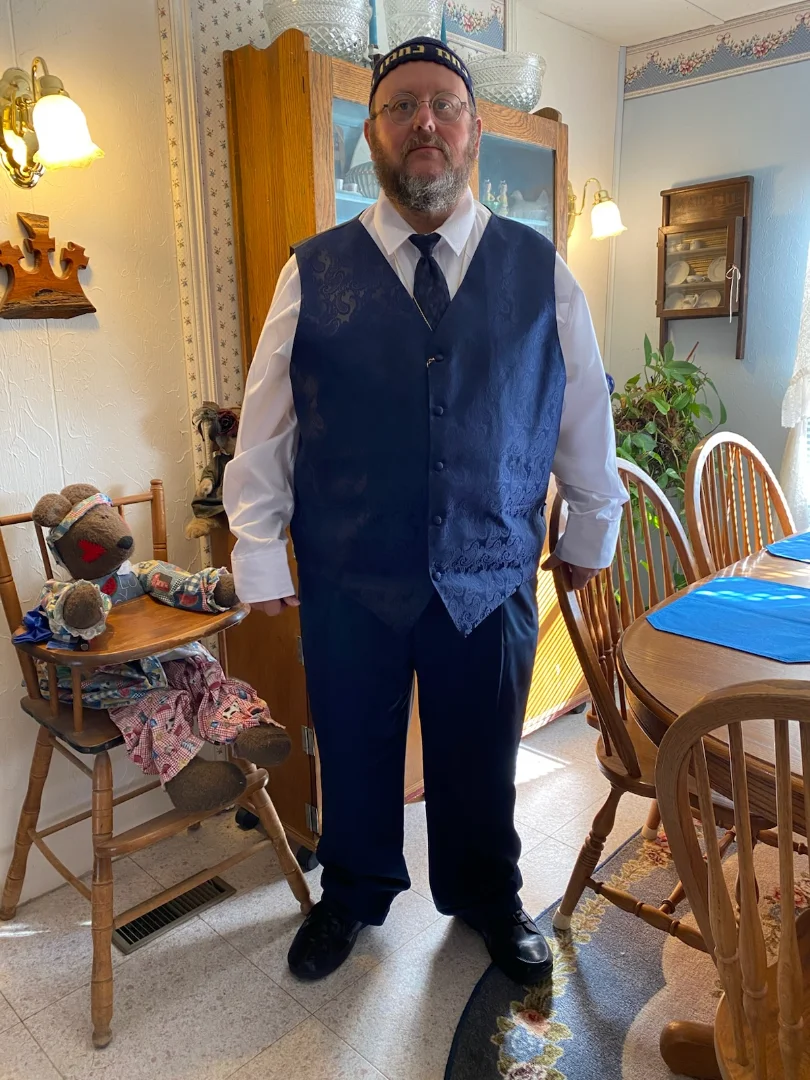

In a world of disposable entertainment and algorithm guided storytelling, where fantasy often leans toward spectacle more than substance, author Jay P. Newcomb stands apart like an old torch burning up against the modern storm, still.
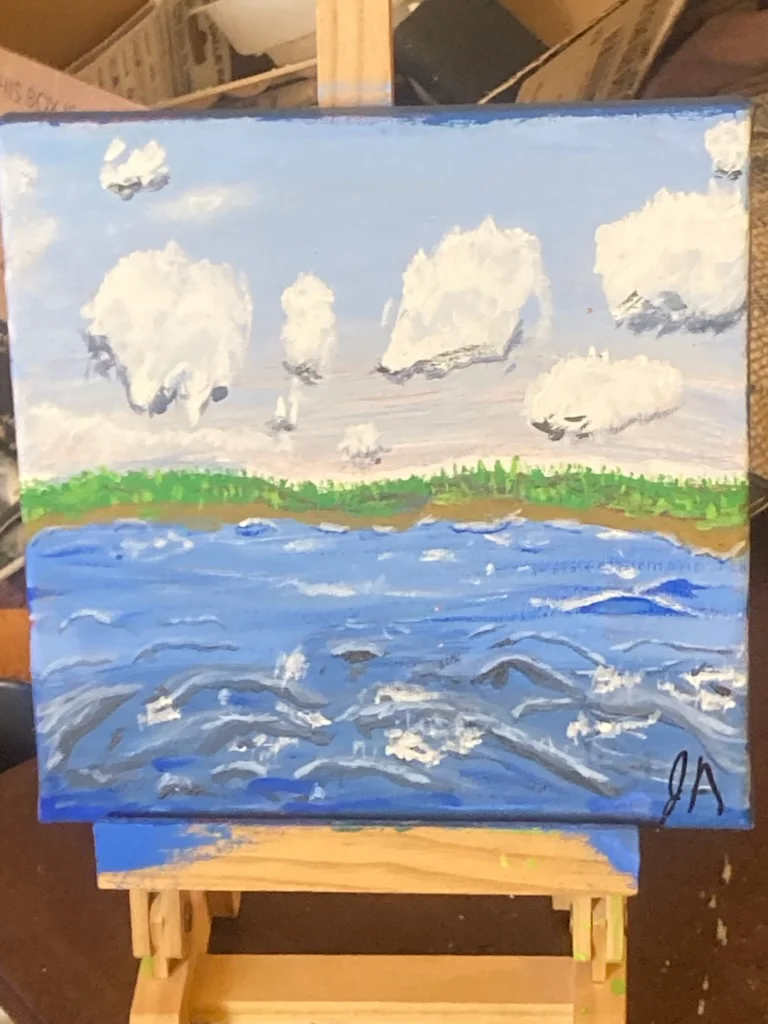
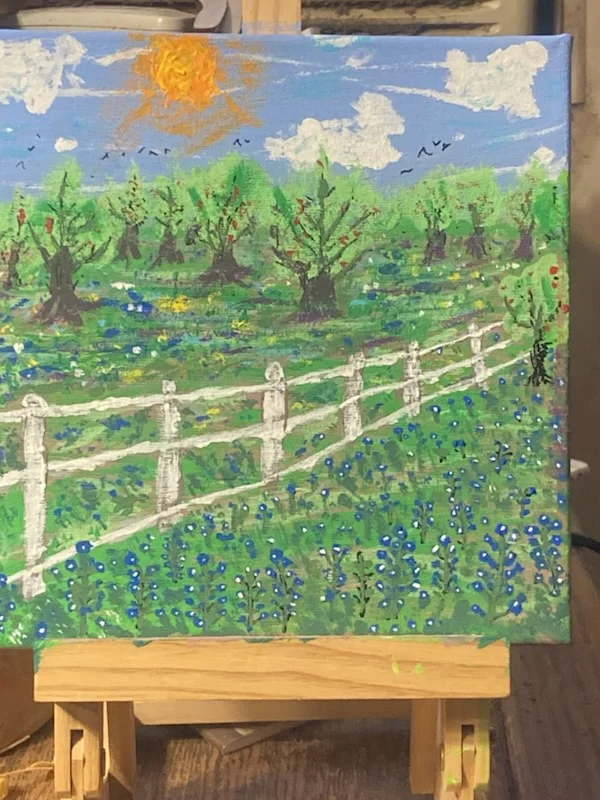
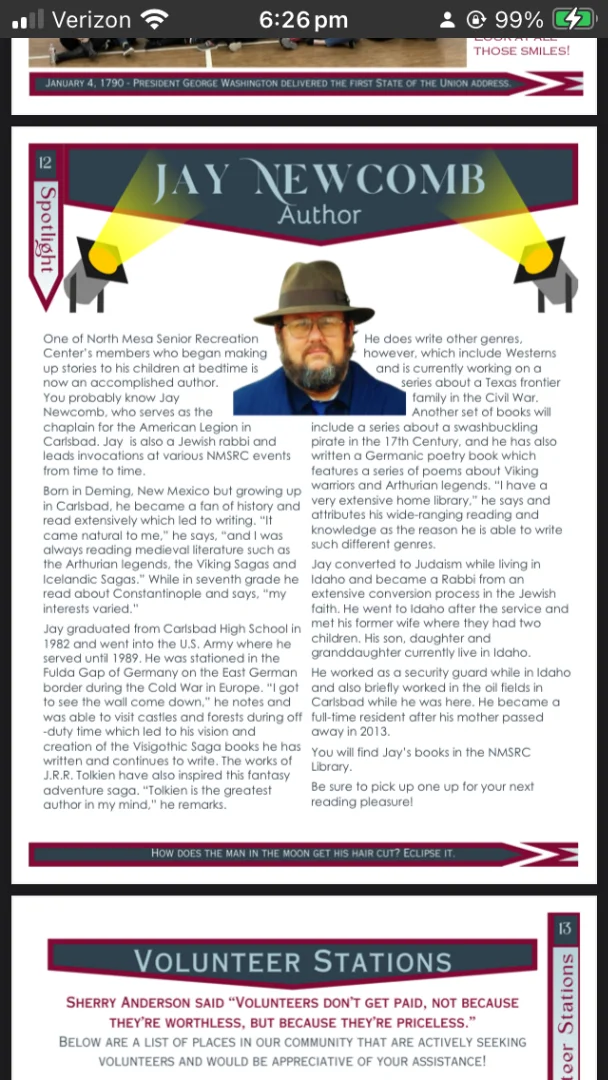
A Messianic Rabbi, a military veteran, a poet, painter, historian, and the maker behind the sprawling Visigothic Saga, Newcomb is not only writing books. He is building a mythology, layer by layer, without asking for permission.
Across more than a dozen connected novels, medieval poems, musical projects, and fantasy epics, Newcomb has quietly shaped a literary universe that draws from old traditions, Norse recollection, biblical symbols, and that stubborn ongoing fight between darkness and light. His work sits somewhere between the mythic lift of J. R. R. Tolkien, the theatrical pressure of William Shakespeare, and the careful spiritual architecture you find in sacred texts.
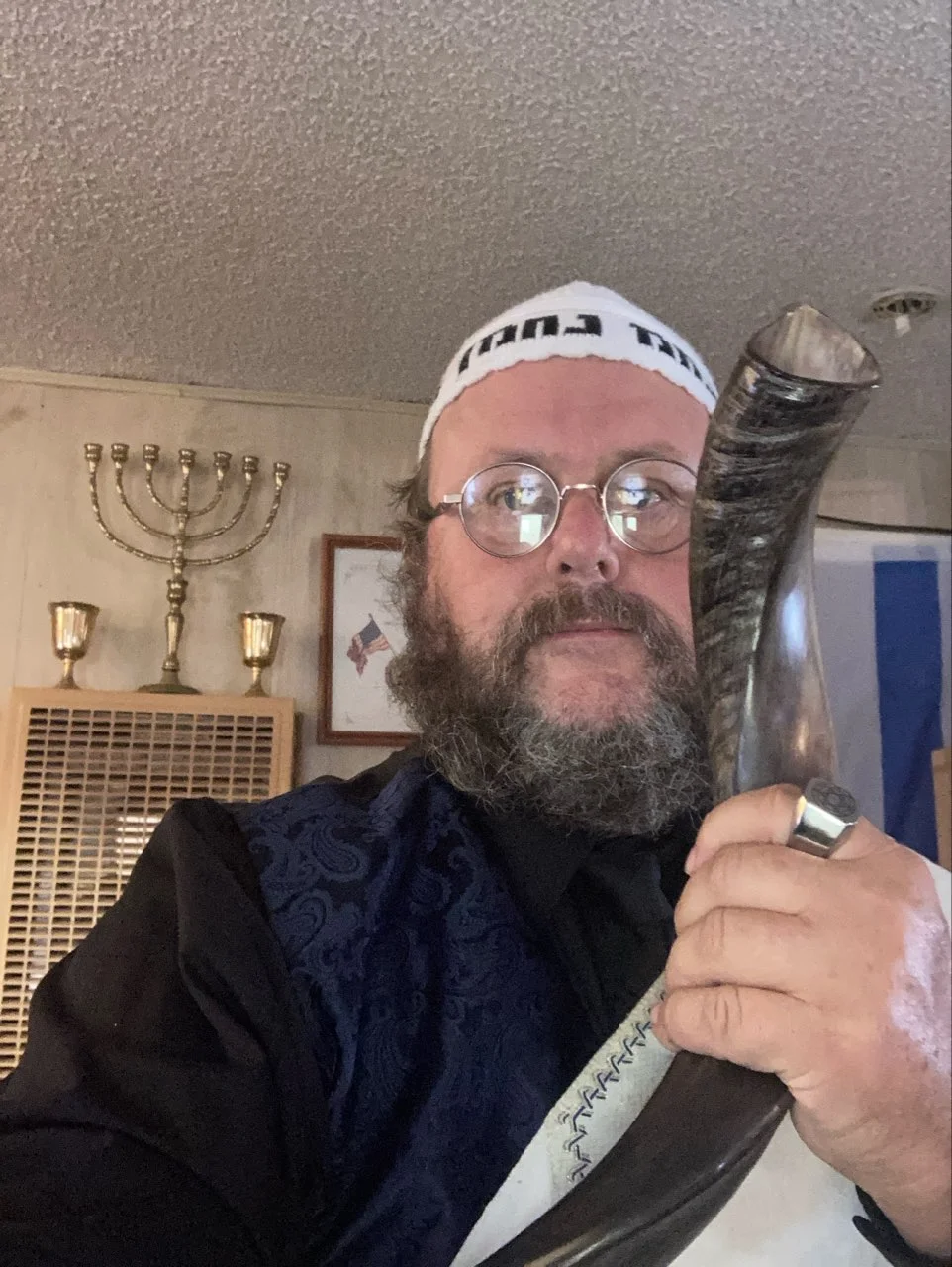
Still, unlike a lot of present day fantasy writers chasing what is trending, Newcomb’s purpose feels defiantly personal, and that shows.
I want to leave a legacy of my stories to my kids, and their children too, he says. When I pass into the next life, my name will be remembered ,and not just some epitaph on a tombstone.
That statement captures the core of both the man, and the literary world he has helped make.

A Childhood Built on Books and History
Newcomb’s journey began not in publishing circles or creative writing seminars, but in the quiet pull of his father’s library, if you really want to be technical about it.
His father, a well-educated man with a genuine appreciation for literature and history, taught him to read from newspapers at the age of five. That early exposure opened a lifetime fascination with narrative, and no he did not stop there.
History captivated him first, always first.
The rise and collapse of empires, especially the Eastern Roman Empire centered in Constantinople, became a full on obsession while he was still young. In seventh grade, he wrote his first fictional tale, about an outlaw in the Old West named Dirk and his vicious horse. By tenth grade, he had finished a small novel about an Apache chief named Delshay.
The seeds were already there.
Then came the classics, Shakespeare. Dickens. Medieval sagas, mythology. Ancient civilizations too, all stacked up like stepping stones.
And eventually, Tolkien.
For Newcomb, reading Tolkien was transformative in a way that felt immediate.
“Tolkien is my teacher,” he says plainly.
Much like Tolkien, Newcomb is also a military veteran, and that shared background seems to make his bond with the famous writer behind The Lord of the Rings a lot deeper. Both of them saw conflict not merely as entertainment, but as a spiritual and ethical trial, in the same breath.
That kind of insight now works through every level of the Visigothic Saga.
Entering Midgard
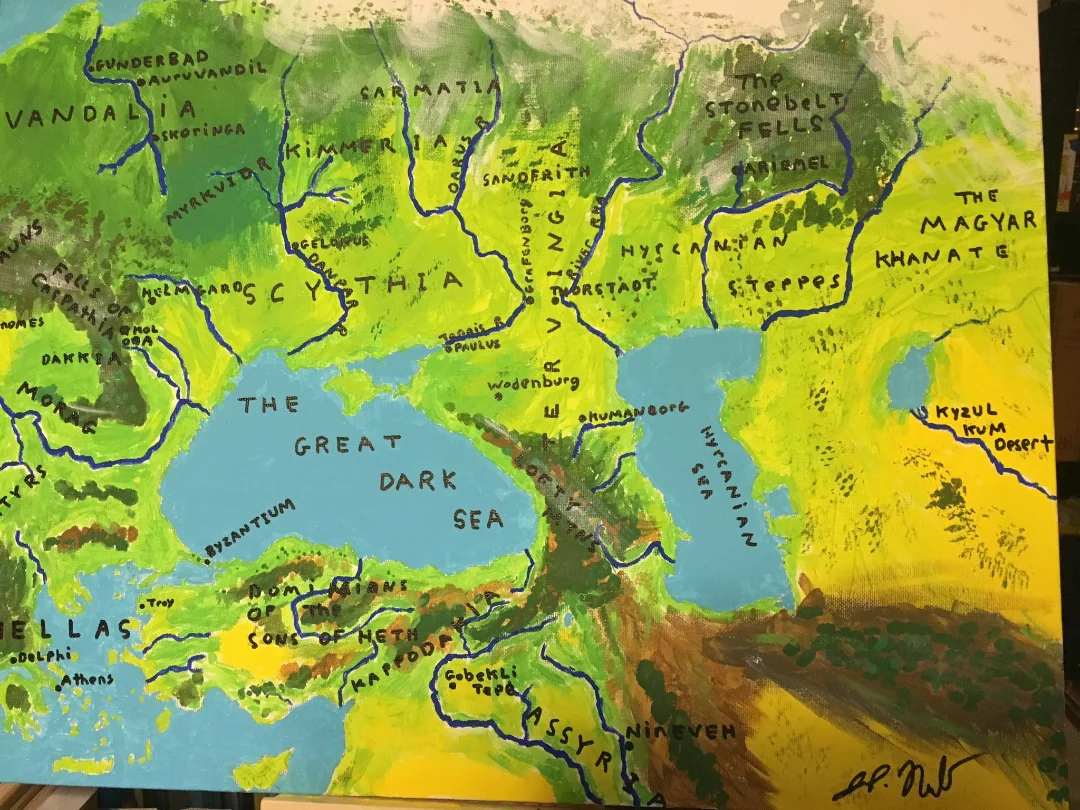
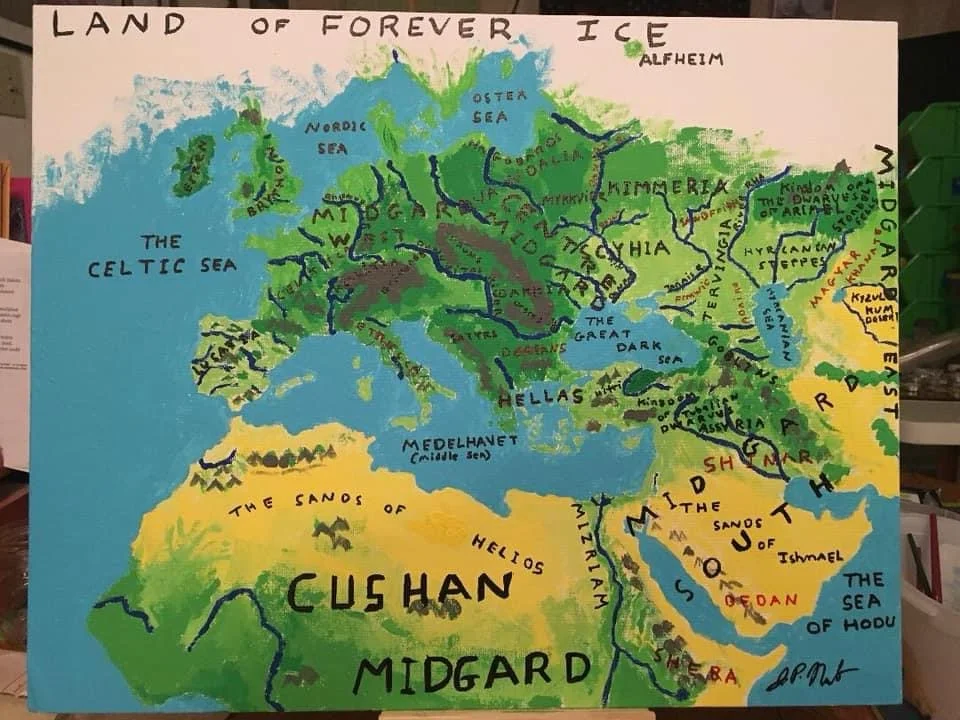
The world Newcomb created is known as Midgard, a parallel realm inspired by the cosmology from his Viking ancestors in a way that feels almost personal, and not fully explained.
Midgard is filled with elves, dwarves, ravens, fauns, kings, warriors, sorcerers, and old powers pushing back against each other over destiny itself. Still, beneath all those swords, there is something quieter, more reflective and deeply spiritual, even when it pretends to be only brutal.
The Visigothic Saga began years ago with a plain premise focused on Germanic barbarians and Norse gods. Then it grew, after Newcomb immersed himself in Tolkien’s writings, and also after he watched the cinematic release of The Lord of the Rings trilogy, like that timing mattered.
After that, the whole thing became a huge literary landscape covering multiple story cycles, such as
- The Revelation Cycle
- The Ringmaster Cycle
- The Blood Moon Cycle
- Ronan’s Saga

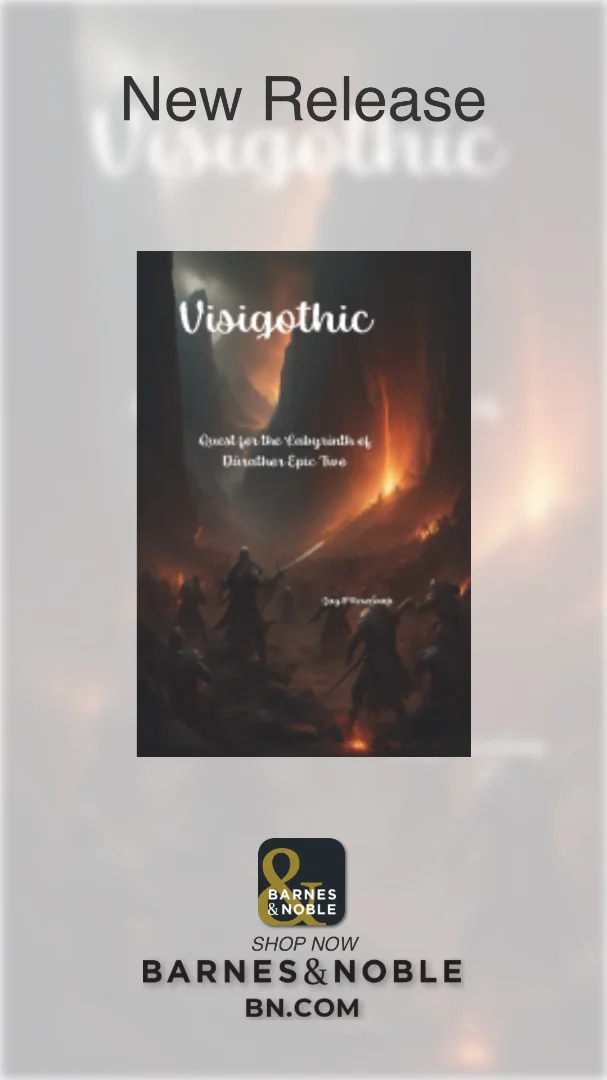
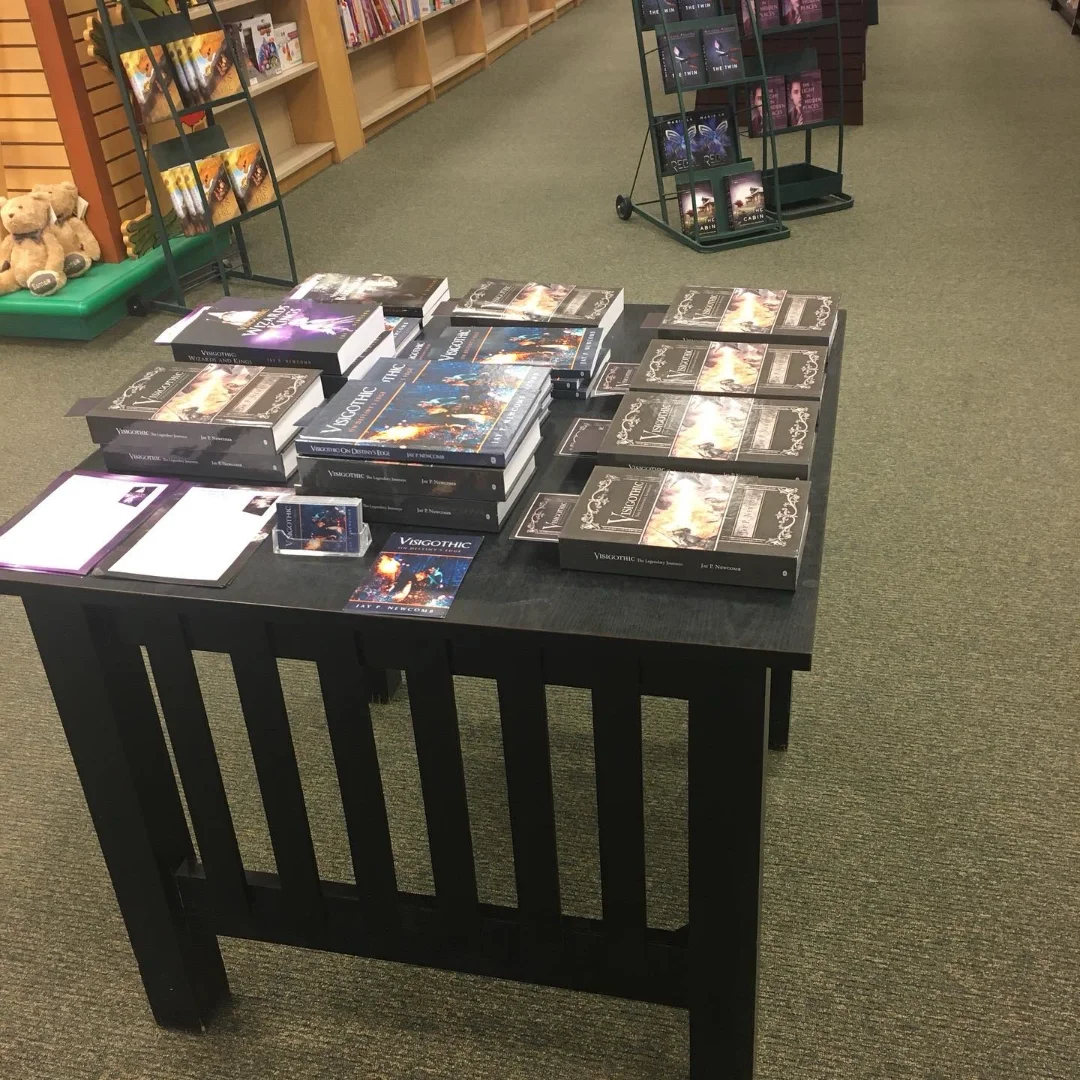
One of the key books is Visigothic: On Destiny’s Edge, it continues the argument between freedom and tyranny in Midgard, in a broad sweeping way that never really stops.
This novel follows Princess Eileza Andavarsdottir and Sigmund the Volsung as their legendary love story unfolds, against the looming threat of the evil sorcerer Adawulf Hister whose fixation on assembling the fragments of the All Seeing Eye threatens to unleash Ragnarok outright.
The book reads like some echo from an earlier literary age, unbothered with irony or cynicism, and fully devoted to grand dangers, moral certainty, and mythic invention.
For Newcomb, that sincerity is intentional, really.
Fantasy With a Soul
Modern fantasy often likes to brag about moral ambiguity, like it is some trophy. Heroes are flawed antiheroes, sometimes just bad with better PR. Villains are also “misunderstood” you know, and good and evil blur into these fashionable grayish colors.
Newcomb rejects that entire frame, pretty plainly.
“In my books, there are few gray areas,” he says, somewhat steady. “I do not like the concept of the antihero.”
You can feel his worldview formed a lot by faith, not in a vague way but in the core of it.
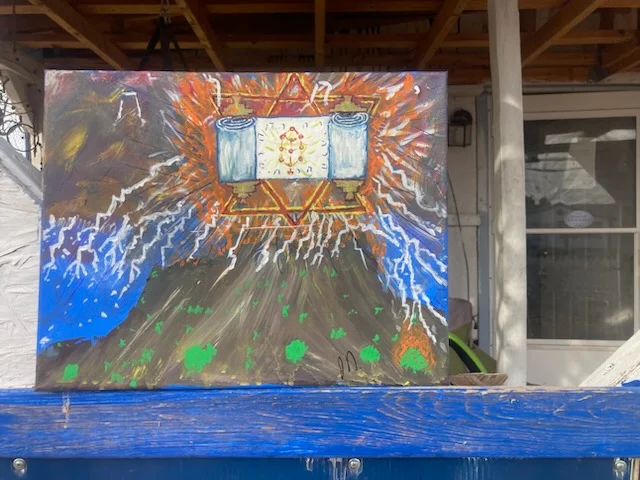
As a Messianic Rabbi and a student of the Bible, the Zohar, Kabbalah, and the Book of Enoch, Newcomb threads spiritual architecture through his stories, but he does not turn everything into overt sermons. Somehow it stays readable, even when the ideas are heavy.
Like Tolkien and C. S. Lewis before him, he places theology into the inner weather of his characters and into the structure of the world itself. It is not just background, it affects what happens.
The religion of the elves in Midgard draws heavily from Jewish mysticism and biblical symbolism. Hidden codes, numerology, and layered meanings are buried under the surface narrative, waiting there.
“Seek and ye shall find” , he says.
Readers who only want adventure can get into the battles, quests, and dramatic storytelling. But if you pay attention, you might notice this other dimension under the words, like a quiet layer full of allegory, symbolism, and spiritual inquiry.
This layered approach matches what Newcomb seems to believe that stories should include a kind of mystery.
Not everything should be delivered to the audience right away.
The Last Defender of Medieval Poetry
Beyond fantasy novels, Newcomb has also become this fervent advocate for medieval alliterative poetry, a form of literature that mostly was left behind in today’s publishing, you know, and it shows.
He writes in a voice that feels like ancient Norse and Anglo-Saxon poets, and he deliberately pushes back on what he considers the grimmer and less consequential reflexes of modern verse.
“I will not let the memory of my Germanic forebears be trodden down without a reply,” he says
And that reply arrives through preservation.
Through works like Middangeard: A Book of Germanic, Old English and Celtic Alliterative Poetry, Newcomb brings back old, musical patterns, the kind that once carried the oral inheritances of whole civilizations.
His dedication feels, honestly almost monastic.
While many creators streamline language for speed, and for mass consumption too, Newcomb turns the other way, moving toward intricacy, emblematic meaning, and careful workmanship.
Building a Literary Universe Outside the System
Like many independent authors, Newcomb has faced enormous challenges navigating the publishing world, and it is not easy.
He speaks candidly about fraudulent schemes, exploitative subsidy publishers, and gatekeeping within traditional publishing houses, even when it seems quiet at first.
But instead of surrendering he adapted, quietly. And he keeps going.
Using platforms like Amazon Kindle Direct Publishing, ACX, and Barnes & Noble Press, he carved out a readership on his own while building a broad online footprint via Visigothic Saga Publications and his still growing YouTube channel, Visigothic Saga YouTube Channel.
His current output now includes
- fantasy novels
- theological works
- medieval poetry
- soundtrack-style music
- digital productions
- book trailers
- historical fiction
- western adventures
Songs like “The Dragonslayer” extend the emotional mood of Midgard into music, reviving an older bond between narrative and song that skalds and bards once performed, back when people listened differently.
For Newcomb, storytelling was never meant to exist in only one medium.
A Legacy Beyond the Page
Perhaps the most moving part of Newcomb’s journey is how personal it all stays, even when the scenery is grand.
For all the huge plans he keeps in mind while worldbuilding, his readers have never really been strangers, not in his head.
His children.
His grandchildren.
Those bedtime stories he once told them, have gradually turned into a kind of literary inheritance, and yes it feels very intimate.
He still imagines someday that his books get adapted into films or miniseries, the credits, “Based on the books by Jay Patrick Newcomb” showing across the screen, like a small ritual.
Yet even if Hollywood never comes through, his legacy is already forming anyway.
Book by book, and poem by poem, Newcomb keeps shaping a mythology that leans on recollection, spirituality, family lineage, and imagination.
In a publishing world that keeps chasing brief trends and loud sensations, Jay P. Newcomb has chosen something much harder.
He chose permanence, without looking away.
Explore Jay P. Newcomb and the Visigothic Saga
Official Website
YouTube Channel
Visigothic Saga YouTube Channel
Featured Book
Notable Titles
- Visigothic: The Barbarians of Midgard
- Visigothic: Wizards and Kings
- Visigothic: Shadow of the Ringmaster
- Legend of the Grayriders
- Seasons of Holiness: The Festivals of Messianic Judaism