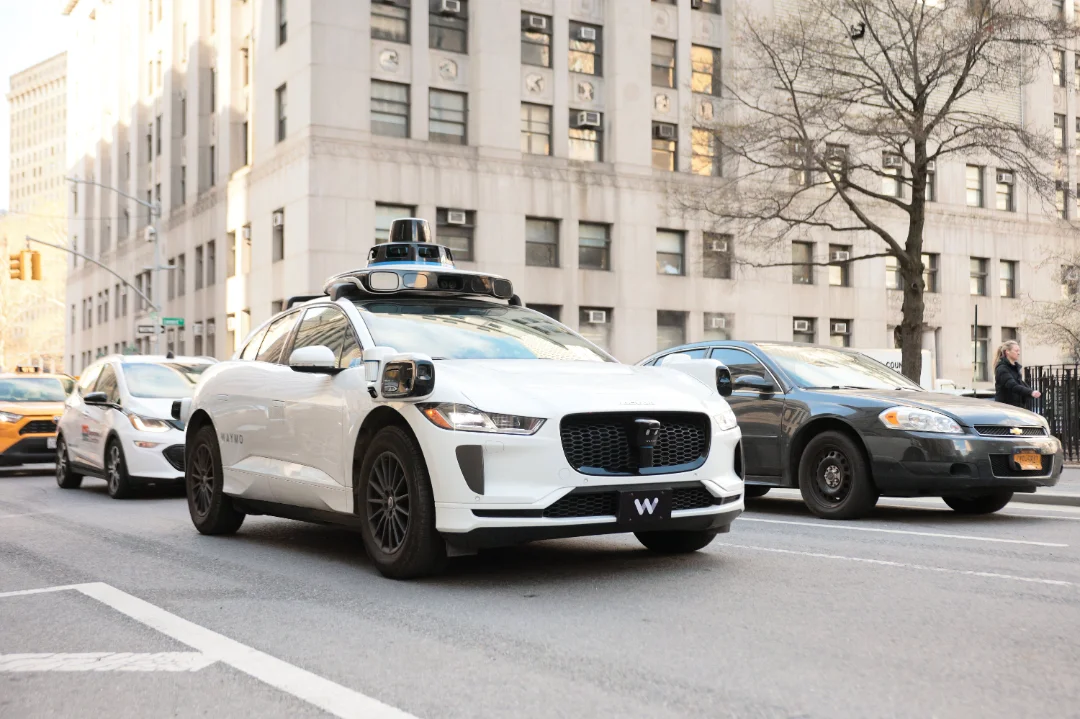
For years, the dream of self-driving transit has been leaning hard on technology: smarter sensors, safer routing systems, and cars that can handle themselves through tougher city traffic and all of that. But now that the robotaxi business is starting to mature, a lot of companies are noticing a different kind of problem; it’s more about who keeps coming back than just what the hardware can do.
This week, Waymo said it is rolling out Waymo Premier, a subscription deal set at $29.99 each month. It gives extra perks to some of its most frequent riders. It is starting out in San Francisco Los Angeles, and Phoenix, and the membership program feels like a real shift in strategy for Waymo and others, not just selling tech, but trying to become a recognizable consumer brand that earns repeat rides.
The move points to a larger change in the autonomous vehicle space. The whole race is no longer only about who can build the strongest robotaxi. More and more, it’s about who can craft a mobility ecosystem that people actually want, and then keep using over time, you know?
From Innovation to Retention
When Waymo first rolled out commercial robotaxi rides, the sheer oddness of traveling in a driverless car was enough to pull in curious passengers. At that time, the ride itself was the pitch.
Now that the luster is starting to fade out.
Autonomous trips are showing up as a normal option in the urban commute, across multiple American cities. Meanwhile, competition keeps tightening. As the tech feels less surprising, firms have to invent other ways to stand apart.
Waymo Premier is built for that exact purpose.
Subscribers will get priority pickups, 10% cash back on trips using Waymo Cash, earlier access to new markets, and up to five free cancellations each month. The service right now is invite-only, and it is aimed mainly at riders who use Waymo often enough that a repeat membership fee actually makes sense.
This approach resembles a model that has already been proven effective across several industries, from airlines and streaming platforms to ride-hailing services.
Learning from Uber’s playbook
Industry watchers were fast to connect Waymo Premier with Uber’s membership plan, Uber One.
Subscription services have become a real instrument for customer retention. Once people start paying a monthly fee, they are more inclined to stay inside a platform’s ecosystem, so they can extract more value from that membership.
For companies in transport, that attachment can turn into steadier income, plus more ride volume over time.
Waymo’s subscription launch kind of suggests the company is looking past single rides and trying to build longer-term bonds with customers. In the company’s own wording, the membership program was shaped partly from rider feedback, the kind that comes when people already depend on Waymo as their go to transportation.
This direction also mirrors a broader realization that autonomous transport is not only an experiment anymore. For some customers, it is turning into a regular utility, meaning it shows up in day-to-day life without much debate.
Building a separate Transportation Brand, on purpose
The timing of the announcement matters a lot.
Over the last year, Waymo has pushed faster with its rollout across the United States, expanding robotaxi operations into more metropolitan areas and moving beyond the markets it was known for before. Some reports say the company is already serving ten U. S. cities, and it intends to keep widening coverage through 2026.
At the same time, Waymo seems more intent on reinforcing its direct connection with riders.
Unlike cities such as Austin and Atlanta, where Waymo rides get booked through Uber, Premier is only offered in markets where riders tap into the Waymo app directly. That distinction matters because it helps Waymo keep tighter control on the overall customer experience, its branding, and how the revenue model is set up.
So the subscription program ends up doing, well, two jobs at once: it rewards people who ride more often, and it also nudges them toward spending more time inside Waymo’s own platform.
The Economics of Robotaxi Loyalty
Whether a $29.99 monthly fee feels worth it will likely hinge on how frequently someone uses the service.
If you are a daily commuter, the advantages may cancel out the cost faster than expected. For instance, priority pickups can be a real win during peak demand hours, and cashback rewards can quietly lower transportation spending over time.
But if you ride only occasionally, the whole offer may feel less attractive, or even a bit thin.
Online reactions have been pretty mixed, or maybe not even mixed, just… all over. A number of frequent riders have welcomed the chance to lock in faster service and extra perks, while others wonder if the benefits actually cover the cost. In the user discussions, it comes up that heavier riders tend to find real value in the offer, whereas casual passengers keep looking more skeptical, sometimes almost impatient.
This kind of split response points at a challenge most subscription businesses face, which is basically finding that difficult sweet spot between exclusivity and accessibility.
A Sign of Industry Maturity
Maybe the most interesting part of Waymo Premier is what it, um, quietly suggests about how autonomous transportation is doing right now.
For years, talk around self-driving cars leaned hard toward technical breakthroughs and regulatory hurdles. People treated success like a scoreboard: miles driven, software updates, and safety numbers.
Now, the conversation has shifted.
The arrival of loyalty programs, cashback incentives, and premium memberships makes it feel like autonomous transportation is already sliding into a fresh stage where the whole customer experience weighs just as much as the tech, maybe even more in practice.
It looks like robotaxis are no longer just experimental cleverness, they are turning into a routine daily service, something you can count on.
Companies are starting to race each other not only on performance but also on ease, steadiness, and overall user satisfaction.
Looking Forward
Waymo has said Premier will move into more cities where its app works, as the company keeps growing its presence. This rollout is also paired with wider plans to scale operations, like new autonomous vehicle platforms meant to handle larger fleets and deliver service in a more efficient way.
As autonomous transportation becomes more common, subscription models could end up being a key piece of the revenue picture too.
The future of mobility might be more than just hailing a ride. It could mean picking between different service tiers, loyalty offers, and transportation memberships, like people already do with streaming subscriptions these days.
For Waymo, Premier is more than a fresh product. It feels like a signal about where the whole industry seems to be headed.
The next chapter of the robotaxi wave may not hinge on how the cars drive themselves.
It might hinge on how well companies persuade riders to return again and again.