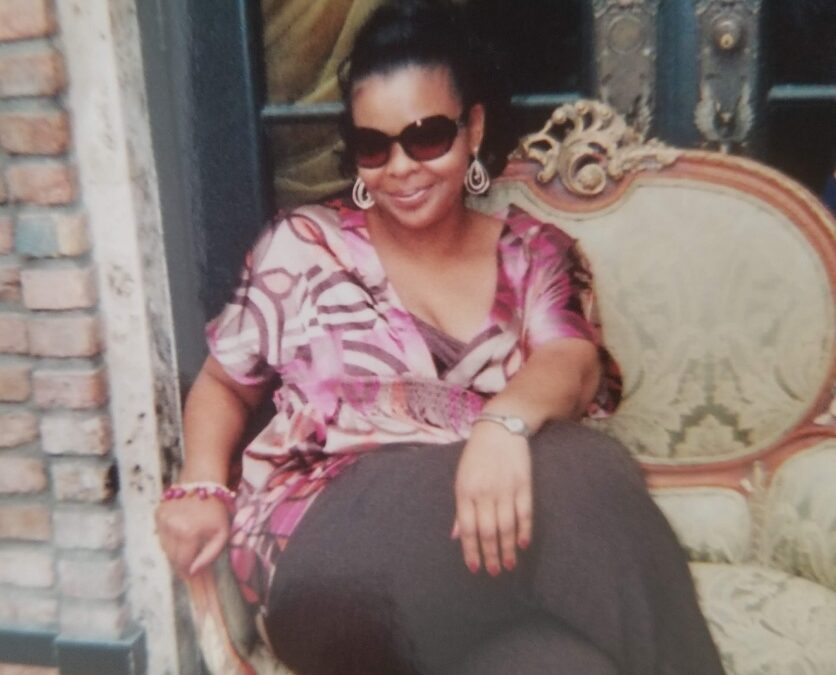
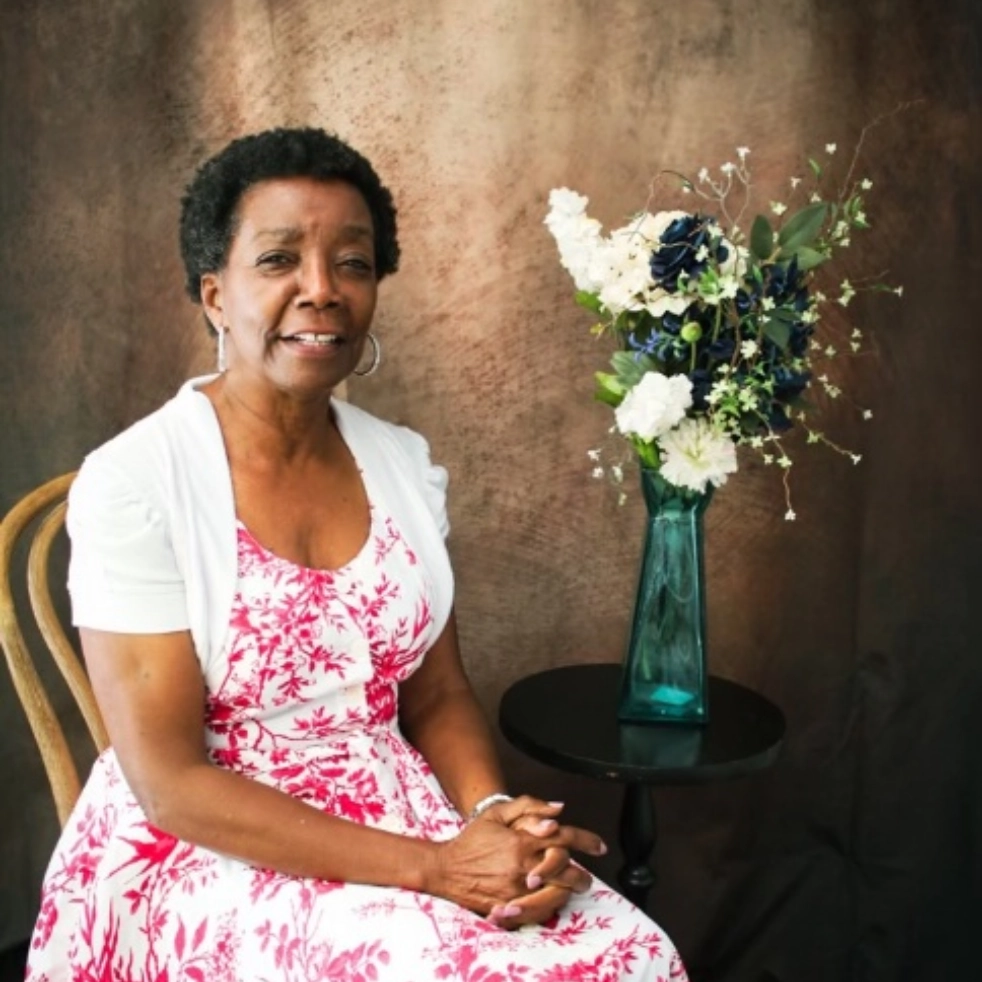
Growing up in Chicago public housing, Benna Else found out early that love is not usually neat, at least not the way books like to show it. She later married and stayed with that choice for over 50 years.
Benna worked as an educator, raised her family, and kept reading for the long haul. Between lesson plans and home duties, she gathered stories from real life. She also faced racial prejudice and the small twists that no one can plan for.
Now she has a new romance novel, The Elevator 001. In it, she looks at what happens when a person pushes for more and still has to show real feelings. One basic meeting can turn into something bigger than expected.
Long before Benna Else pictured two strangers finding something between floors in an elevator, she was just a kid in Chicago. She thought stories ought to leave a person feeling a bit lighter. She read a lot and watched movies, and she liked endings that did not feel cruel. She also did not give much patience to writers who would not let their characters catch even a small happiness. Still, back then she seemed to know how a good story can hit you in the chest. It can pull you in when the pain feels real, when choices carry weight, and when life might shift, if someone is brave enough, away from the path you expected.
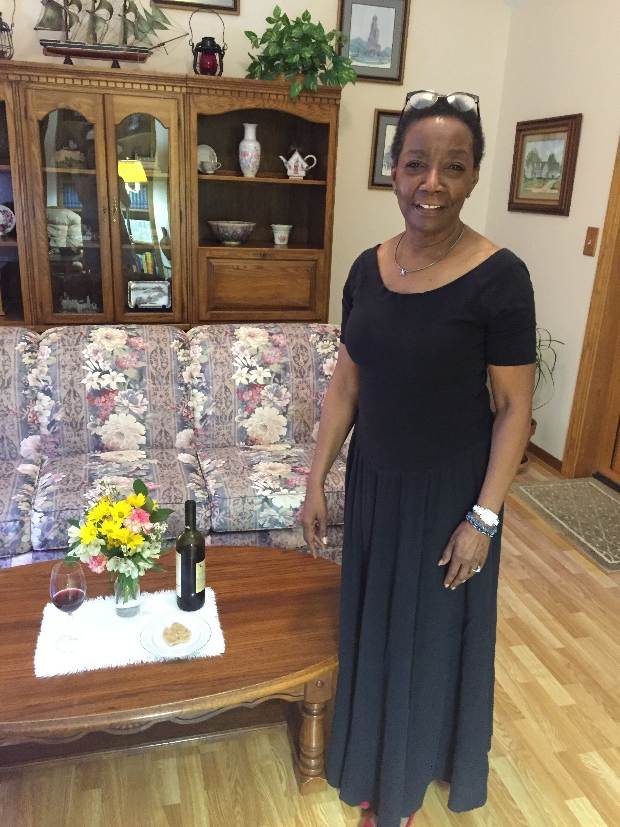
Benna does not put herself forward as a loud presence. When people ask her to say who she is beyond the usual titles, she keeps it simple. She is an author, an educator, a wife, and a mother, but she speaks in a softer way. She will tell you she is shy and careful, that she enjoys being around others. She likes to laugh, and she looks for calm in early morning walks. Birds still get her attention. So does the natural world, the way it keeps going even when you are distracted. She finds something steady in the idea of balance in creation, and she says that view shapes how she sees life. It also guides the mood she tries to build in her books.
Her first years happened in a one-bedroom apartment in Chicago public housing. She remembers it as more like rows of buildings, not the tall skyline towers people picture. Her father worked as a welder for General Motors. Her mother stayed home at first, then went back to work when Benna turned six. Benna and her brother spent time alone after school, latchkey kids. They learned how to manage a little on their own while their parents worked hard to keep things going.
Even with their limited money, Benna looks back on her first eleven years and calls them good. Her parents tried hard to give their children chances. She remembers how, at times, they had clothes and little outings that nearby families simply did not manage. Movie nights happened often. Her father had a contact at a theater, so they could go without paying. After that, there were trips to the library again and again. Those visits made the world feel much bigger than the streets around their home.
The library mattered to her more than she expected. Inside, books opened doors to people she had never met and ideas she had never tried to imagine. Movies did something different. On Sunday afternoons, she and her brother would head downtown to see films. They watched stories about love and drive, about fights and hard choices. Little by little, those scenes stayed with her and shaped how she thought about people.
At home, her father could spin a tale. He told stories from his own youth, including what it was like to be poor. He also talked about running track in high school. Sometimes he stretched the truth just enough to make the story fun. Her mother shared other moments that hurt. One memory stood out, the time her mother left her. When Benna listened to both of them, she learned something important. Every family has its own messy past. And sometimes, a life can hold both laughter and pain at the same time.
An excited high-school English and drama teacher built her love of stories even more. Still, Benna held on to romance. She hoped her characters would reach real happiness. She also wanted their bonds to feel true.
“I’ve always been a romantic,” she says.
For Benna, a good love story was never only about chemistry. It had to show people readers could follow, with feelings and choices that made sense. When she was growing up in a middle-class African American community, she did not see much that matched what she knew. The popular images of Black life did not always land with her. She looked for books that showed more kinds of people, with different goals and different ways of loving.
That push later shaped her own writing.
A Love Story Tested by the Real World
Benna’s idea of romance formed in a big way because of Jim. She married him in 1972.
They met in a way that felt almost normal. Her mother worked in an office that housed staff from different companies. Jim worked there too. Benna would sometimes stop by to see her mother, and that is how she got to know him.
First, they were friends.
At that time, Benna was set on never marrying. Over time, Jim shifted that plan. He did not press for anything. He just showed up with steady kindness and a kind sense of humor. Being around him felt easy, and that mattered more than any big speech.
“He was always so kind, and sweet,” she says. “He made me laugh. I felt at ease with him.”
Their relationship grew while interracial marriage was still met with judgment. Jim was German. Benna remembers her father talking with them before the wedding. He wanted them to be ready for what might come. They talked about what life could be like, and where they might live safely and without constant worry.
At work, she learned how far those opinions could reach. While Benna worked at Quaker Oats, a manager called her into his office. He shut the door and asked if it was true she planned to marry a white man. When she said yes, he wanted to know what their kids would be.
She paused at first, not sure what he meant. Then it clicked. He was really asking about the children’s race.
Benna answered plainly. She told him they would be German-African Americans. “A blend,” she said.
That moment stayed with her. She had done nothing wrong, yet prejudice showed up in a place that should have been only business. It was not the only time she and Jim faced discrimination.
A few years later, after they had been married, they moved from Chicago to New Mexico. They hoped to handle condominiums at a ski resort. They had property-management experience from earlier, even while holding full-time jobs. Still, Benna said the owners would not hire them. They said it was because Jim and she were an interracial couple.
They stayed in New Mexico until Jim’s job eventually brought them to Oklahoma in 1985.
The move brought fresh changes. The open streets, the shifting weather, and the slower rhythm felt different from Chicago. Benna met plenty of neighbors who were kind. Still, she ran into stiffer opinions and some prejudice once in a while. Over time, she got better at listening, thinking about how others saw things, and stating her own thoughts without forcing every disagreement into a fight.
Life together held up, even with the normal strain that builds over many years.
After more than fifty years, Benna says romance feels both easier and harder. She believes lasting love depends on compromise, shared laughter, respect, trust, and a real desire to look after someone else. Chemistry can help, but it cannot carry a bond all by itself.
They have had major arguments, she admits. Even so, they kept choosing to stay.
Benna once wished, as a child, that stories would give their characters a true happy ending. Now she sees that happiness is not just the lack of conflict. Often, it comes when two people decide the relationship will take time, work, and patience.
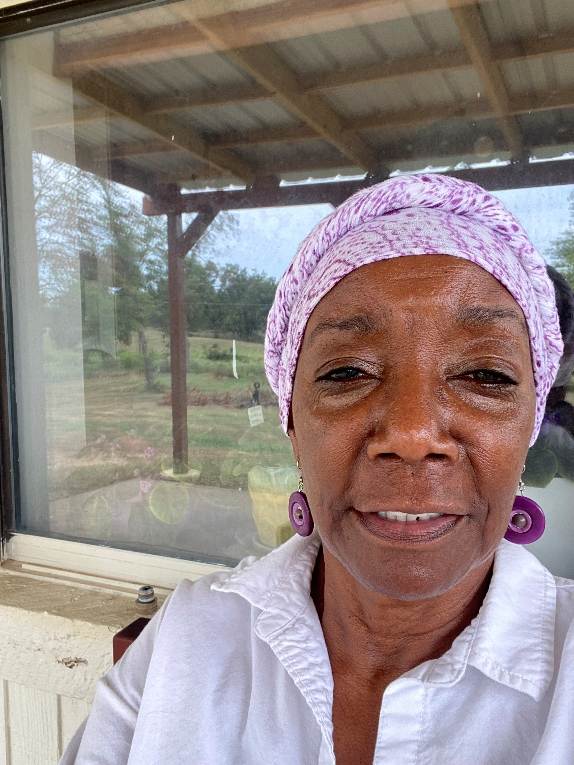
Finding Her Strength Before Finding Her Voice
Raising two sons kept Benna busy, but she still found time to pursue school.
She went to the University of Tulsa. There, she finished a Bachelor of Science in Physical Education. Getting through it took drive. Her husband often left for work as a truck driver. That meant Benna had to handle home duties and also keep up with classes.
When she thinks back on those years, she says they built her stamina and kept her on track. She also says she came to value the help she felt she was getting from Jehovah.
Her love for movement pushed her toward teaching. For three years, she worked with students in special education in her community. She covered two elementary schools and a high school. She adjusted lessons and activities so each student could join in, even when abilities and needs were different.
This work also taught her an important point. Kids do not learn or share ideas in the exact same way. In her view, the goal was to find a way that helped every child take part and make real progress.
A single memory still feels sharp. Anna was a young girl. She used sign language and spoke too. She took part in the Special Olympics. Benna remembers the smile she had while seeing Anna swing and connect with a baseball.
That day meant more than a fun game. It showed what she started to believe in. People should be seen for what they can do. They should not be reduced to what they cannot do.
Her teaching job did not last. Something happened, and she does not want to talk about it in public. Instead of pushing the issue in court, she chose a different path. She found work at a nearby recreation center. She worked as a receptionist and taught Pilates.
She kept teaching Pilates for over ten years. She stayed focused on movement and health. She also helped others in a new way, through classes instead of her old role.
Those years shaped her view of people. Her students showed her how to wait without losing patience. They also made it clear that everyone is different. Her marriage taught her how to meet in the middle. And what she faced with prejudice taught her how quick folks can label someone before they actually listen.
Later on, she used all of it in the stories she began to write. Every lesson slipped into her made up characters.
The Dream That Refused to Disappear
Benna wanted to try romance writing for about twenty years before she finally got published.
In Tulsa, she took a creative writing class at a junior college. Other students were kind and upbeat. That helped her believe her work could reach people. Still, everyday life kept stepping in. She had a job. She had family duties. She had all the small tasks that fill a day. So, progress slowed down again and again.
She also wrestled with doubt.
She would look at how many books were already out there. Then she would ask herself why anyone would pick her book. Another worry followed her too. Could readers enjoy romance that did not lean on graphic sex or the same old tricks? She kept wanting to focus on African American characters. She wanted their stories to show work goals, real feelings, steady decency, and the chance that love might last.
Her fear was not only about skill. It was about welcome. Would readers want the exact kind of stories she had in mind?
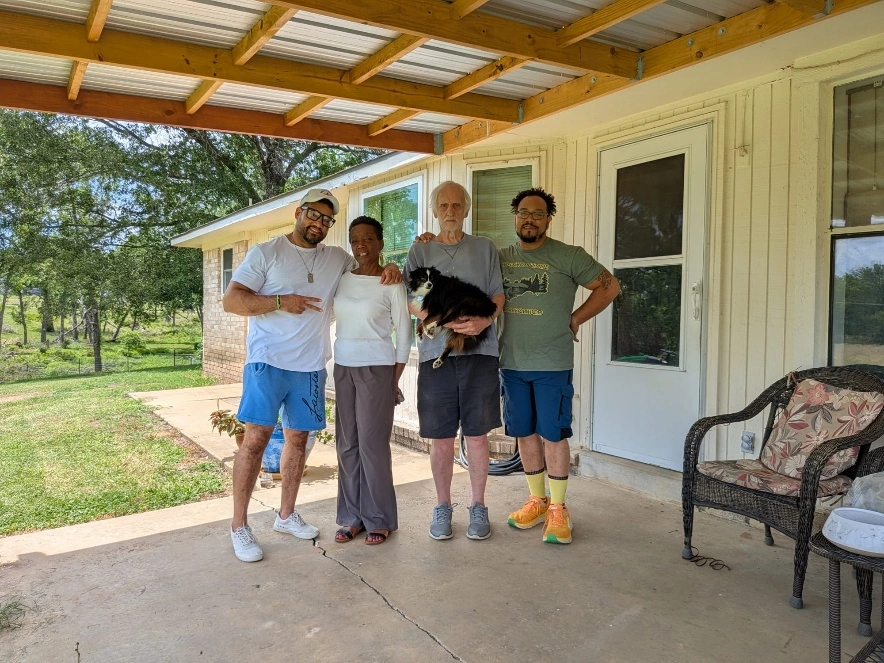
When the COVID-19 pandemic hit, she had time to think and rethink.
With her usual routine pushed aside, Benna started to look at what had happened to her and at the tales she kept building in her head. Slowly, the people and the scenes became clearer. Things she had left hanging for years kept returning. They would not settle down.
She also noticed something else. She had more material than she thought she did.
“I did not expect so much to be waiting in my mind,” she says.
Those stories had come from a long mix of reading, talks she had over time, bits of her own life, and small details she saw in other people. At some point, she stopped treating her age like a wall. She began to see that her years were useful. They shaped how she saw things.
Her first move was simple. She let herself start.
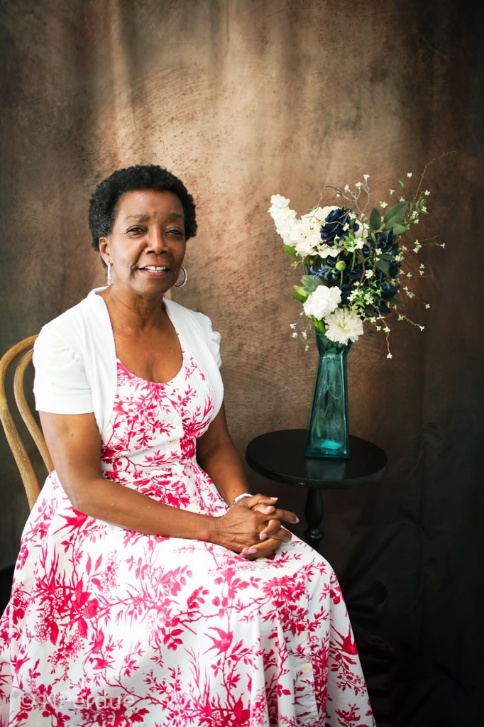
An Elevator Ride That Changes Everything
In The Elevator 001, Benna sets up a romance that looks almost plain at first. Two strangers keep running into each other in the same elevator, again and again, during regular days.
J. P. is a rich and driven African American man. He wants to climb until he is among the richest people in the country. Dating is not what he is focused on. In his world, women often notice him for his money first. They tend to read his power in his looks and in his name.
Lauren is not like that.
She was 12 when her mother died. Later, during law school, her father left the home she grew up in. After that, her life took another turn. Now she works two part-time jobs. She is set on making her own way. She wants work that can carry her. She does not want a romance that decides who she becomes.
Still, they start to see each other in that elevator.
J. P. finds it hard to shake Lauren’s kindness once he notices it. Her smile sticks in his head. Lauren does not look at the repeated rides like they are part of some plan. It is not staged in her mind. It just happens.
Benna picked this setting on purpose. She wanted a kind of meeting that does not follow the usual script. No friends set them up. No work romance starts it. They also do not reconnect after time apart.
Instead, they share the same tight space for a short stretch each day.
Benna says, “I just thought it would be fun to take an elevator ride with a stranger.”
That line fits her view of love. She thinks something real can begin in normal moments. A face you recognize. A small hello that feels sincere. A random bit of care. Over time, those things can matter a lot.
She also points to the small language shift people make. “Have a good day” sounds standard. “Make your day wonderful” feels more direct, like it is meant for the person standing right there.
Those tiny choices matter in the book because the story looks at what small acts can do to someone’s feelings.
J. P. was pushed forward by the stubborn mindset of Benna’s son. Benna says, though, that the character in the story goes further than she ever could. She also aimed to show a Black man who looks financially set. In her view, that kind of part is usually handed to white male characters.
Lauren shows strength in another way. She can read, learn, and handle her own life. Still, she has pain she never finished dealing with. It hangs around under the calm.
Benna wanted Lauren to feel both pure on the surface and tough inside. Lauren has a kind of bounce back that Benna did not see clearly at first.
As the two grow closer, quiet secrets start to mess with what they each thought was true. It shakes how they view who they are. It also shifts how they trust each other. Benna is drawn to the idea that hidden facts can change the way a person measures self worth, love, and confidence.
For J. P., the lesson is simple but hard. Being rich and acting sure of yourself does not make lying acceptable.
For Lauren, the work is different. She has to find strength that does not rely on the worst parts of her past.
Overall, the tale looks at what happens when people assume they know what they need. Then someone arrives who makes them rethink those plans.
A New Chapter, Written on Her Own Terms
Benna’s move into writing did not erase the doubts she felt at the start. Even now, she knows independent authors face real hurdles. She tells new writers to watch for publishing scams. She also urges them to be careful with any offer that sounds too certain. Some deals take money and still do not lead to good outcomes.
Not everyone around her feels the same excitement for romance novels. That part is simply true in her daily life.
Her sons have backed her from the beginning. Jim is different. He does not read the genre for fun. Still, he respects what she likes, and she points to that as a sign of how they have adjusted to each other over many years.
For Benna, the main point is simpler. She kept going with something that matters to her.
She already thinks about more stories. Often, it starts with a real conversation. She talks with people, asks about their days, and listens closely. Then she takes small pieces of what they say and tries to picture how it could become a character.
Writing also pulls her back, oddly enough, to her Chicago childhood. She still looks back on it with warmth.
Her father told stories that made everyday moments feel more alive. The library gave her access to places she had never seen. Films taught her to expect emotional shifts and to keep hoping the story would land with an ending that feels right.
Now she builds those worlds herself.
And the takeaway she hopes readers get is not only about romance.
She tells people to stay open to new ideas, notice the good things nearby, and remember that kindness matters. In her view, gratitude should come first for the love someone has already received. She also says people should forgive themselves for what went wrong before, and not let regret steer every choice after.
“Be kind to yourself,” she says. “Stop replaying past errors.”
You can see the same idea in the path of a woman who held on for years before she became a writer.
Benna could have told herself it was too late. She might have let fear, let down feelings, or the daily grind shut the door on her work.
But she did not. She went back to a hope she kept even when life stayed loud.
Her years have not been gentle, at least not in the way some romance books make it seem. She faced unfair treatment, shaky money, tough work moments, caregiving duties, and hard disagreements in a marriage that kept going for the long haul.
Still, she stays with the belief that love is real.
Not because life is simple, but because she has watched how decency, courtesy, forgiveness, and loyalty can help a person get through rough seasons.
In The Elevator 001, two strangers step into a small space and do not know what will happen next.
For Benna Else, the main point is clear. A chance can still exist even after someone has already lived many years and carried a lot.
Sometimes the next part shows up through a surprise meeting.
And sometimes it starts on the day someone finally sits down to put into words the tale they have been keeping inside.
Explore Benna Else and The Elevator 001
Featured Book: The Elevator 001
https://a.co/d/0gbOdnPT
Fable:
https://fable.co/book/the-elevator-001-by-benna-else-9798896722717
Kobo:
https://www.kobo.com/ww/en/ebook/the-elevator-001
Author Interview: Authors Corner with Benna Else, Author of The Elevator
https://www.youtube.com/watch?v=uXq3AN_r6_A