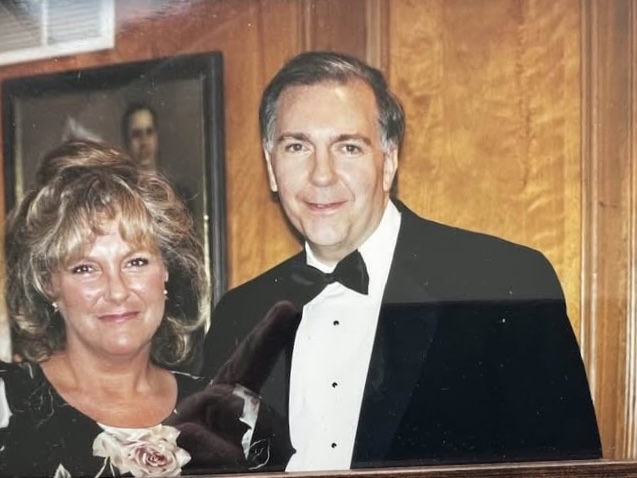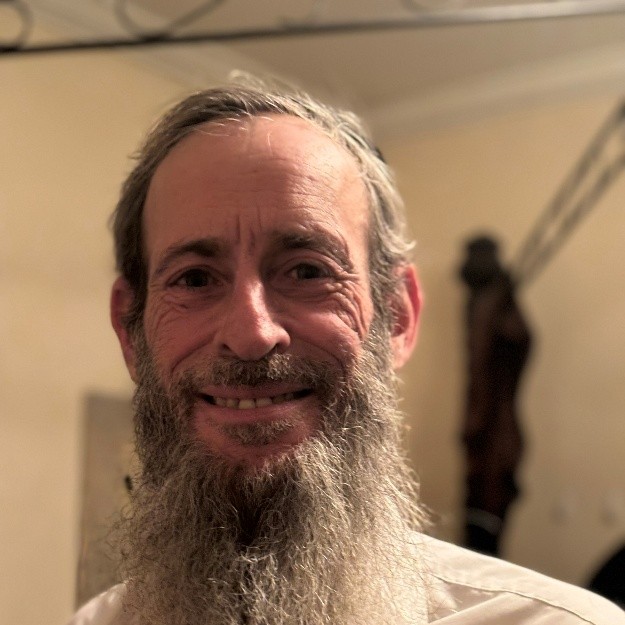

Keith Hickman grew up on the South Side of Chicago. Later, he worked in the Navy as a submariner and learned how to handle tight, high stakes situations. He also trained as an engineer and researcher, and he later became an author.
His background did not come from nowhere. His family story includes people moving to new places, time in the military, and a steady habit of pushing forward when things got hard.
His fiction explores two very different groups of young people. In P-IRATE KIDS, one group comes from wealth and education, while the other consists of children of condemned prisoners who become pirates. Pirate Cadet Kids, by contrast, follows cadets into space, where survival demands judgment and cooperation.
Long before Keith Hickman started picturing teens heading out across deep space, his family had already lived through years of traveling. Their story went back to the first settlers in America and the wagon trains that followed. Later it reached World War II battlefields. Still later, it landed in Chicago, where Hickman grew up. The whole thing was built on travel, duty, and the habit of dealing with what you cannot fully predict.

For Hickman, history is not just names and dates written down. It is what real people had to decide under pressure. It is how they adjusted when they ended up in places they did not expect. It is also how they kept moving and raised their families along the way. Those memories shaped how he thought about bravery and staying power. He carried those ideas into his time in uniform, his later work, and his writing.
One family story stands out in Hickman’s account. His great-great-grandmother rode west as part of a wagon train from the Shenandoah Valley. She also made two quilts. Years later, one quilt ended up in a museum in Indiana. The other stayed with the family, protected by his eldest sister, Marguerite.
Hickman also points to his roots. He links his ancestors to Jamestown and to the Shenandoah Valley. In his account, the family took hold there first. Later, they moved and settled in Corydon, Indiana, which had been the state’s capital.
He adds another detail. He mentions a tie to a farm in the Shenandoah Valley. He connects that farm to the start of the Civil War. He presents his family story as part of the larger U. S. pattern. Expansion, conflict, and change all show up in the way he tells it.
The family sense of duty carried on into the next century. Hickman’s father was in the 101st Airborne Division in World War II. Another uncle spent time flying and completed 63 missions as a tail gunner. A different uncle ran an Army band. One more relative stayed on the home side and looked after the family farm. All of them had roles that mattered. Duty showed up in different places, from fights abroad to the work of living day to day and keeping a household running.
Hearing those stories as he grew up made courage feel real. It was not just a word. It was tied to family members he knew. Their decisions affected more than just themselves. Their losses and steady efforts were passed along, generation after generation.
From Chicago to the Depths of the Ocean
Hickman was raised in South Shore, on Chicago’s South Side. It was not like the open stretches and early outposts from his family’s older stories. Still, the same themes showed up in how he was raised. He learned to stick with hard things, take responsibility, and put service before himself.
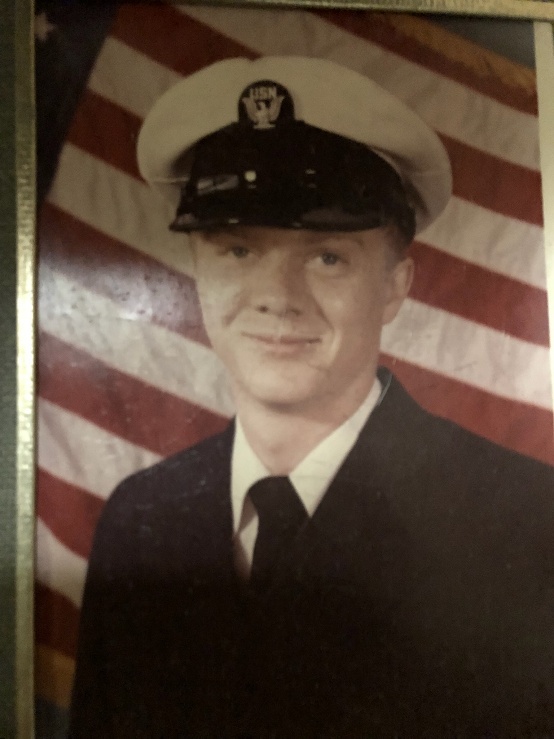
When he was 18, he joined the U. S. Navy’s Submarine Service. That choice took him into a setting where the bravery people imagine from war stories was not the main point.
Submarine work has a strange tie to what you cannot see. Down below the waterline, the space is tight. You have to rely on technical skill, steady habits, and teamwork. Life ashore feels free in comparison. On a submarine, days run on set routines. Everything points back to the ship’s needs and the crew’s duties.
Independence by itself will not carry you very far in a setup like this. People lean on other people all the time, even when roles look separate. If something technical goes wrong, or if someone misses a task, the impact spreads fast. Bad or unclear messages can throw everyone off too.
Hickman left the Navy at age 35. His family stayed tied to naval life as well: two of his sisters married retired Navy men, both with Chicago roots.
Hickman has not shared fine details about specific submarine runs. Still, his background helps explain why certain topics matter to him in his writing. Life on a submarine brings isolation and constant adjustment to new surroundings. It also brings tech stress and shared pressure. Those same themes show up in the trouble the young characters face in P-IRATE KIDS.
The comparison feels sharp. In one story, a submarine crew has to rely on drills and on the people beside them. The ocean does not give second chances, so small errors can snowball fast. In Hickman’s fiction, the explorers face a similar test once they are left stranded far from everything they recognize.
An Engineer’s Mind and a Storyteller’s Imagination
After he finished his naval career, Hickman kept working in engineering and hands-on problem work. He has said he is an engineer with about 25 years of experience. He also calls himself a researcher and an author. His interests include psychology and social and economic topics. Right now, he works as an engineer at a hospital in Porterville, California.
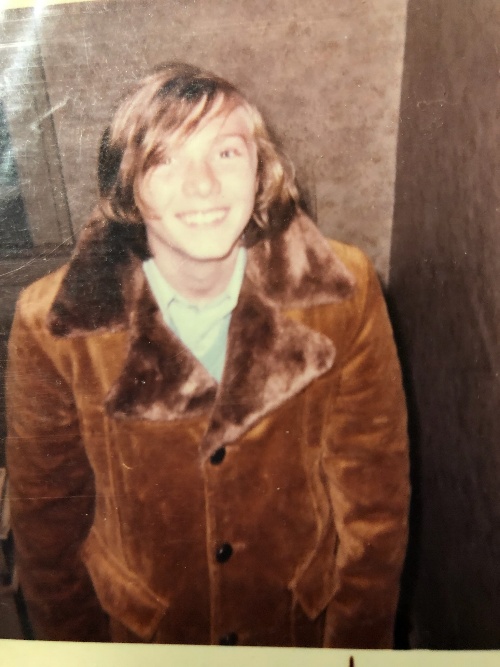
Hickman also remembers his graduate-school graduation at the 70th Street Baptist Church, where South Side equal-rights leaders, including Jesse Jackson, addressed the graduates. The event connected his educational milestone with a broader tradition of community leadership.
Engineering is not just theory. It takes the ability to look at how systems work. It also means spotting issues early and thinking about what follows from a choice. In a hospital, engineering has to be steady and reliable. The infrastructure there helps doctors and nurses do their jobs. It also supports patient care.
These jobs also seem to shape his creative side. In his fiction, characters are put in situations where technology, environmental risks, and human actions overlap. The trouble is not only about facing a threat from the outside. They have to pay attention to where they are. They make choices when time is tight. They also have to work together as a group.
His focus on psychology and social issues gives a fuller view of how he works. Survival tales are never only about danger. They show how people treat each other when things get shaky. You can see uncertainty push at choices. You can also watch groups figure out who leads and whether teamwork holds or breaks when pressure rises.
Hickman has built his writing career while handling other duties too. Early titles include Ten Bears to Destiny, Death to Freedom, Parts I and II, and P-IRATE KIDS. Across those books, you can feel his pull toward adventure, history that you can picture, and stories that move.
In Ten Bears to Destiny, Hickman points to a small trace of real life. He says it comes from his family’s past. That detail shows one of his habits with fiction. He lets real memories and stories from home sit underneath the make believe.
His books move between historical adventure and imaginative fiction, including the contrasting lives of young people in P-IRATE KIDS and the spacefaring cadets of Pirate Cadet Kids.
Still, the core concern feels close in both. Characters travel into places they do not know. They test what they can do once old routines are gone.
When Adventure Becomes a Test of Survival
Hickman distinguishes two sets of young characters: those in P-IRATE KIDS, where privileged, educated children are contrasted with children of condemned prisoners who become pirates, and the cadets of Pirate Cadet Kids, whose adventure takes them into space. The spacefaring cadets enter a program eager to explore beyond the world they know.
That plan falls apart fast.
Their first trip, the maiden voyage, turns bad. Their ship, the Wind Wash, is hit during an attack. As the fight ramps up, the captain tells the cadets to go back to their sleeping quarters. The lights go quiet, and then they wake up to a new kind of fear.
When they get up, the situation is not the same at all. The ship is still. No crew voices. No usual faces. They realize they crashed on an alien planet. It is far from home, in a place they cannot even name in a way that makes sense, millions of light-years away.
Stranded in an unfamiliar and dangerous world, the space cadets must rely on judgment, resilience, and one another to survive.
The cadets step into the space program with grit and hope. Still, being excited is not enough to keep you alive. They have to judge risks, handle new and strange conditions, and learn that their own choices do not stay private. What one person does can affect everyone nearby.
That focus adds a more personal layer, even though the setting is science fiction. The teens are not just passengers in space. They are people pushed into hard questions. They have to deal with trust, leadership, and responsibility long before they are ready for adult life.
The plot also flips expectations in a strong way. At first, they enter a program that has rules and adult guidance. Then, after the attack, that safety net vanishes.
A writer who entered the Submarine Service at 18 would naturally notice how young people learn responsibility when they are dropped into a new and tough place. Hickman does not say plainly that his own naval work built the novel. Still, the links between working as a unit in the and what the cadets face are hard to miss.
The book also makes you think about how fast things can swing. A chance can turn into trouble. A bad turn can force someone to try skills they did not know they had. Even those who never pictured themselves leading may end up making calls that others rely on.
The space adventure in Pirate Cadet Kids becomes a story about growing up under pressure, while the contrasting backgrounds in P-IRATE KIDS introduce another dimension to Hickman’s interest in opportunity, hardship, and the choices young people make.
The Family Beyond the Fiction
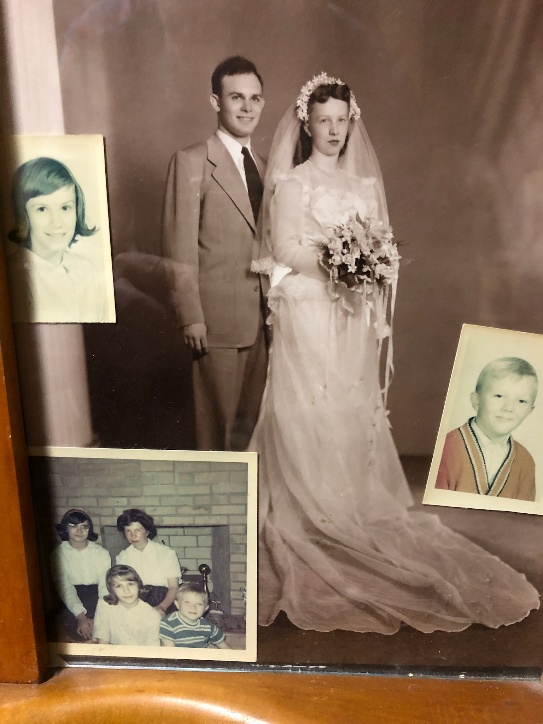
No matter how far Hickman’s imagination goes, his own life stays tied to his family.
He and his wife, Josie, have three children. Between them, they now have ten grandchildren. As the family keeps growing, those shared memories and lessons keep moving forward with it.
His advice to his children reflects a conviction earned through experience: people do not always learn from comfort and reassurance; sometimes pain and suffering are the teachers. He says he would rather tell his children the truth than tell them only what they want to hear. To him, honesty, however difficult, is a way of respecting both oneself and others.
The quilts preserve family history in fabric; Hickman preserves experiences and questions through fiction. His stories look both backward, toward the lives that shaped him, and forward, toward unfamiliar worlds.
In his stories, the cadets get thrown into situations that feel far out of reach for most people. Still, they have to grow traits you can recognize in real life: courage, flexibility, accountability, and trust.
What does bravery look like if you cannot see the result? How does trust actually form between people? When others rely on you, what duties show up? And what happens when daily life turns into something you did not plan for?
The Courage to Enter the Unknown
The challenges in Hickman’s fiction are not merely dramatic devices. They reflect his belief that hardship can teach lessons that comfort alone cannot, especially when young people must confront the consequences of their decisions.
Hickman’s path also offers a lesson about writing: a creative life need not follow a standard route. Technical work, family stories, and the experience of service can all become material for the imagination.
You can see it in a few images.
A wagon train crossing lands no one around them truly knew.
A submarine sliding under the ocean surface.
A ship stuck far past where anyone expects it to be.
A wagon train, a submarine, and a spacecraft are different settings, but each asks what people do when the familiar disappears. For Hickman, courage must be joined by responsibility and a willingness to face difficult truths.
Now, with P-IRATE KIDS, the new adventure is turned over to the readers.
Explore Keith Hickman and P-IRATE KIDS
Featured Book: Pirate Cadet Kids
https://a.co/d/0hYC8GxP
Better World Books:
https://www.betterworldbooks.com/product/detail/pirate-cadet-kids-9781496924810/new
AuthorHouse:
https://www.authorhouse.com/en-gb/bookstore/bookdetails/641598-Pirate-Cadet-Kids
Other Works by Keith Hickman: Ten Bears to Destiny and Death to Freedom, Parts I and II.