Disney has spent generations turning animated characters into cultural icons, and this fall the company is taking that influence even further, like moving its characters deeper into fashion, streetwear, accessories, beauty, and lifestyle through a broad set of fresh collaborations.
At its D23 fan event in Anaheim, California, held August 14 through 16, Disney said it has 15 collaborations lined up, with launches planned sometime between August and October 2026. These partnerships bring familiar brands in the mix, including Crocs, Pandora, Loungefly, Vera Bradley, Shoe Palace and ColourPop, all into the Disney universe. At the same time, the lineup gives room to independent as well as international designers, so they can reinterpret some of the company’s most recognizable characters a little differently, almost like giving them a new visual language.
The overall plan seems to mirror a bigger change in how entertainment licensing is run these days. Disney’s characters aren’t just stuck on toys or kids merchandise anymore. Instead, they are getting positioned as style identities, able to move between luxury-leaning collections, streetwear looks, jewelry, beauty, and modern everyday lifestyle products.
From Characters to Cultural Currency
Disney has long saw the commercial muscle of nostalgia. Mickey Mouse, Minnie Mouse, Disney Princesses and Pixar characters still stay instantly recognizable across different age groups, so the company can keep pushing its intellectual property to fresh audiences again and again.
But now the licensing game feels a bit different. It’s less about just putting a character on, say, a product and more about building stuff people actually might want to wear, or maybe quietly add to a collection. That subtle difference really matters in fashion.
A Disney T-shirt can be mere merchandise. Yet a thoughtfully made Mickey Mouse capsule can turn into a real fashion statement. The newest collaborations kind of show Disney is leaning harder into that second idea.
FashionUnited says Disney was the world’s leading licensor in 2025, and it points to $63 billion in retail sales from licensed consumer products, taken from License Global’s 2026 Top Global Licensors report. Those figures pretty much shed light on why Disney keeps broadening its licensing network.
A Vintage Beginning
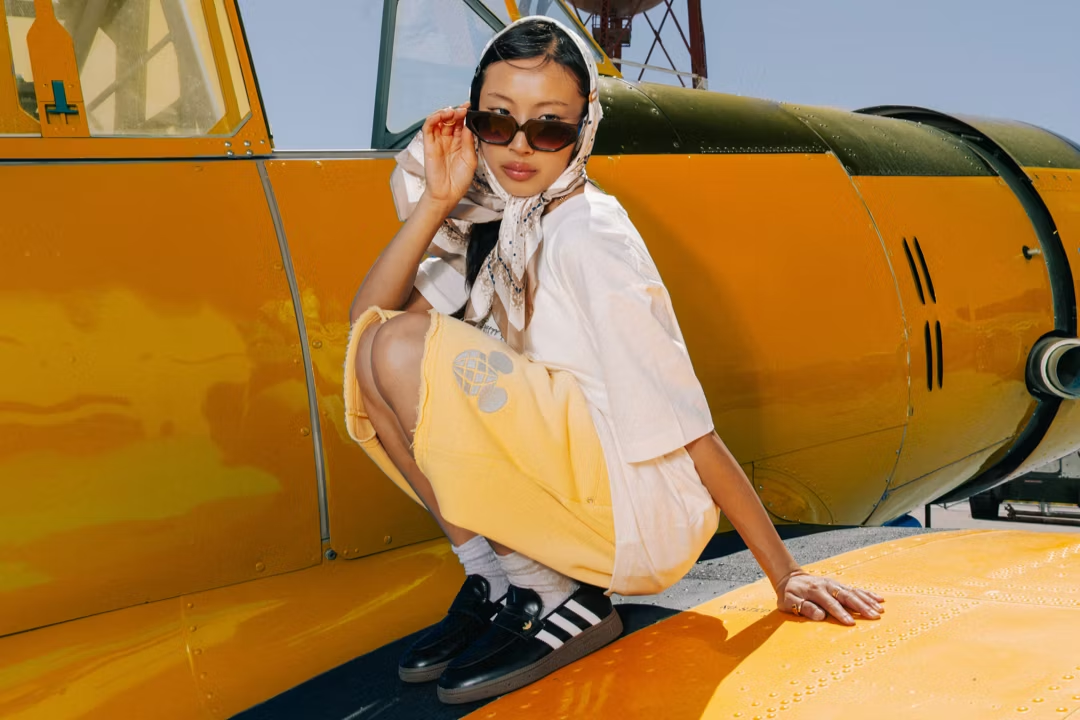
The fall schedule starts kind of with this collab between Disney and, uh, designer Bobby Kim. The whole collection takes a vintage inspired vibe on Disney classics: like it’s not just characters, it also brings along the tales from The Lion King, The Little Mermaid, Lady and the Tramp, Oliver & Company, Mickey Mouse and Fantasia.
There’s a Sorcerer’s Apprentice Mickey long sleeve shirt on the calendar for August 17, and then on August 20 they roll out a six-piece Classics set. The pitch is familiar, but on purpose it leans more nostalgic rather than treating Disney as only something contemporary, the pieces borrow from that older visual language of graphic fashion, you know.
And yeah, it feels like a move that keeps getting more popular with consumers who want their clothing to feel tied to cultural history, not just trendier clothes for right now.
Disney Villains Enter High Fashion
One of the more unexpected collaborations comes from Peruvian designer Angie Schlegel, who is giving Disney Villains a kind of haute couture take over, almost like a reinterpretation that feels a bit off balance. Scheduled for August 20, the collection mixes traditional craftsmanship with expressive silhouettes. This partnership shows just how far Disney’s licensing ambitions have stretched, even past what people would assume. Villains aren’t just treated as characters from animated films anymore, they’re becoming visual identities, with their own aesthetic worlds and a kind of attitude. Maleficent, Cruella de Vil and other recognizable figures can now serve as inspiration for fashion, not only as things that appear on licensed merchandise. It’ s an approach that lets Disney step into spaces where its characters might otherwise seem oddly out of place, or well, surprisingly not.
Mickey Goes Street
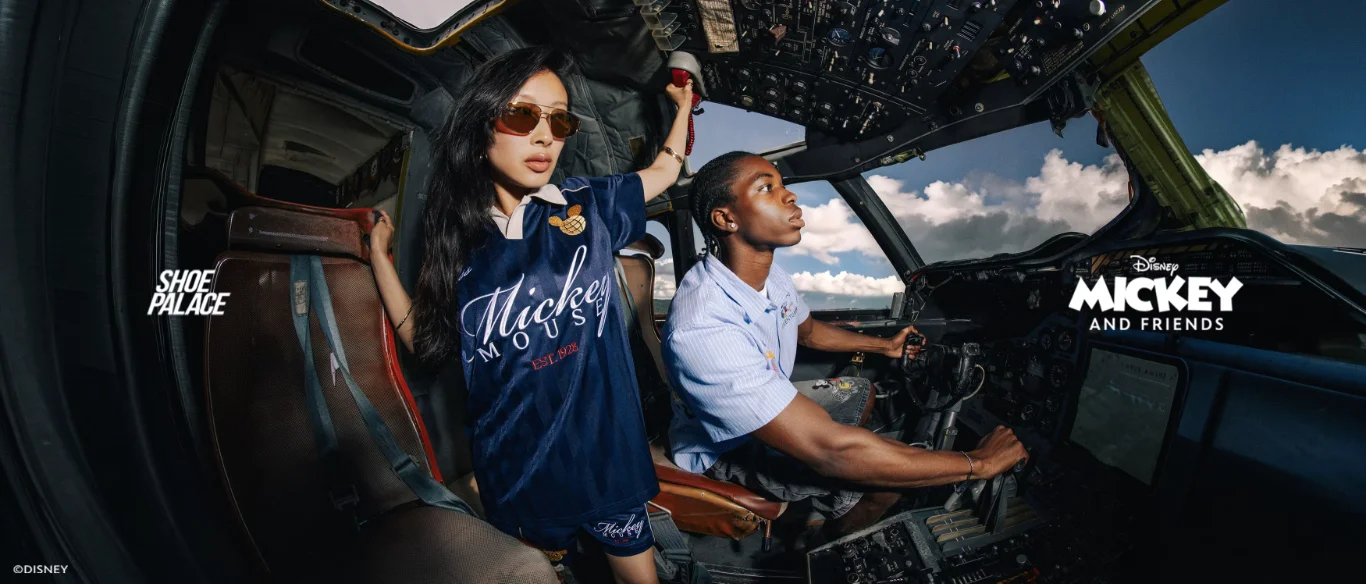
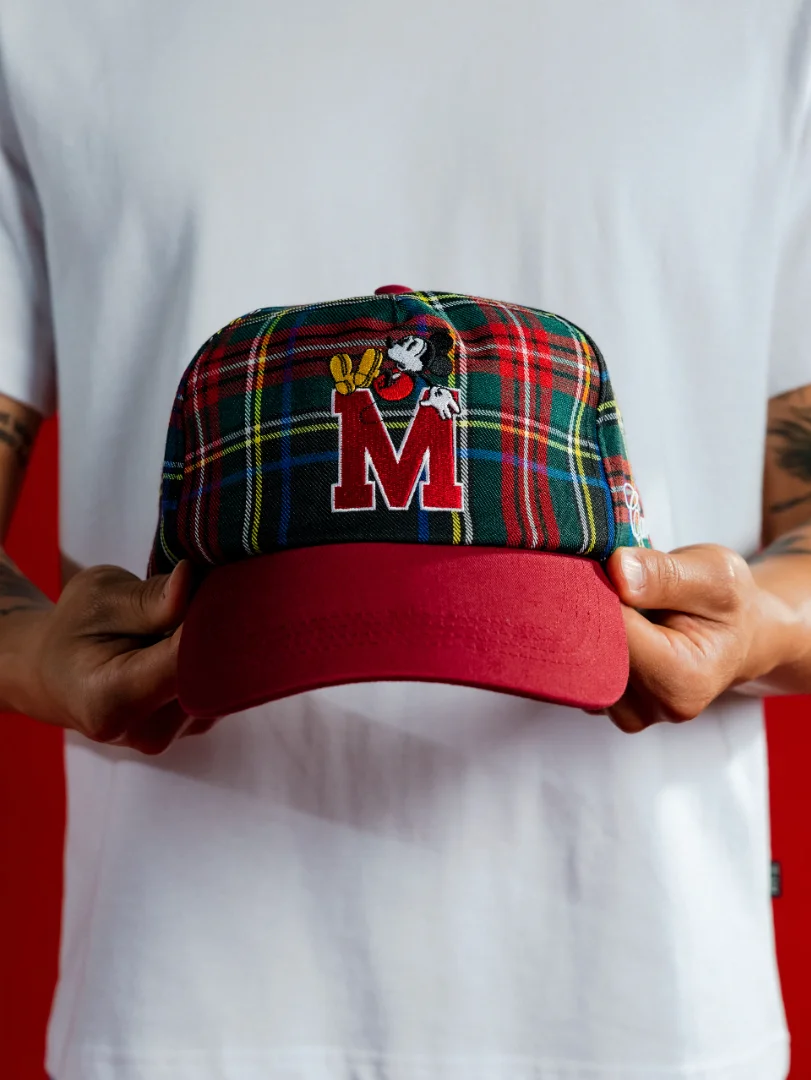
Streetwear is another big part of the fall game plan, pretty much. Shoe Palace’s Mickey Mouse Traveler collection (set for August 21) kind of turns Mickey and his friends into a travel-minded wardrobe with hoodies, tracksuits jerseys, shorts and shirts all together. It also shows how entertainment franchises keep a steady, ongoing link with street culture, not just in passing. For younger consumers especially, fashion is often more like a personal signal, a fandom showcases without fully looking like standard, traditional merchandise. Like a hoodie with Mickey on it can be nostalgic, playful, and still feel current at the same time. That kind of adaptability is, honestly, one reason Disney’s characters keep translating so well across different generations, year after year.
Celebrating Disney Milestones
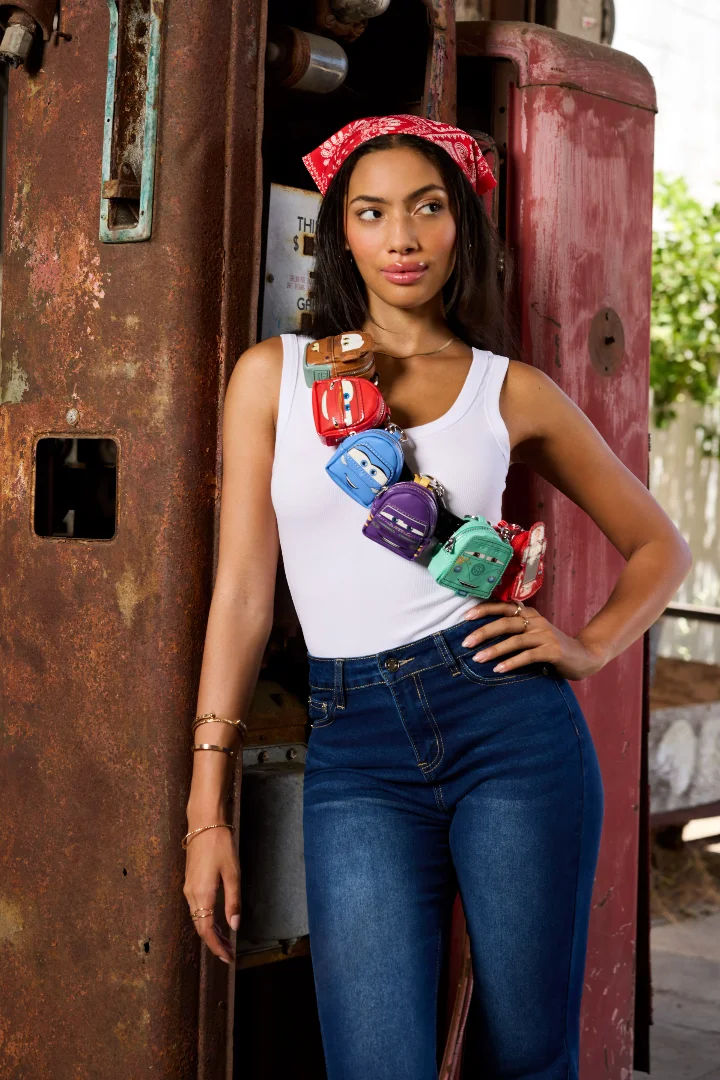
September brings together a few collaborations that lean on big anniversaries, kind of like a celebration loop. Cakeworthy will mark the 30th anniversary of The Hunchback of Notre Dame with a vibrant 1990s- inspired collection, and Loungefly is set to honor the 20th anniversary of Cars with character bags, mystery collectibles, and yes, a light-up Lightning McQueen backpack.
Crocs is jumping in too, with a Dinoco-inspired blue CrocBand silhouette on September 16.
Overall, this anniversary strategy also gives Disney yet another commercial edge: nostalgia shows up with an already-made excuse to come back to older franchises, again and again. For longtime fans, the releases bring back childhood favorites. For newer buyers, the collaborations essentially reintroduce those same stories, but through current, contemporary styling.
The Art of Everyday Disney
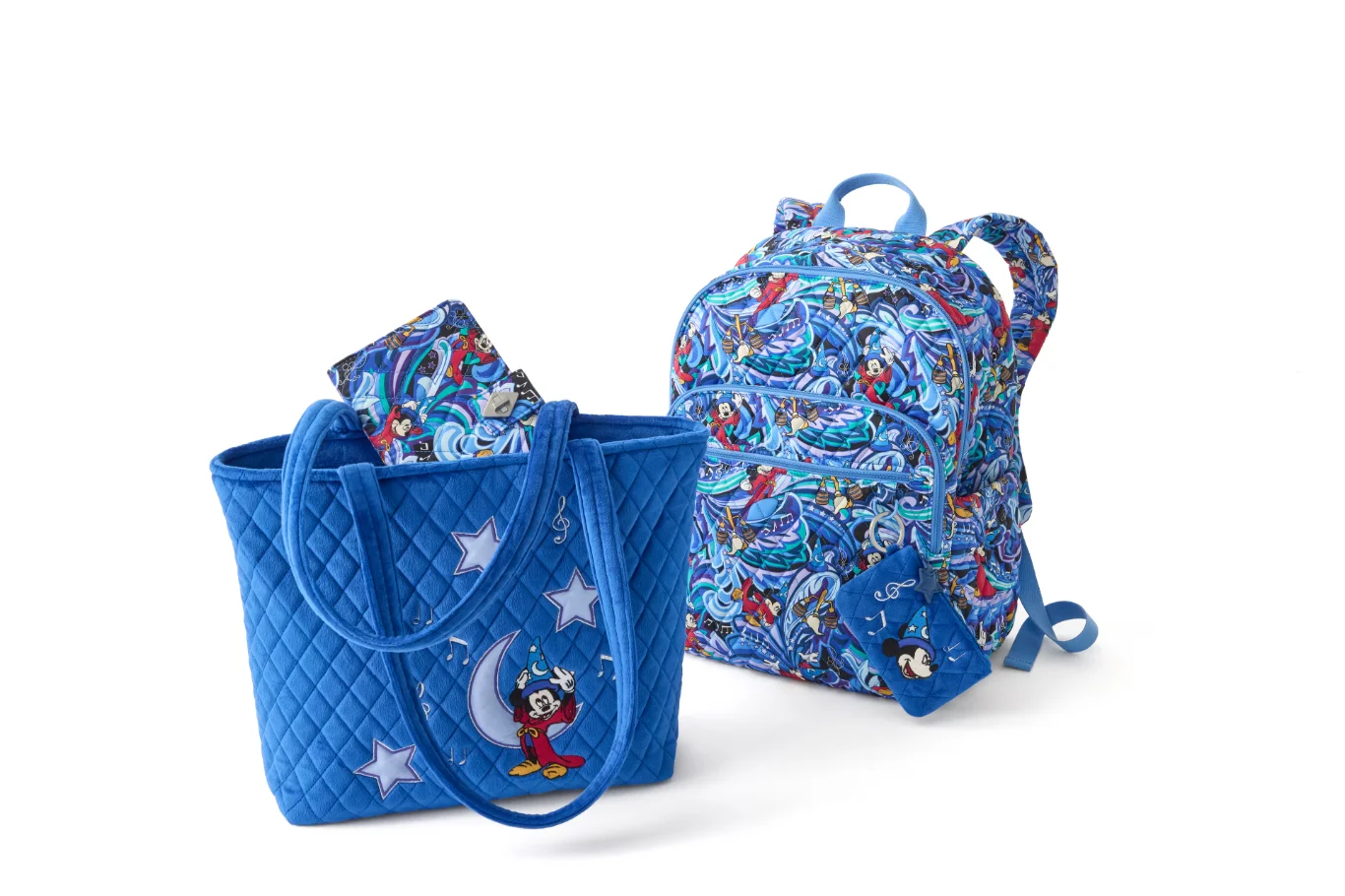
Vera Bradley’s September 24 collection kind of brings Fantasia back into the daily stuff, like accessories, featuring Sorcerer’s Apprentice Mickey across bags, wallets, and other products.
At the same time, Culture Kings will roll out a globally available 16-piece Mickey Mouse range.
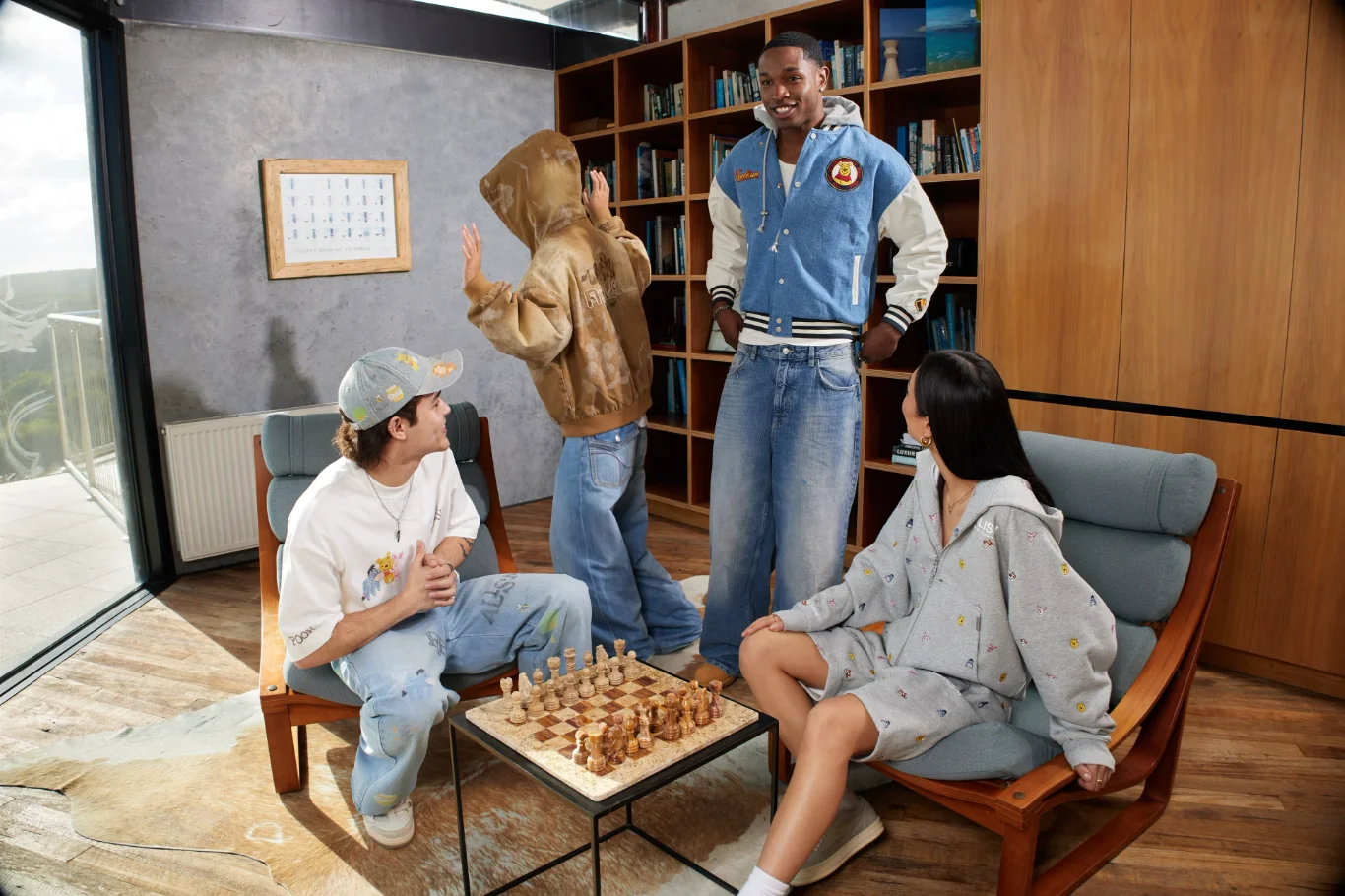
Realism is also moving Disney’s Winnie the Pooh into that premium fashion lane, while Civil Regime is launching its very first collab, built around The Nightmare Before Christmas.
Little Words Project adds another layer too, with those collectible Disney Villains blind-bag bracelets.
Honestly, the variety here is kind of telling.
Disney isn’t just leaning on one category.
Instead, it is building an ecosystem where a fan can meet the same intellectual property through clothing, accessories, jewelry, collectibles and beauty stuff.
October’s Holiday Effect
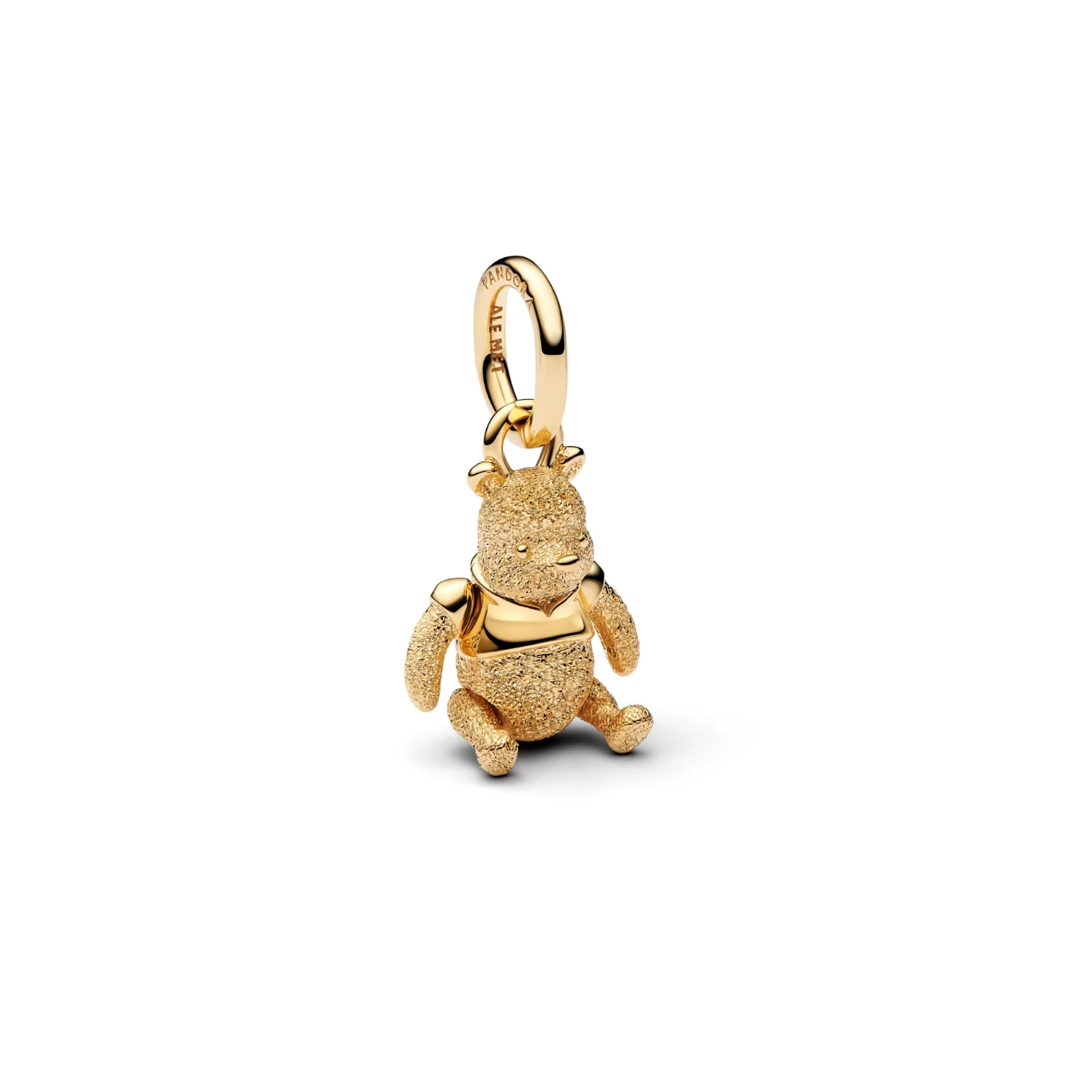
The last wave lands in October, right when retailers start shifting focus into the holiday shopping season. ColourPop plans to drop Disney inspired beauty stuff on October 8, then Girls Crew accessories on October 20, and Pandora jewelry on October 22.
These collections pull from Mickey and Minnie, plus Disney Christmas vibes, Mulan, and even Winnie the Pooh.
Meanwhile, the Japanese label Baroque Japan will wrap up the autumn lineup with “Natuventure,” sort of a contemporary lineup that leans into quilted outerwear, standout bags, and utility add-ons.
The schedule is pretty calculated. When the brand brings Disney products into fashion and beauty stores before the holiday season really kicks off, it helps turn fandom into stuff people can actually gift, across a range of price points.
Licensing as a Fashion Strategy
The larger story is not simply that Disney has launched another collection of merchandise.
It is that licensing has become an important part of the company’s strategy for keeping its intellectual property culturally relevant.
Disney itself has described consumer products as a way for its stories to enter consumers’ everyday lives, with fashion identified as one of several major lifestyle pillars alongside food, music, sports and wellness.
That approach changes the role of licensing.
Instead of waiting for audiences to return to a movie or television franchise, Disney can keep those characters visible in everyday life.
A Mickey sweatshirt becomes advertising.
A Pandora necklace becomes fandom.
A pair of Crocs becomes nostalgia.
A beauty collection becomes a cultural conversation.
The Future of Disney Style
The bigger point is not just that Disney has launched yet another set of merchandise.
It is that licensing has turned into a meaningful part of the company’s strategy for keeping its intellectual property culturally alive and present.
Disney has also explained that consumer products help its stories get into consumers’ daily routines, and it lists fashion as one of several lifestyle anchors, right alongside food, music, sports, and wellness.
With that, the role of licensing shifts a bit.
Instead of waiting for viewers to come back for a movie or television franchise, Disney can keep the characters in motion in everyday life.
A Mickey sweatshirt turns into advertising.
A Pandora necklace becomes fandom.
A pair of Crocs becomes nostalgia.
A beauty collection turns into a cultural discussion.