The author of Hear Better, Live Longer is turning hearing healthcare into a national conversation about Alzheimer’s prevention, Medicare reform, and human connection.
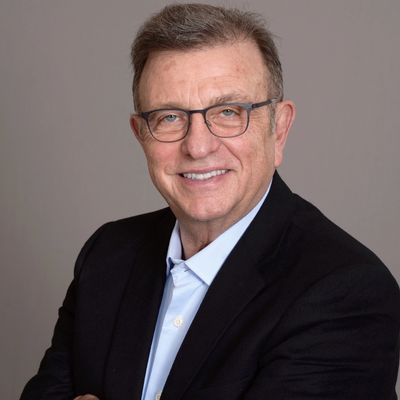
For Dr. Robert C. Keefer, PhD, hearing healthcare has never been just about sound. It is about remembering. It is about dignity, too. It is about families staying in touch across dinner tables, phone calls, celebrations , and those quiet everyday moments that end up shaping a life.
In his book, Hear Better, Live Longer: How Well-Performing Hearing Aids and Medicare Reform Can Prevent Alzheimer’s and Save Lives, Dr. Keefer adds real urgency to a matter many Americans postpone, brush aside, or fail to grasp. His message is clear, and a bit unmissable: untreated hearing loss can lead to consequences that go well past muffled speech and a higher television volume. It can change relationships, emotional steadiness, everyday independence, increased risk of catastrophic falls, cognitive decline, and, as the research he shares suggests, it may influence the path of Alzheimer’s prevention.
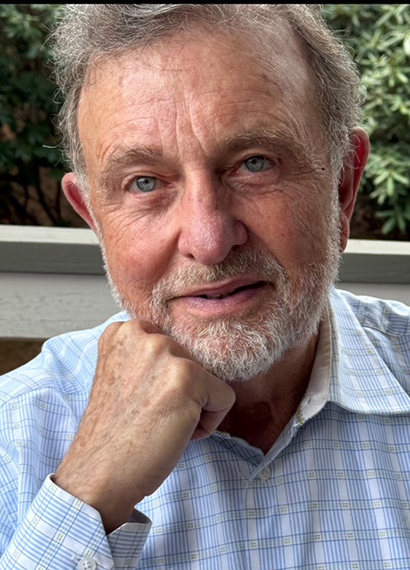
His work puts him right at the intersection of science, elderly patient care, public health, and policy reform. As a hearing health advocate, author, and business Founder, plus a retired CEO of Now Hear This® Hearing Aids & Audiology in Raleigh, North Carolina, Dr. Keefer has spent years really listening closely to people who had trouble hearing, and to families who faced trouble when trying to help loved ones.
Now, through his book and ongoing advocacy, he wants America to listen back.
A Life Shaped by Science, Family, and Curiosity
Dr. Keefer’s journey started way before hearing aids, Medicare reform, and national advocacy became the main thing he focused on. He was the only child for six years and, yeah, he switched schools three times by the time he reached sixth grade. During those earlier years, he grew really attached to his mother, who was a teacher and helped light up his curiosity about science.
He remembers her nudging him into questions about the natural world, even when it was something simple yet deep like “how life started for butterflies”. That childhood curiosity later grew into a path in science, disease prevention, and healthcare, all connected together.
His father also played a role in where his life went, and that sounds obvious but it mattered. As CEO of the hospital in their small Nebraska hometown, his father gave Dr. Keefer an early perspective on healthcare, both as a profession and as a kind of ongoing community duty. During college, Dr. Keefer focused on the sciences and started leaning toward medical school. Later he earned his PhD in Biochemistry at the University of Nebraska Medical School, and there he grew really absorbed in the root reasons behind disease.
That curiosity guided a lot of his work. After medical school , he did postdoctoral research at Ohio State Medical School, looking into why cancers become stubborn against anti-cancer therapies, and why that resistance keeps showing up. He also took additional postdoctoral training in clinical laboratory medicine, so he could better understand how common health problems in America can be recognized and treated.
At every stage, Dr. Keefer seemed pulled toward treatment, but also prevention. He kept wanting to see what causes health to fade, which systems leave patients struggling, and what could be done before a crisis shows up.
From Medical Devices to a Hearing Healthcare Mission
Dr. Keefer’s path into hearing healthcare didn’t really start the way you would expect. It turned into something else, professionally speaking. He ended up as a consultant, working with European medical device companies, helping them introduce their products into the United States. One of those clients had developed a device that German audiologists used to fine tune hearing aids. Dr. Keefer was brought in to help bring that know-how into the American hearing healthcare market.
But once he started looking around changed how he thought about the whole field of hearing healthcare.
He began to understand that many hearing healthcare providers in the United States were not doing everything they could to make hearing aids really work for their patients. The way things were done in Germany compared to what he saw in parts of the American market troubled him. Instead of staying in the consultant role, he decided to build a better option.
So he founded Now Hear This® Hearing Aids & Audiology in Raleigh, North Carolina, with a mission to serve patients using the highest level of hearing care, and to deliver excellent hearing aid performance.
Through that clinic, Dr. Keefer and his team served more than 3,000 patients before he became an author. Those people became more than customers, or case studies. They became the basis for his book, in a way.
He watched folks avoid hearing aids because they thought they heard “well enough” and weren’t worth the money. He also saw others assume that if they could catch most sounds, they were fine. He kept noticing how people would downplay the value of the subtle nuances in human speech. And then there was the advertising angle , where some placed their confidence in messages that implied over-the-counter hearing aids could match fully adjustable, medical-grade devices.
Most of all, he saw people postpone care, frequently for years, while their isolation quietly deepened.
For Dr. Keefer, that long delay became one of the most painful tragedies of modern aging.
The Moment Hearing Loss Became a Public Health Crisis
Dr. Keefer points to 2011 as one of the defining moments in how he understands hearing loss. It was that year when Dr. Frank Lin from Johns Hopkins University published key research tying hearing loss to a higher risk of dementia. For Dr. Keefer, the work basically matched what he had been noticing in real life: hearing loss was not just some minor annoyance. It was a real public health issue.
From there he started joining up the dots between hearing loss, thinking abilities, social participation, falls with broken bones, emotional well-being, strain inside families, and, yes, even national healthcare costs. In his opinion this is not only about single patients. It spreads across millions of families and places a very large financial burden on the healthcare system.
His book says that over 40 million American families are affected by hearing loss and Alzheimer’s, and that the costs to American taxpayers are already pretty staggering, with the risk of going up a lot in the coming years. To him, this makes hearing healthcare reform not only a clinical concern, but also a national economic and moral matter.
Dr. Keefer’s message is straightforward, but time sensitive: America cannot afford to treat hearing loss like an afterthought, anymore.
A Book Written for Families, Congress, and Everyone Over 50
Hear Better, Live Longer was written with more than one group in mind, not just one lane. Dr. Keefer says he wrote it for members of Congress, and also for everyone past the age of 50. He made it for households, caregivers, adult children, aging parents, and for any person who has realized, in a quiet but steady way, that their hearing is not as clear as it used to.
The book plays a mixed role. It reads like a public health nudge, a consumer how-to, an advocacy instrument, and also a personal calling. It walks through why many folks postpone hearing care, why some hearing aids do not perform the way users hope, why correct “fitting” matters more than people expect, and why Medicare reform is required in order to broaden access to high-quality hearing healthcare services.
Right in the middle of all this is Dr. Keefer’s conviction that well-performing hearing aids can vastly lower the risk of Alzheimer’s and other major health issues that are connected to poorly treated hearing loss. He stresses that medical-grade hearing aids, when they are chosen carefully, fitted properly, adjusted, and supported through Best Practices, can truly change…and even save…a life.
He also warns that hearing aids are not automatically effective just because they cost a lot. If the fit is off, if testing is thin or not done enough, and if there is no ongoing follow-up, plus missing professional Best Practices, then patients can feel let down even after paying out thousands of dollars.
One of the book’s biggest strengths is how it pushes Real Ear Measurements, a method that checks whether hearing aids are actually delivering the level of amplification a person needs. For Dr. Keefer, proper fitting is not something you can skip. It sits right at the center of real, successful hearing treatment.
He pushes readers to ask more questions, pick providers with care using the convenient Guide in the book, understand how over-the-counter devices differ from medical-grade hearing aids, and speak up for stronger standards across the industry.
A Review of Hear Better, Live Longer
As a book, Hear Better, Live Longer works because it touches something that feels both deeply personal and also nationally important. Dr. Keefer writes with the steady credibility of a scientist, the lived perspective of a healthcare entrepreneur, and the urgent push of an advocate who truly believes time is fast running out.
The book’s biggest plus is how clear its mission stays the course. It doesn’t frame hearing loss as only a small medical issue. Instead it treats hearing care as part of a wider dialogue about Alzheimer’s prevention, growing older with dignity, emotional wellness, Medicare policy, and the threads that hold families together.
If you’re already worried about hearing loss, the book gives you usable steps and guidance. If you’re still hesitant, it lays out a firm case for acting earlier. For caregivers, there’s helpful wording and a better way to look at things. And for policymakers, it positions hearing healthcare as a national must.
Dr. Keefer speaks in a direct way and sometimes it feels urgent, but that urgency comes from years of watching folks wait too long for help until the fallout gets more difficult to undo. His message to people who think their hearing loss is “not bad enough yet” is gentle in tone, yet also steady: get a test, follow up with a professional, and make choices grounded in evidence, not in pride or denial.
One of the most memorable parts of his message is about connection. He brings up the wisdom often linked to Helen Keller, that when you can not see, you lose reach to the world. And when when you can not hear, you lose reach to people. That contrast really holds the emotional core of the book.
Hearing loss can lead people to pull back. A once out-going person might start sitting alone. Small talk turns tiring fast. Family gatherings can become irritating. Spouses get tired of repeating themselves, and adult children start to worry. After a while, the person with hearing loss can lose confidence and then lose connection. They then lose independence and vastly increase their risk of Alzheimer’s and catastrophic falls with broken bones..
Dr. Keefer’s book asks readers to see hearing care as a path back to life.
Medicare Reform and the Fight for Access
A big chunk of Dr. Keefer’s advocacy is Medicare reform. He thinks Medicare should help pay for hearing aids as long as providers prove that they follow strong, evidence-based Best Practices when they are fitting and adjusting them. Without reform, he says millions of Americans may keep going without the care they actually need.
His argument is both personal and financial. He believes stronger hearing coverage could support families, seniors, and taxpayers by reducing some of the later, downstream costs tied to cognitive decline, falls, depression, and social isolation. He also asks ordinary people to reach out to members of Congress and use what is laid out in his book to push for these changes.
For Dr. Keefer, this is not just about making hearing aids cheaper. It is about making them work well, properly fitted, and within reach through a system that treats hearing health as necessary for aging well.
The Patient Who Helped Shape the Mission
One of the experiences that really shaped Dr. Keefer’s mission involved a patient who was a respected college professor. His clinic did a hearing exam and prepared an audiogram, then it advised the professor about the advantages of at least giving hearing aids a try. The professor denied every single effort, no matter how it was offered.
That experience stayed in Dr. Keefer’s mind, it would not let go.
To him it highlighted that painful distance between help that exists and the human unwillingness to receive it. It also illustrated that learning, education, and even well-known accomplishments do not always shield people from refusal to use proven methods of treating hearing loss. And it served as a reminder that hearing care depends on more than technology. It takes trust, steady persistence, genuine compassion, and family support working together.
When Dr. Keefer talks to adult children who are helping aging parents, his guidance comes from that same feeling: follow the recommendations, encourage them, and care for them no matter what choice they make.
A Mission That Comes From Within
When people ask what keeps him motivated, Dr. Keefer’s reply is plain: “When I have a mission, the motivation comes from within.”
That mission now stretches past the clinic. He wants readers to learn on their own about the dangers in today’s hearing healthcare system, reach out to their members of Congress, and help build momentum for Medicare reform. He wants those who stopped using their hearing aids to go back and find providers who proven to operate Best Practices and to feel, and experience, the difference that a proper fitting and steady use can bring.
He also wants everyone to grasp that hearing health is not something to postpone until a crisis arrives.
At this stage in his career, Dr. Keefer sees his current work as the most meaningful chapter. And yes, he still thinks it matters deeply. Through his book, his policy advocacy, and his public education efforts, he believes he has a chance to influence both individual lives and national policy. He hopes that years from now people will recall him as an advocate for Alzheimer’s prevention, and also for successful hearing healthcare reform.
A Story Worth Featuring
Dr. Robert C. Keefer’s story belongs in America Inspire Mag, because it reflects the kind of work that goes beyond personal achievement. His path seems to bring together science, healthcare, business building, public education, and even advocacy, in a way that feels practical. The book is not only a publication. It is really a call to action for families, seniors, caregivers, care providers, and lawmakers.
He is asking America to treat hearing loss seriously now, before it turns into something more devastating later. He is asking readers to guard their minds, keep their independence intact, and remain in touch with the people they care about. He is also asking policymakers to recognize that hearing healthcare is not a luxury. It belongs in healthy aging, plainly.
In Hear Better, Live Longer, Dr. Keefer gives a clear route for what to do next. He encourages people to get tested, ask smarter questions, choose high quality providers deliberately, learn how hearing aid choices differ, and join the effort pushing for Medicare reform.
Above all, he reminds readers that hearing is not just about sound, it is also about connection, y’know, the whole link. And for Dr. Keefer, connection may be one of the most powerful forms of prevention we have, really.
Links
Author Website: https://www.hearbetterlivelonger.com/
Book Link: https://a.co/d/05JqmR63
LinkedIn: https://www.linkedin.com/in/drrobertkeefer/
Author Interview: https://www.youtube.com/watch?v=GD2pUyU7wVo