Efforts to bring back calm along the Israel-Lebanon border took a hard hit this week, after Hezbollah rejected a renewed ceasefire agreement that was negotiated between the Israeli and Lebanese governments with U. S. mediation. This turn of events has raised worries that there could be more escalation, in a region that is already strained by months of conflict, displacement, and climbing geopolitical pressures.
The ceasefire proposal aimed to stop the fighting by asking Hezbollah to pause attacks, and to pull its forces from areas south of the Litani River, while also widening the Lebanese Armed Forces role in handling security inside set zones. Officials from both sides signaled backing for the deal, seeing it as a possible road, toward a wider stabilization push.
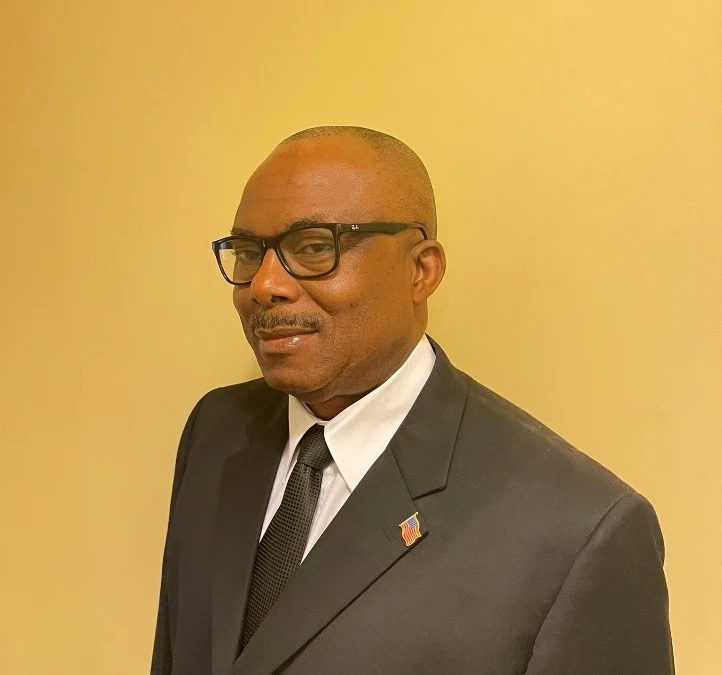
However, Hezbollah leader Naim Qassem sharply criticized the agreement, calling the terms unacceptable, and pushing that any meaningful ceasefire really must contain a complete Israeli withdrawal from Lebanese territory. He said that pulling back Hezbollah fighters under the current situation would mean surrender, and he vowed resistance would carry on as long as Israeli forces stay in occupied areas.
This rejection shows a main trouble point that has kept diplomatic efforts tangled across the conflict: Hezbollah was not a formal player in the talks, even while it was one of the principal actors in the fighting. While the governments of Israel and Lebanon reached agreement on the framework, the ceasefire’s outcome still hinged on Hezbollah being willing to adhere to it.
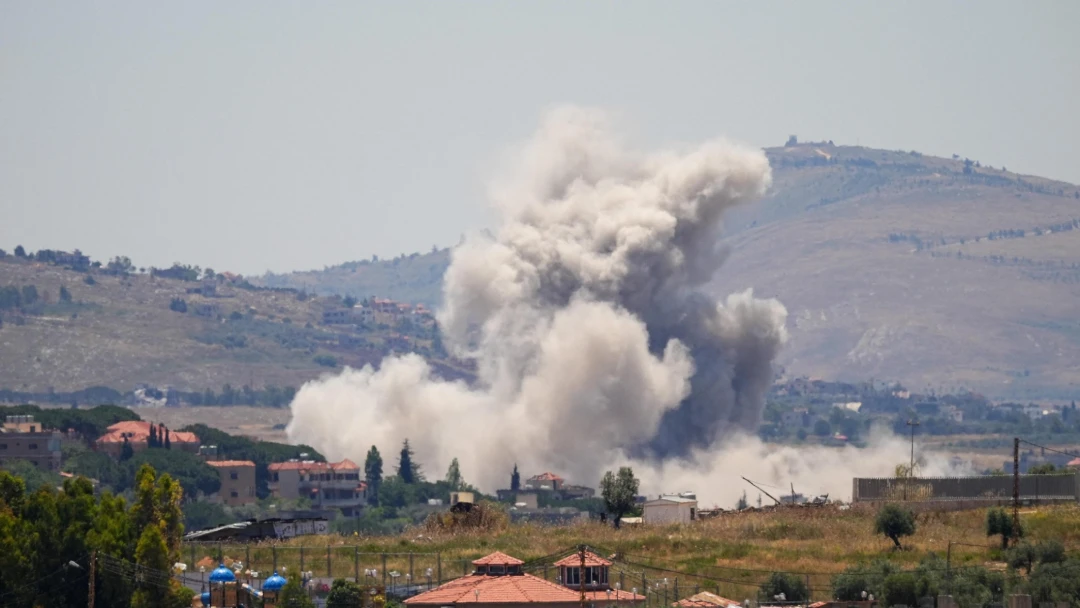
Violence keeps going even after the announcement. Israeli military operations in southern Lebanon have stayed in place, with Israeli officials saying security concerns need continued action aimed at Hezbollah positions. Meanwhile Hezbollah has kept up attacks on Israeli targets, and that is fueling worries that the ceasefire might not hold long enough to actually take full effect
Humanitarian fallout is still brutal. More than a million people have reportedly been forced to move during this conflict, and injuries and deaths continue to rise on both sides of the border. The wider instability is also weighing on international peacekeeping efforts, with reports that a United Nations peacekeeper was killed while fighting continued nearby.
Regional dynamics are still making things more complicated. Hezbollah’s position sits pretty close to the demands coming out of Iran, Iran that has tied any durable ceasefire in Lebanon to bigger, wider talks touching regional security and the continuing frictions with the United States and Israel. Analysts are cautioning that the Lebanon conflict can no longer be seen in isolation, because it is now interlocked with broader contests for influence across the Middle East, power struggles that keep echoing.
Diplomats keep talking about hope that talks can restart, yet this latest refusal highlights how thin the route to peace really is. Without buy-in from every major party, even ceasefires that are painstakingly negotiated run into heavy barriers when it comes to follow-through.
For now, the renewed ceasefire attempt sits as another reminder, that diplomatic arrangements alone cannot close the conflict unless the groups fighting out there are willing to accept them. Even as military operations go on, and civilians are made to carry the costs, the chance of something durable peace is still unclear.