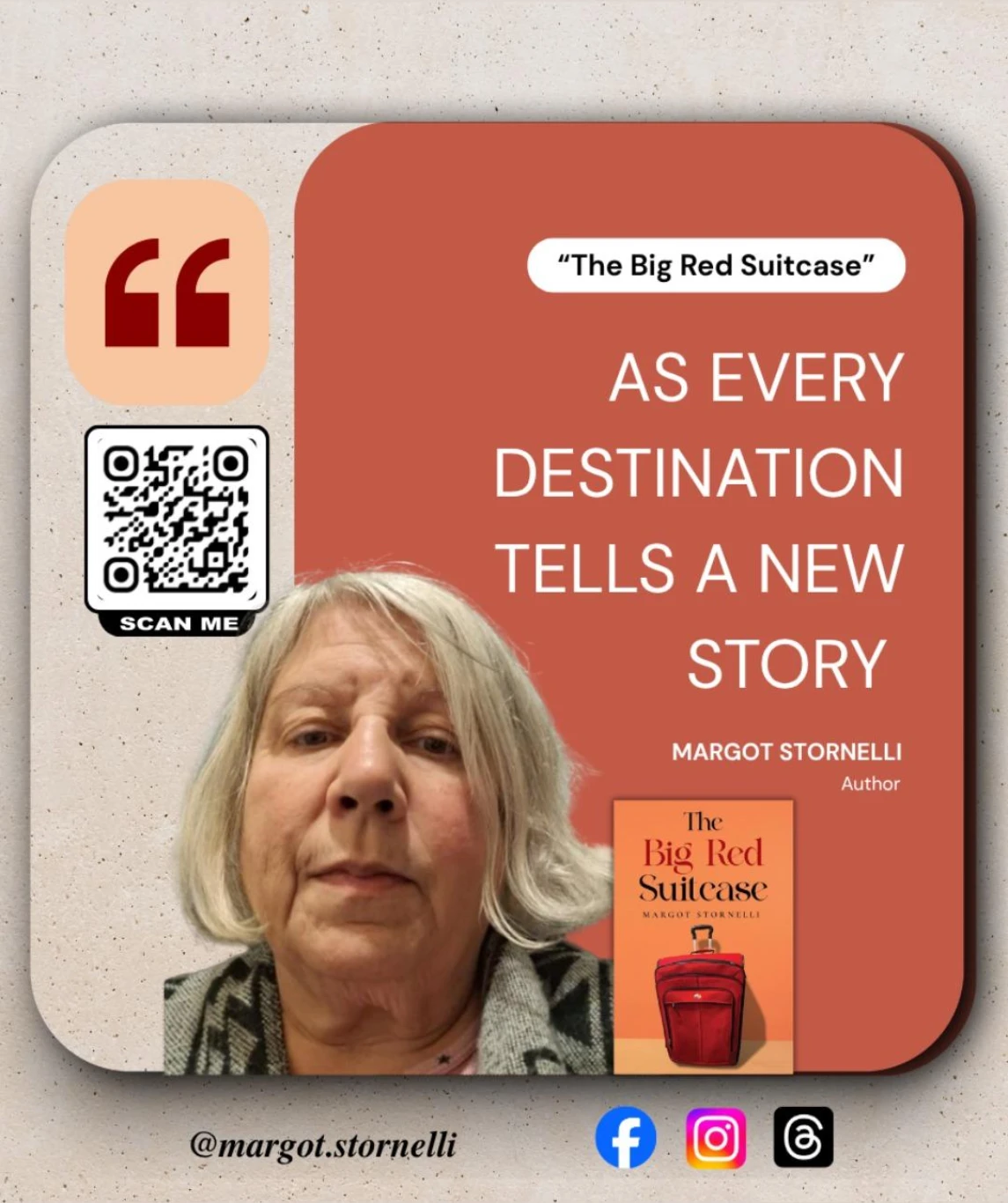
In 1973, Margot Stornelli left home for her senior year abroad carrying a red suitcase and an appetite for discovery. What followed was not simply a year of travel, but the beginning of a life shaped by friendship, immigration, resilience and the realization that sometimes one decision can redirect everything.
In 1973, Margot Stornelli shut her things in a red suitcase and took a plane headed for Europe.
She was a senior in high school, set to spend time away from home. She did not know yet how much the trip would steer her later choices.
Most of that year went by in the Netherlands. She had to learn new rules, figure out daily habits, and make friends. At the same time, she was seeing a side of the world she had never met before.
Something shifted for her there. She grew more able to step past borders. She learned to fit into places that felt strange at first. She started to treat the unknown as a chance, not just a risk.
Years later, another move turned into a key part of her path. She relocated to Canada five years afterward.
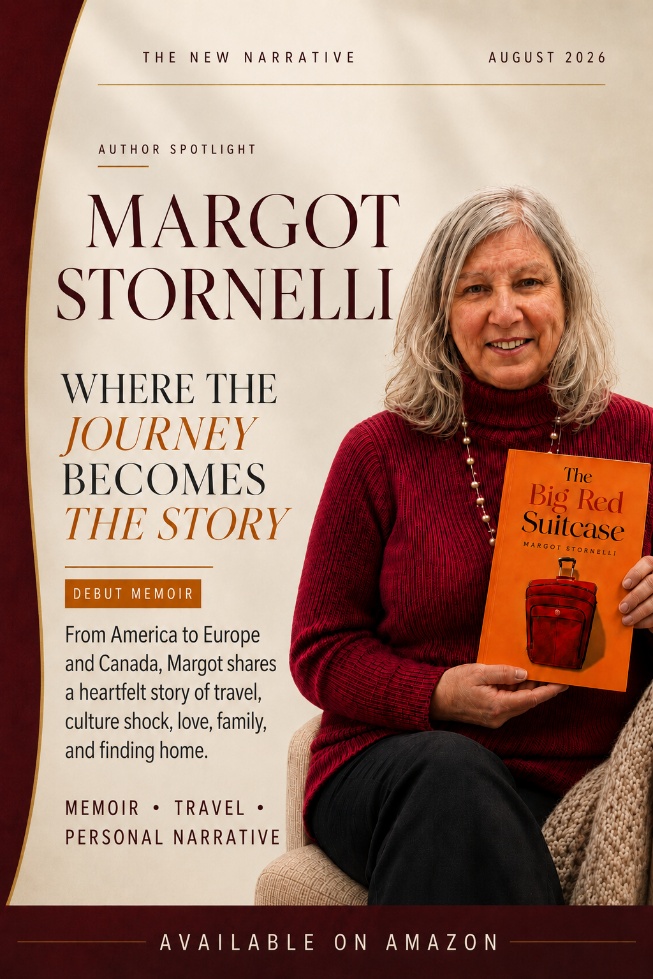
All of these moments shaped The Big Red Suitcase, her memoir on travel and meeting other cultures. It is also about what lasts. It is about the self that forms when you choose to leave what is familiar behind.
The Suitcase That Became a Symbol
The title took a while to find.
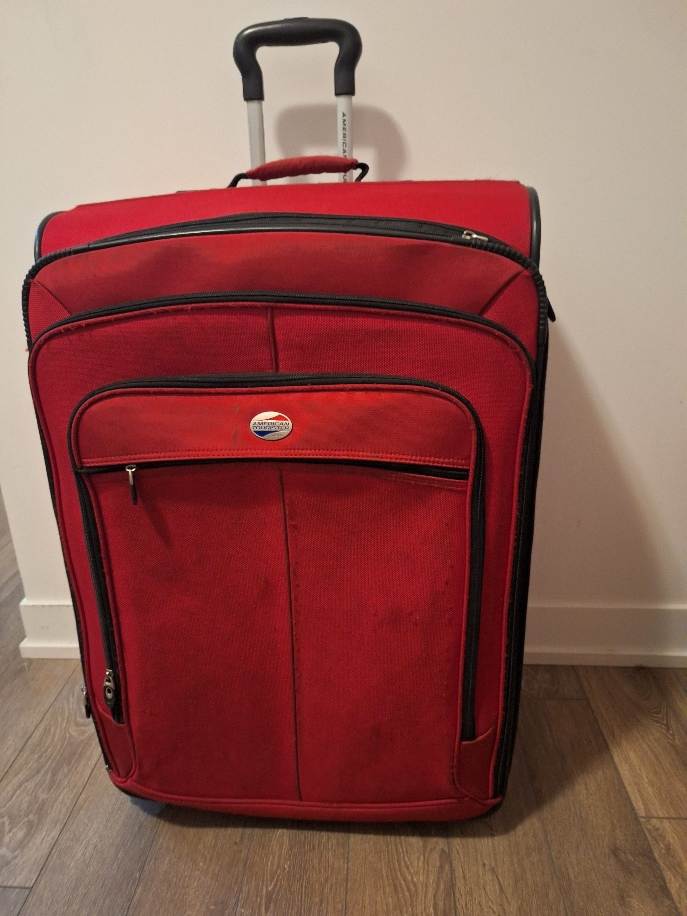
Stornelli thought about a few different options. Then she realized the red suitcase she had brought along on her trips meant more than just luggage.
“The red suitcase stands for my wish to keep traveling, to see new places, and to stay connected with family and friends as life changes,” she said.
That image turned into a way to hold the whole account together. It links events that span countries and span years too.
In her memoir, she brings together multiple storylines. Each one could have been told on its own. There is a student exchange chapter. There is time spent traveling across Europe. There is a love story across a border. There is immigration. There is learning to fit into a new culture. There is also the push to keep family history from fading
All of it points to movement.
Still, the biggest change happens on the inside.
Learning to Begin Again
Moving to Canada took a different sort of nerve than doing a senior year abroad.
Stornelli opted to leave. She was not pushed out by danger or dragged away by events she could not control. She stresses that point.
Even so, the choice to change does not make the hard parts vanish.
“Moving to Canada taught me a lot about getting back up,” she says.
For years, Stornelli stayed a landed immigrant. She kept her American citizenship and passport, too. In the back of her mind, she still pictured going back to the United States one day and staying there for good.
After thirty-seven years in Canada, she finally became a Canadian citizen.
After the 2016 presidential election in the United States, Stornelli says she felt it was time to stop treating Canada as temporary. Now she holds both passports. She calls the dual status a sign of the life she has made across the border.
Her time there also influenced how she views multiculturalism.
“People often describe America as the melting pot,” she says. Then she contrasts it with Canada, which she calls a “mosaic.” To her, it is a place where newcomers can fit into a broader society, yet keep parts of where they came from, including language, traditions, and culture.
That theme of finding a place to belong, without losing yourself, shows up in her memoir.
The Small Things We Carry With Us
Culture can live on in everyday items.
For Stornelli, the Netherlands still feels close because of people she stayed connected to, plus objects, pictures, and meals.
One example is oliebollen. In the Netherlands, these Dutch fried dough treats are usually made for New Year’s. They are small and round, and they do not have the hole you see in an American doughnut. Details like this can move a person back to a different place fast.
Then there is Elly.
Stornelli met her best friend while she was in the Netherlands during her year abroad in 1973. The friendship lasted through distance and many years. Elly came to see Stornelli in Toronto in 1983. Later, in 2013, Stornelli went back to the Netherlands to visit Elly.
That is forty years between the first meeting and the later get together.
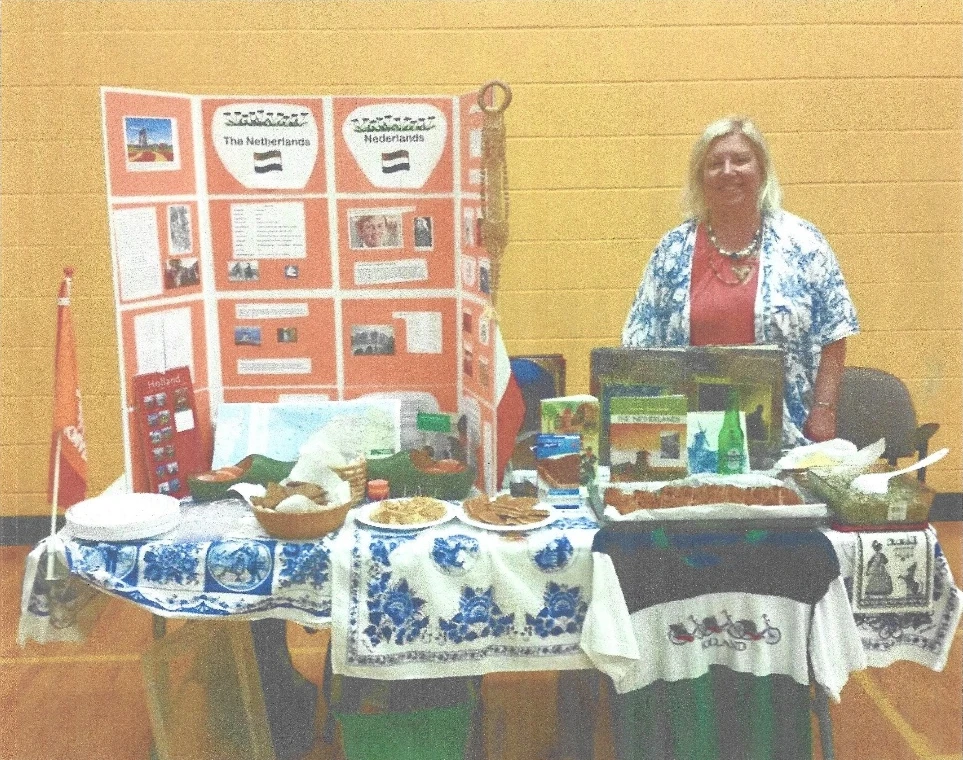
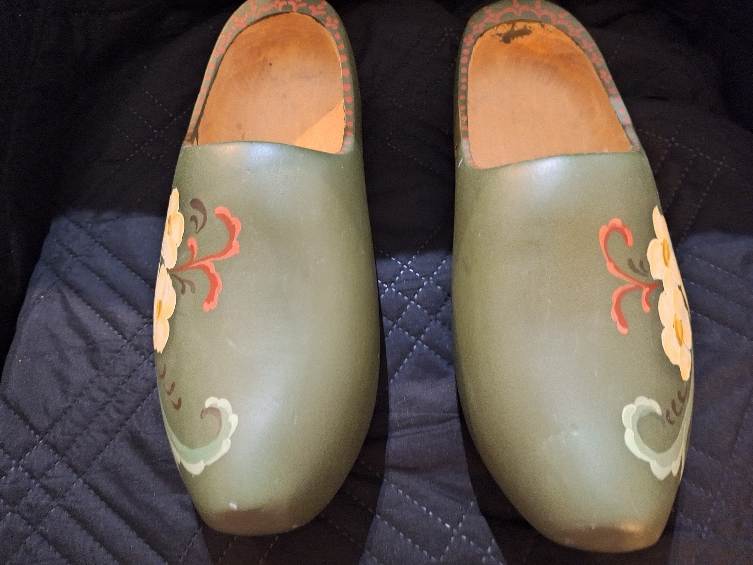
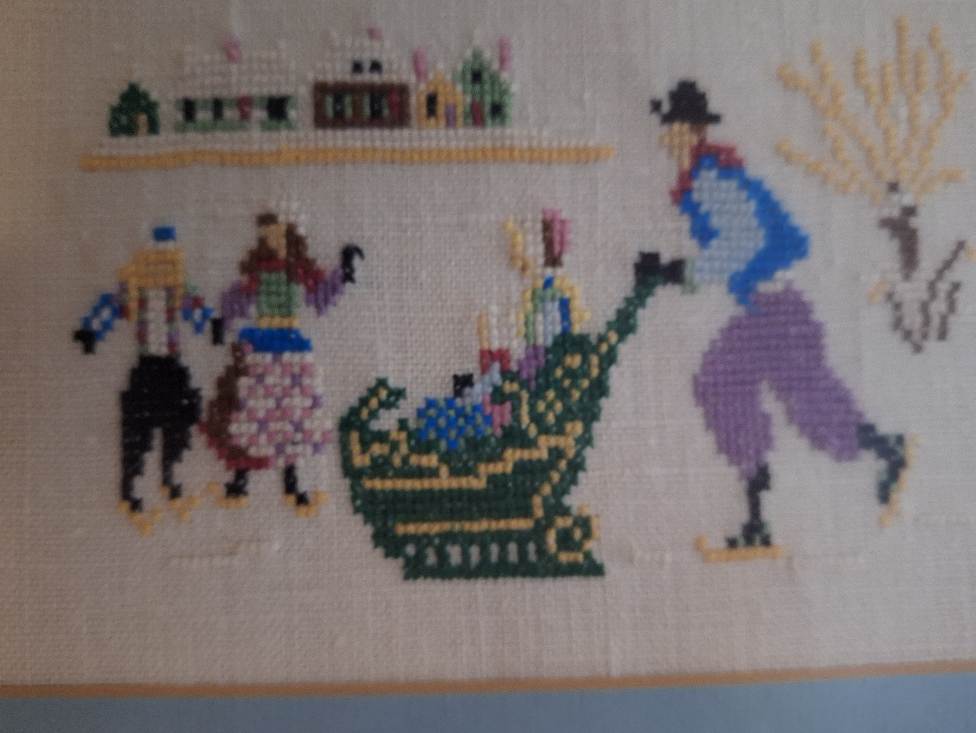
Stornelli also shared Dutch culture with her work group. At the high school where she taught, there was an annual Multicultural Festival. Staff and students were asked to show where they came from using food, small souvenirs, music, and dance. Stornelli made a Dutch setup with items she had gathered over time.
That small table mirrors what The Big Red Suitcase tries to do on the page, holding onto what a person picks up while traveling between cultures.
Review: A Memoir About Becoming
The Big Red Suitcase starts with a trip, but the real focus is change.
Stornelli’s tale should feel familiar to people who like travel memoirs. It may especially connect with women, empty nesters, immigrants, expatriates, and students who are thinking about life overseas. Still, the emotional pull does not stop at travel readers.
The question the book keeps returning to is simple. What comes after you take the risk?
Some travel books list stops and sights. This one looks harder at the aftermath. What do those places do to a person?
The red suitcase becomes a useful symbol. When you pack, you hope the things inside will be enough for a new place. Yet the suitcase cannot hold what you learn on the road. It cannot carry friendships, grit, cultural insight, recollections, or a fresh way of naming home.
This is where the memoir turns more meaningful.
The point is not that everyone should live abroad. The message is that change often begins once certainty runs out.
Writing for the Generations That Follow
Stornelli wrote for a reason that felt close to her.
“When I began, my first aim was simple. I wanted my children and grandchildren to have something that would last,” she says.
She also wanted them to grasp their roots. She wanted them to know where the maternal line began and what that side of the family carried with it.
Over time, those private memories became more than thoughts she kept to herself.
To make the memoir, Stornelli had to collect photos, old notes, and stories she had heard or saved through many years. She was not only looking back at her own life. She was putting together a record that other relatives could hold, even if they had never lived through those same moments.
“This is your heritage,” she says. “This is where your maternal side came from.”
For Stornelli, legacy is not just a big idea. It is proof that can be kept, shared, and passed on.
Still Carrying the Suitcase
At 70, Stornelli does not talk like adventure is only for people fresh out of youth. The same itch for discovery that pushed her across the Atlantic back in 1973 still shows up in how she lives now.
She keeps talking about The Big Red Suitcase at interviews, at book signings, and at events abroad. In a way, what started as her private notes has turned into a shared conversation with readers who are not part of her family.
Her message stays plain.
“Don’t be afraid,” she says. “If you want to go on an adventure and you can figure out how to do it, do it.”
When you look at the red suitcase now, it is not only about travel miles. It points to the nerve to step away from what is known, even when you cannot see the next part clearly. It also points to friendships that last through years and time zones. It brings up a family thread that moved from one country to another. And it shows the grit it takes to make a home more than once.
Above all, it holds what Stornelli wanted for her kids and grandkids.
One school year overseas turned into a whole life shaped by Europe, the United States, and Canada. The young woman who left with a suitcase became an immigrant. Later she became a dual citizen. Then she became a mother, a grandmother, and an author who keeps the details that shaped her.
That is the kind of meaning The Big Red Suitcase keeps.
It is more than a story about where she has been. It is also a reminder that life can shift when you are willing to land in a place you do not know. It is about meeting people you did not expect. It is about staying open to another culture. It is about starting over when the future stops looking like the plan you had.
Discovery does not have an age limit. Becoming does not end at one finish line.
Sometimes one choice really does flip everything.
And sometimes the best thing you bring back is not what was in your bag. It is who you turned into while you were on the move.
Read The Big Red Suitcase
Margot Stornelli’s The Big Red Suitcase is available on Amazon: https://www.amazon.com/Big-Red-Suitcase-Margot-Stornelli/dp/B0GJJ951YB/ref