Some children’s books entertain. Others teach lessons, wrapped in bright illustrations and playful rhymes. But every so often, a writer shows up whose tales do something more lasting, they become companions for children trying to handle feelings they have not yet learned to label.
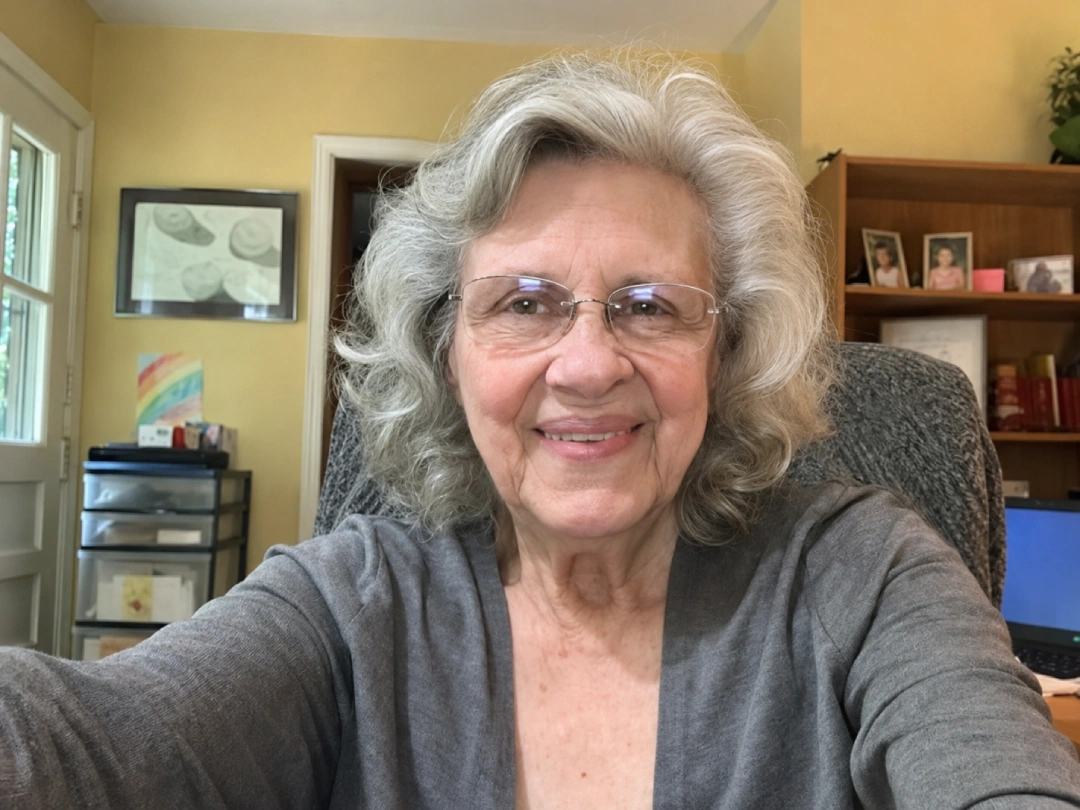
Ann Marie Hannon belongs to that rare group.
Long before she became an award-winning children’s author, Hannon spent years helping people find clarity through a different profession altogether. As a certified mediator, she listened to conflict not just for a fix, but for the emotions tucked under disagreement, and what people could not quite say out loud. Now those same listening skills have found a surprising second life. Not inside courtrooms or meeting rooms, but within children’s book pages where fear, uncertainty, courage, and hope slowly show up, one story at a time.
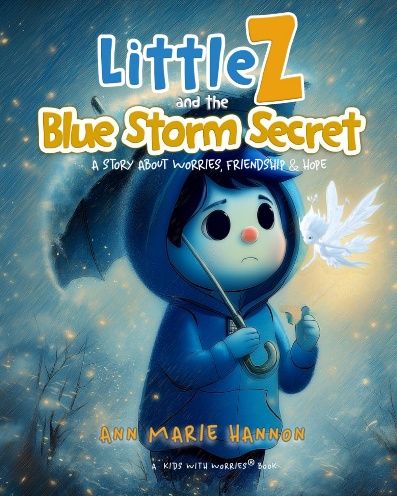
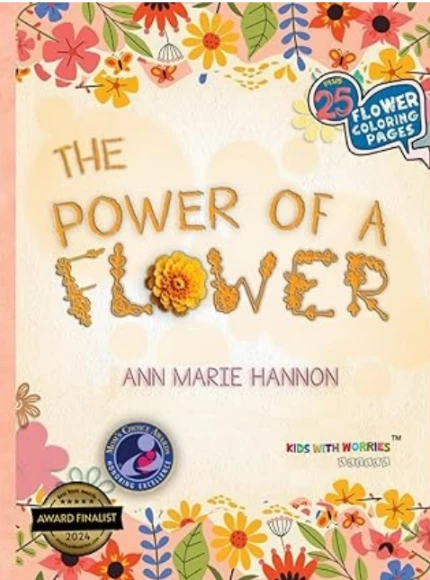
Her growing collection of books, including The First Day of School (Second Edition), Little Z and the Blue Storm Secret, The Power of a Flower, Little Puppy’s Great Adventure, A Going Home Surprise, and the beloved Kids with Worries series does not really try to wipe out childhood fears. Rather, it slowly shows young readers that fear, is part of becoming someone older.
That way of thinking has made Hannon one of today’s more thoughtful independent voices in children’s literature, and it feels steady.
Readers can explore her complete collection of children’s stories, resources, and latest updates through her primary website:
Official Website: https://bestbedtimestorybooks.us
A Childhood Filled with Libraries, Poetry, and Quiet Wonder
Every author has an origin story, right. For Ann Marie Hannon, it did not really start with publication or with some big literary ambition.
It began with books.
Growing up, reading became less of a pastime than a way of interpreting the world. She remembers walking for miles to her local library just to borrow as many children’s books as they allowed, and then spending those afternoons, well happily, inside classics, mysteries, science fiction, and adventure stories. While other kids were always rushing outside, Hannon could often be found entirely absorbed in another world made through words. Even family members, now and then, had to encourage her to step away from her latest novel, long enough to join neighborhood friends outside.
Those first experiences, in a quiet way, set up the foundation for everything that came after. And unlike many writers who discover storytelling later, Hannon talks about writing as something that slowly became inseparable from who she is. Poetry arrived first.
It offered a language for feelings that everyday conversation sometimes just can’t express, not fully.
That lifelong bond with poetry would in time mold the musical rhythm the mellow pacing and the true emotional honesty now visible throughout her children’s books.
The Woman Behind the Writer
What distinguishes Hannon’s work is not simply literary craftsmanship. It is compassion. Before becoming a published author, she devoted years to serving as a certified mediator: a profession centered upon listening rather than speaking. Mediation taught her that behind nearly every disagreement lies an emotion waiting to be understood. Children, she believes, deserve the very same respect.
Adults often rush to solve problems before truly understanding what a child is experiencing. Hannon instead builds stories around emotional discovery, allowing young readers to recognize their own feelings before attempting to overcome them.
That perspective quietly separates her books from much of today’s children’s publishing.
Rather than presenting perfect heroes who effortlessly conquer every obstacle, Hannon creates children who worry, hesitate, question themselves, and slowly discover confidence through kindness, friendship, conversation, and patience. The lessons emerge naturally because they belong to the characters; not because they have been imposed upon them.
A Mother’s Legacy Lives Inside Every Page
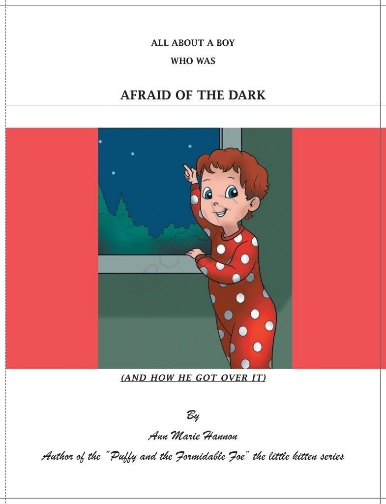
Perhaps no influence appears more consistently throughout Hannon’s work than that of her mother. Poetry was a shared language between them. Her mother believed words could comfort, inspire, and remain with readers long after the final line had been read. Those beliefs shaped not only Hannon’s writing style but also her understanding of literature’s deeper purpose. Their collaboration eventually became Puffy and the Formidable Foe, a project born from a poem written by her mother for Hannon’s young children.
Rather than allowing those verses to remain a treasured family memory, Hannon edited and expanded them into a published children’s book, preserving both a literary work and a family legacy. The result earned the prestigious Mom’s Choice Awards® Seal of Excellence: an honor recognizing outstanding family-friendly media. Yet awards seem almost secondary.
Reading Hannon’s reflections, one senses that preserving her mother’s voice mattered far more than collecting accolades. Every subsequent book, she explains, continues carrying a small piece of that encouragement forward.
Review: The First Day of School (Second Edition)
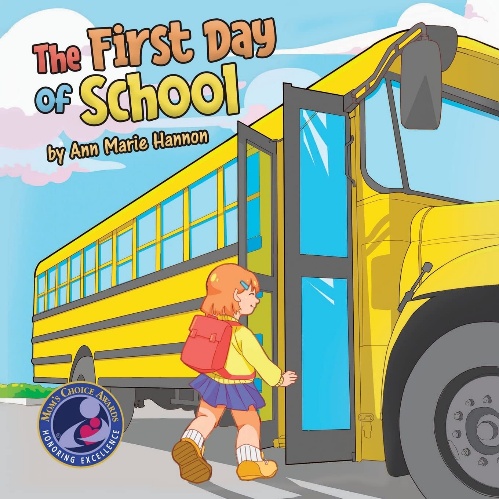
Among Hannon’s growing catalogue, The First Day of School (Second Edition) may be her most emotionally universal work. The premise appears deceptively simple.
A young girl named Lila prepares for her first day of kindergarten. But beneath that familiar milestone lies something much larger. The book is not truly about school. It is about transition. Every child eventually encounters moments when the familiar disappears and uncertainty takes its place. New classrooms. New friendships. New expectations.
Hannon recognizes these moments not as inconveniences, but as defining emotional experiences deserving genuine attention. Rather than minimizing childhood fears, she validates them. That may be the book’s greatest achievement. Lila worries whether classmates will like her. She wonders whether teachers will be kind. She questions whether she belongs.
None of these concerns are dismissed.
Instead, readers watch her gradually transform anxiety into confidence; not because someone tells her everything will be fine, but because experience itself becomes reassuring. One particularly memorable insight comes when Lila reflects that she turned being “sad” into feeling “excited.” The sentence is wonderfully uncomplicated. Yet beneath those few words lies an important emotional truth. Children are capable of reframing their own experiences when given understanding, encouragement, and space to grow. Rather than portraying courage as fearlessness, Hannon presents it as movement despite uncertainty. That distinction feels refreshingly honest. The accompanying interactive discussion questions included throughout the book further elevates its value. Parents are invited to ask children how Lila might be feeling or whether they have experienced similar emotions themselves.
These conversations transform reading from passive entertainment into meaningful family dialogue.
In an era increasingly focused on children’s mental health, emotional resilience, and social development, The First Day of School (Second Edition) arrives not as a lecture but as a reassuring friend. It reminds children that bravery rarely appears all at once. Sometimes, it begins simply by walking through the classroom door.
Stories That Listen Before They Teach
Reading Ann Marie Hannon’s work, one quickly realizes she is less interested in instructing children than understanding them. Her stories never assume adults possess every answer. Instead, they invite conversation. That philosophy likely explains why her books resonate not only with young readers but equally with parents, grandparents, teachers, and librarians.
For Hannon, storytelling has never been merely about books. It has always been about relationships. And perhaps that is the quiet achievement behind everything she writes. Children leave her stories feeling seen. Adults leave them reminded to listen.
When Childhood Worries Become Stories of Hope
If The First Day of School (Second Edition) demonstrates Ann Marie Hannon’s ability to transform one childhood milestone into a reassuring literary experience, her broader body of work reveals an even more ambitious mission: helping children understand that fear is not something to hide from, but something they can learn to navigate.
That philosophy has become the heartbeat of her acclaimed Kids with Worries series.
Unlike many children’s collections built around fantasy or adventure alone, Hannon’s books begin with emotions children experience every day. Whether the fear is thunder, starting school, making friends, caring for a pet, or simply facing something unfamiliar, each story acknowledges a simple but powerful truth: children often believe they are the only ones who feel afraid.
Hannon wanted to change that.
The series grew from her observation that worries can feel enormous through a child’s eyes, even when adults view them as ordinary experiences. Rather than dismissing those feelings, she sought to reassure children that fear is universal, temporary, and something that can gradually be replaced with confidence. Her books are not designed to eliminate anxiety. Instead, they normalize it. That distinction makes all the difference.
The Quiet Strength of Emotional Storytelling
Children’s literature has long been singing about imagination, in a pretty familiar way. Still, few modern independent authors really place the same amount of focus on emotional literacy as Hannon does. Across her books courage is usually not framed as loud dramatic heroism, you know, the big moment kind of thing. Rather, it shows up in quieter places.
Like a child asking for help, no fanfare.
Like a new student introducing herself to the group, with careful words.
Like a frightened youngster deciding to step outside anyway even when thunder rolls.
Like a child choosing responsibility, to care for a beloved pet that depends on them.
Each one points toward growth measured not by spectacular triumphs, but through daily practices of resilience, the steady kind. That approach keeps returning throughout Hannon’s bibliography.
Little Z and the Blue Storm Secret explore kindness when the circumstances feel frightening.
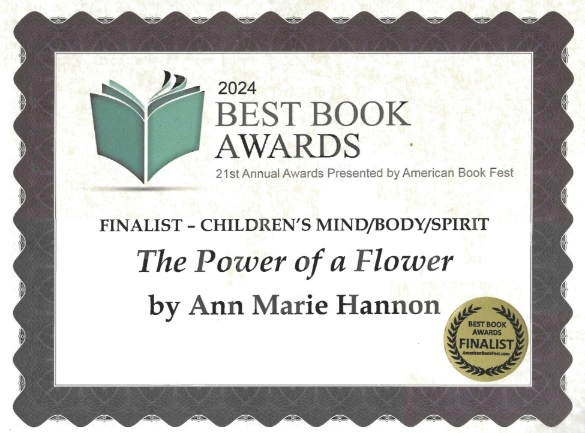
The Power of a Flower celebrates friendship along with emotional growth.
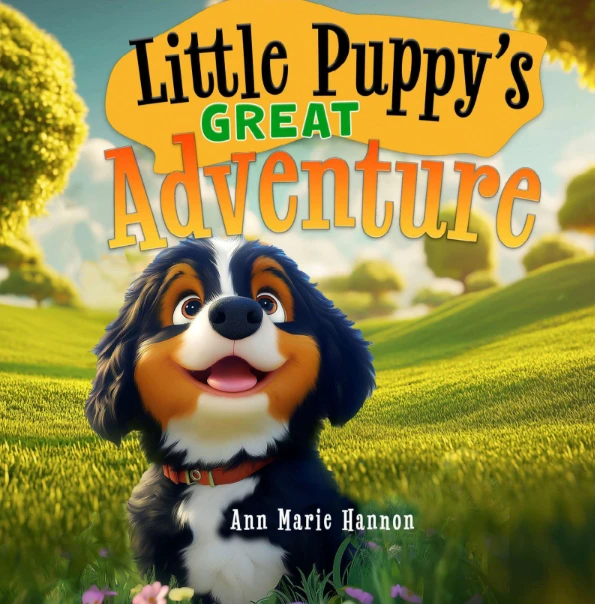
Little Puppy’s Great Adventure puts honesty and responsibility front and center.
A Going Home Surprise teaches compassion through caring for animals.
Together they make something bigger than each separate story, they almost turn into a curriculum of empathy but it never quite looks like a lesson plan. Maybe this balance is why Hannon keeps insisting the story always has to come first. She thinks children notice right away when adults are trying to instruct them instead of welcoming them into their imagination. What is “taught” should rise naturally out of the characters’ experiences, not from speeches or lectures.
It shows a real confidence, not only in children as readers but also in storytelling as a process.
Recognition That Extends Beyond Awards
Independent publishing often takes an unreasonable amount of stubborn endurance.
To make it work, authors have to step into several roles at once, editing, marketing, promotion, entrepreneurship, and still keep the creative spark alive while dealing with the actual task of getting books in front of readers.
Ann Marie Hannon really understands that, in a very lived way.
She speaks about publishing as a journey that keeps asking for continual learning, patience, and grit. The story writing is only the first act. After that, editing, illustration, production, promotion, and distribution each call for the same level of commitment, especially when independent authors want to protect the integrity of what they made.
And yes, recognition has come.
Multiple books by Hannon have earned the Mom’s Choice Awards® Seal of Excellence, while others have been recognized as exceptional family friendly media. Still, when she talks about these wins, Hannon repeatedly shifts the focus off prizes and back toward families.
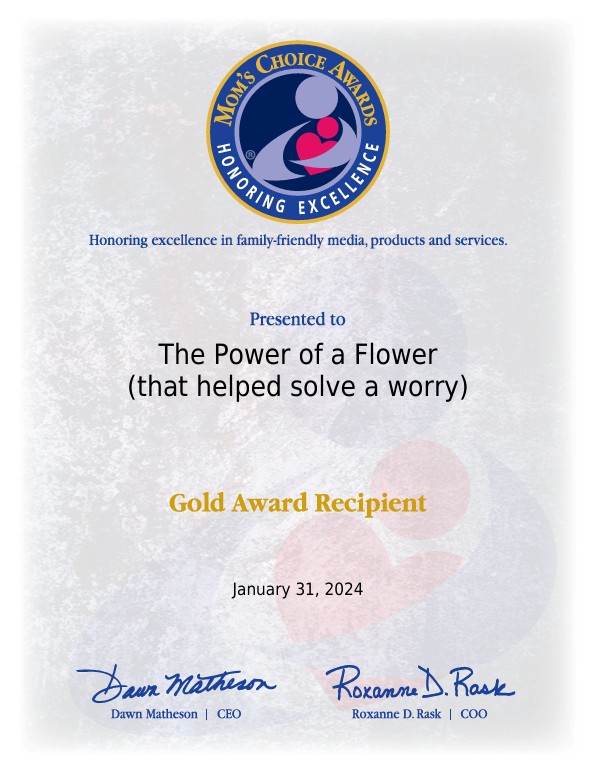
The best kind of validation, she explains, comes from hearing that a child found comfort in one of her stories, or that a teacher recommended a book for school libraries, or that parents uncovered meaningful conversations through reading together
Those reactions more than formal recognition, reflect the readers she has always aimed for.
Beyond Books: A Vision That Continues to Grow
Hannon’s imagination is no longer stuck in printed pages.
Right now, she is working on a screenplay adaptation of Little Puppy’s Great Adventure, while also looking at other tales that honor imagination, emotional resilience, family, and friendship. She once imagined an animated series called Dear Grandma Annie, and in her mind, it would bring storytelling, music, humor, and intergenerational wisdom to younger audiences.
These efforts feel like a natural outward stretch of her creative outlook, you know not forced or anything. Whether it shows up in books, animation, or film, her purpose stays surprisingly steady: Make stories that help kids laugh, learn, and grow, while also inviting families to share those moments together. It is storytelling guided less by commercial rhythms and more by human connection.
A Literary Assessment
Ann Marie Hannon occupies an increasingly uncommon place in contemporary children’s literature. Her work is neither sensational nor overly sentimental. Instead, it embraces sincerity. She trusts that children deserve emotional honesty. She trusts that parents’ welcome books capable of opening meaningful conversations. She trusts that compassion can be taught – not through instruction, but through characters whose fears resemble our own.
Her prose reflects the influence of poetry, particularly the economy and emotional clarity she admires in Emily Dickinson. Sentences remain simple without becoming simplistic. Rhythmic language supports rather than overwhelms the stories, allowing emotions to remain the true focus. In The First Day of School (Second Edition), that philosophy reaches perhaps its clearest expression.
Rather than presenting childhood as carefree innocence, Hannon acknowledges its uncertainties while quietly reminding readers that confidence often grows one small step at a time. That message resonates long after the final page.
For educators, librarians, grandparents, parents, and anyone seeking thoughtful literature that nurtures emotional intelligence alongside literacy, her books offer something increasingly valuable: reassurance.
A Legacy Measured in Courage
When asked what legacy she hopes to leave, Ann Marie Hannon offers an answer remarkably consistent with everything she writes.
She hopes that somewhere, years from now, a child remembers one of her stories because it helped them believe in themselves, face a fear, show kindness, or simply feel understood during a difficult season of life. She believes books become part of family traditions: shared at bedtime, revisited in classrooms, treasured by grandparents, and remembered long after childhood ends. It is an aspiration rooted not in bestseller lists but in human impact.
In today’s publishing landscape, where attention often favors spectacle over substance, Ann Marie Hannon has quietly chosen another path. She writes for the child sitting nervously before the first day of school. For the young reader frightened by thunder. For the child unsure whether anyone else feels the same worries. And perhaps, for the adult reading beside them, reminding both generations that being heard is often the beginning of healing. That may be the most enduring lesson her books offer. Not that fear disappears. But that kindness, understanding, and hope have always been stronger.
Learn More About Ann Marie Hannon
Primary Website
https://bestbedtimestorybooks.us
About Ann Marie Hannon
https://www.annmariehannon.com/about
Books
https://www.annmariehannon.com/books
Reader Reviews
https://www.annmariehannon.com/reviews
Author Profile
https://www.authorsden.com/visit/viewwork.asp?id=77298
Facebook
https://facebook.com/ann.hannon.737
https://facebook.com/authorAnnMarieHannon
Official Trailer for The First Day of School (Second Edition)
https://www.youtube.com/watch?v=ZrDnBIYeZJQ