
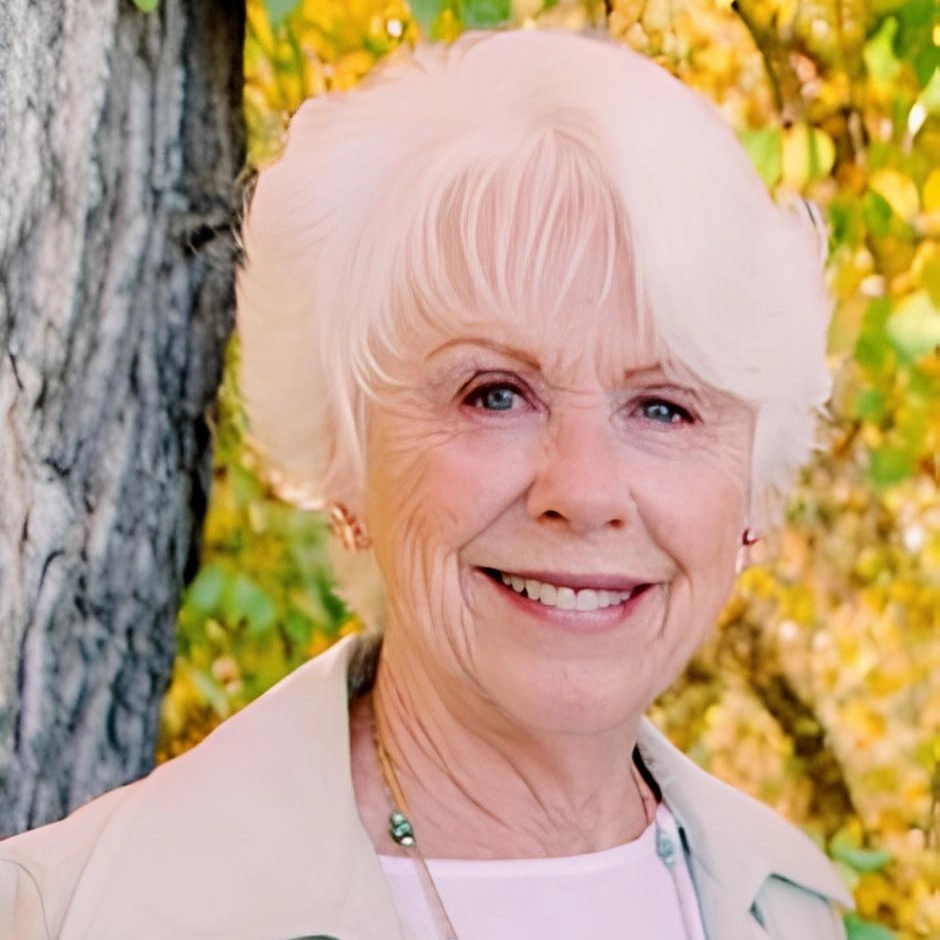
In Finding Grace: Journeys of Grief, Courage and Healing, the educator-turned-author moves beyond her own bereavement to preserve the stories of families confronting the death of a child – and to examine how courage, compassion and grace can coexist with profound sorrow.
Jane Nicolet didn’t plan on spending her whole life writing about grief.
Long before she was an author, editor, writing coach and workshop facilitator, she was an Illinois girl raised in a rural Midwestern town near the Mississippi River. Her childhood, as she remembers it, was shaped by simple but lasting things like sweet corn, fresh tomatoes, church music, the slow movement of the river and parents who were hardworking, gentle and strong-willed.
They also taught her something that later turned out to matter more than she expected: finish what you start.
And that lesson got tested in ways she could never have predicted.
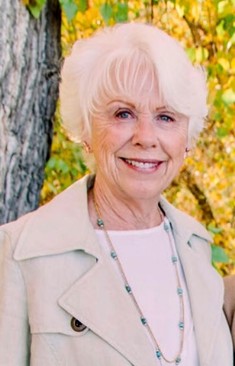
As an adult, Nicolet built a full life as a wife, mother of two and professional educator. Then her son, Matthew, died unexpectedly. About three years after that, her husband, Matthew’s stepfather, left their marriage.
What came next, she has said, were “difficult and dark years.”
Out of that darkness eventually emerged not a simple story of getting better, but a body of work devoted to one of the most complicated questions of human life: How do people continue living when something they deeply love has disappeared?
Nicolet’s second book, Finding Grace: Journeys of Grief, Courage and Healing, approaches that question through the experiences of bereaved parents. Instead of setting grief up as something to defeat or leave behind, Nicolet gives it space to remain complicated, personal and alive. Alongside it, she keeps searching for grace: in kindness, compassion, courage, memory and in the people who appear when life becomes nearly unbearable.
It is a book about death, but more importantly, it is a book about what people do afterward.
A Writer Who Never Intended to Become One
There is an irony right at the middle of Nicolet’s career, or maybe it’s more like the whole thing leans on it.
She spent years teaching English and communication, then she instructed university students who were preparing for education careers. She knew, more than most, how hard it can be to craft writing that someone else reads and actually gets, and even starts to appreciate.
Still, she never really wanted to turn into a full-time professional writer herself.
What she wanted was conversation, careful coaching. She liked the idea of helping other people become stronger writers, not stepping forward as the main voice.
And then grief changed the whole arrangement.
“I couldn’t seem to talk about my own grief,” she recalled. “The only way I could see to move through the reality of what Matt’s death meant to me, to find some good in it, was to write about it.”
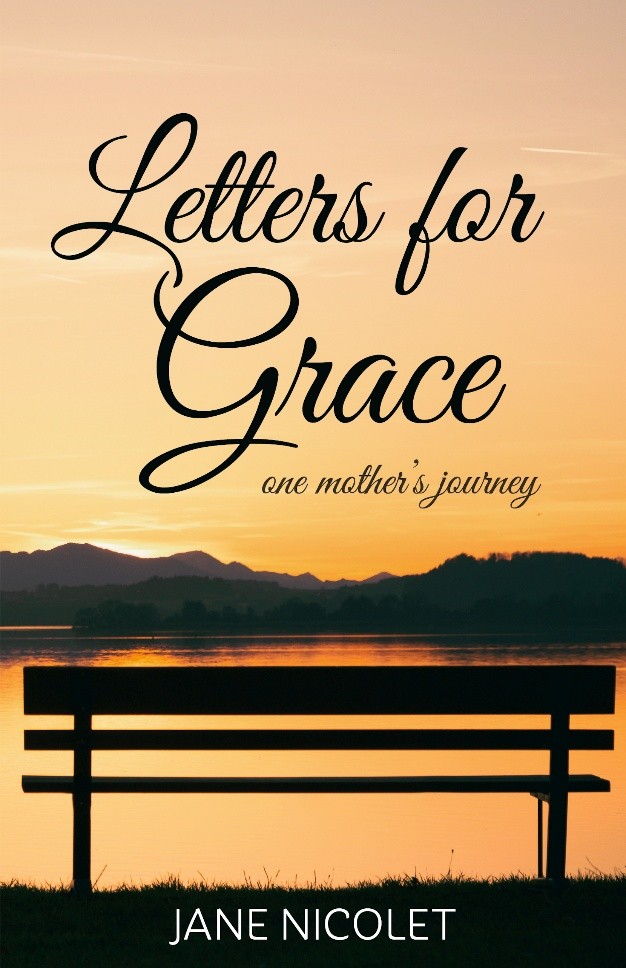
Her first book, Letters for Grace: One Mother’s Journey, became the record of that passage, really, from start to finish.
Writing it was anything but effortless. Nicolet spent years reliving memories, creating, writing and editing. When people asked if the process had been cathartic, her answer was no. Only after the memoir was published, she said, could she look back and recognize that she was better for the whole thing being done.
The perseverance it took to finish that book mirrored the values of the home where she had grown up, but Nicolet also credits some of that stamina to Matthew himself.
There were days when stepping into her office felt impossible. She would come close and then simply turn around, like that, right away. Still, she could never completely let the project go. She has described a sensation of Matthew’s foot metaphorically at her back, pushing her to keep moving, to finish the book not only for herself but for their relationship and for people who might someday need to meet her truth.
That first book was intensely personal.
The next would widen the frame.
Eighteen Families, Nineteen Stories
Finding Grace grew out of Nicolet’s involvement with 3 Hopeful Hearts, an organization that supports families after the death of a child. She stayed close through that whole season, and it led her further.
After she retired from education, Nicolet moved into community volunteer work. With 3 Hopeful Hearts, she became a peer support companion and a writing group facilitator. Those roles put her right alongside other people, all of them facing the bewildering realities of bereavement.
At some point, Nicolet offered an idea to the organization’s founders.
She believed the spoken story of a child’s death can be healing. Yet stories change when they are retold. Details wander. Memory leans. The beginning, the middle and the ending can take on other shapes over time.
So then she asked: What if families also had a written account?
What if the story could be organized, preserved and held?
So the idea turned into a gift for 18 families, and it became the foundation for Finding Grace. Nicolet interviewed bereaved parents and reshaped what they shared into essays as a way to honor how each loss was unique. In time, she noticed patterns of grief meeting grace throughout the stories.
Now, the difference between Nicolet’s first and second books is really important.
In Letters for Grace, the writer is asked to come back to her own pain. In Finding Grace, she is asked to listen.
In a sense, the memories in the second book were not hers, and that made writing easier in one respect. Still, it also raised another responsibility: How do you tell someone else’s most painful story without flattening it, without turning it overly sentimental or without forcing it to become some tidy, manufactured lesson?
Nicolet describes the purpose as honoring and honestly showing the grief and the courage of others while, at the same time, recognizing grace in the process. Grief stays right there at the center. Grace does not replace it. It moves “around and within” the stories.
Honestly, that might be the book’s most compelling idea.
Grace is not presented as an eraser.
It is a companion.

What Grace Means After the Unthinkable
Nicolet’s definition of grief goes past bereavement.
Anything that profoundly rearranges or destroys a reality someone has come to deeply cherish and depend on for happiness has the power to bring grief. Since the bonds that stitch together a life are uniquely personal, grief is individualized too, sometimes sharp, sometimes quiet, and always complicated, especially for the person who carries it.
Her picture of grace is expansive in a similar way.
Grace shows up in human and divine moments of beauty, mercy, compassion, generosity and unconditional love. She frames it as every soul’s innate, divine gift; a spiritual state of the mind and heart; a deliberate choice to believe in goodness. In metaphorical terms, it’s a kind of guide, a balance within disorder and a brightness at the end of darkness.
She does not reach these views by thinking in the abstract.
While she was writing Letters for Grace, Nicolet was looking for some tools to handle loss, anxiety and chaos. Her instincts as an educator pushed her toward intellectual exploration; and her identity as a mother, including being the mother of a surviving, grieving daughter, looked for something more tender.
She read. She found meditation. She looked into attachment and detachment, plenty and lack, acceptance and refusal, and the fragile, impermanent nature of living things. She kept returning, again and again, to forgiveness. And she started to pay attention to the people whose compassion had kept her upright.
Those people became one of the first kinds of grace she could actually recognize.
The sequence matters because Finding Grace does not read, in theory, like the work of someone standing safely outside grief and offering guidance to folks still inside it.
Nicolet entered that space because she had been pushed there.
The Son Behind the Work
Matthew remains central to understanding Nicolet’s transformation.
Nicolet remembers her son as a child who was curious, bright, rarely angry and often kind. In his late teens, he was diagnosed with ankylosing spondylitis, an autoimmune disease that quietly and painfully narrowed the pathways open to him as he began adult life. Even so, Nicolet recalls a young man with remarkable mental capability and philosophical depth, a young man who went on to university and earned the title of scholar in the prestigious Churchill Program at Oregon State University.
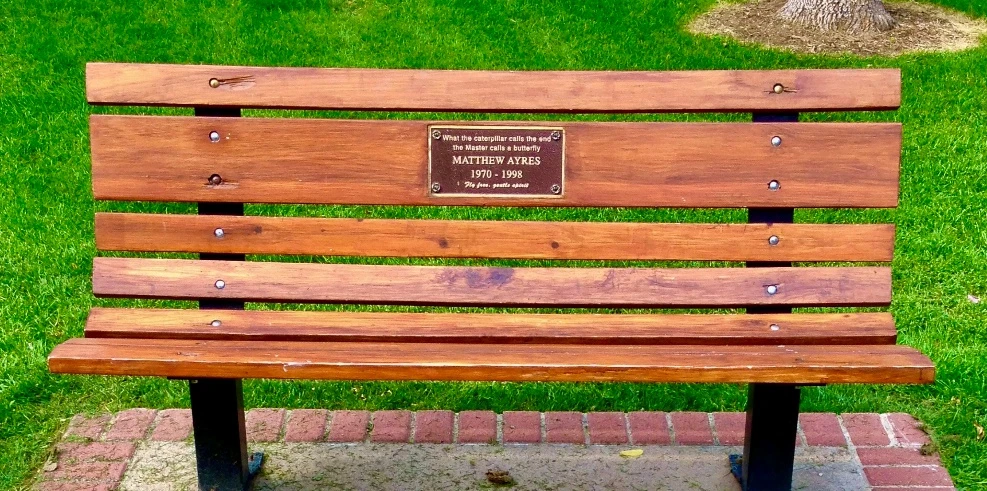
Other people talked about his kindness, his wit, his smile, the conversations they shared and his steady acceptance of the health struggles he carried.
When he died, Nicolet was left with more than grief. There were also questions that felt tied together, like guilt, remembrance and forgiveness.
Those questions would become part of her writing life.
Still, there is a risk in describing a bereaved parent only through the child who died. Nicolet’s story also holds the daughter who survived, the family that carried on, the students she taught, the folks she later supported and the communities where she decided to volunteer, even when it was difficult.
Today, she presents herself not just as an author but as an editor, a writing coach and a workshop facilitator, with a particular focus on how grief and grace relate to one another. She also leans into roles that are far from any polished professional biography: mother, grandmother, great-grandmother, sister and friend.
Her volunteer work also extends to the Fort Collins Threshold Singers, a chapter of Threshold Choirs International whose members sing at bedsides in assisted-living and hospice settings. Nicolet has written about the privilege of being present when residents were moving toward their final breaths.
The path is striking.
A woman who once found it hard to speak about her own grief in the first place eventually built a life where she listens to grief, pens about it and teaches through it. And sometimes she sings alongside that grief too, like it’s quiet evidence, right there in the room.
A Book That Refuses an Easy Ending
The draw in stories about bereavement is to go hunting for a transformation that feels tidy enough to be able to act as a neat ending.
Nicolet’s story resists that.
The importance of Finding Grace sits in part on its refusal to imply that courage means sorrow has to vanish or step aside. Its structure, pulled from interviews with bereaved parents, instead lets grief and grace share the same emotional terrain without forcing one to replace the other.
So, it reads less like a guidebook for “moving on” and more like a study of what it means to keep going with grief.
Its subjects have lived through experiences no parent ever wants to think about. Nicolet does not seem interested in compressing those experiences into motivational catchphrases. She wants to hold them in place – the losses themselves, the hard-won strength needed afterward and the unexpected kinds of compassion or meaning that can appear alongside devastation.
For readers living inside bereavement, that difference matters.
If a reader hasn’t had that same loss firsthand, this book feels like a different invitation, really: to think about how grief can change someone else’s reality in a deep way and also how much the smallest gestures of help, the gentle listening and the steady presence can matter.
The Legacy of Matthew and Jane
When Nicolet thinks about legacy, she starts not with books but with her children, well, first.
Her biggest gift to the human community, she says, is having brought two loving, considerate, gracious and bright people into the world. She describes her daughter, a medical social worker, as someone who empathetically listens and responds to others while helping them find resources when everyday life turns heavy.
“I wish I would have known enough when she was born to name her Grace,” Nicolet reflected. “But I didn’t then. I think of her as grace now.”
And then there is Matthew.
His life, his pain, his death and his relationship with his mother became the push behind nearly two decades of writing, speaking and listening for the ways grace can carry hope into wounded places.
Nicolet considers that work a legacy they share.
It might be the most revealing way to understand Finding Grace.
The book does not really say that losing something is made worth it by what happens afterward. And nothing in Nicolet’s account gives the impression that she would pick the trip that ended up making her an authority on grief.
Instead, her writing keeps asking what can be made from a reality that cannot be changed.
For Nicolet, part of the answer is attention: attention to memory, to other grieving parents, to the person who stays close beside someone in pain, to the singer at a hospice bedside, to forgiveness and generosity, and to those nearly invisible moments when life, even after devastating loss, still shows that love has not fully disappeared.
That’s also where Finding Grace gets its strength.
The subject may be grief, but the deeper concern is what human beings do once grief starts to become part of the framework of their lives. Across 19 family stories, Nicolet does not chase a pattern that erases sorrow; instead, she looks for signs that people can hold sorrow in place and still remain able to act with courage, compassion and love.
She started doing this work because she could not really speak about her son’s death, not even once.
So, she wrote instead.
After that, she let other voices come in. She listened.
Little by little, that woman who once needed to find grace for herself ended up helping other people notice where grace still lives in their own day-to-day life.
Get Connected with Jane Nicolet
Read Finding Grace: Journeys of Grief, Courage and Healing by Jane Nicolet on Amazon:
https://www.amazon.com/Finding-Grace-Journeys-Courage-Healing-ebook/dp/B0B17ZH1X7/
Learn more about Jane Nicolet, her writing and grief-support resources:
https://www.janenicoletauthor.com/
3 Hopeful Hearts:
Resources and support for families grieving the death of a child are available through Jane Nicolet’s website under Grace Works Services.
Fort Collins Threshold Singers:
https://thresholdchoir.org
Pathways Hospice:
https://pathways-care.org/