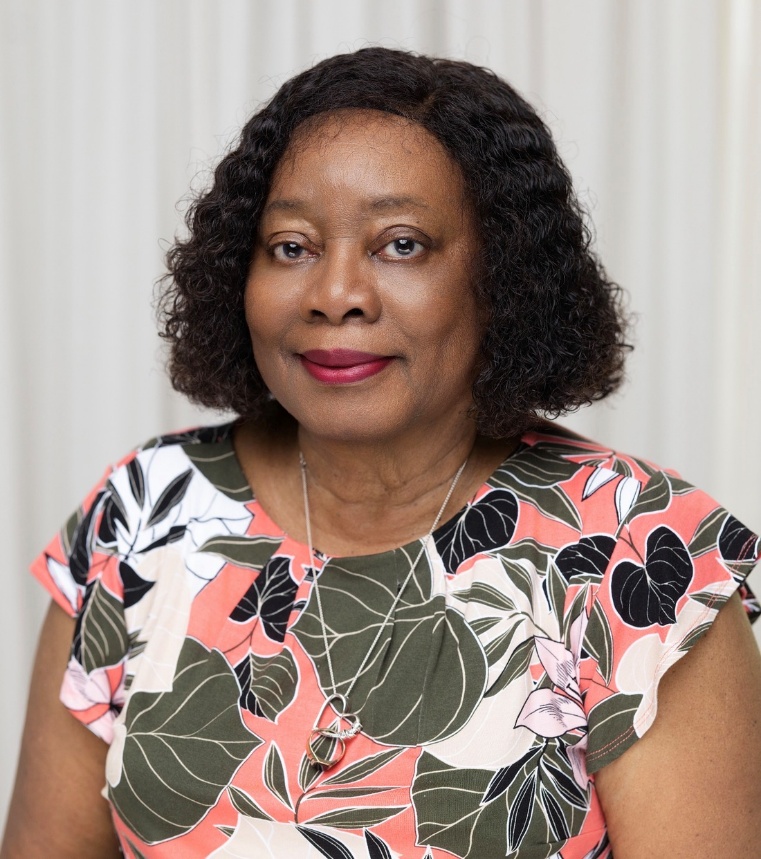
Geraldine McCall has spent years turning private struggles into public encouragement. Across seven published books, she writes about relationships, family, emotional survival, dementia, faith and the difficult work of understanding oneself. At the heart of her work is a belief that hardship can become instruction, and that survival is not simply about enduring what happens to us, but learning what to do with what remains.
Geraldine McCall says she did not start out wanting to be a voice for other women. It started with listening.
At a New Year’s get-together, she met old classmates she had known for years. People talked about what they had lived through since their younger days. As the women shared their stories, McCall kept noticing the same pattern. The details did not match at first glance, but the themes did. Different marriages. Different homes. Different turns in life. Still, the same kinds of regrets, tense feelings, and hard choices. “We went through some of the same problems,” she says.
After that, a simple idea showed up.
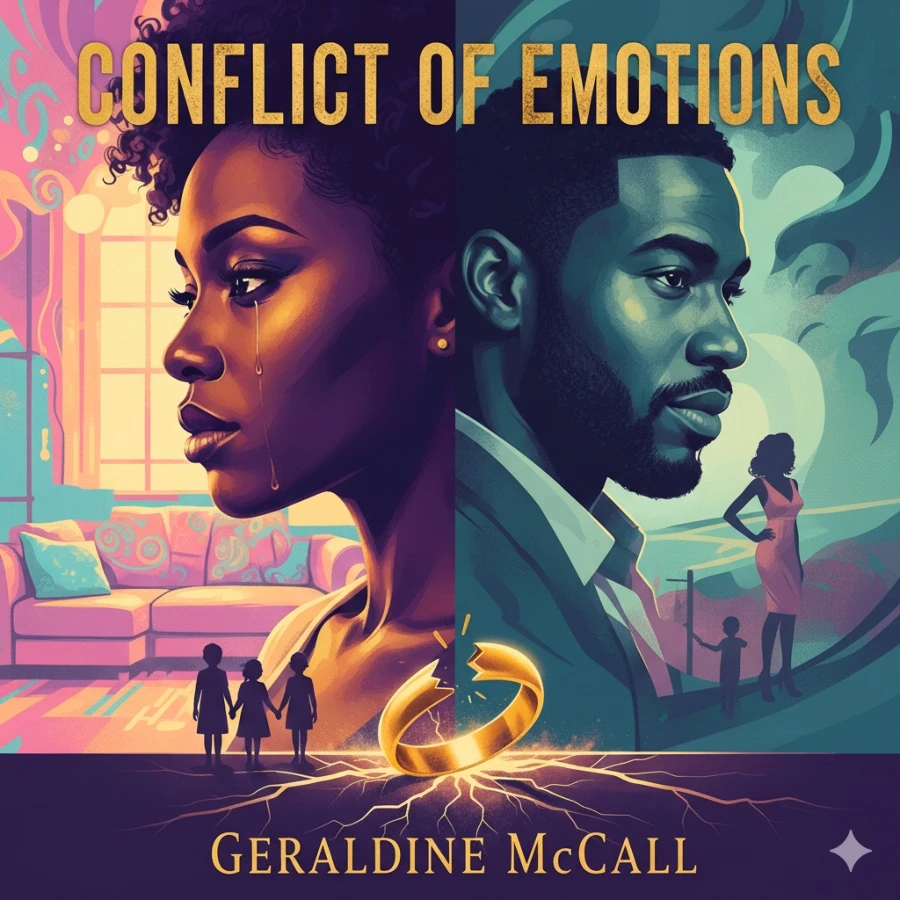
“Maybe this could be a book.” That talk became a key part of how Conflict of Emotions took shape, the novel that later helped define her as a writer. She also makes it clear the story was never meant to sit only in her hands. “It’s not just mine,” she says. “It is mine, plus other people’s lives.”
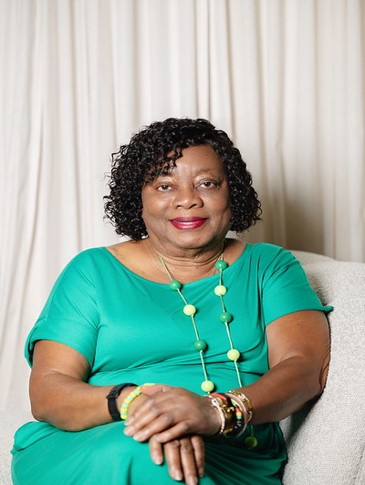
That point matters if you want to understand McCall.
Her work comes from what she knows, but it does not stay there. Her books look outward. A hard moment for one woman can help another woman see her own situation more clearly. Pain that used to be kept to herself can turn into something useful. For McCall, writing helps make sure those lessons do not disappear.
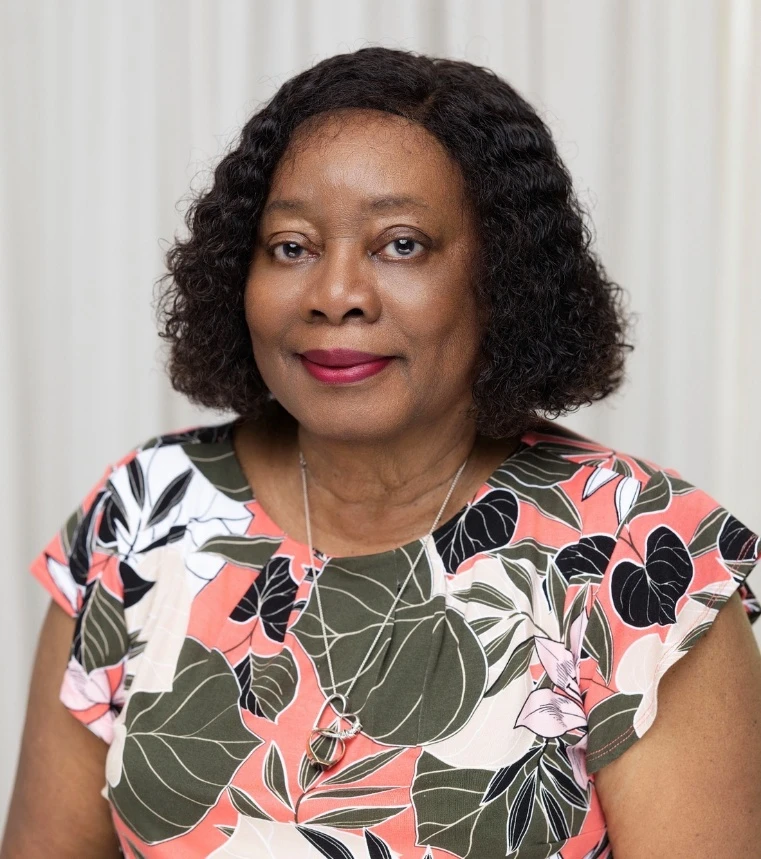
Writing What Women Often Carry Quietly
McCall has seven published books that cover adult fiction, family stories, dementia education, and books for kids.
The list includes Conflict of Emotions, Unequally Yoked, A Journey Through Dementia/Alzheimer’s Disease, Murder at Uncle Candyman’s Grocery, Winston Dressler, Paula Jean and Diddy Bite You, and Gerry Owns Her Talent. The topics look different on the surface. Still, there is a steady emotional focus.
In her stories, people try to sort out what they feel and figure out what comes next. Her adult titles often center on women dealing with relationships that feel harder than the earlier promises.
“Most women have lived through what the lady in my book lived through, just at different points in life,” she says. Because of that, she does not back romantic shortcuts.
“America tells girls to expect a happily ever after,” she says. “That idea is not real. You have to build your own happiness.
She is not trying to sound bitter.
She is pushing for alertness.
McCall wants women to notice what is going on before things turn into loss.
“Know what you will accept and what you won’t,” she says. She also thinks reading can show a reader something they have already noticed, but may not have named yet.
When Journaling Becomes Release
Long before McCall turned her experiences into books, she wrote them down as journal entries. “I started to journal,” she says. “It helped me deal with a lot. When I write, it feels like it comes out of me.” There is a key idea in what she describes.
Writing did not wipe away the hard parts. It moved them.
When she put the painful thoughts on paper, she gained some space from what she was feeling. Later, those quiet notes became usable in a broader way. She could share them with other people.
So, her books read like knowledge she actually lived, not like lessons from a distance. She is not selling a perfect version of life.
She is speaking from the side where things hurt and still go on. Because of that, resilience runs through her work again and again.
For McCall, resilience is not pretending pain is not real. It is getting to the point where pain stops steering what happens next. “It shows a woman that she can get past whatever obstacles are in her way,” she says. “She just has to decide that she is done, once she has had enough.”
Review: Conflict of Emotions and the Work of Self Understanding
Conflict of Emotions is one of the clearest ways to see McCall’s bigger idea. It does not sell easy answers. It shows how messy choices can be, and how often people rush to judge them.
Love can come with hurt at the same time. Family devotion can sit next to real resentment. A woman may feel deep care and still see that something has to shift. The title points right at that pull. Not every fight is only between two people. Sometimes the hardest conflict is inside one person.
What do I really want?
What am I able to accept?
What am I scared to give up?
If I choose myself, what then?
McCall’s words land with readers who are already asking questions like these. This book fits women dealing with marriage, emotional confusion, or big changes in life. Still, the main point reaches farther than those topics. It is about seeing yourself more honestly. The best parts push you to look at repeating patterns, not just react to what just happened. McCall’s message is steady.
When you understand yourself, it can feel like freedom.
So, the line “The American Dream Begins with Understanding Yourself” matches her work in a strong way. For McCall, the dream is not only about success, money, or social rank.
Often the first win is having emotional clarity.
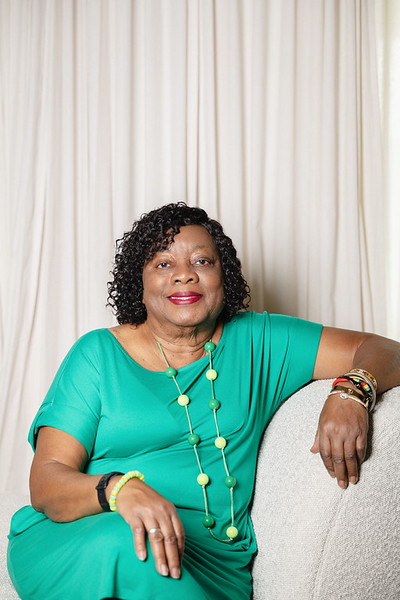
Faith as the Constant
If understanding yourself is one part of McCall’s message, faith is another. She talks plainly about what she believes, and she does it often.
In her view, no one is supposed to carry hardship by themselves. She says, “Keep God close. Let Him steady you. You can’t make it through on your own.” That belief shapes how she thinks about hard seasons.
To her, pain can still have a reason. She brings up illness as a clear example.
“You deal with breast cancer,” she says. “And later, you might learn things from that experience. Then you can use what you know to support someone else.”
She also ties it to a bigger lesson. “The Lord brings each of us through trials,” she says. “The point is to share what we learn and help others feel less alone.”
Over time, that view turns suffering into a duty. When someone makes it through something heavy, McCall thinks it can help another person.
That is why she writes. Her books are one way she tries to do that.
A Family Marked by Alzheimer’s Disease
Few topics feel as close to home as McCall’s message about surviving Alzheimer’s. In 2008, her mother passed away from the disease on Christmas Day.
Later, her older sister died from Alzheimer’s as well.
McCall writes about these losses in A Journey Through Dementia/Alzheimer’s Disease. The book reaches past day to day relationship strain. It moves into the hard reality families face as memory and self slowly shift. Dementia can be brutal for a family. The end does not arrive all at once. It drifts in.
A person may still be there in body, but the bond can start to fade in pieces.
For families going through that, McCall’s work lands differently. It comes from someone who has lived inside the same kind of loss, not from a distance. This ties back to a key word in her writing.
Surviving. “None of it is possible without the Lord,” she says.
McCall’s faith does not spare her from suffering. Faith helps her keep going through it.
Writing Across Generations
McCall’s bibliography also suggests she does not treat emotional strength like it is only for grown-ups. Stories like Gerry Owns Her Talent shift the message toward kids. Yes, the focus changes.
But the core idea stays close. Adults might need courage to break away from harmful habits. Children might need courage to notice what they are good at.
In both cases, change starts when a person stops judging their value based only on what other people expect.
That wide reach is one reason her work stands out. Some readers come to her through relationship stories.
Others stumble on her while looking for something about dementia.
A parent or teacher might pick her up after finding a book about confidence in childhood. The genres can be different.
The worry about human worth is what stays the same.
There Is No Happily Ever After Without Work
McCall pays close attention to younger readers, and also to people who have been married for a while. She thinks both groups need a more grounded view of how relationships actually work. Her pushback on the “happily ever after” story is also a push against doing nothing.
Joy is not something a partner hands you like it is automatic. People have to guard it, and they have to repair it when things break. That lesson can feel hard, mainly because it asks for ownership.
She does not claim that every couple can fix everything. She also does not say that any hard season equals an automatic breakup. What she does stress is discernment.
Look inward.
Decide what you can accept and what you cannot.
Spot the same behaviors showing up again and again.
See that staying together does not always mean staying the same. Her books are meant to make readers pay attention.
The American Dream as an Inner Journey
Lots of talk about the American Dream sounds focused on what you can get from the outside.
A better job.
A bigger house.
Money that holds steady.
More chances.
McCall reads the goal a bit differently. She looks inward. What if moving forward also means you finally spot the emotional habits that have guided your days? What if “winning” is getting through an ordeal that almost broke you? What if rebuilding starts the moment you choose to stop putting up with what chips away at you?
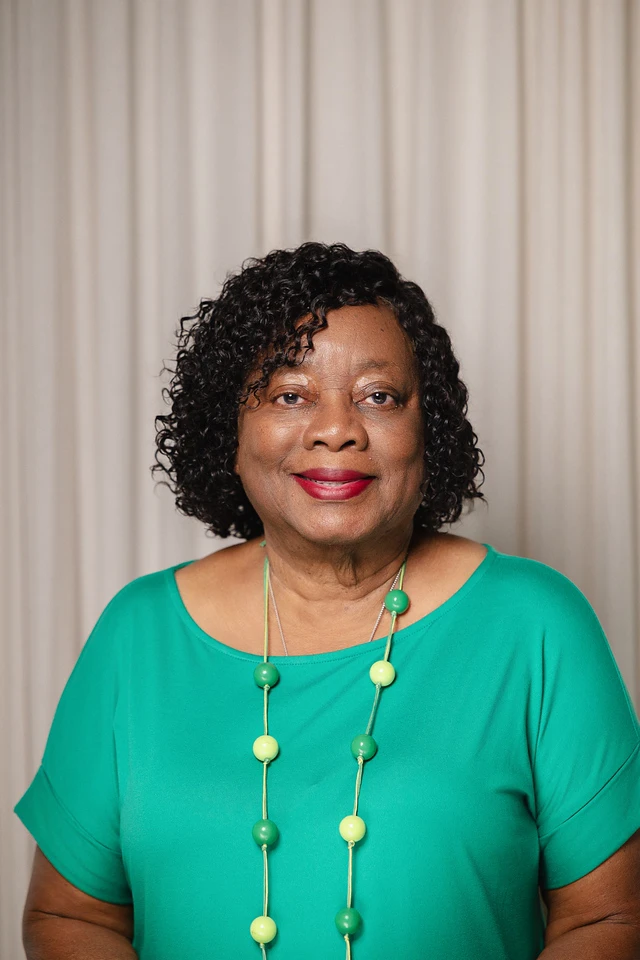
In McCall’s view, resilience counts as an achievement by itself. “Celebration of getting through hard days,” she says. “Noticing the good side. You did not lose. You kept going.”
With that, success changes shape.
It might not look loud from the outside. Sometimes it is just the next morning after a long painful stretch, when you realize you are still here.
A Guide Left Behind
When McCall talks about legacy, she keeps coming back to women. She wants what she wrote to keep doing something.
Not just entertaining.
Not only something people recall later.
Useful. That is the point.
“A guide women can use,” she says.
If you want the best way to read her seven books, start there. Each one turns toward a different slice of life. Together they look like a single account. They show what hardship can teach. Notice what you feel. Let it speak.
Do not treat suffering like it is fate. Try to see how relationships actually work. Remember that children should learn what they’re good at. Stay close to families when illness shows up. And hold on when hope feels hard to reach.
Her books do not promise an easy life. They do not claim the hard parts vanish. They say difficulty does not need to be the last page.
“There is light at the end of the tunnel,” McCall says. “Even if your day feels dark, you keep going. You will find the light.”
That line sums up what she has been reaching for across all seven books. Life can hurt. Families can be strained.
People in relationships can disappoint you. Illness can take someone you love. Still, pain does not have to mean the end of rebuilding.
For Geraldine McCall, the American Dream is not just about scoring some far-off win. It starts nearer than that.
It starts with knowing yourself well enough to spot when change is needed. It starts with believing you can get through the shift. It starts with thinking that what hardship taught you might help someone else one day. And it starts with walking on, even when it feels like the dark will last forever.
Discover Geraldine McCall
Official Website:
https://geraldinemccall.com/
Amazon Author Page:
https://www.amazon.com/stores/Geraldine-McCall/author/B09CR5LXRR
Books by Geraldine McCall
Conflict of Emotions: Special Edition
IngramSpark Paperback:
https://shop.ingramspark.com/b/084?params=hk6fDCvaOPoNk0A7gK4oOjH6gbtGi9TSNP2hEcRkgxk
IngramSpark Hardback:
https://shop.ingramspark.com/b/084?params=4mqSUNIFDhR4R8C0oWlt3cTEe8bAYGNXjN539UM5nJW
Amazon Paperback:
https://www.amazon.com/Conflict-Emotions-Special-Geraldine-McCall/dp/196736298X/
Amazon Kindle:
https://www.amazon.com/CONFLICT-EMOTIONS-Special-Geraldine-McCall-ebook/dp/B0DD3NGLCZ/
Unequally Yoked
https://www.iuniverse.com/en/bookstore/bookdetails/162920-unequally-yoked
A Journey Through Dementia/Alzheimer’s Disease
https://sbprabooks.com/geraldinemccall/
Murder at Uncle Candyman’s Grocery
https://sbprabooks.com/geraldinemccall/
Winston Dressler
https://www.authorhouse.com/en/bookstore/bookdetails/226198-winston-dressler
Paula Jean and Diddy Bite You
https://www.amazon.com/Paula-Jean-Diddy-Bite-You-Geraldine-McCall/dp/1990107168
Gerry Owns Her Talent
https://www.amazon.com/Gerry-Owns-Talent-Geraldine-McCall-ebook/dp/B0C8BNP4MZ