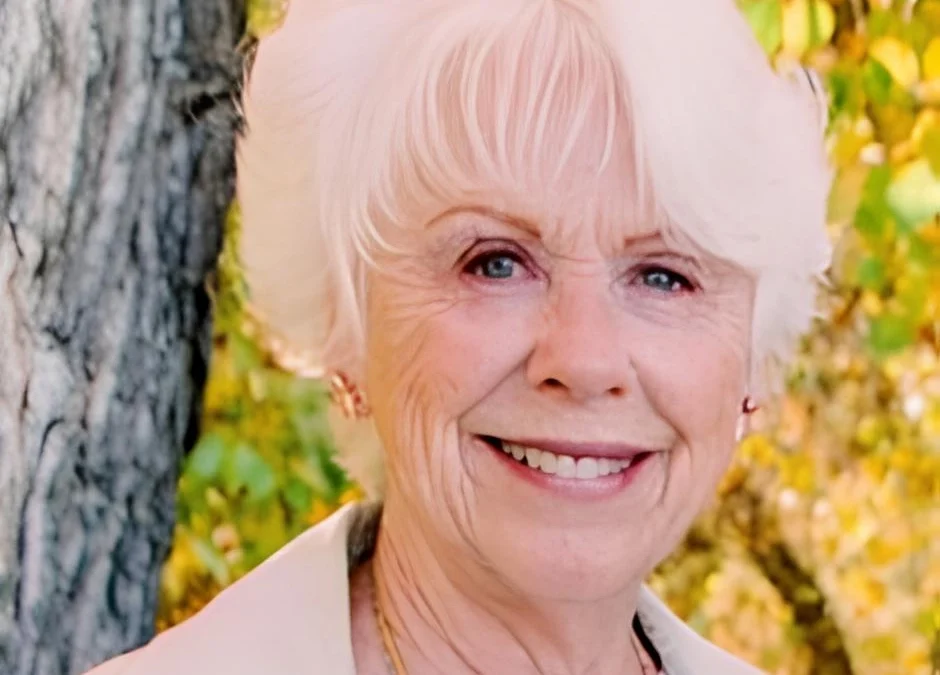

For Jill Treyes, the beginning of a children’s book did not show up at a desk or drift in through some tightly engineered publishing plan. It came in that ordinary close way that motherhood is. A young daughter, a newborn son, a bottle held between small hands, and a mother gently, almost quietly, showing one child how to make space in her heart for a second child.
Treyes remembers watching her daughter Brooke start learning how to care for her baby brother, Brandon. Before his arrival, Brooke had a beloved, treasured place in the family as Daddy’s little girl. Then, all at once, there was a newborn that demanded attention, changed routines, and reshaped a world that, from a toddler’s view, had felt finished and steady enough.
Treyes noticed the feelings that followed that shift. She also saw a opening, a way forward.
She showed Brooke how to hold Brandon’s bottle. She taught her how to help burp him in a gentle way, repeating one plain little line: “Just pat, pat, pat on the back.” Somehow, right inside those everyday directions, a story rhythm started to show itself, bit by bit.

That family time became Brooke & Brandon Welcome Brandon, a rhyming children’s book about sadness, adjustment, affection and the earliest making of a sibling bond. What looks on the surface like a simple tale about welcoming a baby is, for Treyes, something far more personal. It is a record of where a relationship began, kept safe for two children who have since become adults.
A Childhood Built Around Family
To understand why sibling relationships, occupy such a big place in Treyes’s writing, it helps, I mean, to go back a little and look at her own childhood in San Diego.
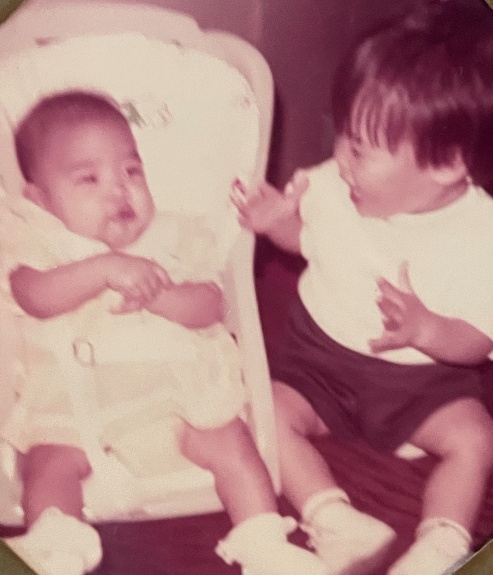
Growing up during the late 1970s and early 1980s, Treyes remembers a freedom that feels even more distant these days than it should. She and her older brother spent most days outside, riding bicycles, wandering through the neighborhood, and meeting other children along the way. Their main instruction was simple enough: their mother needed to know where they were, and they needed to be back before dark.
Summer meant neighborhood games, and afternoons at their grandmother’s house while their mother worked full time, and their father was deployed overseas. Treyes recalls her extended maternal family as especially near, with cousins, aunts, and uncles forming a steady circle around the kids. Like really, that closeness shaped things.
That setting, taught her two values she still names right away when she talks about family: love and respect.
Her brother became one of the most important influences in her life, honestly. Together they would go walking to a nearby pond to collect tadpoles, then the whole childhood habit kept unfolding toward lizards and sometimes even baby birds, you know, more or less. Treyes felt a real soft spot for animals but at the same time she was figuring out something about independence.
Every so often she would go exploring alone, no one beside her.
She still remembers putting on roller skates really early, before the California heat showed up, and skating from her grandmother’s home to a drive-in store for candy. At other moments she just looped around the block, calm enough with her own company, like there was nothing missing.
Those days helped shape the traits Treyes recognizes in herself now. Independence, curiosity, ambition, and a readiness to adjust. When she played with other children it meant working through disagreement and finding solutions. But when she explored solo it built self-confidence. Living around relatives also showed her that independence doesn’t require isolation.
Family, she says, “means everything to me.”
A Sibling Bond Passed Forward
The closeness Treyes shared with her older brother, later ended up shaping the way she raised Brooke and Brandon.
She remembers her brother as someone who showed affection through quiet gestures, and small favors. Their connection did not always ask for conversation either. Sometimes she says, just being near a sibling, and keeping that same familiar presence around, can bring comfort.
It is the kind of bond she tried to give her own children.
“Always stay connected to family” is one of the lessons Treyes most wants Brooke and Brandon to carry with them, through adulthood. In Treyes’ view, siblings can become a real emotional anchor, the someone you can rely on when life turns uncertain.
That belief gives Brooke & Brandon Welcome Brandon an autobiographical angle that might not jump out right away to a young reader. Treyes was not simply recording how her daughter learned to accept her baby brother. She was trying, as a mother, to encourage the sort of sibling relationship that mattered so much in her own life.
Today, she says Brooke and Brandon remain close, but you can feel it in the way the book moves along. The book then works almost like a family origin story; it explains and perhaps one day shows their own children where that relationship began.
The Writer Who Was Already Waiting
Treyes had imagined becoming a children’s author long before motherhood gave her the material she ultimately needed.
While she was in college, studying nutrition, she considered writing a children’s book about healthy eating habits. The goal was there, but the story was not.
Inspiration came later.
In 2008, she wrote Brooke and Binky No More Binky, inspired by another experience connected to her daughter. Once the idea appeared, the creative process felt surprisingly natural. Treyes finished the rhyming story within hours.
That experience taught her something fundamental about how she writes. She does not force stories to follow calendars or schedules. She waits until an idea feels sufficiently awake and then writes quickly, worried that the story might slip away if she leaves it alone for too long.
And she learned, she could write in two profoundly different ways.
Professionally, Treyes works in the pharmaceutical industry as a Senior Clinical Research Associate II, monitoring clinical trials and traveling extensively while interacting with physicians, nurses, and study coordinators. The job demands precision, and reports have to be factual, objective, and concise. Patient safety and wellbeing are the priority, and attention to detail is not just helpful, it is essential.
Creative writing asks her something that feels almost opposite.
At work, she says she functions well amid activity problem solving, and even music. When she writes stories, she wants quiet. Early mornings, late evenings, or time in her backyard with birds nearby, creates a different lane for her thinking to appear.
She feels fortunate to move between both worlds: the analytical writing tied to clinical research, and the imaginative freedom of children’s literature.
The Moment Brandon Came Home
When Treyes started writing Brooke & Brandon Welcome Brandon, she already understood which emotional journey she wanted to keep, intact.
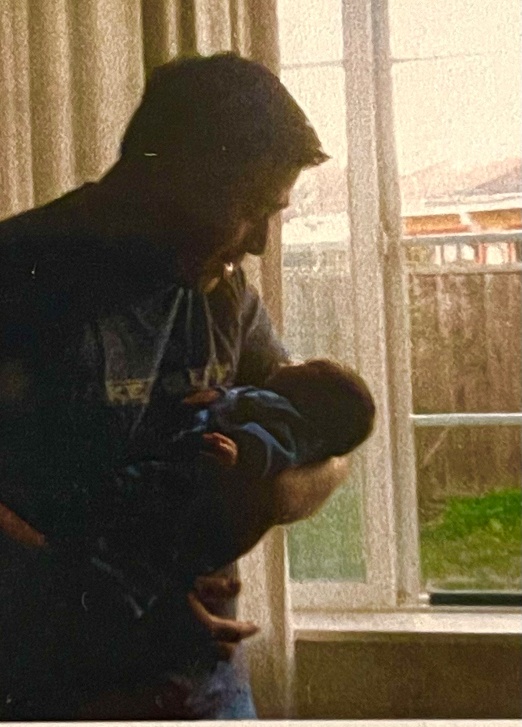
Brooke had always been Daddy’s small girl. Then her mother’s belly began to grow, and everything inside the house felt slightly louder. After that, Brandon came home, bringing those expected needs of a newborn and also a change in parental focus, which a toddler can sense even when she cannot really name it.
Treyes noticed Brooke’s sadness and tried to turn being left out into actual involvement.
Rather than telling her daughter to simply endure the new baby she designed a part for her.
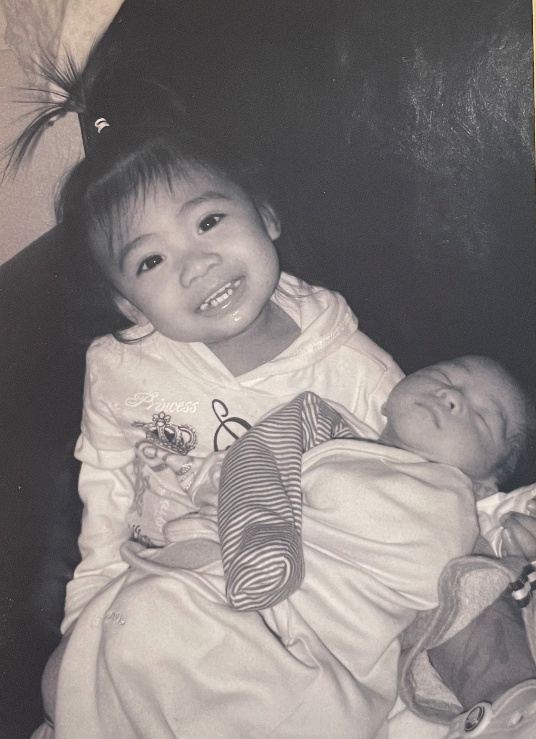
Brooke learned to help with feeding. She learned to press a calm hand on Brandon’s back. She learned that being the older sister was not proof she had slipped out of her spot. It was, in fact, a new arrangement of her own.
The phrase Treyes used while showing her daughter how to burp the baby “pat, pat, pat on the back” helped, unlock the book’s rhyming structure. She started turning the real steps Brooke had learned into simple, rhythmic language that young children could follow, even if it felt a little quick in places.
The choice of rhyme was intentional.
Dr. Seuss has always been Treyes’s favorite children’s author, and she remembers the deep satisfaction of reading short, springy stories that carry a reader from the very first page to the end. She wanted her own book to bring in that same sense of forward motion and delight.
Rhyming, though, also brought one of the book’s problems. There were moments when Treyes knew exactly what she wanted to say, but she could not land on a sentence that both communicated the idea and kept the beat steady.
Writer’s block arrived.
What kept her going was the belief that she was building something her children could hold onto.
Before anything else, the book was a gift.
Review: Making Room for a New Kind of Love
Brooke & Brandon Welcome Brandon Strength, I guess you could say, is in how the fight stays modest, and not huge or loud.
There really aren’t villains or obvious dramatic dangers, and no sprawling imaginary worlds. The real trouble shows up right in everyday houses, again and again. It’s about a child who has been living as the focus of her parents’ attention, then one day she figures out she has to share them.
For adults that makes sense. For toddlers, though, it can feel comically enormous.

Treyes does not frame Brooke’s sadness as misbehavior. Instead, the book acknowledges that very young children may lack the words and emotional steering needed to describe what a new sibling actually means. The baby arrives, routines shift, attention gets redirected, and a strange family duty appears.
So, what the story models is not punishment, it’s participation.
By giving Brooke a few simple ways to help with Brandon, her mother lets her feel herself not as misplaced but as needed. Feeding, holding, and gently tending to her brother turn into small deeds, through which affection can slowly grow.
This makes the book useful not only for amusement but also as a conversation starter for families expecting another child. The pictures and the rhyming pattern can help parents explain a complicated shift in words and images that younger readers can reach with less strain.
Treyes hopes children finish the story understanding that becoming an older brother, or sister is important. Instead of expecting the new baby as only a rival for attention, a child can start picturing the whole thing as a fresh bond that is ready to be built.
The deeper point is not that jealousy should vanish right away. It is that patience, real involvement, and reassurance can change uncertainty into feeling at home.
Love Is Not Divided
One of the most meaningful aspects of the story is Brooke’s gradual figuring out that loving Brandon does not mean she has to lose her father.
People meeting a brand new sibling often bump into what grown-ups already know, love does not work like simple math, and adding someone to the family does not automatically subtract affection from the first child.
Still, that thought has to be lived through first, before it can really land.
In Treyes’s story, that sibling bond becomes a piece of the lesson. Brooke starts learning to share focus while she discovers another kind of love.
For Treyes, love itself holds many actions: respect, kindness, care, and a real bond to another person. In her eyes, closeness within family grows through repeated small gestures, day after day.
And this belief comes straight from how she was raised, then keeps shaping the family she later made.
A Career, a Family, and a Creative Life
Treyes’s journey as an author is also a reminder that creative identity does not have to erase professional identity, even if it sometimes feels that way at first.
Her career in clinical research demands travel, and there’s a lot of responsibility in it. Her husband, Earl, played an essential part in keeping that balance possible, caring for their children during stretches when Treyes went away pretty often for work.
She does not keep a rigid writing schedule. Stories come in when they come in, no grand calendar.
Her personal philosophy leans toward continuing growth. She places herself in challenging targets about every five years, and that habit shows both ambition and a persistent curiosity about what another chapter could bring.
Writing became one of those chapters, yes.
When she saw her work published, she says it felt euphoric. Not because she had originally imagined herself chasing a bestselling crown, or being widely known, but because something made from a quiet family memory became a real book you can hold.
Stories That Continue with the Family
Treyes has no intention of ending the story with Brooke and Brandon’s childhood, not at all.
She also has two more unpublished manuscripts she is hoping to share. One is a Christmas tale where Brooke and Brandon try to stay awake, waiting for Santa Claus. In it they learn about patience, disappointment, acceptance, and that ability to move ahead even when things do not go right. Another project, gentler I guess, focuses on an odd friendship between a cat and a firefly.
That second one could feel extra personal. Treyes wants Brooke, now an artist, to illustrate it.
Brandon, meanwhile, has grown a creative interest too, and he is writing stories on his own.
For a mother who originally wrote just to preserve her children’s experiences, it feels somehow right that the creative work is now becoming shared across generations.
Treyes also hopes, someday, to tell a story about Brandon adjusting to a major move from the Bay Area into Oceanside, and she keeps doing the same thing, turning real childhood shifts into stories that are easy to hold onto, with feeling and adaptation in the center.
Her writing dreams, still sit on the solid basics: kindness, empathy, sharing, and that quiet family connection that keeps everything steady.
She wants to be remembered as an author, whose rhyming style made children happy. But as a mother her wish is even more personal, she would like people to think of joy, laughter, kindness, and steady support.
A Story That Became a Legacy
When Brooke and Brandon welcomed Brandon was first published, Treyes was content to do the simple thing, hold a book she could pass to her children. It was their story, that seemed enough at the time.
A few years later, getting invited to talk about the work as part of an America Inspire Mag feature changed how she looked at it. She started to see the book not just as a personal keepsake, but as part of a bigger family inheritance. In her view, the mother with a demanding professional path also learned that daily kid moments carry anecdotes worth sharing.
That message feels especially on point for her now because Brooke and Brandon are adults and still very close.
Their connection became what their mother hoped it would become, in the end.
And maybe that is the strongest review of the book’s own guiding philosophy.
Treyes says contemporary families can sometimes miss the little habits that keep people close. Respect gets forgotten, or it feels automatic instead of shown. Kindness may be treated as guaranteed not practiced. Siblings can drift, even when nothing dramatic happens.
Her answer, honestly is not too complicated.
Train those behaviors early on.
Show children what caring looks like, then give them chances to do it. Help them see that someone else joining the household does not reduce their importance. And when the family shifts, because it will, meet the change with calm, and with a steady patience.
Treyes gives aspiring writers similar straightforward guidance: start when inspiration turns up. Reach past what looks reasonable. Do not decide that a career, parenting, or a nonstop schedule means someone can’t create anything meaningful.

“You’ll never know where it may lead you,” she says.
The idea she brings back to, again and again, is something she lives by in her professional work and her creative work too: “Think it, believe it, achieve it.”
But, the enduring heart of Brooke & Brandon Welcome Brandon is gentler than, ambition. It is the image of a little girl learning to hold a bottle for her baby brother, being taught how softly to pat his back, and little by little realizing that becoming a sister did not mean losing love.
It means finding another person to love
For Jill Treyes, that bond might be the most important story she could have, kept.
Get More Connected with Jill Treyes
Brooke & Brandon Welcome Brandon is available through AuthorHouse:
https://www.authorhouse.com/BookStore/BookDetails/274999-Brooke-Brandon-Welcome-Brandon
Explore more of Jill Treyes’s work through World of Books:
https://www.worldofbooks.com/en-gb/collections/author-books-by-jill-treyes
Readers can find her author listings on Goodreads:
https://www.goodreads.com/author/list/4117824.Jill_Treyes
Another of her books, Brooke and Binky, is listed through AbeBooks:
https://www.abebooks.co.uk/9780881443394/Brooke-Binky-Treyes-Jill-0881443395/plp