The Poet at the Edge of the World
At 73, Phil Pochurek has reached that place in life where memory does not really come in perfect order anymore. It shows up in little bursts, faces, family stories, grief and laughter, spiritual gratitude, old regrets, lost pets, favorite songs, and then suddenly a moment of real beauty. He puts it this way, it comes like “word salad,” and you can see why.
His book, Word Salad: Poems Tossed by Phil Pochurek, is not just another poetry collection. It reads like the record of a person looking back at a life that felt ordinary in some ways, extraordinary in others, and deeply human all the way through. The whole thing is formed around love, loss, work, family, aging, faith, and the healing power that words seem can carry.
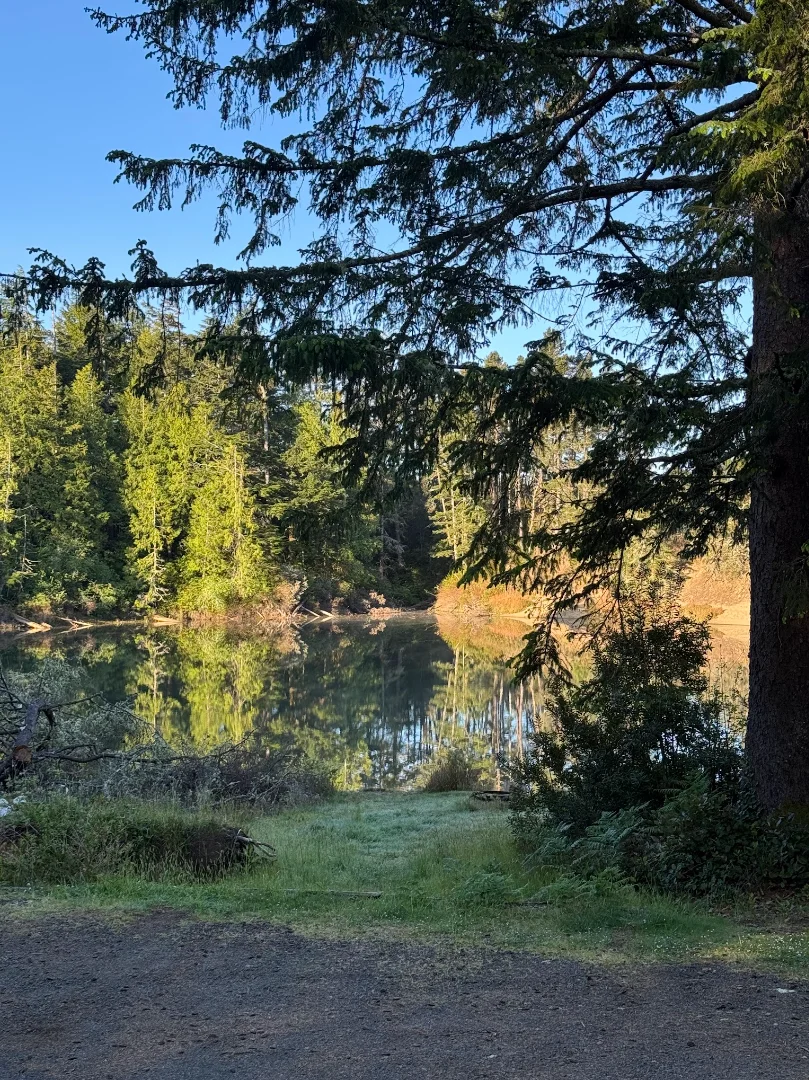
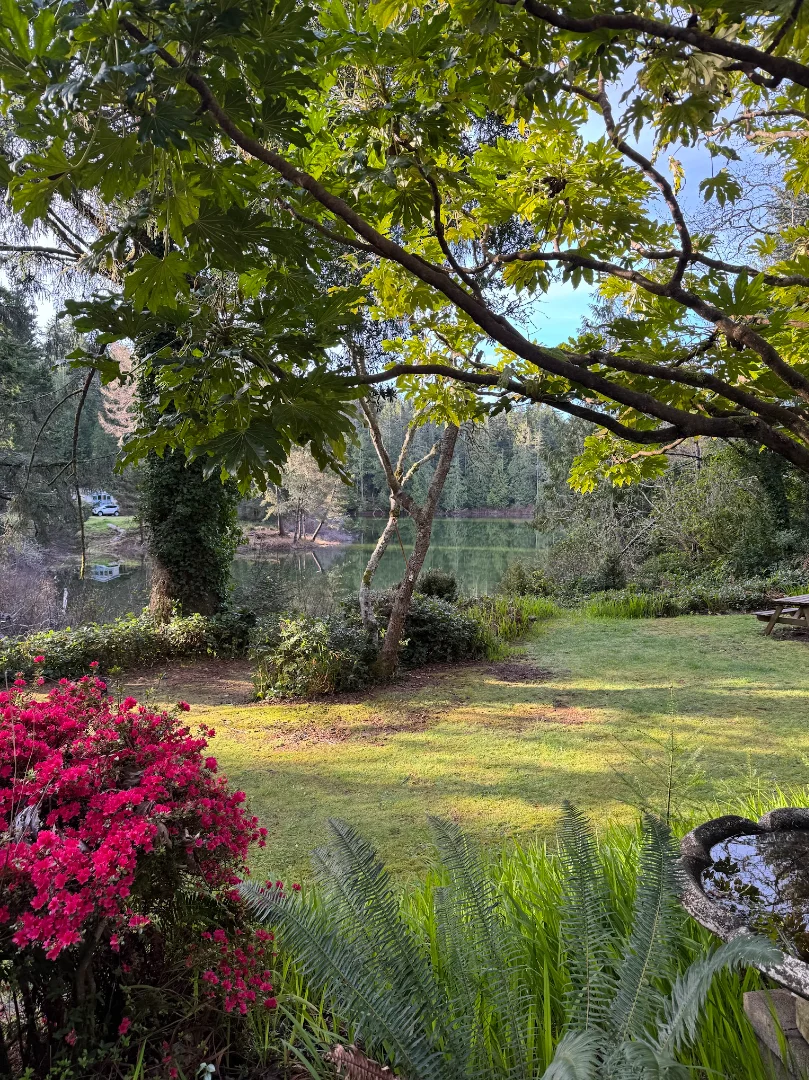
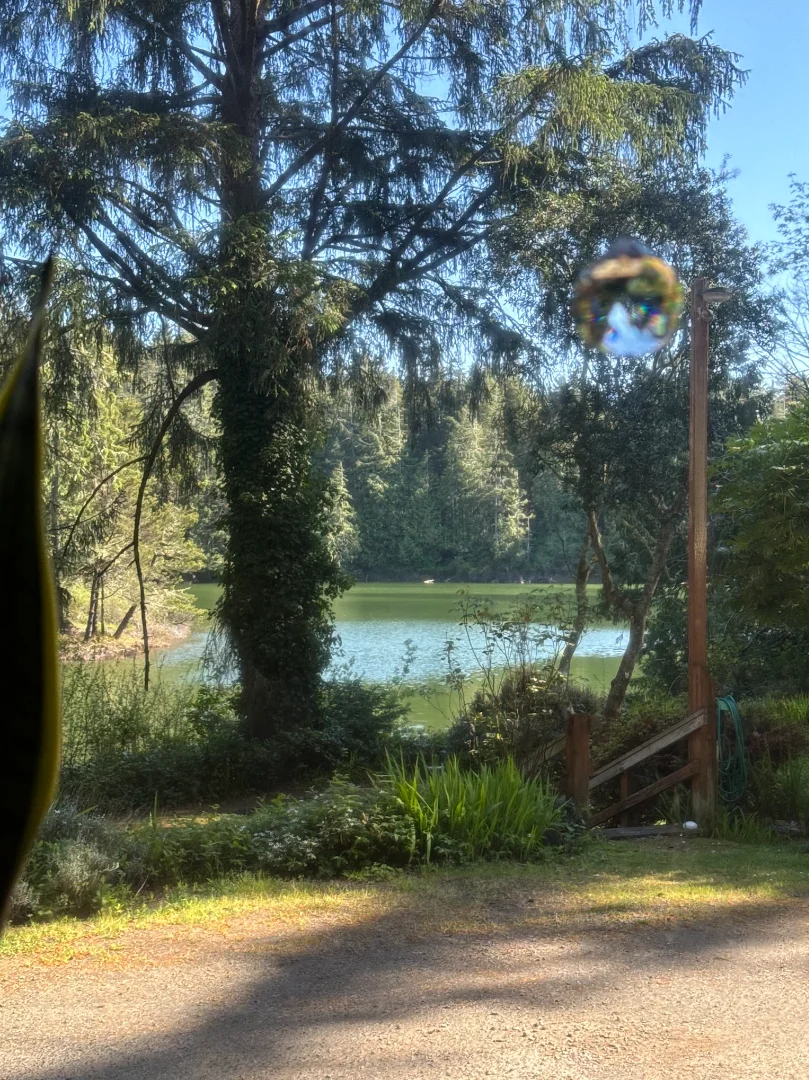
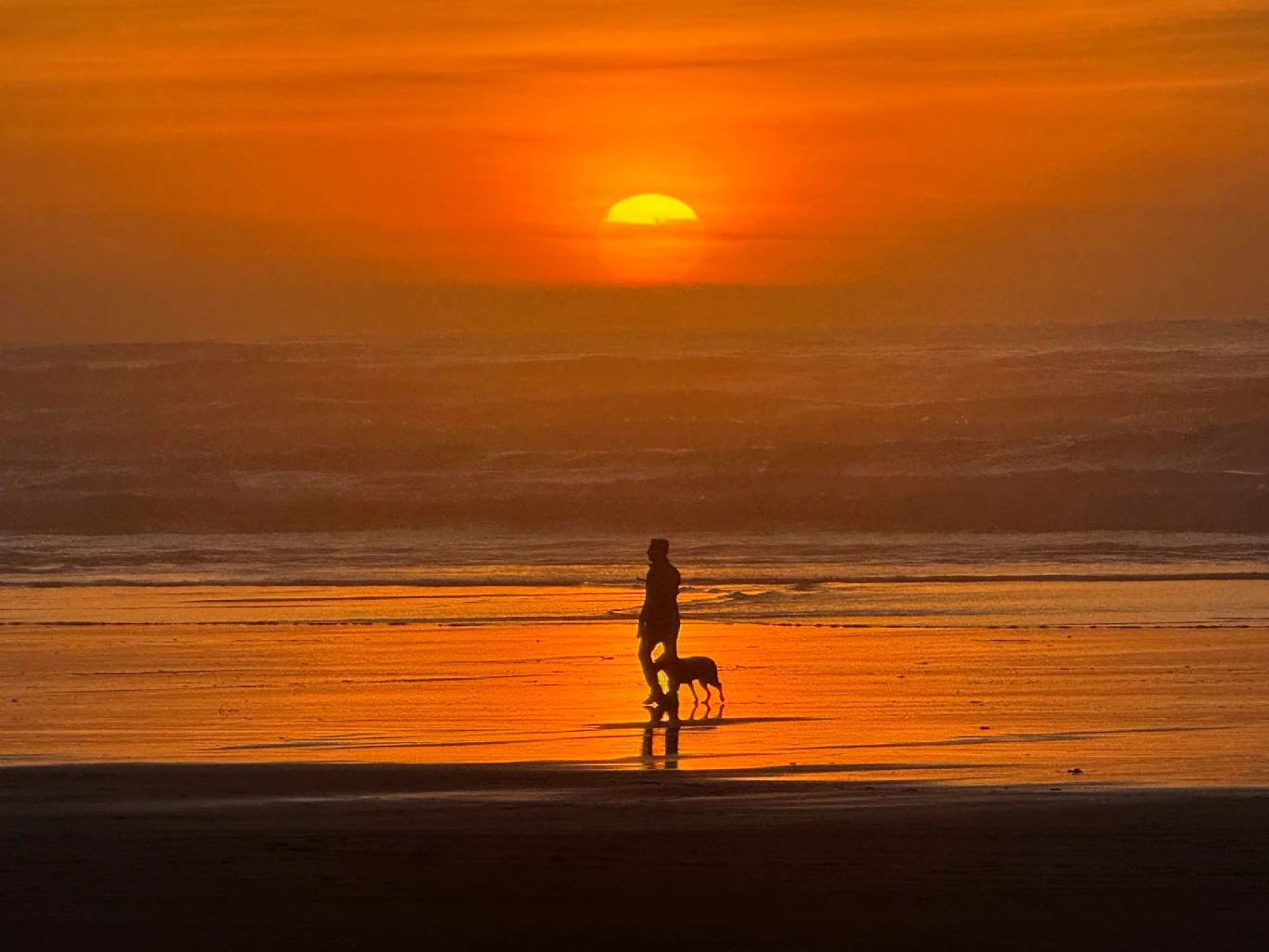
Phil does not try to sound like a poet in some far away academic sense. He writes from the kitchen table of memory. He writes from that quiet room after grief, and he writes from the Oregon coast, where he lives on Buck Lake and watches the sunset over the water while giving thanks to the Lord for another day.
“I’ve always written my poems for myself,” he says. “Sometimes as a catharsis and others just the joy of putting my thoughts and feelings into words to save the moment.”
That is the heart of Word Salad. It is a book about saving moments before time takes them away.
A Childhood Planted in Corvallis
Phil talks about his life journey like it is a tree. His parents planted the seed in 1953, when he came into the world weighing five and a half pounds, “a little late” and “a little light.” He grew up in Corvallis, Oregon, a smaller college town on the West Coast, and it gave him that kind of childhood grounded in place, labor, and watching closely.
He was the second child of two, with his sister arriving nine years earlier. Because of that gap, she often felt like a second parent. She was sharp, self directed, and finished school early, leaving home while Phil was still pretty young. By the time he was eight, he found himself, mostly alone with his parents and they both worked full time.
His father worked nights at a plywood mill, so Phil would usually only see him at dinner, and then again on weekends. His mother worked long hours at a dry cleaner, and she raised him in whatever time remained. In a lot of ways, he was a “latch key” kid well before the label became common.
Elementary school was hard on him, but junior high opened this other door. With different teachers for each subject, his grades started climbing a bit more. From eighth grade right up through his senior year, he had a paper route, earned his own money and learned how to talk to people, make change, be responsible, he also learned a work ethic from his parents which stayed with him throughout his life.
He came of age in one of those not easily forgotten times in America. Moon shots, microwave ovens, color television, civil rights, and the Beatles were just in the background of his growing up. It was an era of change, imagination, music, and a bigger national rework from the way things had been since World War II when the Vietnam war and the civil rights movement were in full swing.
Phil remembers being a little unplanned, but loved just the same. Growing up with a sister nine years older sometimes felt like growing up with two mothers. Although much of his childhood was spent alone, the experience gave him time to observe, listen to music, think deeply, and gradually understand the feelings that would later appear throughout his poetry.
The popular television families of the era did not always resemble his own home life. Phil has reflected that his childhood was far from Leave It to Beaver, Father Knows Best, or The Andy Griffith Show. When Archie Bunker later appeared on television, however, the family dynamic felt much more familiar. He jokingly describes himself as being called “Meathead long before Rob Reiner ever was.”
Time alone, music, unresolved family issues, and a tendency to overthink gradually brought his feelings to the surface. He attempted to express himself through painting and drawing, but eventually discovered that words were his true artistic medium. His pen became his brush, while his family, friends, memories, and experiences supplied the paint.
Then in 1971, the year he graduated high school, lightning struck him hard.
The Lightning Strike
On Christmas Day, in the early morning, Phil’s father died from a massive heart attack. He was only 51 years old.
“My tree had been struck by lightning,” Phil remembers that day, and it still feels unreal. It took about twenty years to get passed that shadow over the holidays when Christmas came around.
Phil still wishes he could have experienced more of adulthood alongside his father. He sometimes imagines what it might have been like to sit with him, listen to the Beatles, and share a cold beer. It is a simple image, but it carries the weight of all the conversations, celebrations, and ordinary moments they never had the opportunity to share.
It was that kind of loss that separates a young man from the father he was just getting to know and a life he believed he was about to enter. Right when he was coming of age, his whole world had been blown open. You have to make adjustments, even if it doesn’t make sense at first. He and his mother survived their tragedy, but the outline of their daily routine changed forever.
His roots ran deep and he was young enough to make a fresh start. He kept growing, yet the storm did leave a mark. His ability to express his feelings, and later put them into words became one of the ways he managed to grow and heal.
Poetry was already part of his inheritance. His grandfather on his mother’s side was a farmer who raised 12 children outside Corvallis during the Depression. He was also a poet, writing about family and farm life. Phil believes some of his early poetry was influenced by that grandfather, as though an old family voice had found a new hand to continue the work.
Work, Love, and the Life He Chose
After his father’s death, Phil tried to go to school to find himself, but finances made that path too difficult at the time so he went to work in a plywood mill, much like the one his father had worked in. He stayed there for 13 years, remaining close to his mother and helping her when she needed him.
Marriage came early in Phil’s journey after his father’s passing. His marriage in 1977 was brief, bringing heartbreak and more poetry. In 1980, he married again, a relationship he remembers as five wonderful and sensual years, another emotional chapter that took his poems to another level.
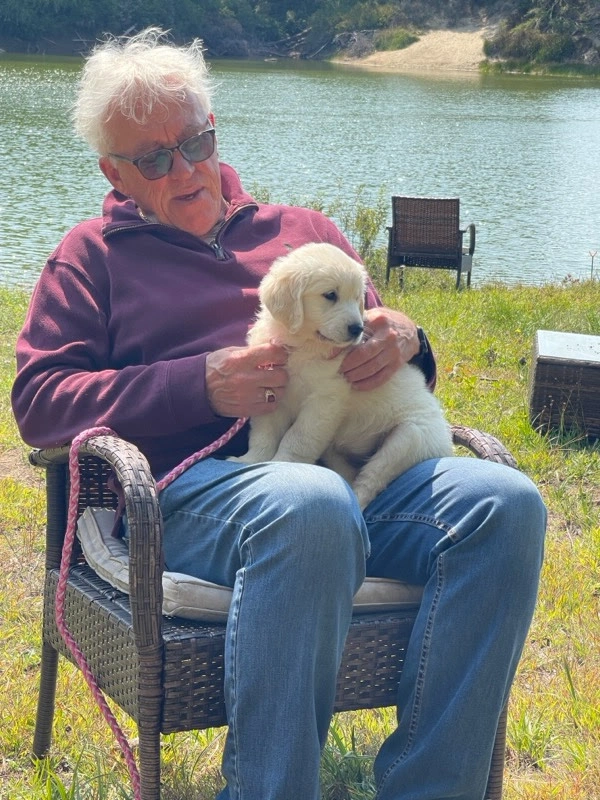
Eventually, life moved him from Corvallis to Eugene, another small college town, where he had the opportunity to buy his first house. He began working at a recycled fiber deinking plant, where he would remain for 25 years.
Then came Annie.
On August 8, 1987, Phil married Annie Mock, “sweet Annie,” as he tells it. They came together just in time to welcome Ariel Elizabeth into their lives. A daughter, and the joy that reminds him that she is the reason he was born. For Phil, Ariel is not only a daughter, she is a living legacy, a witness to his days, and also the continuation of the love he tries to keep moving forward with on his journey.
Then in July 2012, Phil decided it was time to put his poetry out into the world starting with “The Life We Choose.” It felt like a private confession, that in his heart he was a poet. He had lived, loved, learned, worked, and survived, and he wanted to share his blessings with his words and prayers. What he calls “heart songs.”
Phil returned to Eugene in August of 2021, on the tail end of Covid, picking the pieces of a 36 year relationship and marriage. Half a lifetime brought him to a new beginning in an old familiar place. Everyone’s forever is different. He began to get settled in by June of 2022 enough to look for a job. He was introduced by his daughter to Lori Lock. Owner of 5 Star concierge. A senior assistant service for seniors and families to help with appointments, moving and the basics of their activities of daily living. Just what he needed to help heal and find a new purpose in his life. By helping my clients with getting their lives together it was helping me to heal and move me closer to my home at Buck Lake. In Florence I would serve my final client, a dementia patient and wounded Vietnam veteran. A client I would come to be quite close to, including the blessing of being present, hand in hand during his passing. A blessed and fitting way to end my work in the health care assistant field. One more time I felt the hand of God quite literally. The Lord reached down and delivered my daughter to me in a home birth at our Eugene Oregon home. Then again when he reached out to take David’s hand and show him the way home. I am truly blessed and grateful to be alive and to have been present to witness those miracles in person.
The Meaning Behind Word Salad
Word Salad is the culmination of a journey, seventy three years in the making. It weaves through love and loss, joy and happiness, risk and chaos, sudden endings and new beginnings.
For Phil, the phrase “word salad” carries both personal weight and a hard, painful meaning. He saw it firsthand in its clinical form through dementia and Alzheimer’s, both in his family and in his work as a caregiver and senior assistant. Yet as his own life has started sliding into its final season, the phrase grew bigger than he first understood when he started realizing he was living it firsthand.
He started to treat his life like one big bowl of memories, images, phrases, griefs, jokes, prayers, and blessings all tossed together. The mind does not always line things up in tidy order, and sometimes it just slips, but the heart still recognizes the flavor anyway.
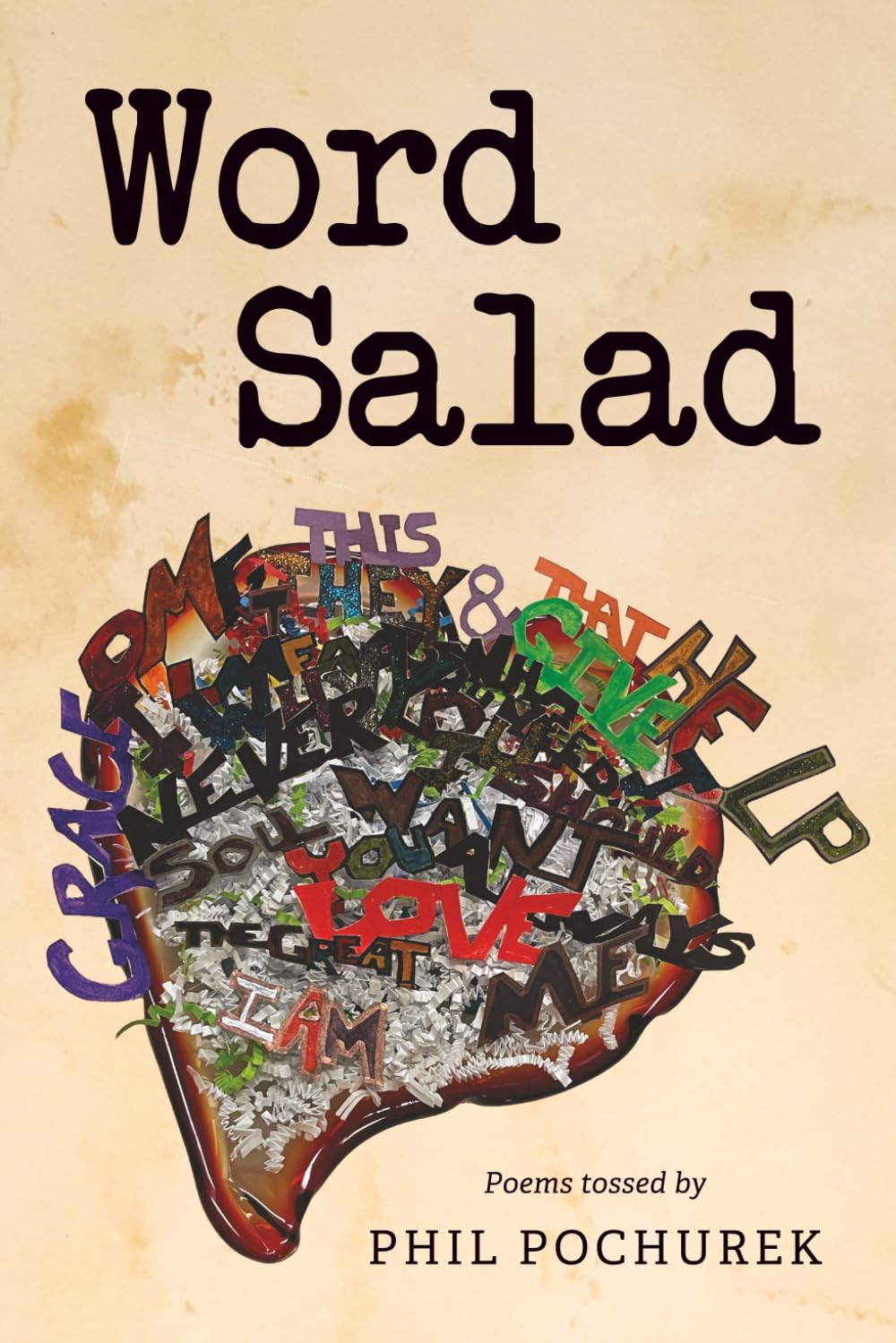
The bowl shown on the cover of Word Salad also reflects this idea. It is filled with catchphrases from the times, expressions that can become difficult to separate from the alphabet soup of modern life. To Phil, the crowded words represent not only his personal experiences, but also a world that increasingly feels confusing, fractured, overwhelming, and difficult to organize.
Some of the poems emerged during moments when his thoughts were moving almost faster than he could record them. On one occasion, a poem woke him around three in the morning. The words had been tossing through his dreams until they became sentences and the sentences became lines. He got out of bed, wrote the poem down, returned to sleep, and polished it up over coffee the following morning.
Other poems begin with a title, a feeling, a memory, or an emotion that continues building until it is ready to appear on the page. Phil may receive the words at home, beside the lake, or even while driving. Sometimes he feels that the poem writes itself and that he is simply the vessel through which it arrives.
Looking back over the places he has lived and the things he has witnessed, Phil describes his life as a mixture of births and deaths, tragedies and miracles, endings and beginnings. Still, he keeps believing the blessing side of the coin showed up more often than the other.
His pen has been his refuge, sanctuary, and release. Often a paintbrush for expressing his feelings and emotions. Grief, pain, love, joy, hope, and grace in a way that feels authentic.
A Book Born from Memory and Survival
The poems inside Word Salad are tied pretty tightly to the actual facts of aging. Pochurek writes about those senior moments, bodies that keep shifting, modern gadgets, wit, quiet isolation, and that odd experience of looking at your reflection and asking yourself whether the person staring back is really yours at all, or just something borrowed.
A few of the poems are straight up funny. A few of them are hard, almost mean in their honesty. And some manage to be both at once.
Several poems turn the challenges of aging into scenes of humor. “Lucy, Is Something Burning?” draws on everyday confusion and the humor Phil inherited from his mother. “The Locker Room” reflects on changing for an early morning swim among men who are mostly over sixty. “Cat Soccer with Bob” turns an ordinary interaction with his cat into something painfully funny. “Bits and Pieces” examines the human obsession with repairing, replacing, and upgrading body parts in the hope of gaining a few more years.
“A Farewell to Sex” confronts a thought Phil never expected to say aloud, much less turn into poetry. Together, these works explore the strange experience of aging, when the person in the mirror may appear unfamiliar and the five year plan has been replaced by the hope of living one more meaningful year, one day at a time.
He has spent time in locker rooms a great deal of his adult life, but not as much since he has come to age and the scenery has changed so remarkedly. Laps begin in the pool at five in the morning, big technology, body parts, getting older, and the plain absurdity of trying to keep everything stitched together for “one more year” replace the five year plan story. His humor feels inherited, like it comes from his mother, blended with the way he loves Monty Python and David Sedaris. It is that kind of humor that lets him laugh at himself, even when the day to day starts to get complicated and life has become rough.
Still, Word Salad is not always light. It has a heavier emotional gravity too. The ending of a 34 year marriage was like being hit by another lightning strike. After that, everything changed, including several relocations, even a return trip back to Eugene, where old memories came in fast and wouldn’t loosen their grip. In the end, those recollections helped steer him toward the Oregon coast towards new beginnings and a fresh start.
For Phil, the book became a bridge from one life to another. It carried everything in his ordinary yet extraordinary life could hold, including stories, feelings, reflections, and scars.
Grief, Regret, and Forgiveness
A few of the strongest parts in Phil’s story really do come from grief.
His mother made it to 86. His sister died at 71, after liver disease, dementia, and cancer. His sister’s passing happened while there was a long two year estrangement between them and he still carries that regret with him even now.
In poems like “Too Late for Forgiveness” and “At Last an Orphan,” he looks closely at how grief and regret show up when they tangle with each other. He writes about them like a blade that cuts all the way to the bone, and leaves a scar that nobody sees and never fully mends.
The lessons are rough but truthful. Sometimes when pride gets the upper hand in the argument, forgiveness loses the window to say goodbye.
That kind of emotional honesty is one of the clearest strengths in Word Salad. Phil does not pretend every wound heals up in a tidy way. He does not package grief into an easy rule. Instead, he leaves the pain in plain sight, and he hopes that, by placing it there, someone else might dodge the same mistake, or forgive themselves for a regret that still clings.
The Family We Carry with Us
Family, friends, and memories somehow stay inside Phil’s poetry. A lot of the most important people in his life are no longer here, as happens when someone reaches this part of life. Still, he carries them in his heart, and talks with them often.
He recalls colleagues from his work career with respect, the kind of people whose honesty, integrity, humor, and overall character steadied him during some tough years. He also treats these friendships like another sort of family, especially after all of yours is gone.
Then there’s the poems that preserve the people, and all the animals he’s loved across the years. “Humming in the Dark” brings his mother back to the edge of the bed in her final days. “The Tackle Box” pulls his father up the riverbank. “A Ghost of You” holds the love he shared with Annie for more than half his lifetime. “Sweet Bones” honors his 23 year old black cat “Bella”. “Running On the Other Side” remembers his springer spaniel Roxy of 17 years “Jesus Had Four Legs” celebrates his love and respect for his dog Joe, the one he told to come to meet him when it is time to go.
Other poems preserve important moments and relationships from across Phil’s life. “Digital Bitches” offers a tongue in cheek response to big technology during Siri’s early development. “The Warrior’s Dance” reflects on the ending of a long friendship. “My Old Hands” looks through the immediate realities of aging toward a larger view of life.
“I AM the Word” serves as Phil’s personal tribute to the Lord and to the meaning he finds in the Lord’s name, the words “I AM.” He believes that whenever people say those words, they should be thoughtful about what comes across their lips next, because they will be calling the Lord into the statement they are making.
“A Road to Nowhere” reflects an hour spent with dementia or Alzheimer’s, where love, confusion, responsibility, and emotional danger can exist together. Each poem represents only the visible tip of a much larger memory, relationship, or emotional experience that remains beneath the surface.
These are not small details. In Phil’s world, pets, parents, spouses, friends, and children all belong to one shared emotional landscape that creates the tapestry of his life. They are the seasoning in the bowl, the dressing.
Faith, Gratitude, and One More Day
Faith sits at the middle of Phil’s life. Each morning, he gives thanks to the Lord for letting him wake up. Each night, once his head settles on the pillow, he offers that thanks again, for another day on earth.
Gratitude has also become one of the key spiritual habits of his later years. When he was younger, he was occupied with building, working, providing and guarding. Those were the times of doing. Now, he is learning something quieter, the posture of being.
This shift has not been easy. After years of time clocks, calendars, duties, assignments, and five year plans, he now finds himself in a calmer season. There are no more time clocks to scan. No more long range plans, except maybe to remain alive with a quality of life that is worth living.
He has made it off the treadmill and now he is figuring out how to finish.
Life at Buck Lake
Today Phil lives on Buck Lake along the Oregon coast right off the 101, a spot he calls heaven on earth. He wakes up early to watch the world and the lake wake up. He breathes in the fresh clean ocean air and sits with the quiet, the trees, the dawn colors, and the natural beauty that waits right outside his window.
For him, it feels like a dream that actually happened. A serene healing place at the edge of the world. Somewhere to finish a life journey, and start the last chapter.
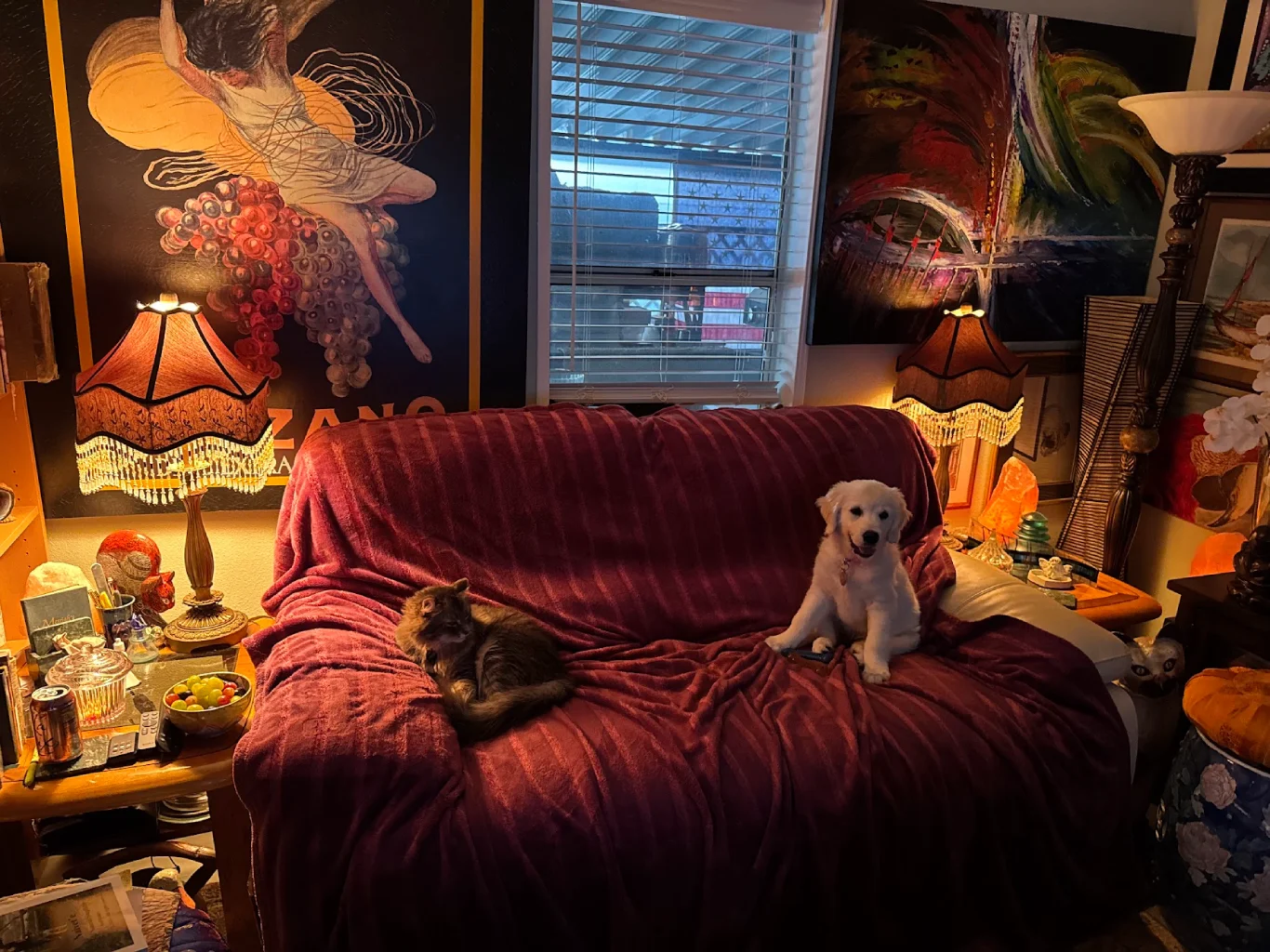
His dog Lucy and cat Bob are his everyday companions, “two little angels” whose steady, unconditional love helps him face a troubled world. The joy they bring to him every day keeps him grounded.
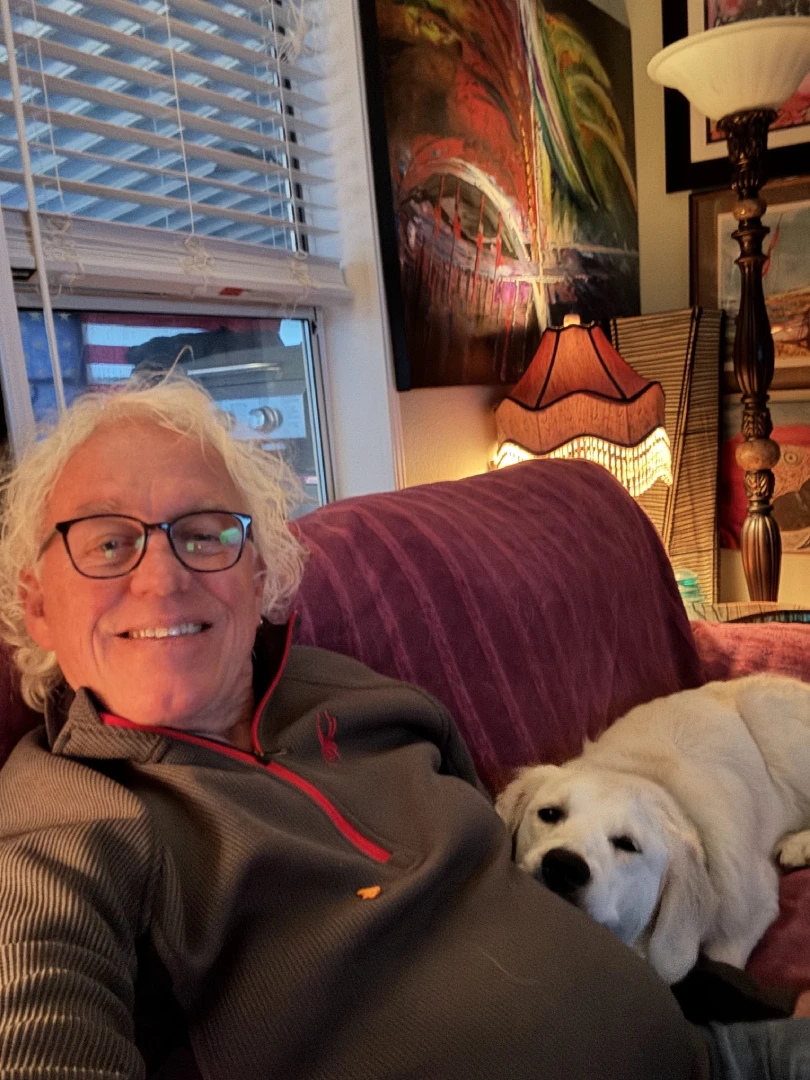
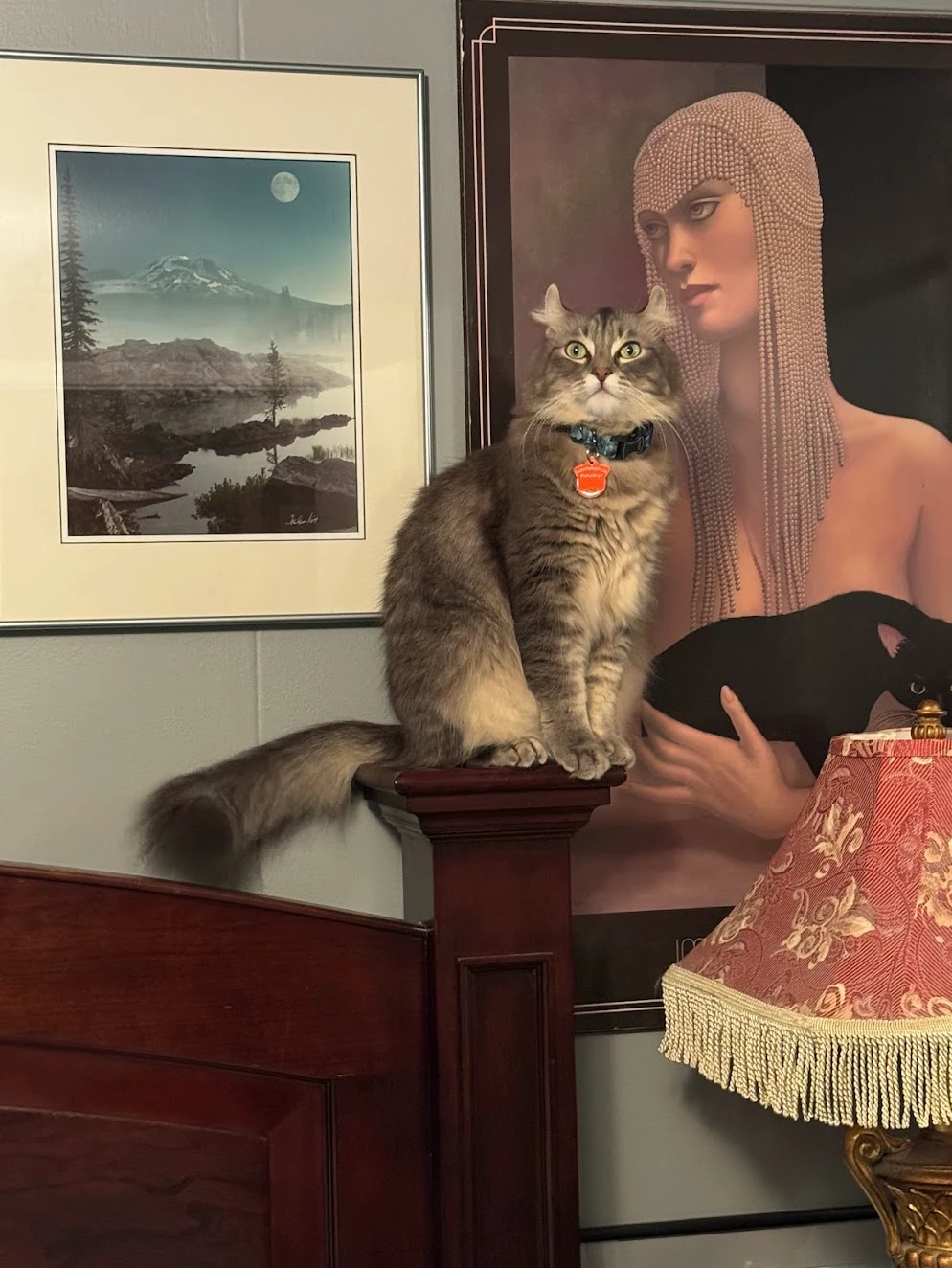
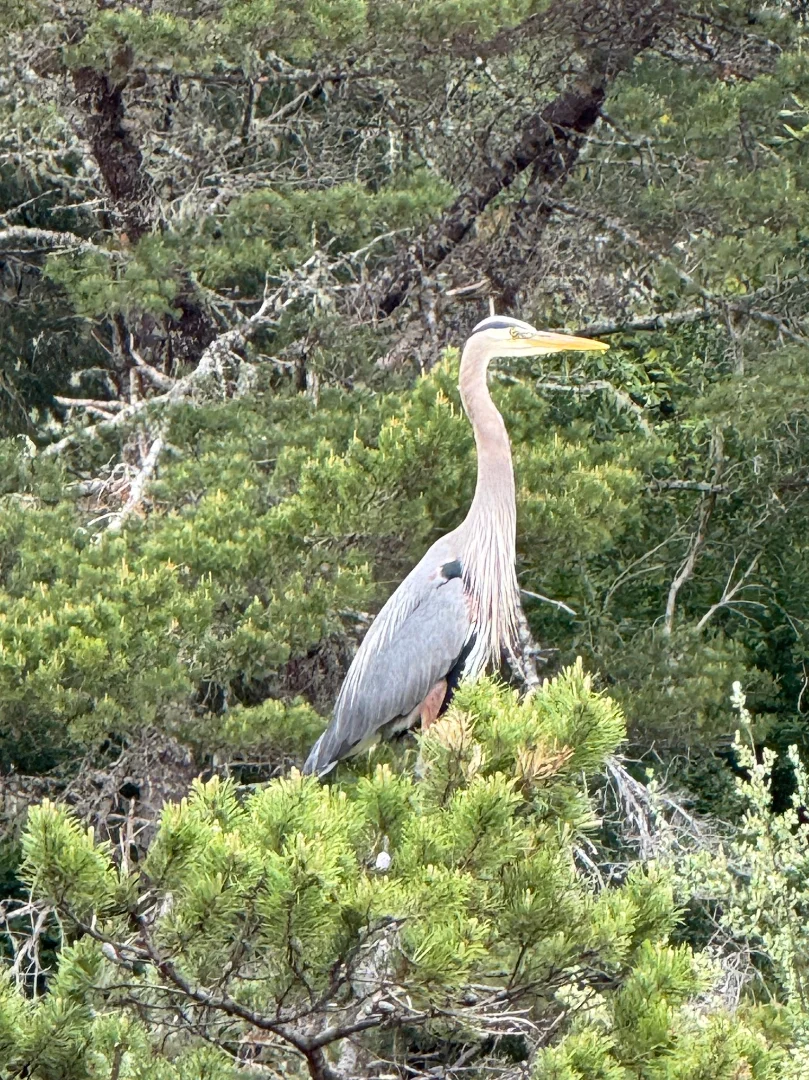
Living at Buck Lake has brought new inspiration to Phil’s everyday life. He is now thinking and writing another book, “Notes from Buck Lake: Life at the Edge of the World.” The ocean breeze, the lake, and the rest of a very wild nature have returned him to his muse. Even now after all the words he has already shared, the lines are still coming.
Review of Word Salad
As a book, Word Salad: Poems Tossed by Phil Pochurek is best understood as a life collection rather than a simple poetry volume. It was written to invite them into memory.
The strength of the book is its honesty. Phil writes with the voice of someone who has worked hard, loved deeply, lost painfully, laughed loudly, and survived long enough to see his life from several angles at once. His poems are filled with humor, faith, regret, family, aging, animals, marriage, grief, and gratitude.
The title is especially fitting. The book is a mixture of flavors. Some poems are sweet. Some are sharp. Some are hard to swallow. Others are comforting, familiar, and warm. But together, they create the portrait of a man who has refused to let life pass without recording what it meant.
Readers who enjoy polished, minimalist poetry might see Phil’s approach as abundant, emotional. But honestly that surplus of feeling is part of the charm. His writing feels alive because it is drawn from lived experience, not from a performance. It reads like someone talking across a table, offering not only what took place but also how it landed in his chest.
The book’s most moving parts are the ones about grief, regret, aging, and love. Phil is willing to face the worst truths without hiding behind sentimentality. Still, he never lets go of humor, or gratitude. That tight balance makes the whole collection meaningful, even when it turns heavy.
Word Salad reminds readers that poetry doesn’t need perfect days to exist. It can be made from work boots, paper runs, half finished marriages, old dogs, lake mornings, broken hearts, and prayers muttered under your breath at night.
The section titled “The Best of the Rest” gives new readers a glimpse into Phil’s earlier books and the experiences that brought him to this stage of his journey. He describes those selected poems as the tips of his favorite icebergs. What appears on the page is only the visible portion of something much larger that continues to live beneath the surface of his heart.
The poems reflect real risks, choices, relationships, mistakes, and scars. Some carry regrets that cannot be erased, while others preserve joy, humor, love, or moments of grace. Phil hopes that sharing these experiences may prevent someone from making a similar mistake or help another person forgive themselves for something in their own past.
His poems do not include emotional distance or protective warnings because Phil already knows what is coming whenever he reads them. Even so, he sometimes has to brace himself. Some memories remain comforting, while others will always be difficult to swallow because he lived through them personally.
A Message for Readers
Phil hopes this article will not only broaden his audience, but also more than that, he hopes it can help inspire others to write for themselves. He wants his readers to get that everyday lives are never really ordinary when you look closely, with honesty, and care. It feels a bit like a quiet nudge you can carry around.
His guidance for younger generations is straightforward: read real, physical books while they remain readily available, confirm your sources carefully, discover what you are good at and what you genuinely love doing, and follow those passions with steady commitment. He encourages people to learn a craft or trade, keep moving, remain healthy, help safeguard the planet, and get some skin in the game. He also encourages patience, forgiveness, kindness, and sincerity, and to smile from the eyes so others can see your true heart behind them. If those qualities are not welcomed by the people around you, Phil believes you may simply be in the wrong company.
In Phil’s view, the coming generations will inherit a great responsibility. He believes there will be important work to complete during the restoration and cleanup of the world, and that this challenge may ultimately become their opportunity to shine.
He is concerned about a world changing too fast, one where machines, technology, and artificial intelligence may try to crowd out truth, real human experience and honesty, integrity, and genuine human connection. Still, under that worry there is hope. He believes the next generation has new responsibilities to handle, and their moment to shine will arrive.
A Legacy Written in Words
Phil has never seen his poetry as work, even if it has become a kind of body of writing, in time to him. His art is a labor of love, a gift from passion, an expression of joy and life as he sees it and has lived it. Poetry gave him a path to turn pain into something with meaning, and memory into an offering. It just does that.
He keeps hoping that someday, somebody will pick up one of his poems and notice a piece of life they never met before, or at least recognize a feeling they could not manage to set down in words themselves.
Phil draws inspiration from poets whose work expands the emotional and spiritual possibilities of language. He admires Mary Oliver for her expressions of nature and life. He values Rainer Maria Rilke for poetry that stretches the mind and changes the reader’s way of seeing. He describes Rumi and Kahlil Gibran as writers whose words feel like a bible of the heart, written from one soul directly to another.
Although nearly every human feeling has already been expressed across history, Phil believes each poet still brings a new pair of eyes, a different mind, and an individual collection of experiences. The circumstances may change across generations, but the heart, love, and soul remain recognizable.
For Phil, poetry should come from the heart, soul, and mind. It should be scented by thought, flavored by personal language, and offered through a perspective no other person has possessed in exactly the same way.
His search for a meaningful life has taken him to the edge of the world, to a lake out on the Oregon coast, to mornings that are filled with gratitude and evenings that finish with a prayer. Little by little he is trying to release what tugs at him, and to learn to be useful, to serve, to love his daughter, to look after his animals, and to keep writing while he still can.
In the afterword of his life, Phil wakes up every morning wondering which side of the dream he is actually standing on. Buck Lake feels almost unreal, like a paradise where the words still show up.
He says his poems are like children, not just in some cute way, but really born from love, joy, pain, loss, beauty and grace. Then he sends them out into the world to be shared with others. Lift them up and take them along to somewhere familiar or a place they’ve never been.
That is the lasting beauty of Word Salad. It is not merely a collection of poems. It feels like a man’s offering, a record of survival too, even when it is quiet. More like a bowl of memories made from whatever life served him, coffee, grit, and all.
And like the best stories, it leaves you with something plain but deep: count your blessings at night, wake up thankful in the morning, and watch what words may come.