There is a particular kind of discipline that comes from spending a lifetime in dance. It is visible in the body, certainly: in the control of a movement, the precision of a landing, the ability to hold a position for one more second than seems physically possible. But for Bradley Shelver, the deeper discipline has always been less visible.
It is the discipline of remaining curious, of continuing to learn after decades in the profession, and of understanding that an artist’s responsibility does not end when the performance is over.
Shelver’s career has taken him from Johannesburg, South Africa, to New York City, where he has built a life as a dancer, choreographer, teacher, author and artistic leader. His résumé includes performances with Ailey II, Elisa Monte Dance, Complexions Contemporary Ballet, Ballet Hispánico, the Limón Dance Company and Phoenix Dance Theatre in the United Kingdom, as well as collaborations connected to artists and organizations including Bill T. Jones/Arnie Zane, Lar Lubovitch, Mark Morris and Radio City Music Hall. He has also spent seventeen seasons as a principal dancer with the Metropolitan Opera Ballet.
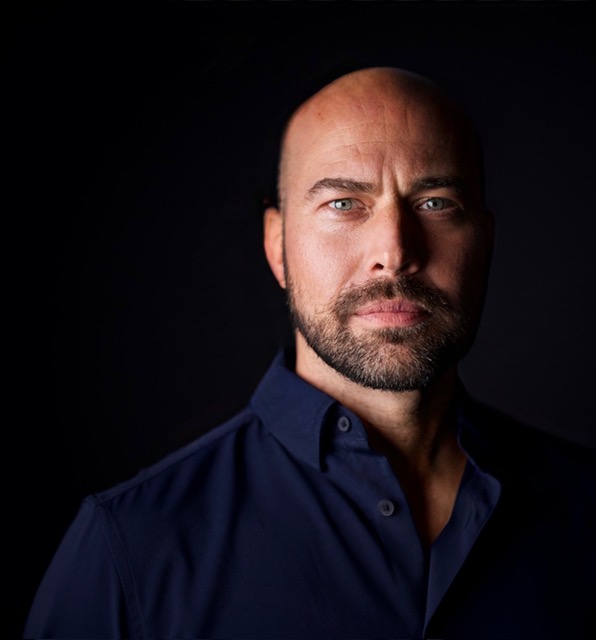
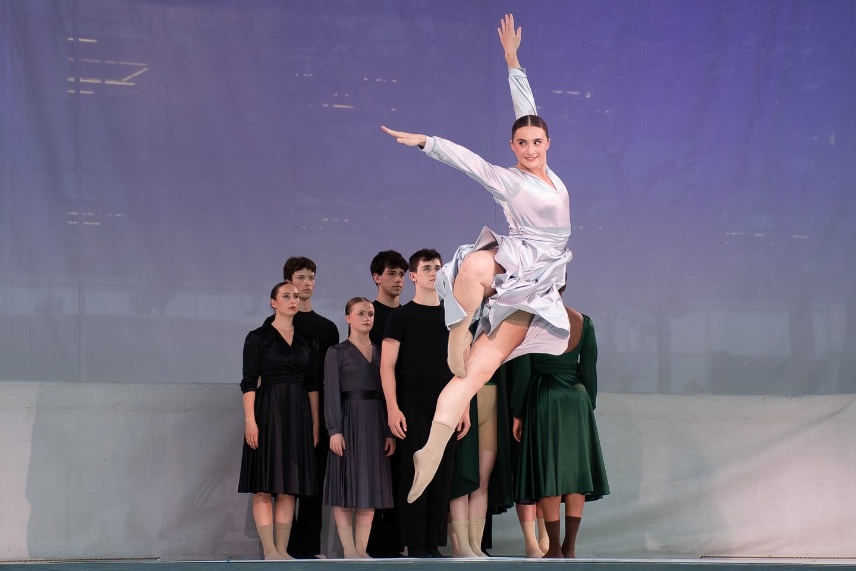
Credits to: Layla Shoobridge
But the story of Bradley Shelver is ultimately not a story about accumulating credits. It is about what happens when a dancer who has spent years being taught eventually becomes the person responsible for teaching others; and when the stage becomes only one part of a much larger artistic life.
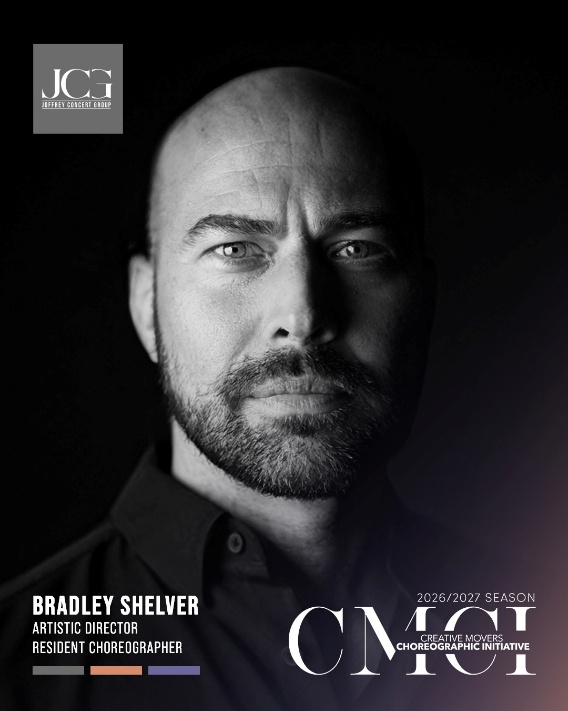
Today, Shelver serves as Executive Artistic Director and Resident Choreographer of the Joffrey Concert Group, while continuing his work as an educator and choreographer. His current professional profile reflects the breadth of his career: performer, mentor, creator and advocate for the artists who are still trying to find their place in the dance world.
For Shelver, however, the journey began long before professional credits and international stages. He began dancing when he was four years old, and from the beginning, movement, music and storytelling gave him a way to understand himself and communicate with the world. He was never particularly drawn to sports. Dance was where he felt most at home.
The Journey Begins in Johannesburg
Before New York became home, there was Johannesburg.
Shelver trained at the National School of the Arts in South Africa, where classical ballet provided the foundation for what would become an unusually varied career. The transition from Johannesburg to New York was not simply a change in geography.
It was an encounter with an entirely different artistic ecosystem, one that would challenge him to reconsider what a professional dancer could be.
Growing up in South Africa during a period of tremendous social change also shaped the artist he would eventually become. Shelver was surrounded by different cultures, languages, traditions and ways of moving. Rather than encouraging him to fit into one particular aesthetic, those experiences gave him a curiosity about the many ways people express themselves.
That perspective continues to influence his choreography. Ideas of community, resilience, migration and human connection frequently find their way into his work. He does not see movement traditions as separate worlds. Instead, he views them as different dialects within the same language.
In 1998, he received a full scholarship to The Ailey School in New York. According to Shelver, the opportunity became a decisive turning point. Only months after beginning his studies, he was asked to join Ailey II, opening the door to a professional career much sooner than he could have expected.
Moving to New York was both exhilarating and terrifying. He left behind everything familiar because he believed growth happens when a person is willing to step into uncertainty. The Ailey School represented excellence, diversity and possibility, and immersing himself in an environment where some of the world’s best artists were pushing the boundaries of dance became an important part of his artistic development.
The young dancer who arrived in New York had classical training, but the city offered him a much broader education.
Through Ailey II and subsequent companies, he encountered contemporary dance, modern techniques and choreographers whose approaches challenged the boundaries between classical ballet and contemporary performance.
He joined Elisa Monte Dance and later Complexions Contemporary Ballet, where his relationship with contemporary ballet deepened. He also performed with Ballet Hispánico, the Limón Dance Company and Phoenix Dance Theatre, among others. These experiences gave Shelver something that cannot be taught in a single classroom: an understanding of how different artistic languages can coexist inside one dancer.
Each company, he says, shaped a different part of who he became.
The Ailey organization taught him generosity and purpose. Complexions expanded his understanding of physical possibility.
Limón deepened his appreciation for weight, breath and humanity. Ballet Hispánico reinforced the importance of cultural authenticity.
The Metropolitan Opera Ballet, where he spent seventeen seasons, probably had the most profound long-term impact. Performing alongside world-class singers, conductors, directors, designers and musicians reminded him that dance does not exist in isolation. Every performance was a collaboration between multiple art forms, and that experience fundamentally changed the way he approaches choreography and artistic leadership.
Learning to Become More Than a Performer
A dance career can be demanding enough when the goal is simply to perform well. Shelver, however, gradually became interested in what existed beyond performance.
He began choreographing.
He began teaching.
He began writing.
Each new role expanded the way he understood dance. A performer asks, in part, how to inhabit someone else’s vision. A choreographer must ask what the vision itself should be. A teacher has to go even further, finding ways to communicate ideas so that another dancer can discover them independently.
That transition from performer to educator and creator is one of the most important threads running through Shelver’s career.
His choreographic commissions have included work for Ailey II, Richmond Ballet, Ballet Austin, Graham 2, Contemporary West Dance Theater, St. Louis Dance Theater, the Joffrey Concert Group and numerous educational institutions and dance schools internationally. His work has reached artists in the United States, Europe, South Africa and elsewhere, demonstrating the international scope of his creative practice.
The list is extensive, but the underlying idea is remarkably consistent: Shelver is interested in creating environments in which dancers are challenged to become more expressive, thoughtful and complete artists.
His choreographic ideas almost always begin with a question.
Rather than simply illustrating a story, he is interested in asking questions about memory, identity, relationships, loss, hope and human behavior. Music often becomes his first collaborator, but the dancers themselves complete the process. Their personalities and experiences influence the final work.
Choreography, for Shelver, is always a conversation.
He is fascinated by what connects people despite their differences. Whether creating abstract contemporary ballet or narrative work, he is drawn to vulnerability, resilience, belonging and transformation.
The older he becomes, the less interested he is in spectacle for its own sake. Instead, he is interested in creating work that allows audiences to recognize something truthful about themselves.
The Teacher Behind the Choreographer
Teaching is sometimes treated as a secondary career for dancers, something they pursue after performing. For Shelver, it has become central to his identity.
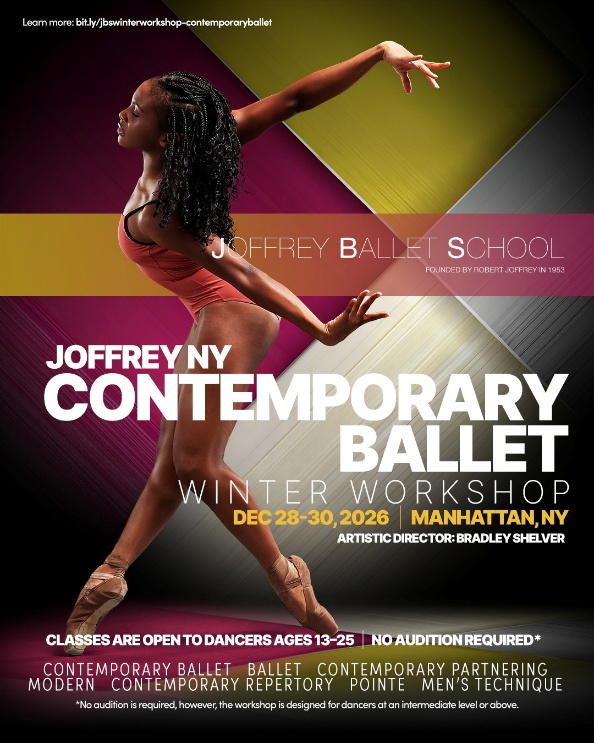
He has taught at The Ailey School, Joffrey Ballet School, American Ballet Theatre programs, LaGuardia High School for the Performing Arts, the Royal Danish and Royal Swedish Ballet Schools, Boston Conservatory and universities and dance institutions around the world. His teaching has included ballet, modern dance and the Horton technique, among other areas.
There is an important difference between knowing how to dance and knowing how to teach dance. The first requires mastery of one’s own body. The second requires empathy: the ability to recognize what another person needs in order to understand an idea.
That distinction seems particularly relevant to Shelver’s career because his influence increasingly comes through the artists he helps develop.
A student may forget the exact combination learned in a class years earlier. They are less likely to forget the teacher who helped them believe they belonged in the room.
For Shelver, teaching has also become a lesson in curiosity. His students continually remind him that curiosity is more powerful than certainty. Every generation approaches movement differently, asks different questions and challenges assumptions he may not even have realized he held.
Teaching has taught him to listen more carefully.
Leadership, he has learned, is not about having every answer. It is about creating an environment where other people feel safe enough to discover their own voices.
That philosophy has become increasingly important as his own career has moved toward artistic leadership.
Building a New Generation at Joffrey
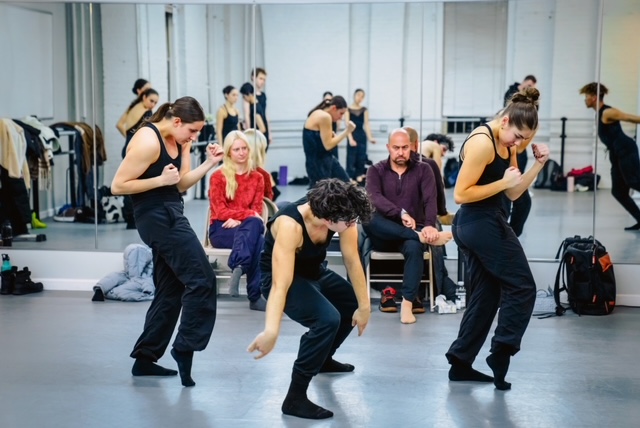
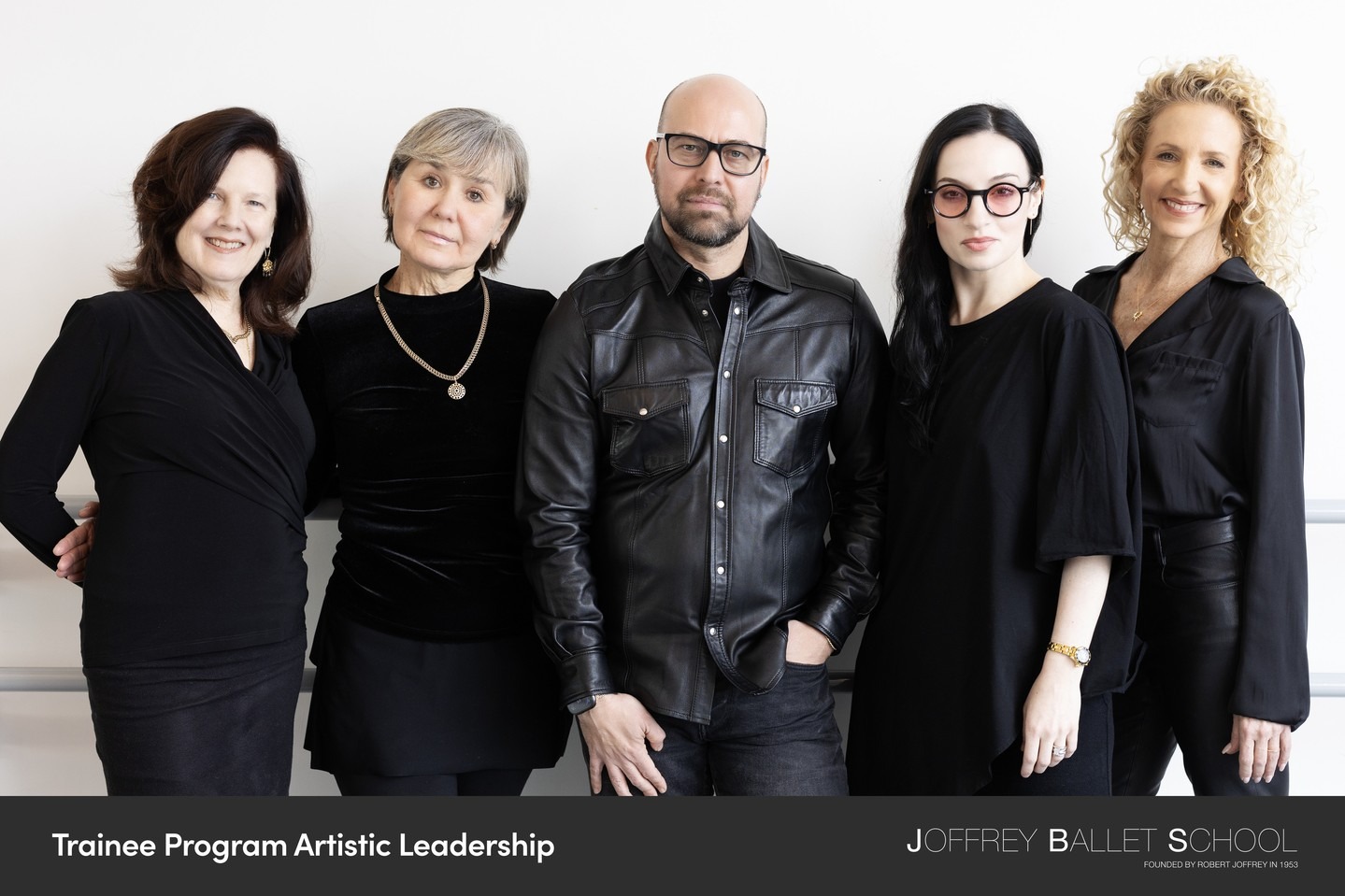
In 2022, Shelver was appointed Artistic Director of the Joffrey Ballet Concert Group as the ensemble was relaunched after a period away from the stage. The role placed him in charge of something larger than a performance company: a bridge between training and professional life.
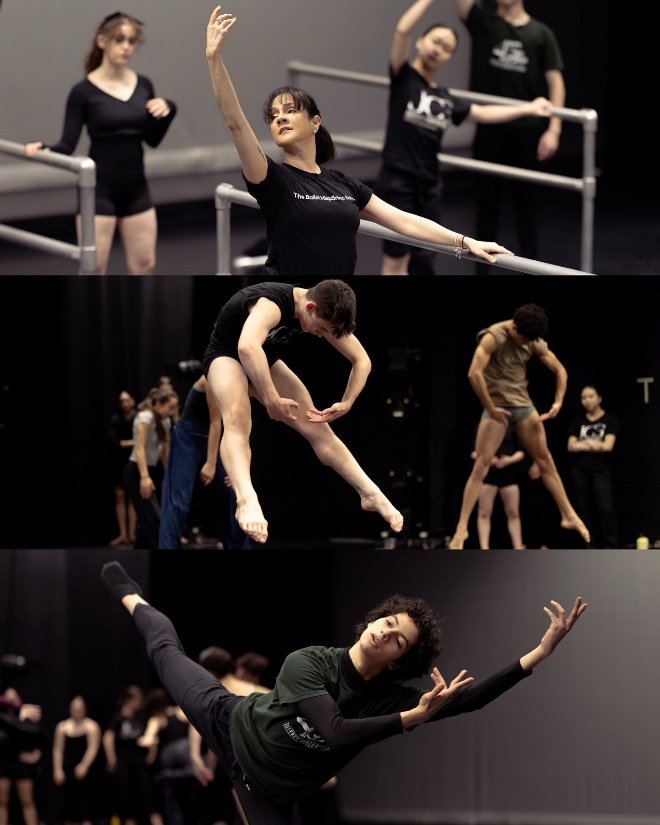
The Joffrey Concert Group was established to give young dancers the opportunity to experience the demands of professional performance while still developing as artists. Under Shelver’s leadership, the organization has continued that mission, providing dancers with opportunities to work with established choreographers and perform contemporary and classical repertoire.
The significance of that role is easy to underestimate.
Young dancers can spend years training in studios without knowing what professional life actually feels like. They may understand technique but not the pace of a rehearsal process, the responsibility of working within a company, the expectations of a choreographer or the emotional demands of performing consistently.
A pre-professional company can provide that missing education.
Shelver’s job, therefore, is not simply to put a good production onstage. It is to help prepare people for the reality of the profession.
His understanding of this responsibility was shaped in part by his own experience with Judith Jamison. When Jamison selected him for a fellowship at The Ailey School, he says the opportunity changed his life. She did more than invest in his technical training—she invested in his potential before he fully believed in it himself.
That kind of trust stayed with him.
Today, as an artistic director, Shelver often thinks about the responsibility of recognizing talent that has not fully revealed itself yet. Jamison taught him that leadership is not simply about identifying excellence. It is about creating opportunities for people to discover their own.
For Shelver, that means building pathways rather than simply careers.
It means developing educational programs, commissioning new voices, expanding access, mentoring emerging choreographers and preparing dancers for sustainable lives in the arts.
Success is not measured only by the performances produced today.
It is measured by the artists students become twenty years from now.

Giving Choreographers a Place to Begin
Perhaps one of Shelver’s most distinctive contributions has been his commitment to emerging choreographers.
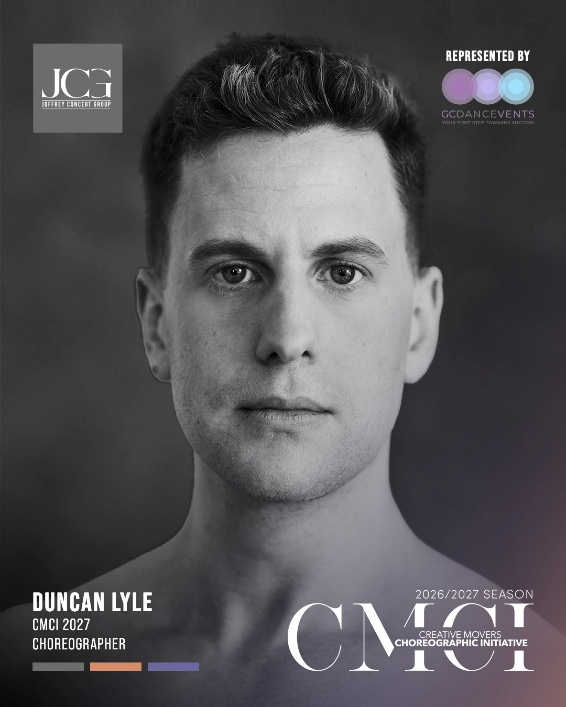
In 2021, he created the Creative Movers Choreographic Initiative, a program designed to give emerging dance makers the creative time, resources and company dancers needed to develop new work. The initiative has since become an important part of the Joffrey Concert Group’s commitment to supporting new voices in contemporary and modern dance.
The concept addresses a problem familiar to many young artists: having an idea is one thing; having the resources to realize it is another.
The initiative provides selected choreographers with rehearsal time, a stipend and the opportunity to create a fully produced work with the Joffrey Concert Group. The program has featured artists whose work represents the next generation of dance makers, giving them an opportunity that can be difficult to find early in a career—time and space to experiment.
For Shelver, this is more than programming.
It is mentorship through opportunity.
Instead of simply telling young choreographers that their voices matter, the initiative gives them dancers, rehearsal space and a stage on which to prove what those voices can become.
The Artist Who Keeps Moving
Shelver’s own creative work has continued alongside his leadership responsibilities.
Recent commissions listed on his professional website include And The Things That Remain, created for Bryant Park Summer Stage, as well as work for Contemporary West Dance Theater, St. Louis Dance Theater, Martha Graham 2, Montclair State University and the Joffrey Ballet School. His earlier choreography includes Where There Are Tongues for Ailey 2 and The 12th Room and Random People With Beautiful Parts for the Joffrey Concert Group.
There is something revealing in the titles alone.
And The Things That Remain.
The 12th Room.
Random People With Beautiful Parts.
They suggest an artist interested not merely in movement for movement’s sake, but in ideas, memory, identity and the complicated interior lives of people.
That sensibility is also reflected in the broader range of Shelver’s work. He has written about dance, taught internationally and authored Performance Through the Dance Technique of Lester Horton, extending his influence from the studio and stage into scholarship and preservation.
His decision to write the book came from recognizing that many dancers were learning Horton exercises without fully understanding why they existed or how they related to performance. He wanted to connect technique to artistry.
For Shelver, Horton is not simply a physical training method but a complete performance philosophy. Through the book, he sought both to preserve knowledge and encourage dancers to think critically about how technique serves expression.
The Next Movement
Dance is an art form built around movement, but the most meaningful careers within it are often built around change.
Bradley Shelver has changed repeatedly throughout his journey: from student to professional dancer, from performer to choreographer, from teacher to artistic director, and from someone pursuing opportunities to someone creating opportunities for others.
Yet there is a thread connecting all of those versions of him.
The desire to keep learning.
One of the greatest challenges of his career has been navigating transition. Moving from performer to choreographer, educator and artistic director requires letting go of one identity while embracing another.
That process can be emotionally difficult because so much of a dancer’s identity is tied to performing.
But Shelver has learned that reinvention is not the end of a career.
It can be the beginning of its most meaningful chapter.
Every transition has required humility, patience and the willingness to remain a student.
His Instagram presence, where he describes himself simply as a choreographer, teacher and author living in New York, offers a glimpse into an artist whose professional life continues to be deeply connected to the people and institutions around him.
His work with the Joffrey Concert Group, his choreographic commissions and his teaching all point toward the same larger purpose: ensuring that dance remains an art form capable of evolving without losing its humanity.
Looking ahead, Shelver is especially interested in expanding educational access through initiatives such as Joffrey Pathways, creating stronger bridges between professional companies and underserved communities, and continuing to develop the Contemporary Ballet Studies curriculum.
Artistically, he is interested in commissioning new choreographers, fostering collaborations across music, theater and visual arts, and creating work that reflects the complexity of contemporary life while remaining deeply human.
He is also passionate about building mentorship opportunities that prepare dancers not only to perform, but to become choreographers, educators, producers and artistic leaders themselves.
The stage may always be where dancers are most visible, but Shelver’s story suggests that an artist’s greatest influence can happen somewhere quieter: in a rehearsal room, a classroom, a conversation with a young choreographer, or the moment when a dancer finally understands that they are capable of more than they imagined.
His own hope for the future is not measured by the number of ballets he has created or the stages on which he has performed.
It is measured by people.
If former students become thoughtful artists, compassionate leaders, generous collaborators and courageous innovators, then he will feel he has contributed something meaningful.
Dance is ultimately a living art form. It survives because knowledge, inspiration and opportunity are passed from one generation to the next.
If Shelver has helped build that bridge creating spaces where artists feel seen, challenged and empowered to discover their own voices – then that may be the legacy he is most proud of.
For Bradley Shelver, the next movement is therefore not simply his own.
It belongs to the artists he is helping prepare for what comes next.
Connect with Bradley Shelver
Instagram: https://www.instagram.com/bradshelver/
Threads: https://www.threads.com/@bradshelver
Website: https://www.bradleyshelver.com/
Beacons: https://beacons.ai/bshelver/
Joffrey Concert Group: https://www.joffreyconcertgroupnyc.com/
Choreographic Initiative: https://www.joffreyconcertgroupnyc.com/choreographic-initiative
Joffrey Ballet Center: https://www.joffreyballetcenter.org/