At a time when conversations around sustainability often focus on restriction and consumption, Creative Reuse is offering a more imaginative alternative: transforming discarded materials into tools for creativity, education, and connection.
In classrooms, art studios, and homes around the world, creativity often begins with something simple: leftover paper, forgotten fabric, unused buttons, cardboard scraps, or objects others no longer consider valuable.
For the growing community behind Instagram account @creative_reuse, those materials are not waste.
They are possible.

Through its online presence and community-driven initiatives, Creative Reuse promotes a philosophy centered around sustainability, artistic exploration, environmental responsibility, and accessible creativity. The organization’s work reflects a broader global movement encouraging people to rethink consumption: not through guilt alone, but through imagination.
And increasingly, that message is resonating.
The Growing Movement Behind Creative Reuse
Creative reuse refers to the practice of repurposing discarded or surplus materials for artistic, educational, or functional use rather than sending them to landfills.
Over the last decade, creative reuse centers and organizations have expanded significantly across the United States and internationally as environmental concerns, rising material costs, and interest in sustainable living continue growing.
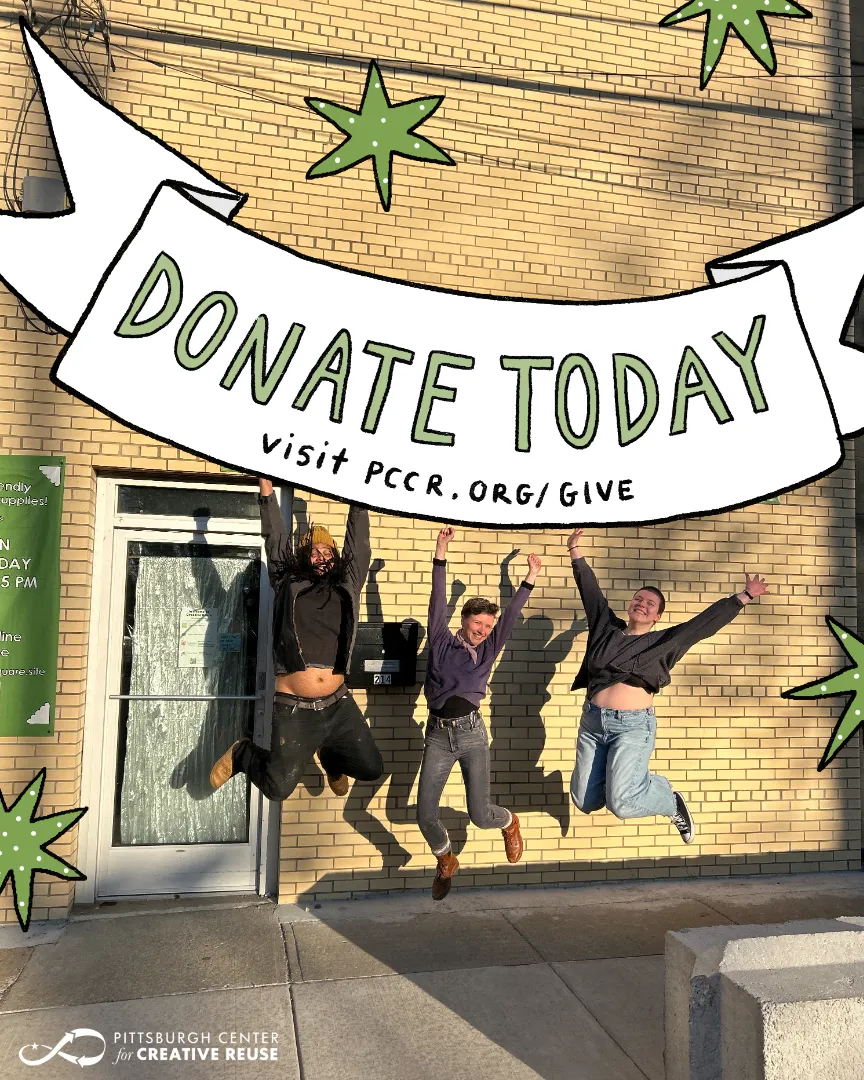
The organization itself traces back to 2007, when founders Faye Miller and Rachel Dennis launched Creative Reuse after witnessing the impact of The Scrap Exchange in North Carolina. Inspired by how reuse-centered creativity strengthened local community engagement there, they brought a similar model to Pittsburgh: one rooted equally in sustainability, accessibility, and artistic opportunity.
But what makes the movement unique is that it combines environmental action with accessibility and community engagement. Creative Reuse’s digital presence reflects this balance clearly.
Its platforms showcase:
-
- repurposed art materials
- DIY creative projects
- sustainability education
- colorful crafting inspiration
- community workshops
- artistic experimentation
- accessible creative tools for all ages
The result feels less like traditional environmental activism and more like an invitation: create more while wasting less.
According to the organization’s leadership, creative reuse is fundamentally different from recycling because it interrupts the waste cycle before materials ever reach the manufacturing stage again. Rather than expending additional energy and resources to create entirely new products, reuse encourages people to work creatively with what already exists.
That philosophy also connects directly to reducing overconsumption: an increasingly important part of sustainability conversations today. As the team explains, reuse is “straight-forward, affordable, and fun.”
Making Art More Accessible
One of the most powerful aspects of the creative reuse movement is accessibility.
Art supplies can be expensive, especially for schools, families, educators, and emerging artists. Reuse-centered organizations help bridge that gap by redistributing donated materials and encouraging alternative approaches to making art.
Creative Reuse’s messaging consistently emphasizes inclusivity, exploration, and resourcefulness rather than perfection.
That approach matters because it changes the emotional relationship people have with creativity itself.
Instead of asking:
“What should I buy to create?”
The movement encourages:
“What can I create with what already exists?”
This mindset not only reduces waste but also removes some of the financial and psychological barriers that prevent people from engaging creatively.
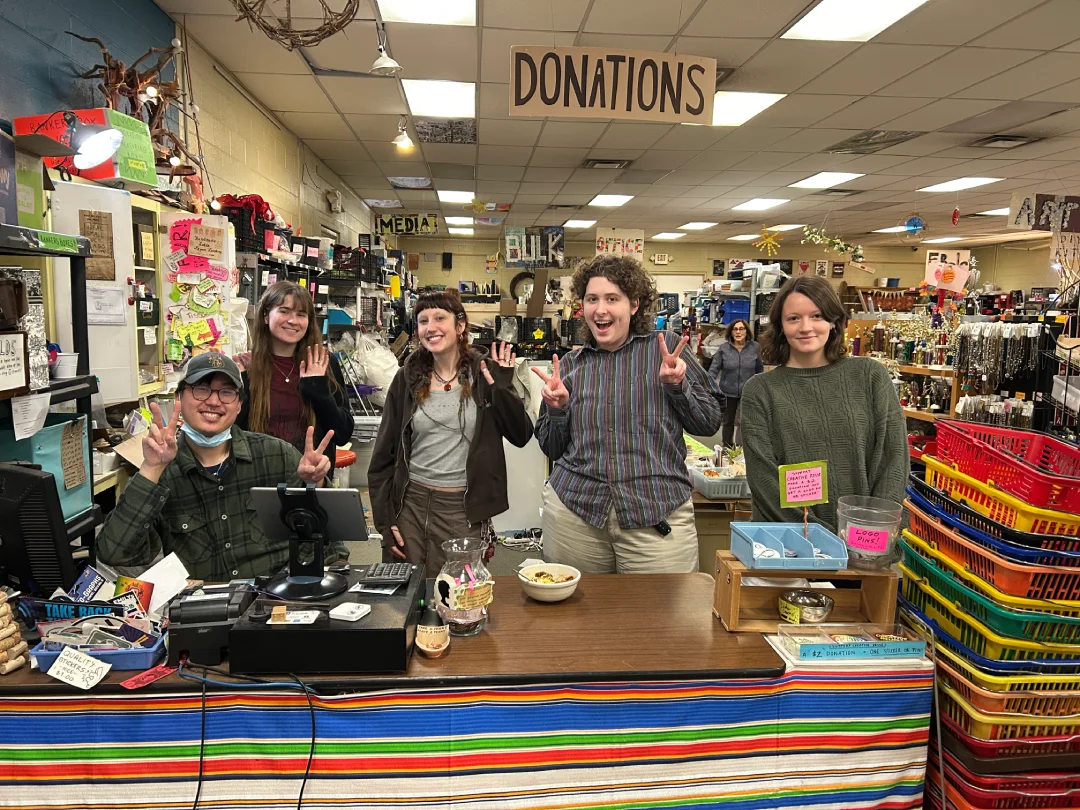
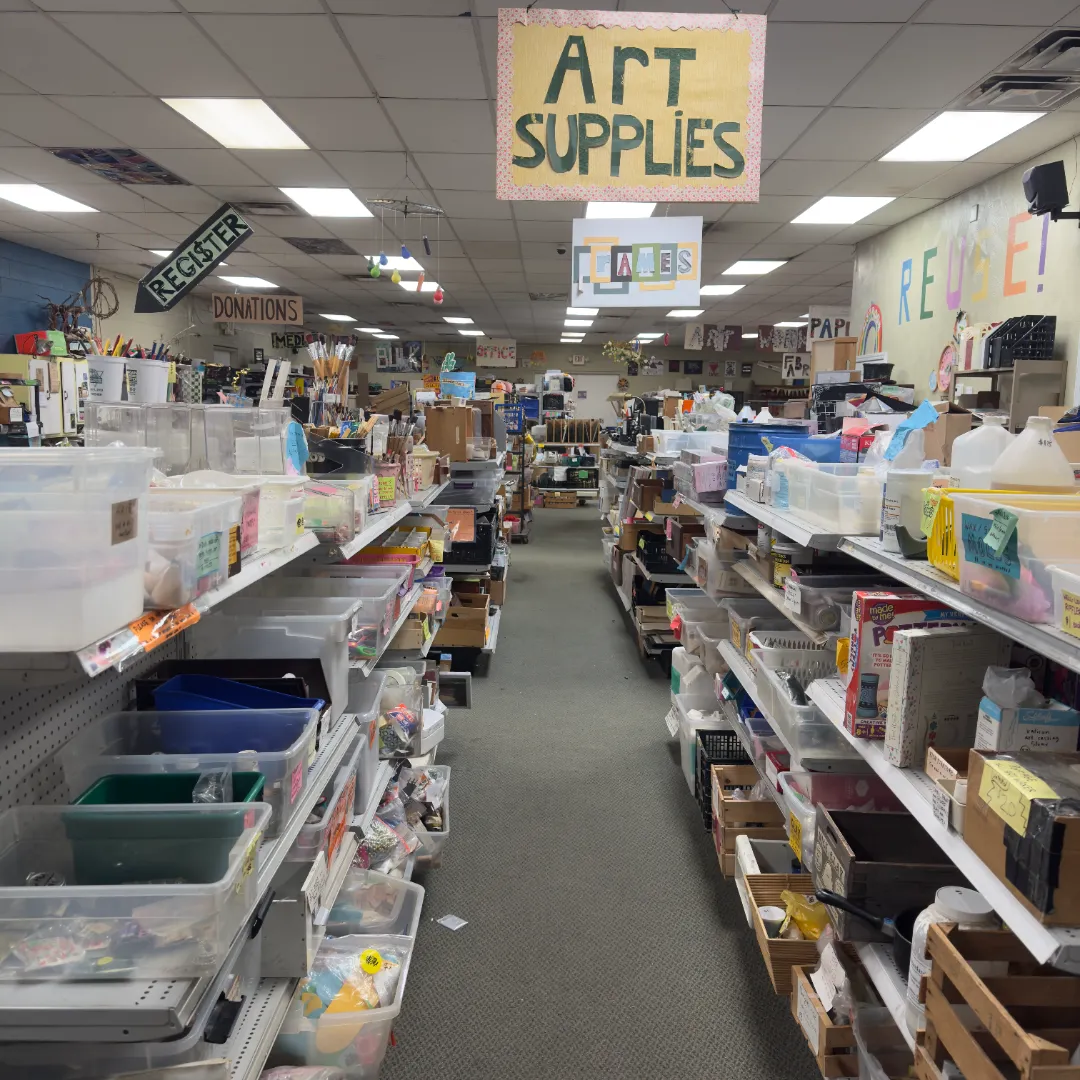
Creative Reuse operates through a non-traditional art supply shop where donated art and craft materials are redistributed back into the community at affordable prices. Many supplies can be purchased individually or through low-cost “fill-a-bag” options designed to make creativity more financially accessible for families, teachers, students, and artists.
The organization’s “bulk section” has become especially popular, filled with frequently donated materials such as corks, binders, notebooks, candle jars, and outdated calendars: everyday objects transformed into creative opportunity.
Sustainability Through Imagination
Environmental conversations are often framed through sacrifice:
consume less, waste less, throw away less.
Creative reuse introduces a different perspective: one rooted in transformation.
Objects typically viewed as disposable become:
- sculpture materials
- classroom supplies
- collage textures
- handmade décor
- educational tools
- community art resources
This imaginative reframing gives sustainability a sense of creativity and optimism rather than limitation.
Creative Reuse’s content reflects this spirit strongly through colorful visuals, educational ideas, and community-centered inspiration that make environmental awareness feel approachable and actionable.
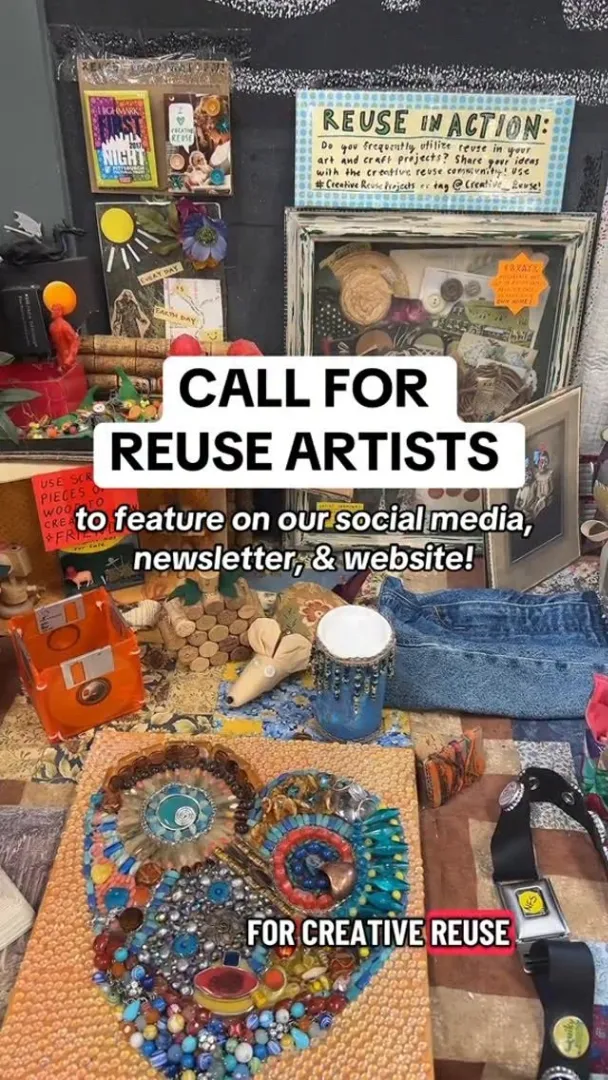
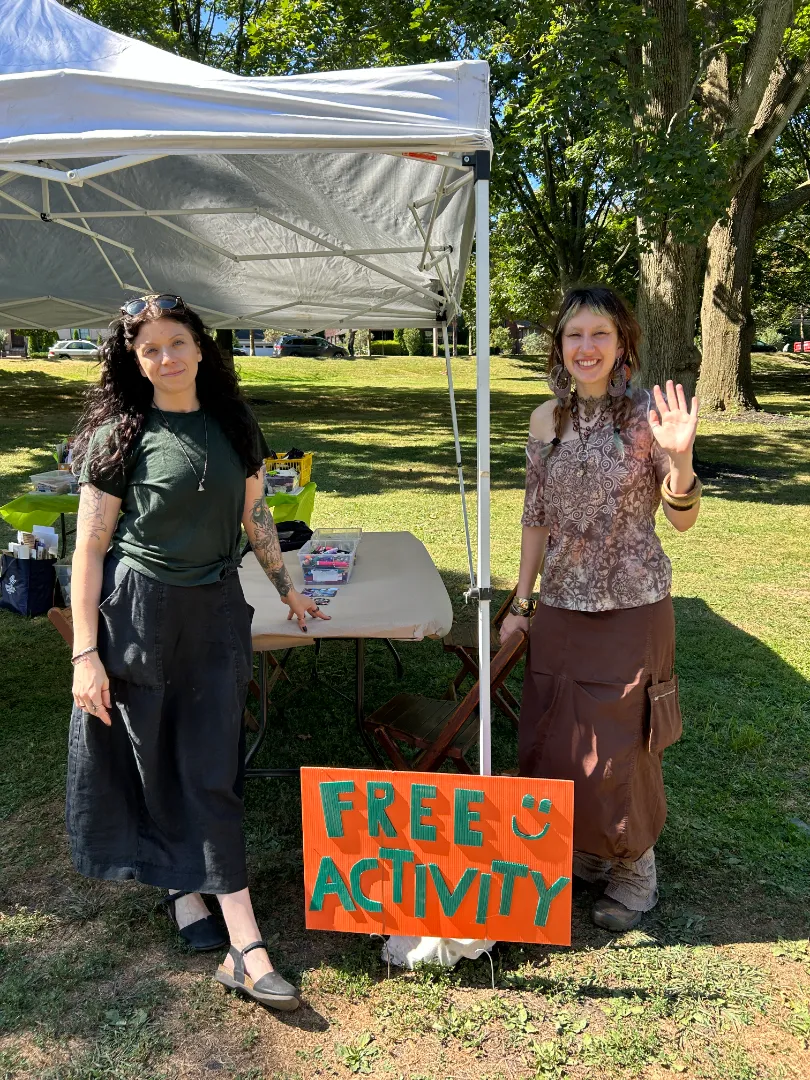
The organization actively encourages the public to rethink discarded materials by showcasing reuse projects through workshops, social media features, artist spotlights, and collaborative community programming. Their team frequently partners with libraries, schools, festivals, and local organizations to bring hands-on creative reuse experiences directly into community spaces.
The Emotional Value of Handmade Creativity
Another reason creative reuse organizations continue gaining attention is the growing cultural appreciation for handmade and personalized work.
In a world increasingly dominated by mass production and digital consumption, many people are searching for activities that feel tactile, intentional, and emotionally grounding.
Creative reuse naturally supports:
- hands-on creativity
- mindfulness
- experimentation
- educational play
- artistic freedom
- family-friendly engagement
- Its appeal spans multiple audiences:
- educators
- parents
- artists
- students
- nonprofit organizations
- environmentally conscious consumers
- creative hobbyists
This broad accessibility helps explain why reuse-centered creative communities continue expanding online.
Leadership at Creative Reuse believes creativity itself plays a major role in strengthening communities. Reuse centers create opportunities for people to say, “I don’t need this, but someone else might,” fostering a collective exchange of resources rooted in care, stewardship, and collaboration.
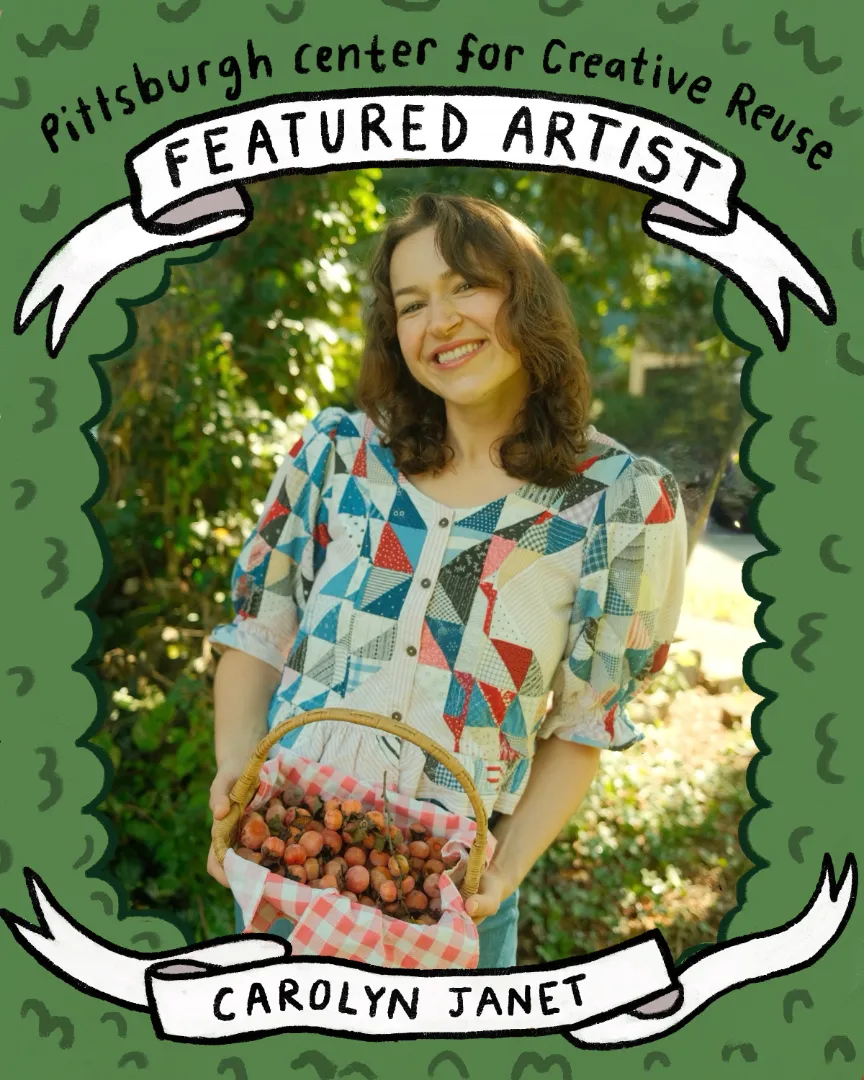
The organization also highlights local reuse artists regularly, including Pittsburgh-based mixed-media artist Karolyn Anderson, who sources materials through Creative Reuse for her found-object artwork. Anderson described the center as both an affordable artistic resource and an important way of keeping usable materials out of landfills.
Why Creative Reuse Matters Today
The growing popularity of creative reuse reflects several larger cultural shifts happening simultaneously:
- increased sustainability awareness
- rising appreciation for handmade work
- concerns around overconsumption
- desire for affordable creativity
- interest in community-centered experiences
As environmental conversations continue evolving, organizations that combine sustainability with emotional positivity and creativity may become increasingly influential.
Creative Reuse stands out because it approaches environmental responsibility through encouragement rather than fear.
Its message is hopeful: materials still have value, creativity still matters, and imagination can transform what others overlook.
At the same time, the organization acknowledges the challenges of sustaining a mission-driven creative nonprofit. With a small team managing large volumes of donated materials alongside growing demand for affordable educational programming, community support through donations and fundraising remains essential to expanding their impact.
From Recycling to Reinvention
At its core, the work behind Creative Reuse is not simply about saving materials.
It is about changing perspective.
A cardboard tube becomes a sculpture base.
Fabric scraps become art.
Unused objects become opportunities.
That transformation mirrors something larger happening culturally as more people rethink what value, waste, and creativity truly mean.
And perhaps that is why the creative reuse movement continues to grow:
because it reminds people that beauty and meaning can still emerge from what others discard.
Looking toward the future, Creative Reuse hopes reuse centers and circular creative economies become as common and accessible as major retail stores. The organization also plans to expand its free hands-on programming while continuing to grow its online shop for communities without local reuse centers nearby.
Explore More
Instagram:
https://www.instagram.com/creative_reuse/
Linktree / Official Resources:
https://linktr.ee/creativereuse
Reuse Alliance (Creative Reuse Network):
https://www.reusealliance.org/
Sustainable Craft & Upcycling Inspiration:
https://earth911.com/living-well-being/upcycling-projects/
Creative Reuse Educational Ideas:
https://www.weareteachers.com/recycled-art-projects/
Community Sustainability Inspiration:
https://www.reddit.com/r/ZeroWaste/
Creativity often begins where waste ends.